Four Firefighters Killed in Backdraft Explosion During Five Alarm Hotel Fire – Herbert Hotel – San Francisco, California – July 30, 1946
On July 30, 1946, San Francisco Fire Lieutenant John Borman of Truck 8, Firemen Albert Hudson and Walter Elvitsky of Rescue Squad 1, and Fireman Charles Lynch of the Salvage Corps were killed in a backdraft while battling a late-night fire an old hotel in the Union Square district of the city. More than 30 others were injured, including 14 other firefighters, in the five-alarm blaze. The more than 200 hotel guests survived due to the heroic efforts of police who arrived first to rouse the sleeping occupants and the 185 firefighters who fought the flames for a full day. Fifty-five persons fled down the fire escape or were carried down ladders when the flames, whipped by a burst of wind, flared up and blocked off the hotel’s main entrance. The fire started in a rear cellar where food and liquor was stored for a restaurant and nightclub in the hotel. The cause of the fire was undetermined. Fire officials described the fire as one of the most serious since the fires following the Great Earthquake of 1906. The loss of the four firefighters during the Herbert Hotel fire remains the deadliest incident in the history of the San Francisco Fire Department.
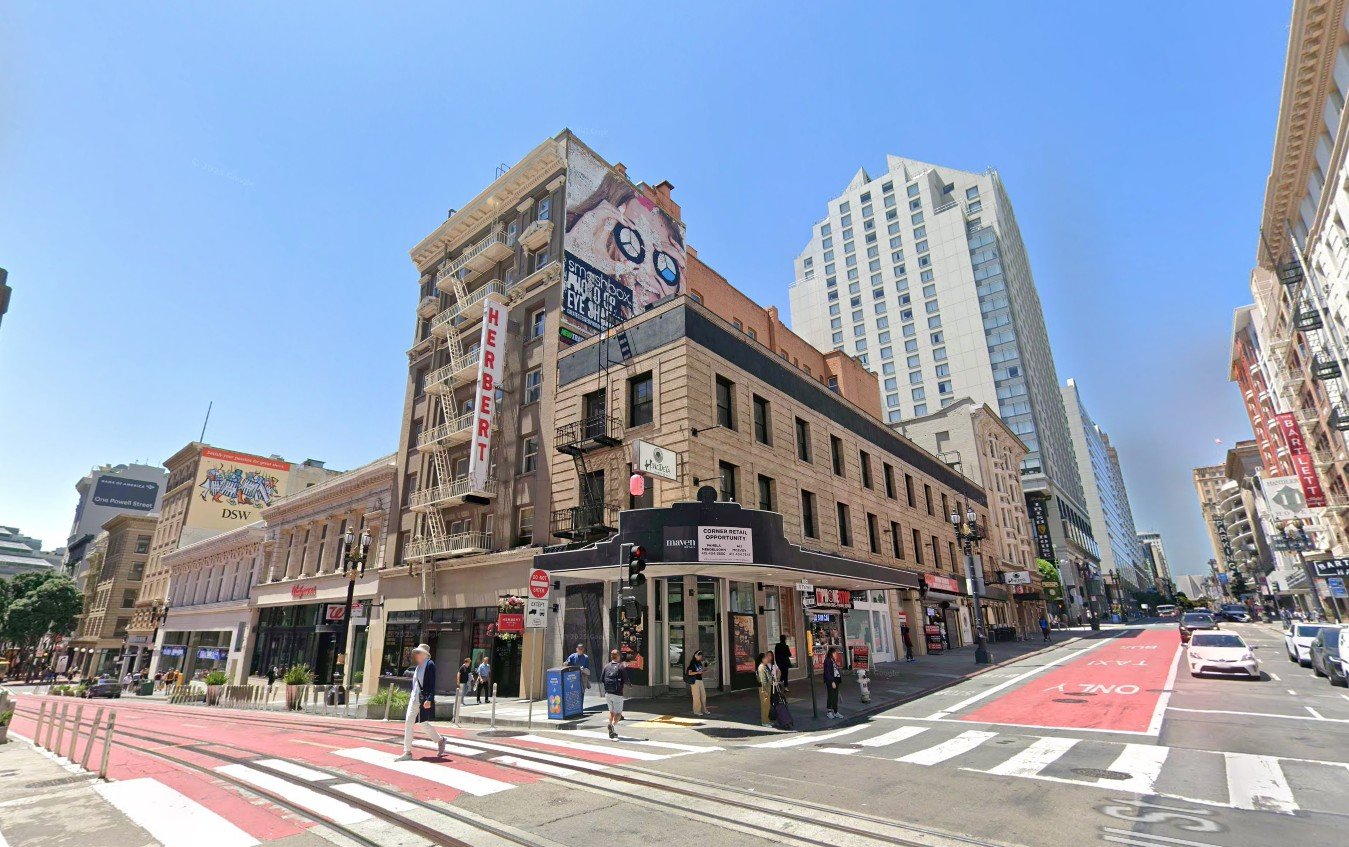
The Herbert Hotel was a seven-story with basement Type III Ordinary construction hotel located at 161 Powell Street between O’Farrell and Ellis Streets in a neighborhood described by fire officials as “frail, jerrybuilt structures thrown up helter-skelter after the Great Quake in the midst of material and labor shortages” near the center of the town’s nightclub and theater district. The hotel measured 40 feet wide, 125 feet deep and 64 feet tall with a flat roof and a six-foot tall parapet wall and cornice at the roofline fronting on Powell Street. A single elevator and an unenclosed stairwell in the lobby near the front entrance served the upper floors. Side Alpha fronted on 68-foot-wide Powell Street, a main thoroughfare lined with shops, restaurants and theaters in the Union Square district. On Exposure Bravo was a row of two-story brick and wood joist mercantile shops. On Exposure Charlie was the five-story 200-person occupancy brick and wood joist Hotel Barclay that fronted on 68-foot-wide O’Farrell Street. On Exposure Delta was a three-story brick and wood joist row of mercantile shops and offices at the corner of Powell and O’Farrell Streets. The hotel’s first floor housed a restaurant, while a nightclub and bar occupied the basement. Guest rooms were located on the upper six floors. Air shafts that opened to the roof were located above the first floor between Exposures Bravo and Delta. Another shared air shaft was located between the hotel and Exposure Charlie. The hotel was equipped with an exterior metal fire escape on Side Alpha. An exterior dry fire standpipe system had hose outlets at each fire escape landing and a fire department connection at the sidewalk on Side Alpha. The building was not equipped with a fire alarm system or an automatic fire sprinkler system. There were several fire hydrants located on the block that were fed by a grid of 12-inch water mains. The nearest fire alarm call box was located a short distance away at the corner of Powell and O’Farrell Streets.
The City of San Francisco is the commercial, financial, and cultural center of Northern California. The city proper is the fourth most populous in California, with 815,201 residents as of 2021, and covers a land area of 46.9 square miles at the end of the San Francisco Peninsula, making it the second most densely populated large U.S. city after New York City. The city is protected by the San Francisco Fire Department that has 44 stations with 1,449 uniformed members. The department operates 10 battalions in 2 divisions and has 44 engine companies, 20 truck companies, 2 heavy rescue companies, 2 squad companies, 45 EMS units, 1 HazMat unit, 1 USAR unit, 3 fireboats, 4 wildland/brush trucks, and 1 mobile mask service unit. The fire department’s airport division staffs 3 fire stations with 95 personnel, 4 aircraft rescue and firefighting vehicles, 2 engine companies, 1 truck company, 1 advanced life support medic unit, and 1 command vehicle.
Weather conditions on the night of the incident included an air temperature of 64 degrees F with a brisk west wind at 13 to 16 miles per hour (San Francisco Examiner). Note: Research by the National Institute of Standards and Technology (NIST) has shown wind speeds on the order of 10 to 20 mph are sufficient to create wind-driven fire conditions in a structure with an uncontrolled flow path (Madrzykowski and Kerber 2009). The wind condition likely had an impact on fire development and the outcome of the incident.
On the night of Tuesday, July 30, 1946, the Herbert Hotel was occupied by about 150 guests. The Backstage Club, a cabaret and bar in the basement that earlier had been filled with patrons had just closed after midnight. Shortly after 2 a.m., Mary Perry, the night manager, noticed a slight odor of smoke near the elevator in the front lobby of the hotel. She asked a guest to search the hallways from the third floor to the seventh to make certain that no smoke was on the upper floors. She then returned to the switchboard. After a few minutes, Perry noticed the smoke condition was not subsiding but was getting worse. “The smoke was thicker,” she later said, “so I called the fire department and then called about fifty guests, asking each to knock on room doors as they came down the halls.”
At 2:31 a.m., a still alarm was transmitted for the hotel location and an engine was dispatched from No. 2 House at Bush and Grant Streets, on the edge of Chinatown. In the meantime, Battalion Chief Joseph Kane picked up the alarm at his Leavenworth and Washington Street headquarters and, playing a hunch, sped with driver Charles Rapp to the scene. It was well they did, since as they arrived, seconds before Chemical 3, a thick column of black smoke burst through a grating protecting a basement window behind which lay the Backstage Club.
Rapp sprinted to a call box and transmitted a second alarm at 2:36 a.m. and a third was sounded at 2:39 a.m. The delay in reporting the smoke condition, appallingly common in hotel fires to avoid the business wrecking stigma of a late night fire alarm, had given the fire time to take hold and now the smoke billowed up the elevator shaft into the lobby and onto the guest room floors. When Rapp returned to the scene, Deputy Chief Martin J. Kearns already had plunged into the hotel, followed by Lieutenant John Borman of the Rescue Squad with three of his men, Fireman Albert Hudson, Walter Elvitsky and Charles Lynch. On the chance that someone had been trapped in the basement bar, the four fought their way down to the nightclub floor, searching as they went.
In the meantime, other firefighters were evacuating guests from the upper floors as heat and smoke travelled the height of the building via the unenclosed elevator and stairwell Fifty-five persons fled down the fire escape or were rescued down ladders when the flames, whipped by a burst of wind, flared up and blocked off the hotel entrance. More casualties were narrowly averted when hotel guests, many of them wearing nightclothes, fled to the street after being roused by phone calls by night manager Mary Perry who turned in the first alarm and remained at her post until the telephone lines burned through. All 150 occupants of the Hotel Barclay in the rear of the Herbert, were also evacuated.
By a peculiar idiosyncrasy of fire, the flames had escaped the basement by a vent in the rear made by firemen working from that point. But the carbon monoxide laden smoke had been sucked back into the basement by a draft created when others had breached the front windows. This triggered an explosive backdraft that killed the four firefighters in the basement and drove more than 40 firefighters from the building.
News reporters Walter Hecox was at the fire and described the scene as the backdraft occurred: “I was standing in front of the Backstage Club when the fire flared up in the flashback that killed four firemen. Jimmy Knepher. photographer, and I had been at the rear entrance of the hotel, but the smoke was so thick there that we moved over to the nightclub entrance. Just as we reached there, it happened. There was a roar and a hiss and a red burst of flames leaping out across the sidewalk into the street. The concussion sent me staggering backward. I breathed in hot, strangling fumes. I heard Jimmy shout: “There it goes!” The front of the place seemed to buckle. Glass shattered on the pavement. From behind me, I heard Fire Captain Edward Duliea’s order: ‘Get that line up there!’ A wave of firemen surged past me. They fell back as the fire leaped out. The firemen went down on their hands and knees crawled slowly forward into the place, regaining lost ground. But when the mass of flame died down, it was too late to save the four men who had been inside.”
The members of Rescue Squad 1 had raced to the Herbert Hotel fire from their station at Truck 1 on Jessie Street. Hours later, Fireman Neil F. Beggs, sole survivor of the company—-ironically because of a faulty mouthpiece of his breathing mask —rode back alone. “It sure felt like hell,” he said, “to go out like that and come back alone.” Beside him, on the seat of the truck, were the soft caps and personal equipment of three of his companions — Lieutenant John Borman, Fireman Albert Hudson, and Fireman Walter Elvitsky.
Beggs described how he and others, wearing breathing masks, were fighting the blaze far back in the interior of the Backstage Club. Minutes before the tragic backdraft caught his fellow firemen, Beggs discovered the mouthpiece of his mask wasn’t working properly. “The mouthpiece of my mask had blown out,” he said. “Al (Hudson) tried to fix it for me. He said, ‘You need another piece for that.’ So, I went outside the building to get another mouthpiece-—and when I went out it blew.”
”The backdraft came up through the floor from the basement, throwing the flames right out into the street. In the explosion, flames shot out and everyone was crawling on the floor—hosemen, enginemen, everybody. Our men (the Rescue Squad) were much farther in than the others because they had their helmets (gas masks) on. The men on the street side were able to get out.”
Fireman Lynch—the first fatality —was pulled from the nightclub entrance, asphyxiated by fumes and badly burned. He later died at Mission Emergency Hospital. Fireman Hudson and Lieutenant Borman were attempting to control the flames in the basement kitchen when the flare-up drove them back. Bormann was found suffocated, lying in a pool of water, and Hudson was buried under the collapsing debris of a bandstand. The body of Fireman Elvitsky, buried under a ton of debris, was recovered from the rear of the basement after it had been pumped out. He had apparently fallen into the flooded cellar when the floor collapsed. His body was not badly burned.
Thirty firemen on the second and third floors were forced to flee down ladders when the rising wind whipped up the flames around them. The fire, which started in the rear of the basement where the Backstage Club had whiskey and food stored, blazed furiously for three hours before being brought under control. The nightclub was badly damaged, and the first four floors of the hotel were charred and blackened. Flames also licked up the back of the hotel, and briefly made a torch of the roof, but firefighters made quick work of the roof fire. The roaring blaze drew a crowd of 5,000 spectators.
The department fought the blaze for eight hours. Despite the caution of the hotel management, 20 pieces of apparatus were at the scene within 15 minutes after Rapp pulled the second and third alarms (there were five in all), and not so much as a window sash on an adjoining building was destroyed. Thirty-eight pieces of apparatus and 185 firemen were ultimately engaged in fighting the blaze. All told; however, 14 firemen were injured, in addition to the four dead, a toll which made the date the blackest in the department’s modern record.
Ambulance crews from Central Emergency and Harbor Emergency Hospitals stood by during the battle, administering first aid to firemen who stumbled from the burning hotel or were carried out. Immediately after recovering, the firemen resumed their stations and continued their work. Fighting the fire in the nightclub interior was complicated by thick clouds of smoke from armchairs, carpets and wall coverings. Firemen used gas masks while engaging in extinguishing the remaining fire in the basement.
Firemen overcome by smoke included Assistant Chief D. J. Russell and Battalion Chief James Horan. Others injured, not seriously, were Lieutenant Christian Hayes, Firemen Fred Fahey, John Sheeran and George Lamuth. Captain Vernon, F. Cody, Lieutenant Henry Lindecker and Firemen Emmett McDonald, Michael Burke, Keith Calvin and Elmo J. Frazie, Wesley P. Dahl were also treated for minor injuries.
Damage was estimated at $150,000 by Deputy Chief Kearns, who described the blaze as “the worst in Fire Department history, in fatalities, since 1906.” Kearns characterized the four men lost as among “the best men we had, absolutely tops in experience, knowledge and bravery.” Louis Raab, owner of the nightclub, expressed thankfulness that the fire did not occur at a time “when we’re really full up.” Mr. Raab, a former Los Angeles supervisor, recently purchased the nightclub for a Los Angeles syndicate. He said he could not accurately estimate the damage but there had been about $70,000 worth of liquor stored in the basement. Only two hotel guests were reported injured; an elderly couple, who recently arrived from Hawaii for a week’s vacation, were overcome by smoke and treated at Central Emergency Hospital.
The origin of the fire was undetermined, although some investigators said it could have been caused by someone in the seven-story brick hotel dropping a lighted cigarette out a rear window. Captain Frank Kelly of the Fire Department’s arson squad took charge of the investigation. Investigators later questioned a garage worker who had a history of predicting fires. Courtney Meixner, age 22, employed on the night shift at the garage in the Huntington Hotel Apartments on California Street, was held after he sent a telegram to the Los Angeles County sheriff’s office saying: “There is going to be a fire at the Huntington Hotel.” He was sent to San Francisco Hospital for a mental examination. No one has ever been charged in connection with the fire.
Members of the San Francisco Fire Department killed in the line of duty during the Herbert Hotel Fire on July 30, 1946:
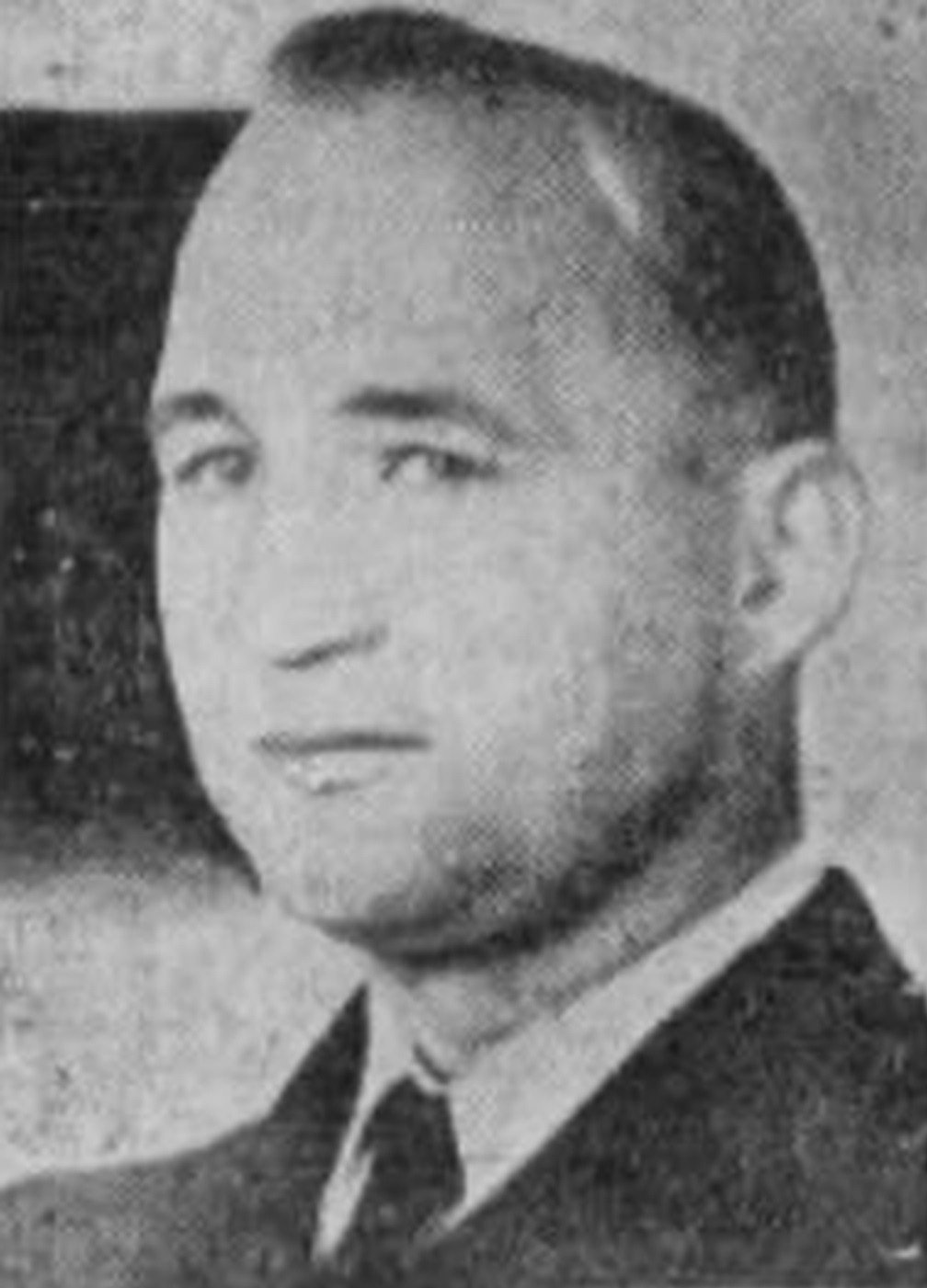
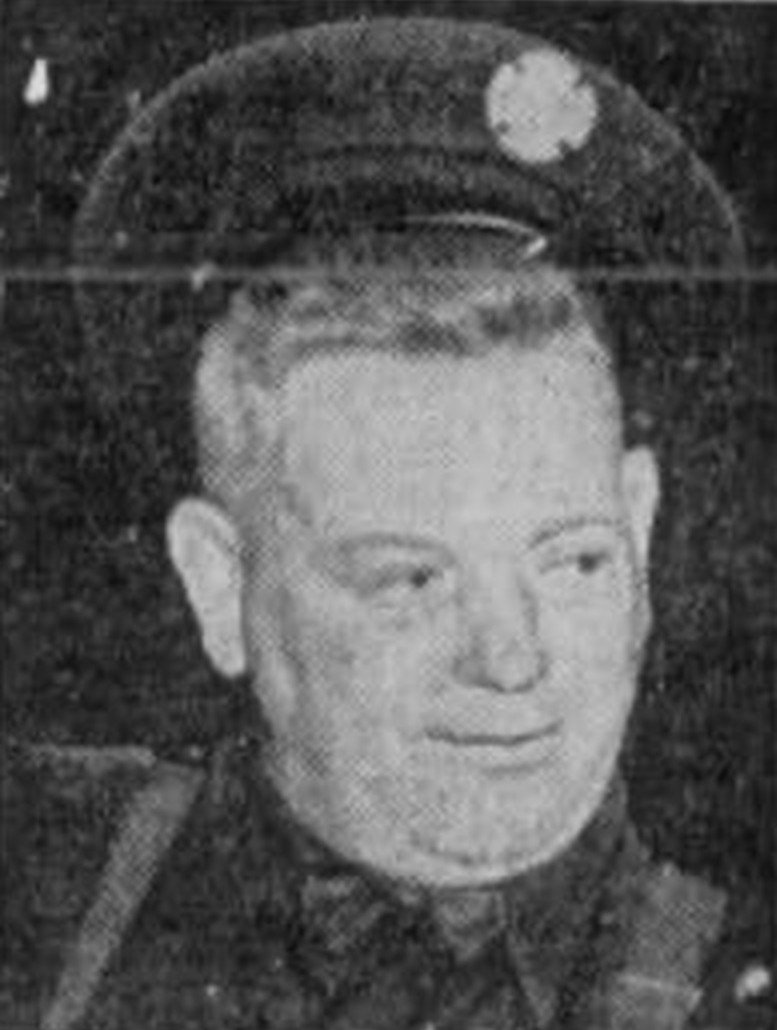
- Lieutenant John M. Borman, age 35, was an 11-year member of the San Francisco Fire Department. He was temporarily filling in on the department’s Rescue Squad and had been detailed to the unit only the day prior to taking the place of Captain Otto Lippert, who was injured in a fall while fighting a fire the previous Sunday. He was ordinarily assigned to Truck 8. Borman was survived by his wife and a 19-month-old daughter, Irene, and by three sisters. Interment was at Golden Gate National Cemetery in San Bruno, California.
- Fireman Albert F. Hudson, age 35, was a 11-year member of the San Francisco Fire Department and was assigned to the Rescue Squad. Hudson had been injured twice before during his firefighting career. Hudson first entered the Fire Department in September 1935. He took a military leave to enter the Navy as a volunteer in March 1942, returning to the department on the first of February 1946. Shortly after, on February 16, he was appointed a temporary lieutenant. Hudson received a meritorious conduct award from the Fire Department on January 28,1942, for aid rendered in rescuing a man from a burning apartment on November 5, 1941. His wife, Eleanor, was expecting a baby. Interment was at Holy Cross Cemetery in Colma, California.
- Fireman Walter V. Elvitsky, age 33, was a four-year member of the San Francisco Fire Department and was assigned to the Rescue Squad. Elvitsky’s father, Walter Sr., said that his son’s wife, Lydia and their daughter, Natalie, age 4, were vacationing at Jordan Park in Lake County. Friends who telephoned Mrs. Elvitsky informed her only that her husband had been “seriously hurt.” Interment was at the Serbian Cemetery in Colma, California.
- Fireman Charles P. Lynch, age 29, was an eight-month member of the San Francisco Fire Department assigned to the Salvage Corps. He had been temporarily detailed to the Rescue Squad. Lynch, a graduate of Mission High School, served throughout the Second World War with the Seventh Division in the Pacific, and went through five major campaigns without receiving a scratch. After receiving his discharge, Lynch, a veteran of such bitter campaigns as those on Okinawa, Leyte, in the Marshall Islands and at Attu, entered the Fire Department on November 7 of the previous year. He talked of quitting only a week prior to the hotel fire, according to his brother, James, also a fireman, who fought the same fire but escaped uninjured. When he heard the news of his brother’s death at the scene, James said that he was going to leave the department. Lynch was also survived by his parents. Interment was at Golden Gate National Cemetery in San Bruno, California.
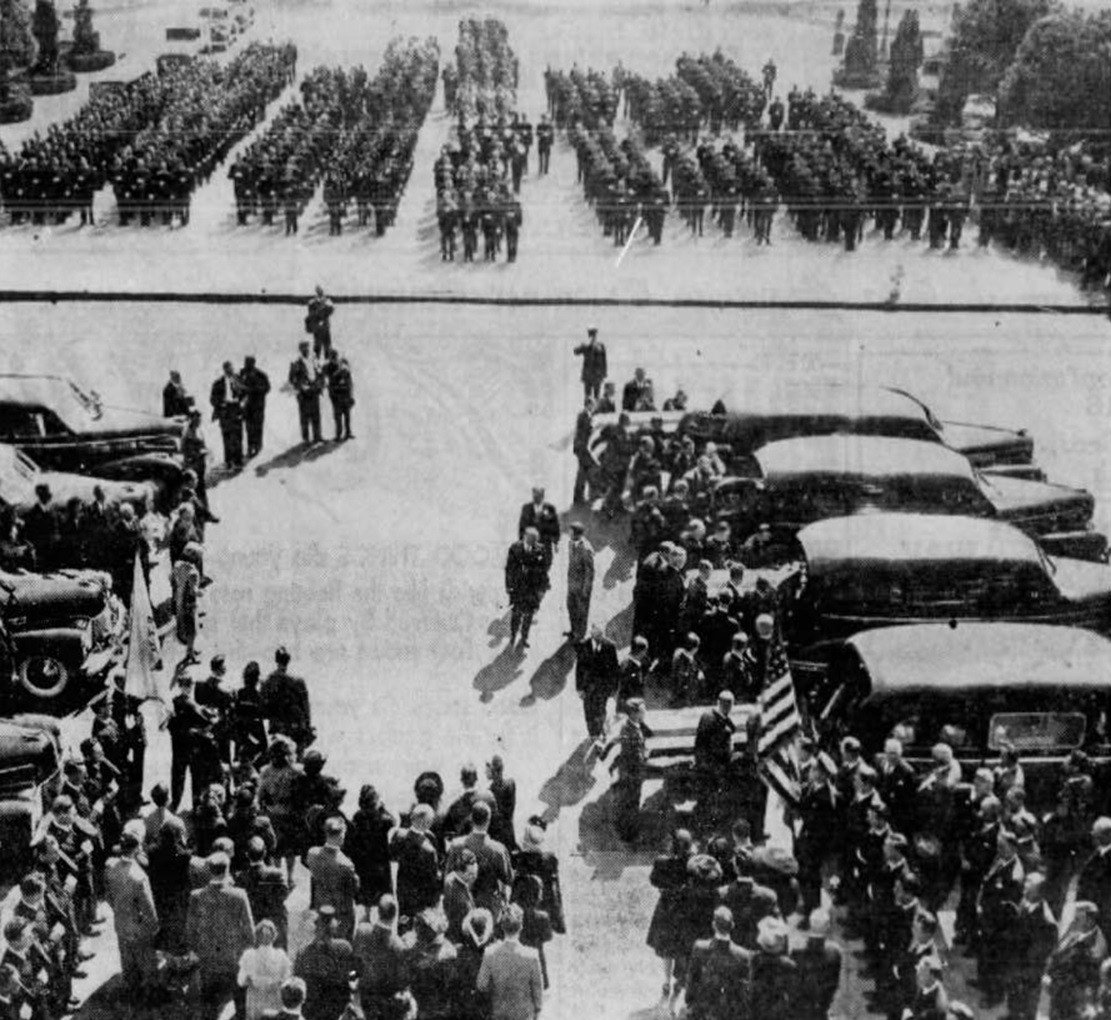
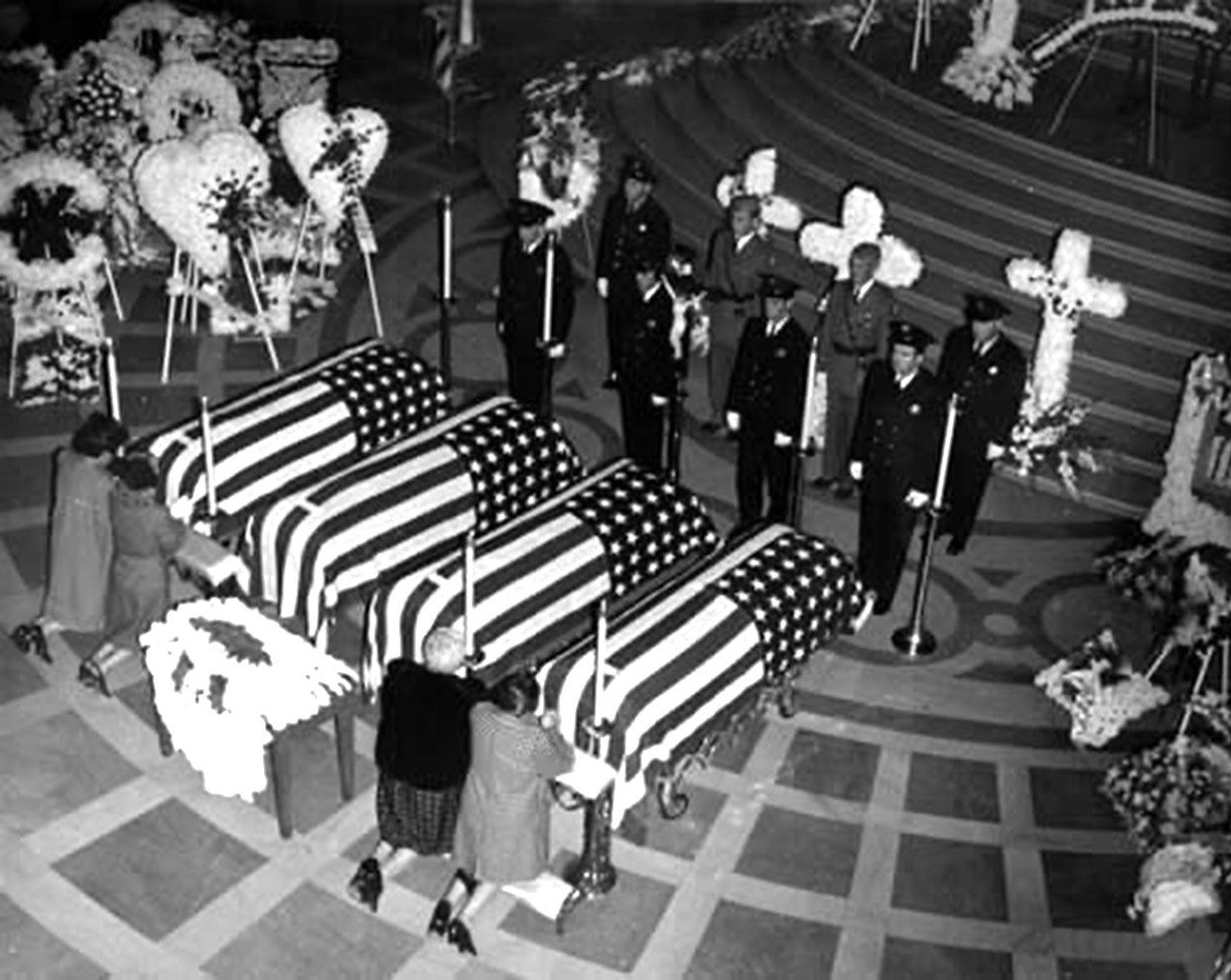
On August 2, 1946, more than 600 firemen from San Francisco and the Bay Area cities paid formal homage to the four fallen firefighters. There was no music, not even muffled drums. They were joined by an honor guard of 60 policemen and Navy firefighters from Treasure Island and Hunters Point as they marched to City Hall where their bodies would lie in state in the Rotunda. Thousands of people lined the streets of the city as the cortege passed by. Services for Borman, Hudson and Lynch were at St. Mary’s Cathedral. The service for Elvitsky was at Holy Virgin Orthodox Church.
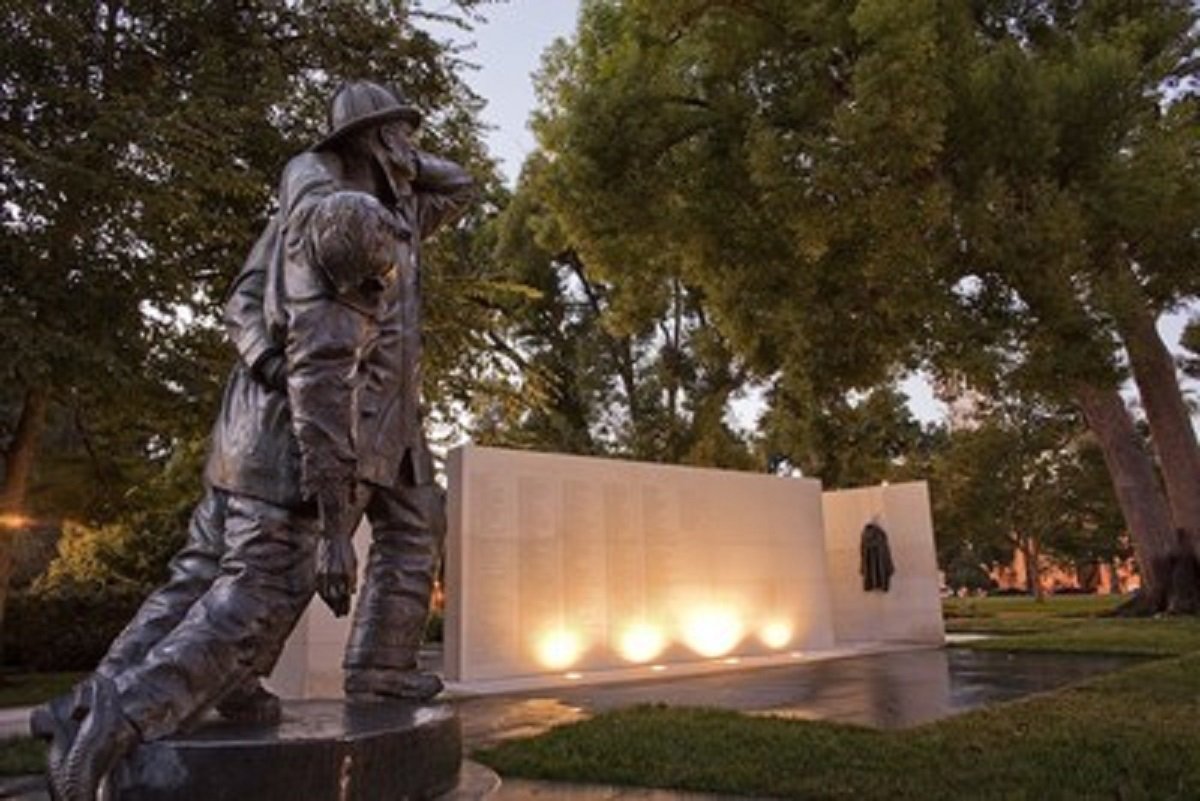
The names of Lieutenant John M. Borman, and Firemen Albert F. Hudson, Walter V. Elvitsky and Charles P. Lynch have been inscribed on the California Firefighters Memorial Wall on the grounds of the State Capitol Park in Sacramento. The memorial features a two-sided brushed limestone wall on which is inscribed the names of firefighters who have died in the line of duty since California became a state. As of 2024, there are 1,527 names inscribed on the wall. A pair of bronze turnout jackets hang at both ends of the wall. The memorial wall is framed by two bronze statues depicting firefighters in action. “Holding the Line” honors the profession of firefighting and depicts four firefighters in action working a hoseline. The statue was created by renowned artist Lawrence Allen Noble. “Fallen Brother” honors our fallen heroes and portrays an anguished firefighter carrying his ‘fallen brother’. The statue was created by Jesus Romo, a retired Sacramento firefighter.
Following the fire, the Herbert Hotel was repaired and renovated. It remains in service today as a 99-room historic hotel in the Union Square area. The hotel is equipped with a full fire sprinkler system. There is no memorial marker at the site.
Commentary:
Recognizing the signs of impending flashovers, and backdrafts and smoke explosions are basic firefighter survival skills that need to be taught to all firefighters. In the almost 80 years since this incident, there has been considerable research, testing and field experience that can educate firefighters in these important skills. Each phenomena have specific warning signs that firefighters can identify and use to prevent being caught in one of these deadly rapid fire events. Flashovers are heat driven occurrences while smoke explosions and backdrafts are air driven events. Once firefighters understand the characteristics between the two quite different manifestations on the fireground, steps can be taken to protect personnel from being caught in a situation that is often not survivable.
We have been taught for decades that the proper method to minimize the potential for a backdraft is to ventilate the enclosed area, be it a basement or cellar, a room or an entire building, at the highest point. This permits the upward and outward flow of smoke, carbon monoxide, and the other heated combustion products, without allowing an influx of cooler air and, specifically, oxygen. You must be certain that these combustion products are venting to the outside and that the outward flow is not being blocked, perhaps by a suspended ceiling or interior partition, for example.
There is no doubt that these superheated, explosive gases will ignite when finding their needed air supply. Fire strategy demands that we choose where the fire triangle will be completed. If the gases are channeled vertically, the oxygen will be found in free space and the energy of combustion will be unleashed rather harmlessly in the air. However, it is when the necessary oxygen is “sucked” into an enclosed space that the same energy, now confined by the structure, causes the damaging backdraft phenomenon.
Fire streams can be introduced into the fire area once effective ventilation has begun. Water application must be very carefully coordinated with ventilation though, ensuring that ventilation at the highest point has been started first. But don’t wait too long to start the water after ventilating or you will suddenly have a large free-burning fire on your hands.
We have attached photos from the incident. We have also included a detail from the 1948 Sanborn fire insurance map showing the configuration of the fire building and the surrounding exposures.
We have also included an article by Nicholas J. Higgins from Firehouse Tribune that discusses the warning signs of backdraft and how to prevent it: http://www.thefirehousetribune.com/blog/2015/9/25/understand-a-backdraft#:~:text=With%20this%20being%20said%20there%20are%20certain%20warning,and%20smoke%20inward%20when%20an%20opening%20is%20made
And we have attached a video of a backdraft occurring in a row of stores in Queens, New York in 2018 that injured seven firefighters and at least five other civilians:
Thanks to multiple media sources for the content of this article.
Remember the service of Lieutenant John M. Borman, and Firemen Albert F. Hudson, Walter V. Elvitsky and Charles P. Lynch by studying the fire dynamics of backdrafts, smoke explosions, and flashovers with your crew members today.
Remember Fallen Brothers.
Get Out There And Know Your Local!!!

Photo of fire units operating on Exposure Delta on O’Farrell Street during the incident.
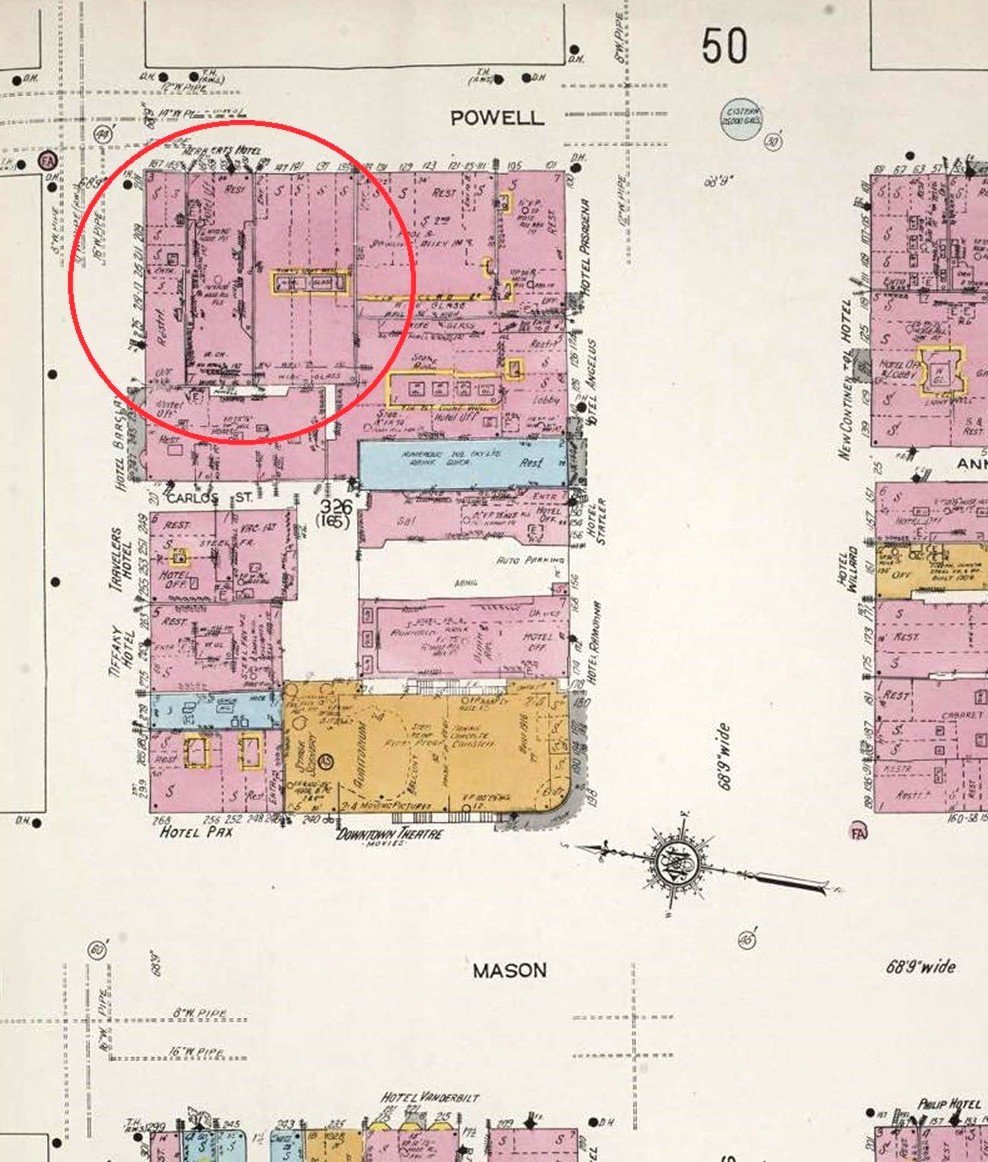
Detail from the 1948 Sanborn fire insurance map showing the configuration of the Herbert Hotel (circled in red) and the surrounding exposures.
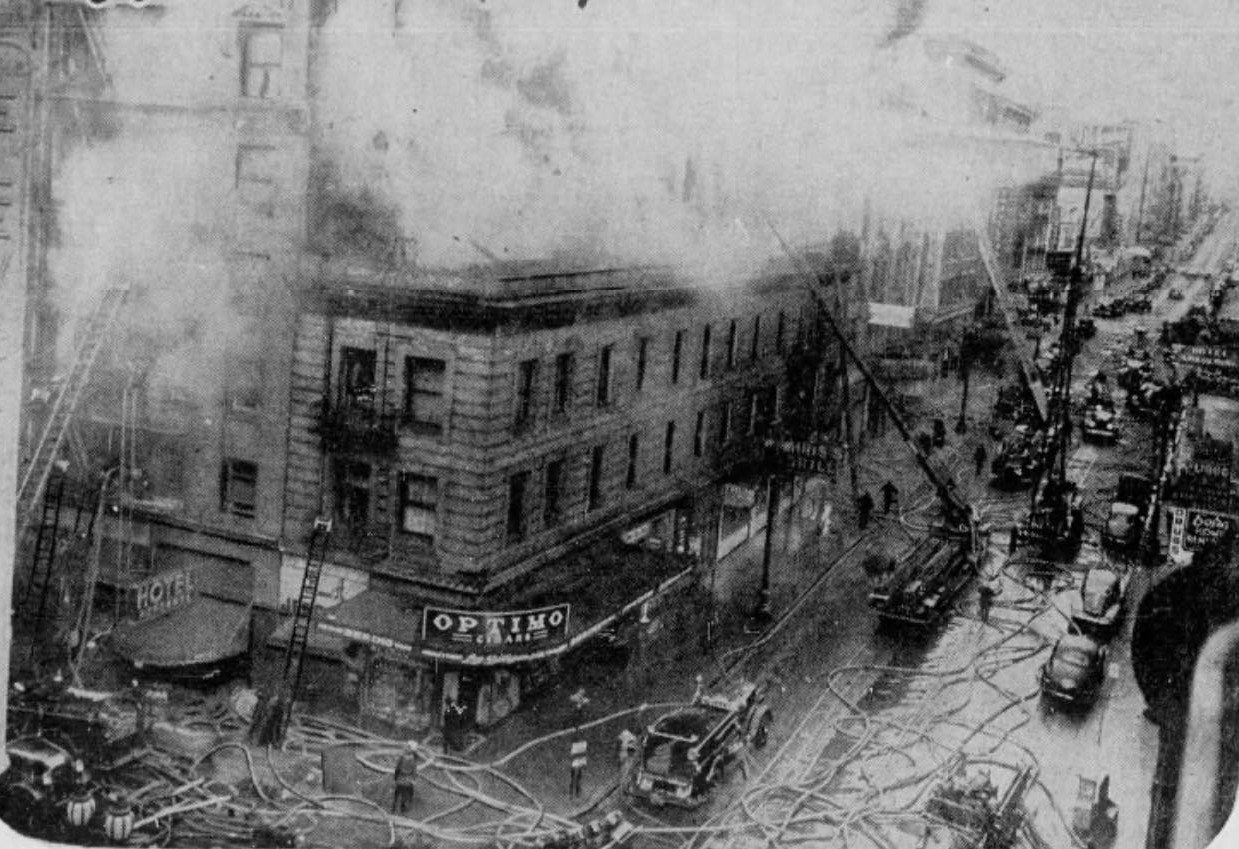
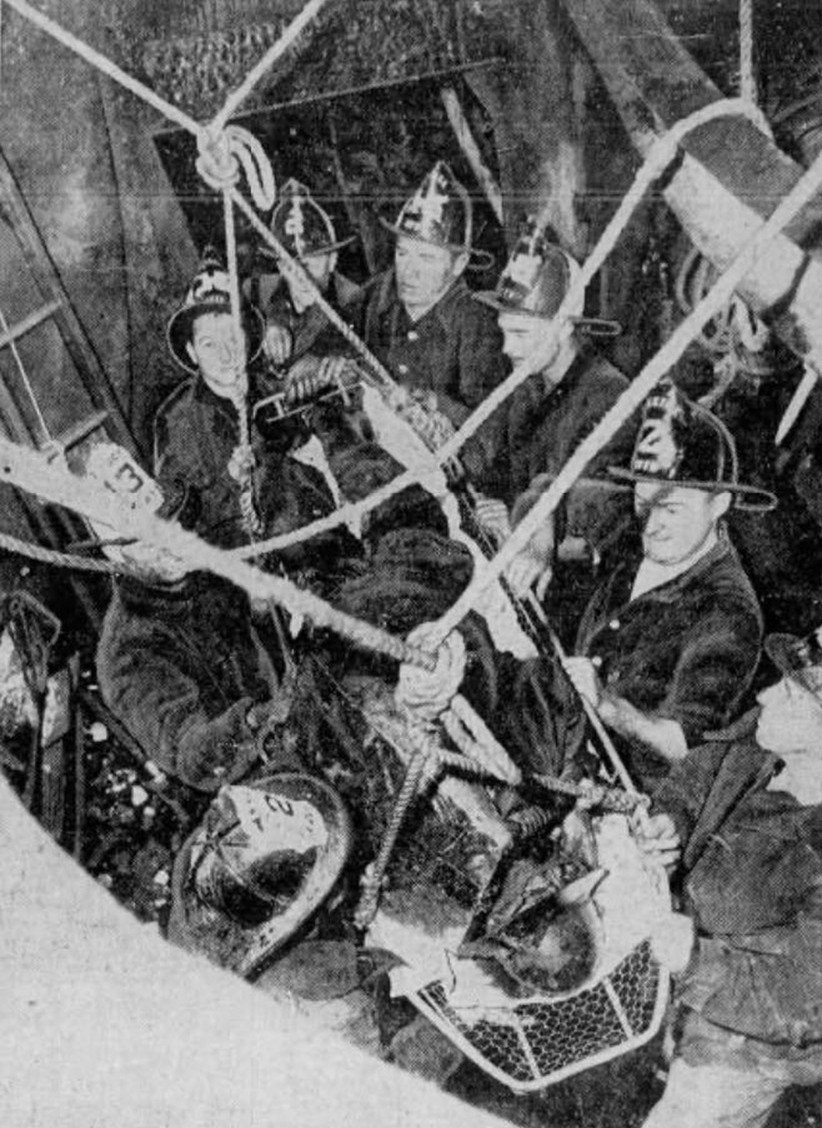
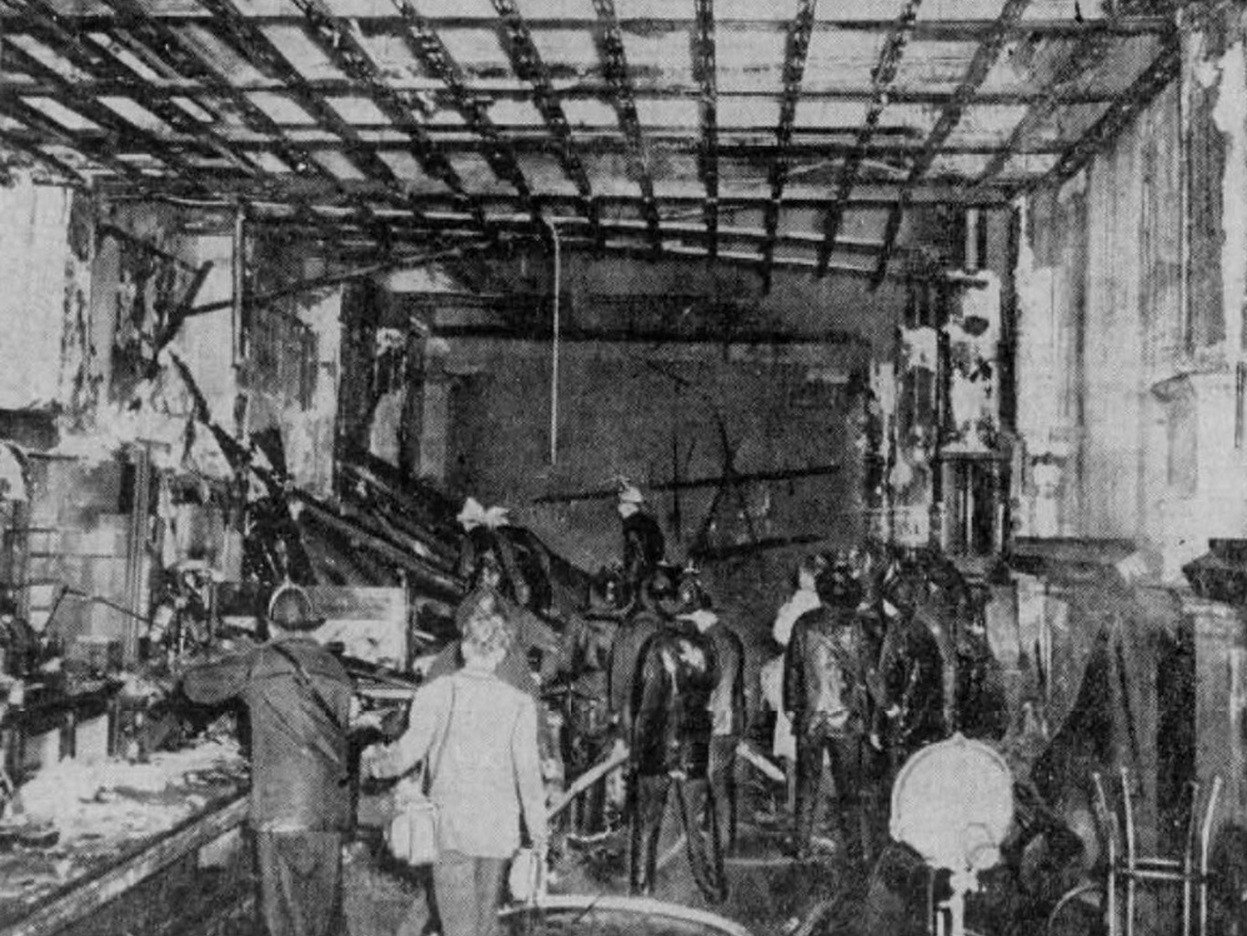
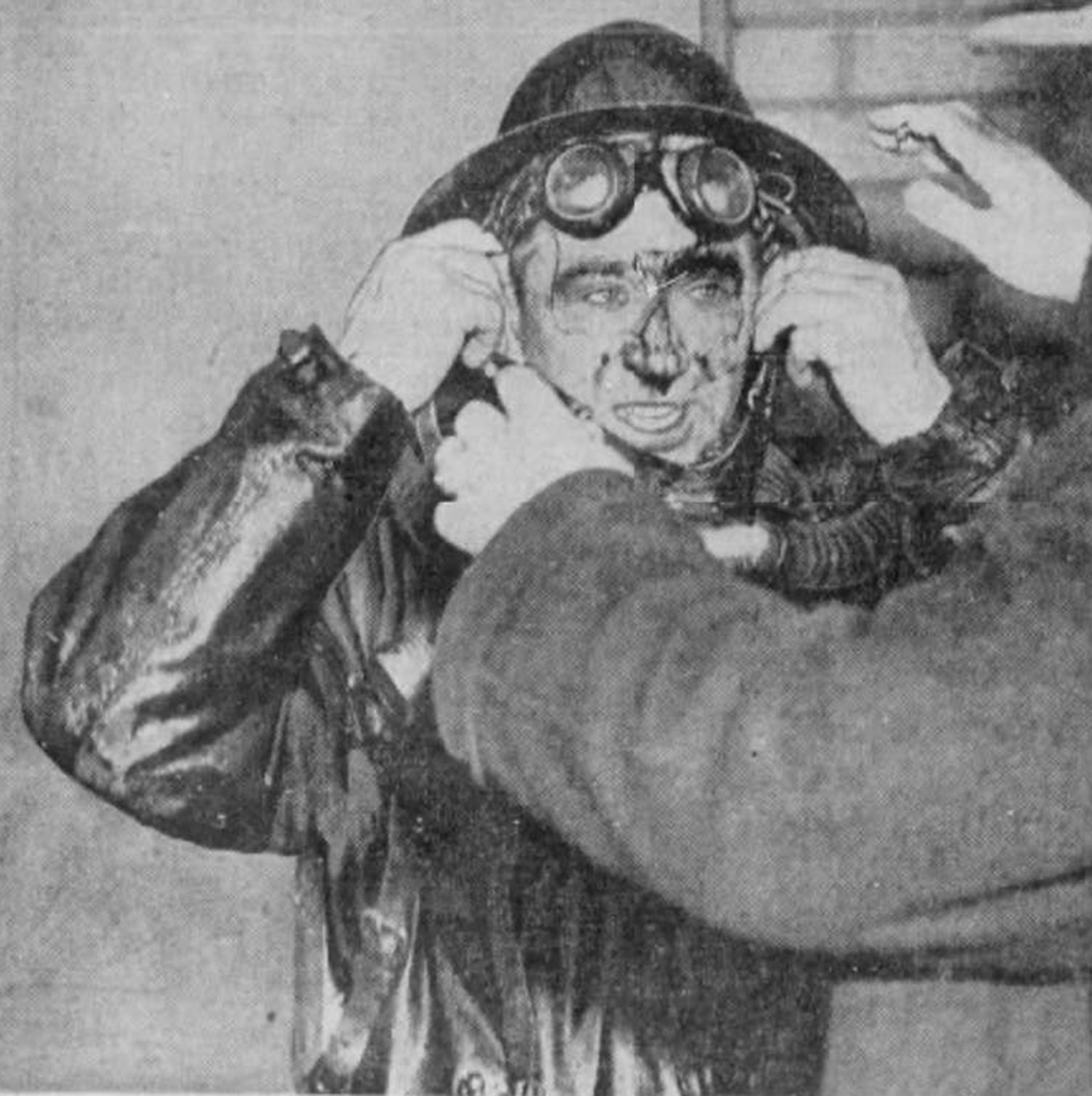
Photo of Hudson at a previous incident.