Five Firefighters Killed in Fire Collapse of Timber Truss Roof of Bowling Alley – Cardinal Lanes – Cliffside Park, New Jersey – October 15, 1967
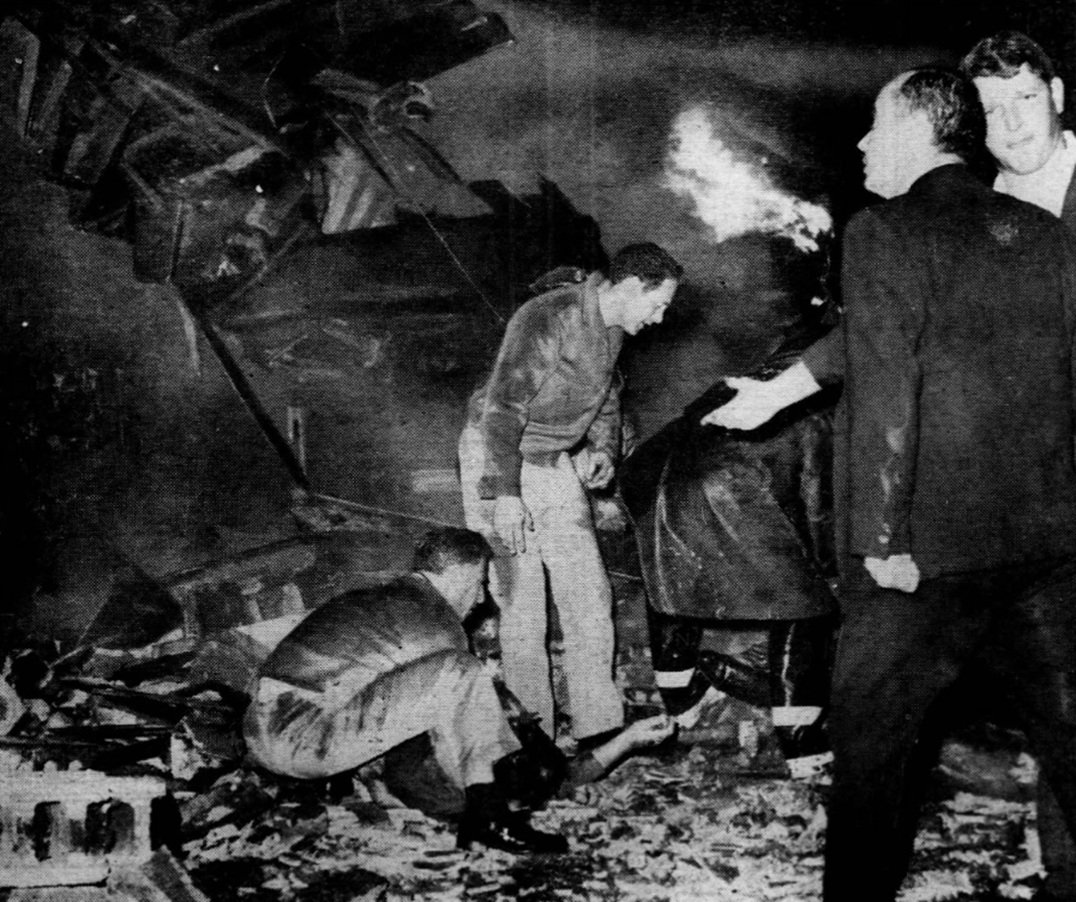
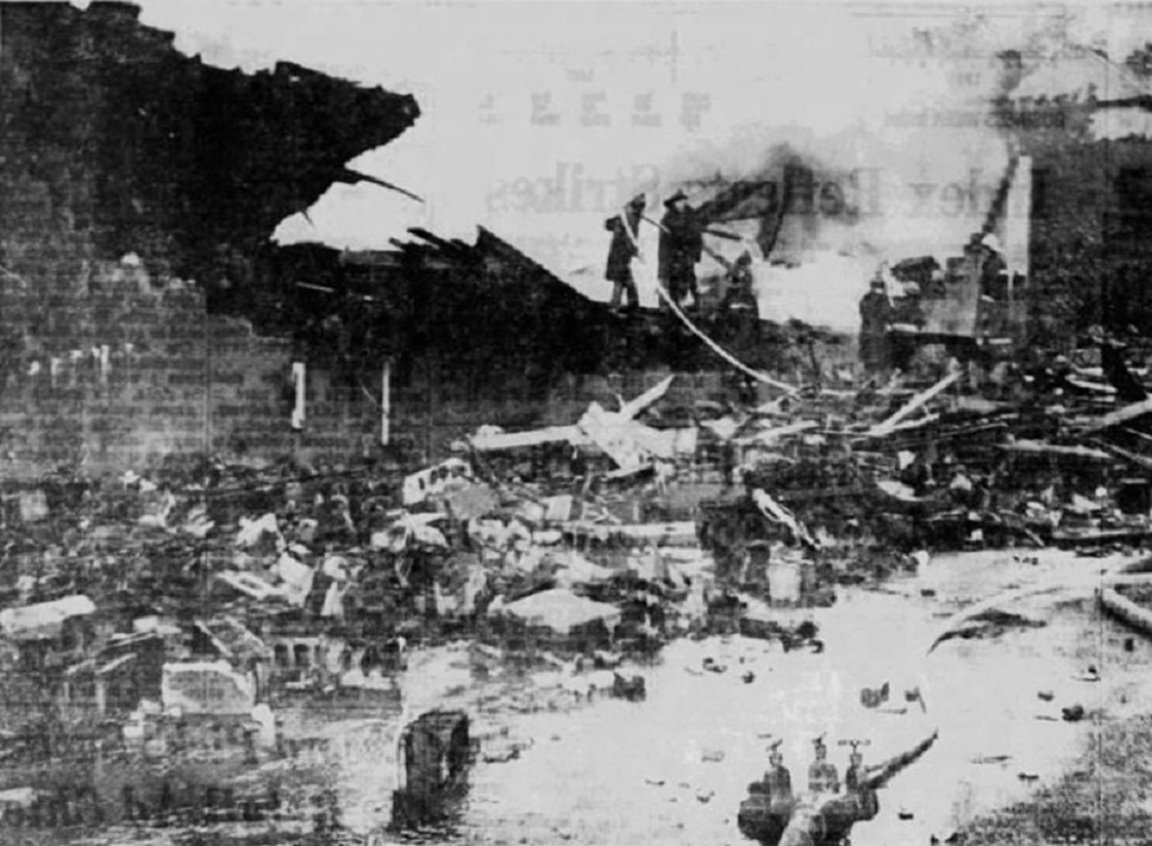
During the early morning hours of October 15, 1967, some 150 firefighters from the East Bergen area of Bergen County, New Jersey responded to a fire in a bowling alley in Cliffside Park, New Jersey. First arriving firefighters found the building to be heavily involved in fire with smoke pushing from all sides of the structure. Additional fire units were requested as the fire continued to grow and threaten adjacent exposures. Among the many companies of area firefighters to respond to the mutual aid call were a crew of firefighters from the neighboring Ridgefield Volunteer Fire Department. As the crew of Ridgefield members worked a hoseline in a narrow alley on Side Delta of the burning structure, an explosion rocked the building causing the timber truss roof to collapse. As the roof failed, it toppled a cinder block sidewall that fatally crushed five firefighters and injured ten other firefighters and one civilian. Fire investigators later labeled the fire as arson which totaled about $80,000 in losses. No one, however, was ever charged with the crime.
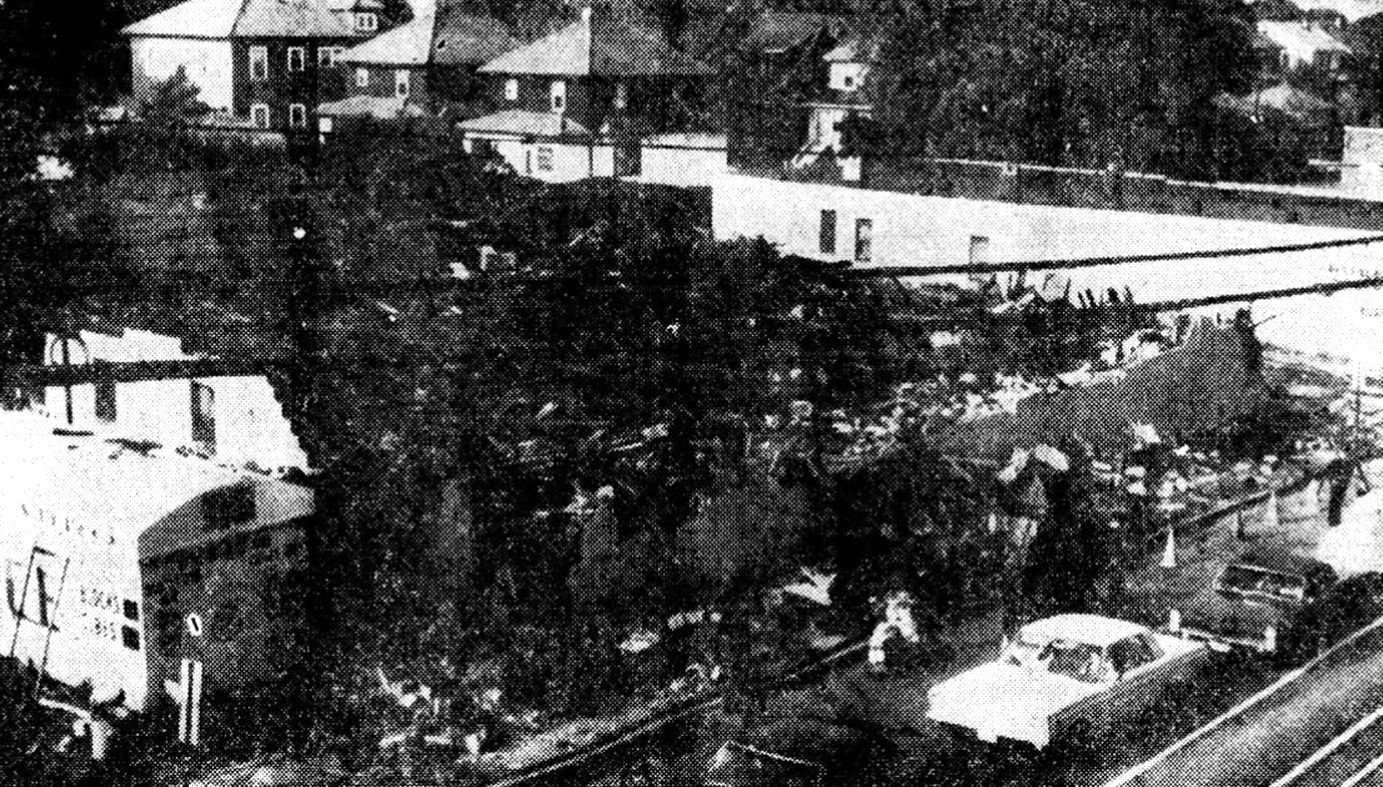
The one-story Cardinal Lanes 18-lane bowling alley located at 515 Anderson Avenue measured 150-feet-wide by 80-feet-deep with 20-foot-high cinderblock perimeter walls. A one-story mercantile occupancy separated by an alley was on Side Delta. Side Bravo was a large open parking area. Side Charlie was a driveway that separated the fire building from a row of detached garages in the rear of a neighborhood of private homes on Dewey Avenue. Like many bowling alleys built in the mid-1900s, the building featured a heavy timber truss assembly to support the arched roof. Such roof assemblies are notorious for catastrophically failing during fires often resulting in pushing out the masonry sidewalls. They are typically found in occupancies that require large open spans without interior columns such as bowling alleys, supermarkets, auto garages and dealerships, gymnasiums, and theaters. The building was not equipped with a fire alarm system or an automatic fire sprinkler system. A fire hydrant fed by a six-inch water main was available one half block south of the fire building at Edgewater Road.
Cliffside Park is a borough in Bergen County, New Jersey. The community is located in the eastern portion of the county directly across the Hudson River from the City of New York. As of the 2020 U.S. census, the population of the almost one square mile borough was 25,693 residents. The borough is located atop the Hudson Palisades with Anderson Avenue and Palisade Avenue, the town’s major north–south thoroughfares, offering views of the New York City skyline. Conveniently located between the George Washington Bridge and the Lincoln Tunnel, it is home to many New York City business people who find the location an easy commute into the city.
Established in 1895, the borough is protected by the Cliffside Park Volunteer Fire Department which is made up of three companies consisting of 60 volunteer firefighters and fire officers on the active roster. The department provides response to fires and rescues from one station deploying three engines, one engine with a 61-foot Skyboom, one 100-foot tillered aerial ladder, one 102-foot ladder tower, and one mini pumper.
Before the sun was to rise at dawn on Sunday, October 15, 1967, in this town just across the Hudson River from New York City, five firefighters from the Ridgefield Volunteer Fire Department would lose their lives following the collapse of a wall in an alley where they were operating a hoseline during a bowling alley fire.
At about 4:15 a.m., a police officer patrolling the area noticed smoke coming from the Cardinal Lanes bowling alley at 515 Anderson Avenue near Edgewater Avenue. Volunteer members of the Cliffside Park Fire Department were summoned to respond to the report of a fire in the building. First arriving firefighters found the building heavily involved in fire with smoke pouring from all sides of the building. Multiple East Bergen mutual aid fire companies including Ridgefield Engine 2 were summoned to assist the local firefighters. More than 150 firefighters from the eastern area of Bergen County including Cliffside Park, Ridgefield, Fairview, Edgewater, Fort Lee, Palisades Park, Englewood Cliffs, and Leonia responded to the scene.
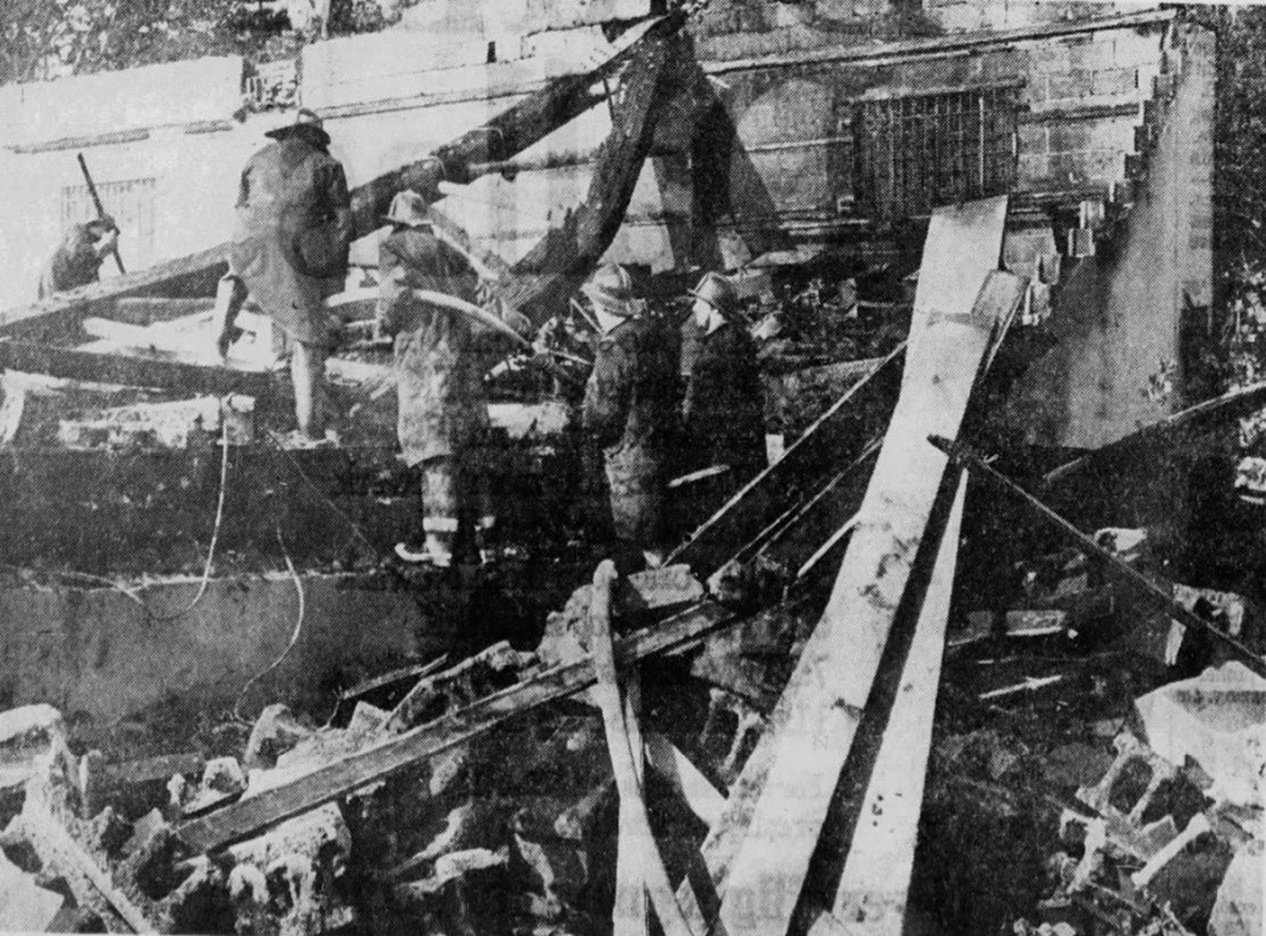
Upon arrival, the Ridgefield engine crew stretched two hoselines to the rear of the bowling alley in a narrow alley next to a commercial building on Side Delta. They were operating their hoselines into a side door into the bowling alley. At about 4:40 a.m. as fire began to consume the entire structure, there was a sudden roar of falling masonry as an explosion rocked the building collapsing the timber truss roof. The Ridgefield crew of five volunteer firefighters were crushed in the alley under a crumbling cinder block wall that was pushed out by the collapsing truss roof. They had only been on the scene for 15 minutes. Suddenly, five wives and eleven children didn’t have husbands and fathers.
Joseph Licata, a volunteer firefighter from Palisades Park who was at the scene said, “The trapped firemen were just about to enter the building. Then, all of a sudden, the whole place just went ‘whoosh’ and the flames traveled right down the building from front to back, blowing out the roof and a side wall.”
Cliffside Park Fire Chief John Nagel said he and his men had been concerned about the special hazards at the Cardinal Lanes building, but that nothing suggested it had burned to the danger point as firefighters started to arrive at the scene that morning. “It was a depression era building with practically no steel in it’” Chief Nagel explained. “The roof was laminated wood, curved by the pressure of wooden beams. When the beams burned through the roof flexed and collapsed the north wall.” Tons of bricks and wooden beams came crashing down on the men in the alley on the north (Side Delta) side of the building, killing five firefighters. Nagel was struck in the back by a flying cinder block but remained at the scene for more than 12 hours although in considerable pain.
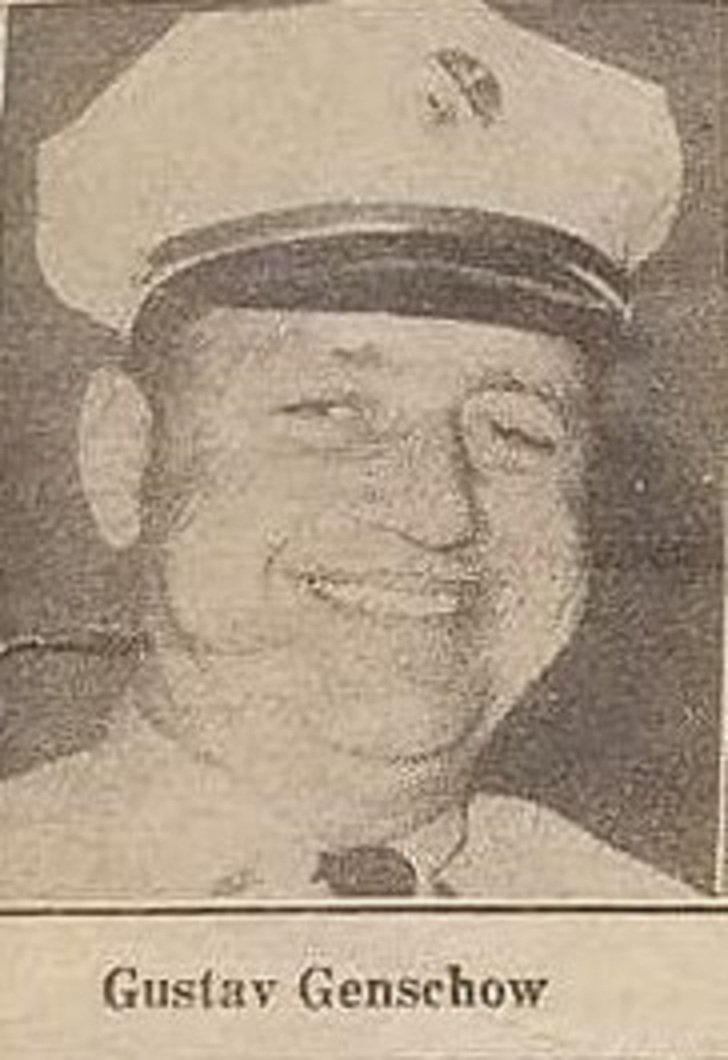
“When we arrived, right after the alarm, we could see flames in the front entrance, but little smoke,” said Nagel. His men were stringing hoselines and attacking the blaze from the front when the fire company from Ridgefield under the command of Chief Gustav Genschow arrived on scene. “You have fire in the back, too,” Genschow shouted to Nagel, who motioned the Ridgefield firefighters to take the rear of the building. At this point, firefighters began stringing floodlights up the alley so the rear of the bowling alley could be seen. Nagel and Fireman John Palko began to force a metal door about halfway up the Side Delta wall in the alley, as Genschow and several of his men went farther up towards Side Charlie of the building.
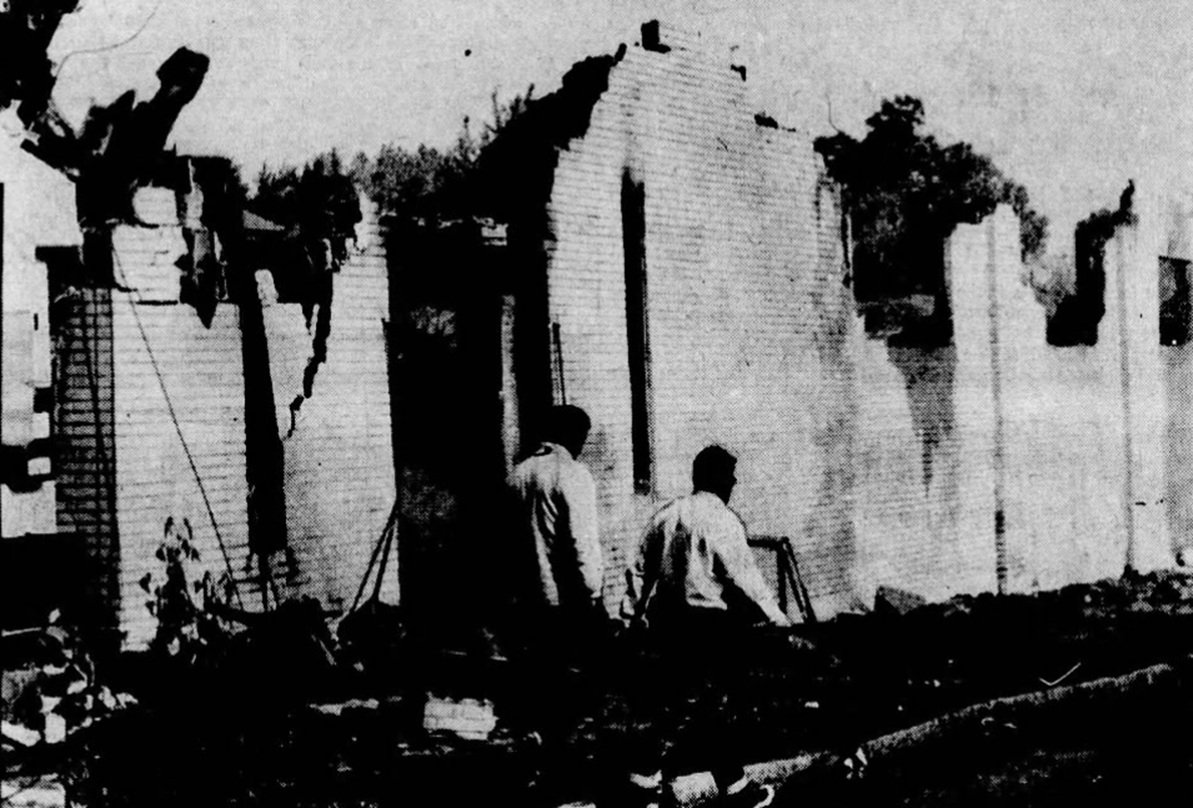
The next few minutes were faithful. Ridgefield Fireman Frank Boback walked back for another floodlight and was saved. Chief Nagel and Palko managed to get the side door open, and the Chief turned to go back to the front of the building as the tension in the curved roof was suddenly released, shattering the block wall like a house of cards. Cinder blocks crashed against the wall of the one-story commercial building on Side Delta across a 25-foot-wide alley. The metal door that Nagel had just opened was tossed as though weightless as most the firemen in the alley were buried in the debris.
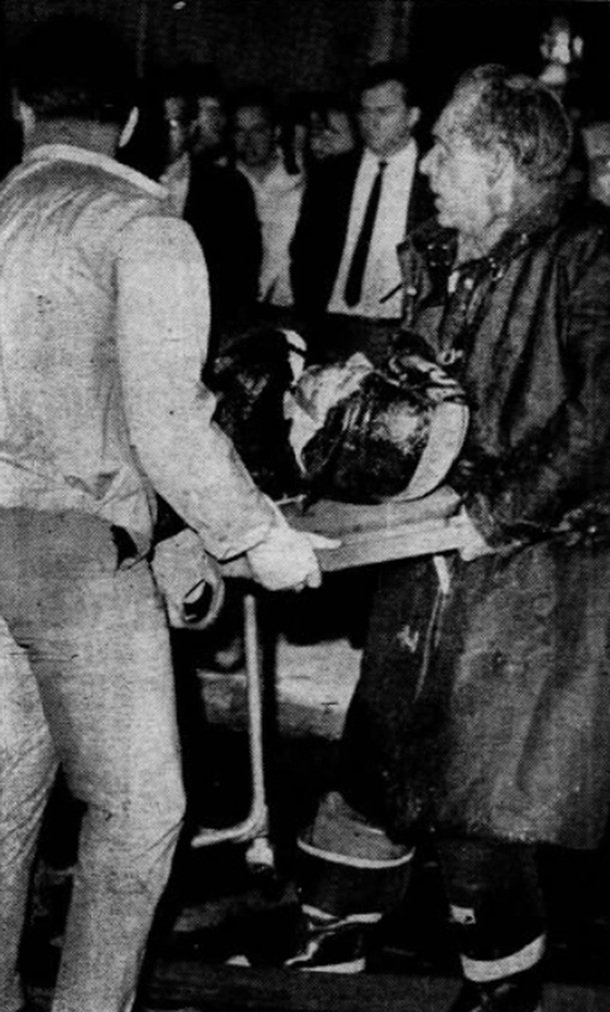
The sole survivor of the hose crew, Ridgefield Firefighter Henry Dengler, age 22, said he was at the end of the hose and farthest from the wall. “We were pumping water through the door to spray the roof from inside. All of a sudden, I saw a big gush of smoke backfire and come out of the building.” He shouted for others to get out. The force of the collapse threw him twenty-five feet against the adjacent building and had his helmet dashed from his head by a flying brick but was unhurt. Dengler and other firefighters on scene rushed to dig out the buried men. Five firefighters were killed instantly, and they were pronounced dead at Englewood Hospital.
Peter Woodcock, a Cliffside Park firefighter, had just gotten off an aerial ladder and was standing on a section of the roof when the building collapsed. “I can’t hold on much longer,” he cried out to Donald O’Hara, also a Cliffside Park firefighter. Woodcock was swaying over the fiery pit, holding on to the hose from the ladder. “Don’t leave me,” he begged O’Hara as he clung to parts of the burning roof that buried the other firefighters. O’Hara managed to get the ladder lowered and climbed to the end of the burning building. He clutched Woodcock’s boots and was able to pull him to safety.
One civilian and twelve firefighters were also injured, two critically when the cinder block wall collapsed as firefighters from eight communities tried to control the fire in the one-story building. The fire was finally brought under control by 7 a.m. and was confined to the bowling alley which was totally destroyed.
The sound of that day is still fresh in the mind of former Ridgefield Fire Chief Bryan Sammartino, who pumped the hoseline for the men shortly before they perished. He could not see the bowling alley from his position at a hydrant a block away but vividly recalls the moment he knew something had gone wrong. “There was a dull roar and then a whoosh,” Sammartino said. “Then the radio went kind of crazy.” A few minutes later, Firefighter Herman Buntemeyer came back to the truck with a strange look on his face. “I said, ‘Herman, what’s wrong?’ and he didn’t say anything at first,” Sammartino said. “I said, ‘Herman!’ and he said, ‘It’s our guys, it’s our guys.’ Four of the volunteer firefighters, Brown, Edwards, Acquafredda and Lauria all belonged to the same fire company as Sammartino, Company 2. Sammartino and Buntemeyer drove back to headquarters in the engine alone that morning, numb.
No one was in the building which had been closed for several hours before the fire was spotted by the passing patrolman. The exact cause of the fire could not immediately be determined due to the extensive damage to the structure. Fire investigators later labeled the fire as arson which totaled about $80,000 in losses. No one, however, was ever charged with the crime.
More than 12,000 mourners descended on Ridgefield for the firefighters’ funerals including 4,000 firefighters from departments from as far away as Massachusetts and Canada. A fire department spokesperson said $8,000 had been pledged to a fund for the survivor families sponsored by the Hudson Dispatch, a Union City newspaper.
The days afterward brought the community closer. The months and years afterward brought the Ridgefield department to Bergen County’s fire academy for a renewed focus on training, Sammartino said. The memory of the five fallen men will live on, he said. “It’s important to honor them, and it’s important to remind us that this is a dangerous job,” Sammartino said. “Fires are unpredictable.”
Members of the Ridgefield Volunteer Fire Department killed in line of duty during the fire and collapse at the Cardinal Lanes bowling alley in Cliffside Park, New Jersey on October 15, 1967:
- Fire Chief Gustave A. Genschow, age 43, was a 27-year member of the Ridgefield Volunteer Fire Department. Genschow was a local tavern owner. He was married and the father of three children. He was buried at Holy Cross Cemetery in North Arlington, New Jersey.
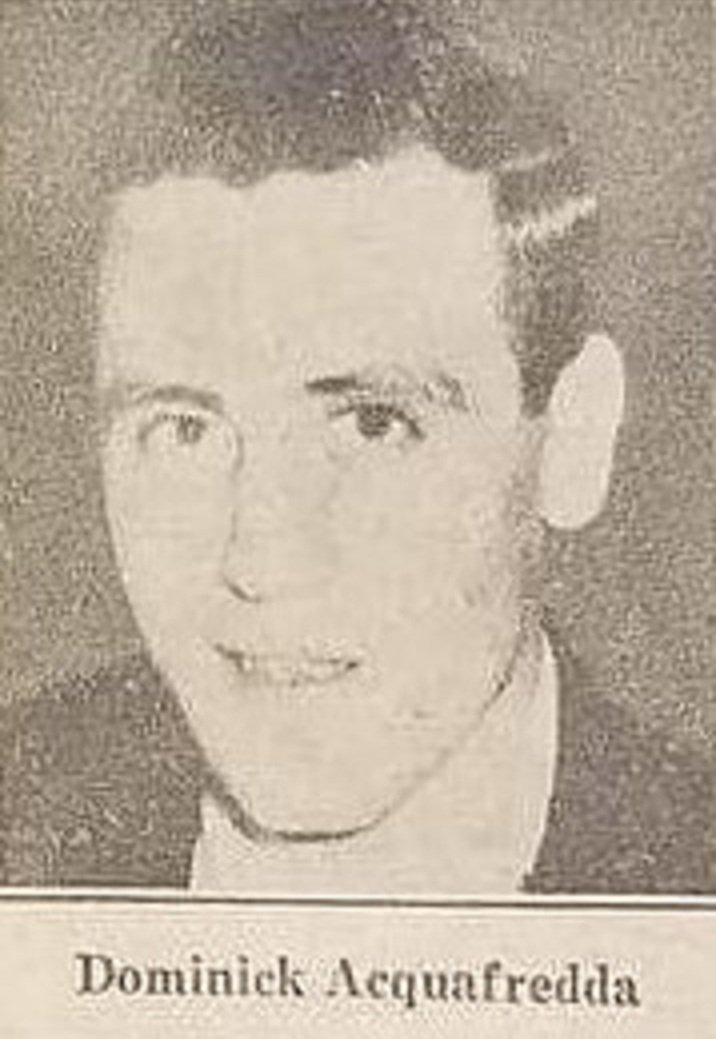
- Firefighter Dominick Acquafredda, age 31, was a three-year member of the Ridgefield Volunteer Fire Department. Acquafredda was an employee of Lever Brothers in Edgewater and a veteran of the U.S. Navy. He was married and the father of three children.
- Firefighter Harry Brown, age 26, was a five-year member of the Ridgefield Volunteer Fire Department. Brown was an employee of the New York Daily News. He was married and the father of a seven-month-old son.
- Firefighter James Edwards III, age 35, was a two-year member of the Ridgefield Volunteer Fire Department. Edwards was a manager of a trading stamp store and veteran of the Korean conflict. He was married and the father of three children.
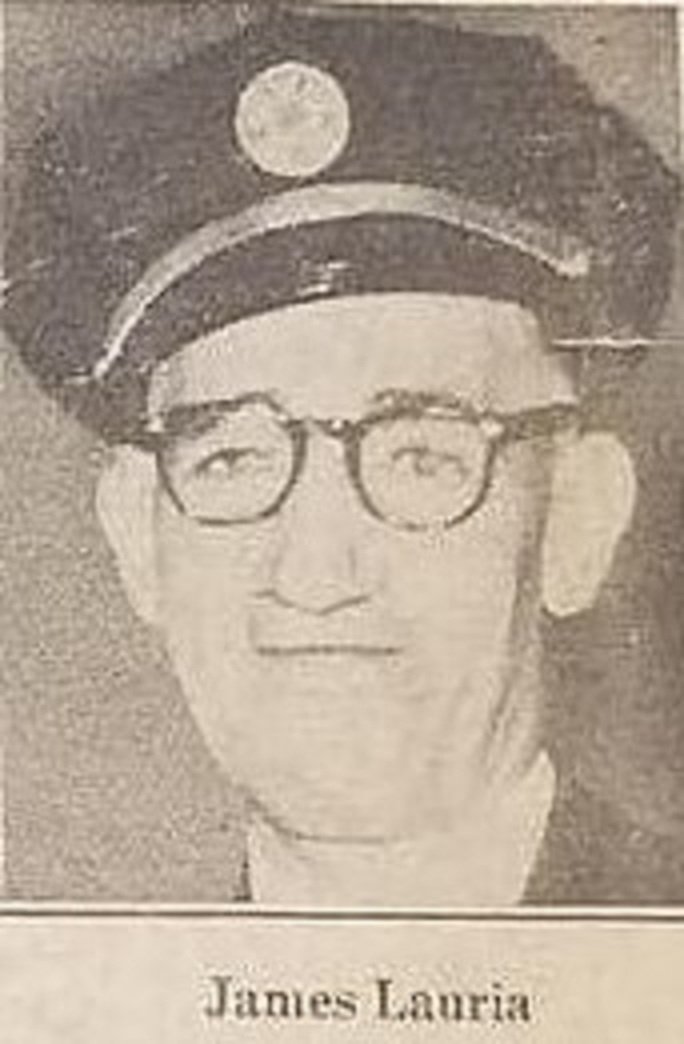
- Firefighter James Lauria, age 60, was the Borough of Ridgefield’s building inspector and a former chief of the Ridgefield Volunteer Fire Department. Lauria was a supervisor for a construction company in Union City. He was married and the father of one daughter and grandfather of two grandchildren.
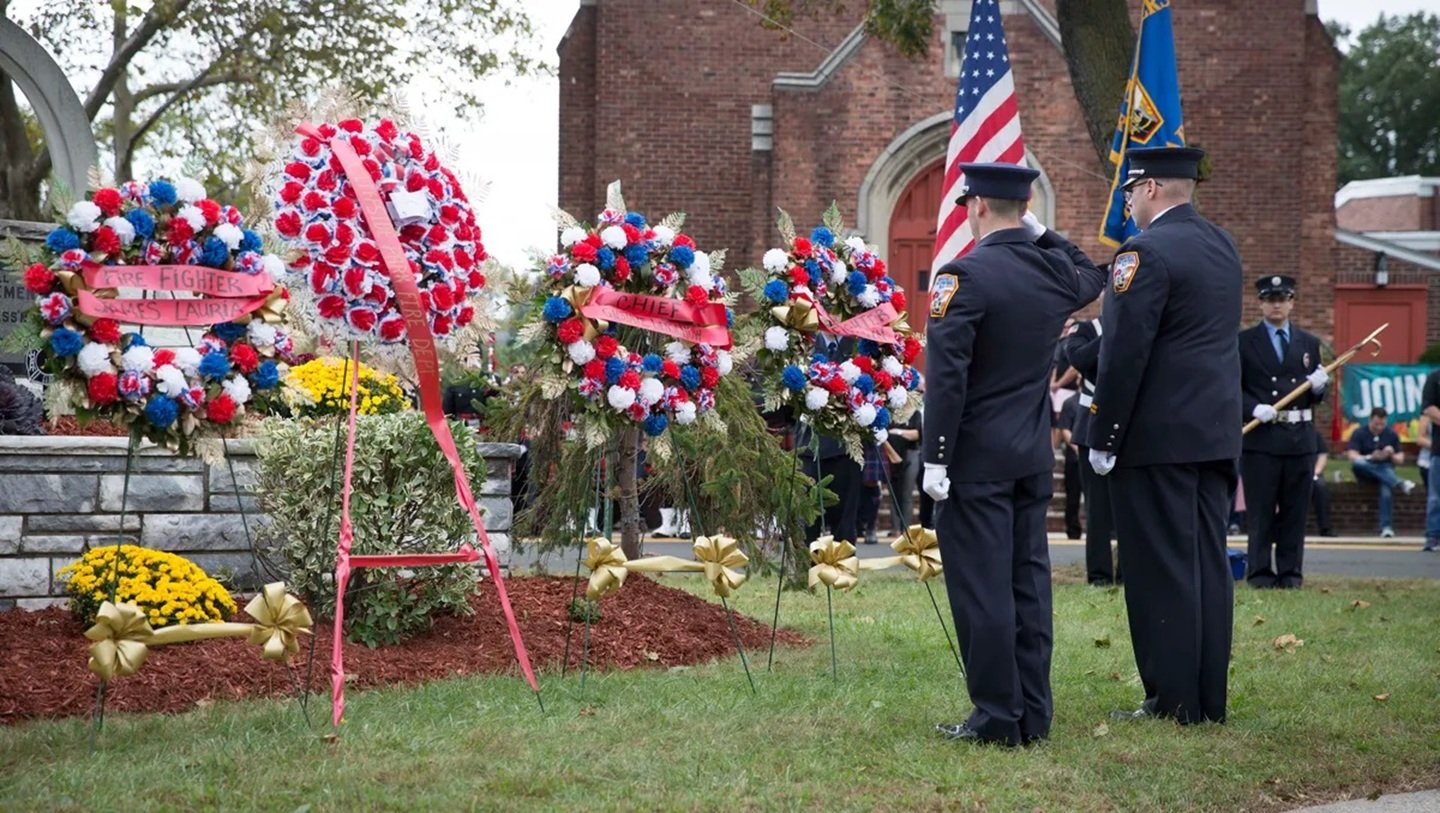
A granite monument stands outside the Company 2 firehouse on Bergen Boulevard in Ridgefield from which four of the firefighters left and never returned. For more than a five decades, the Cliffside Park Fire Department has placed a wreath at the memorial on the anniversary of the tragedy. The Little League field in Veterans Memorial Park in Ridgefield is called Five Firemen’s Field.
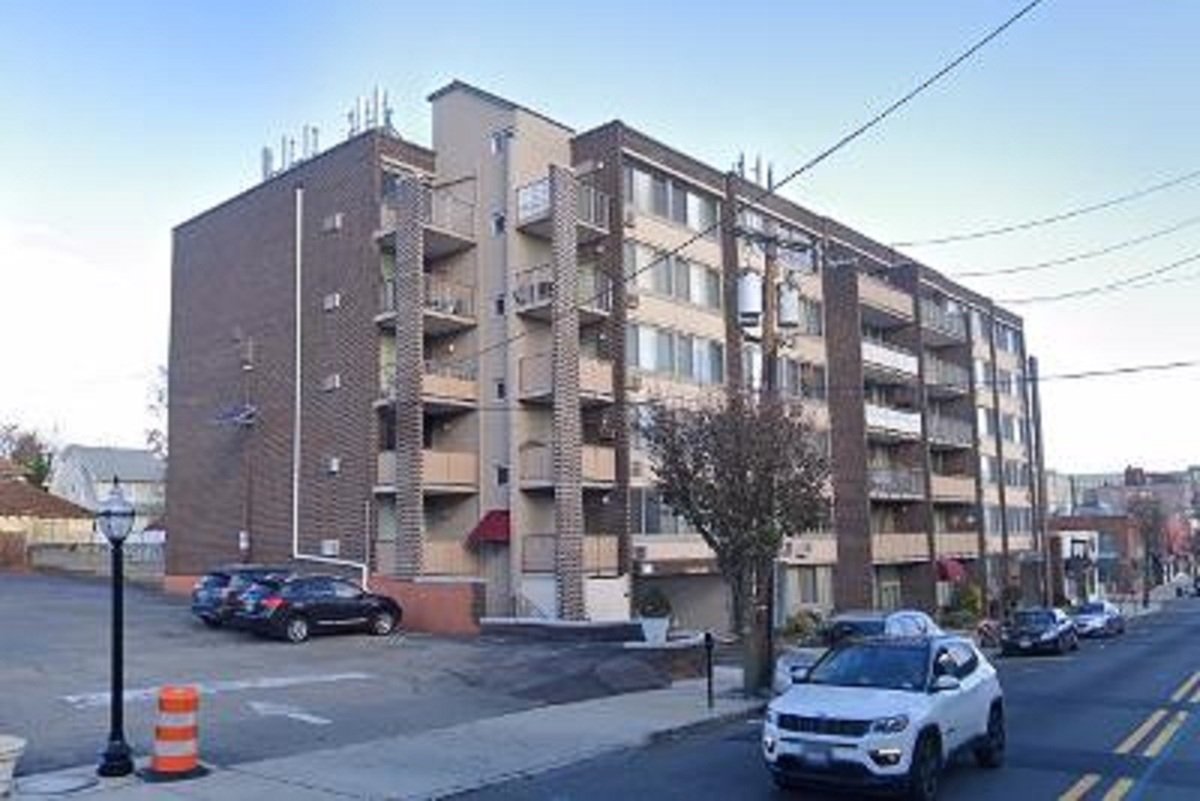
The site of the fire is now occupied by a six-story mixed-use residential over commercial apartment building. There is no memorial marker at the site.
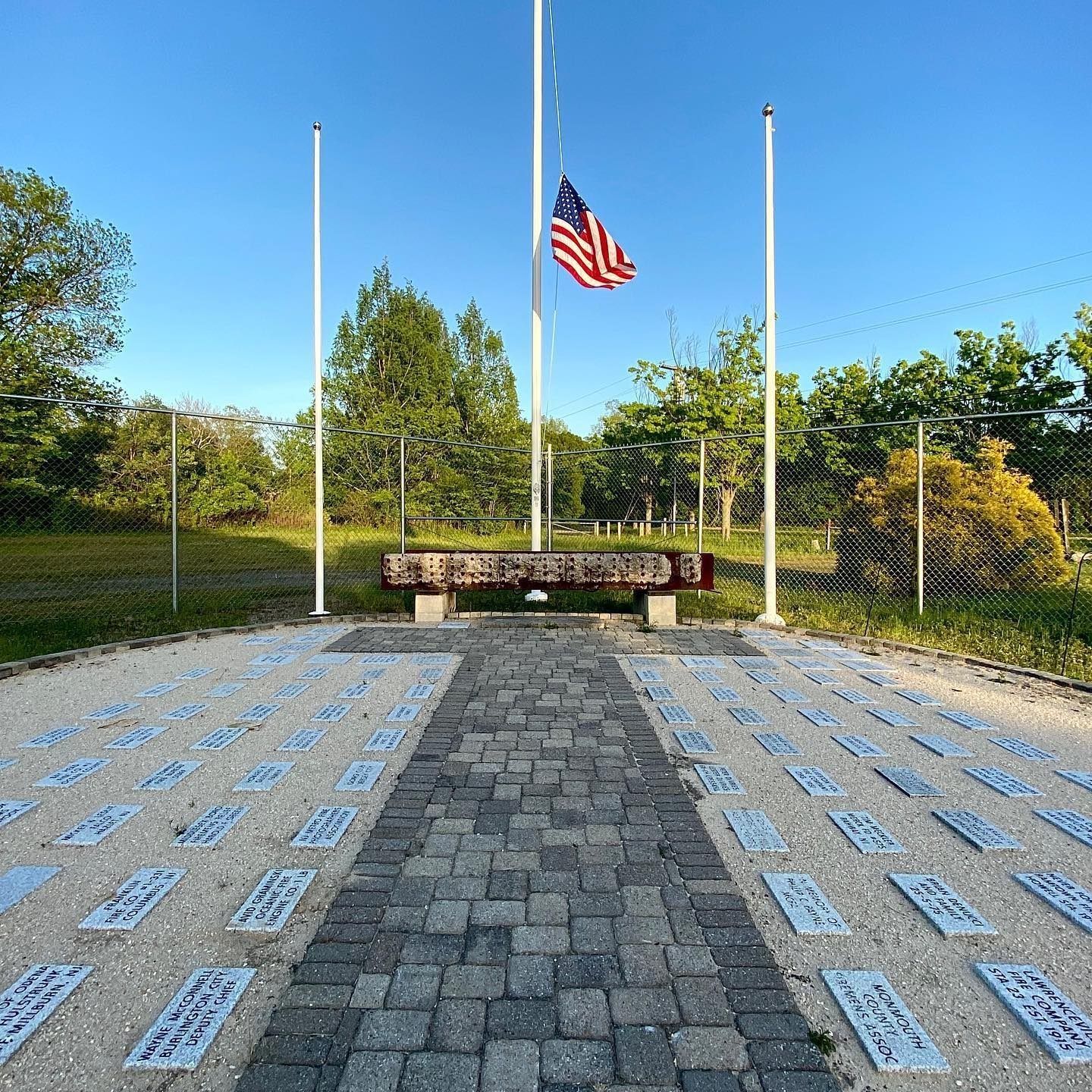
The names of the five fallen members from the Cliffside Park Fire Department have been honored at the New Jersey Fallen Firefighters Memorial on the grounds of the New Jersey Fire Museum on Polhemustown Road in Allentown, New Jersey.
Commentary:
Advanced fires in Type III Ordinary Construction buildings with long span timber truss roofs and masonry perimeter walls have a tragic history in the American Fire Service. The fire in Cliffside Park in 1967 is but one of several fire collapses of timber truss roof buildings during the 20th century. Between 1930 and 1960, in many areas of the country, wood arched and triangular roof trusses were a common solution for occupancies that required large open floor spaces. They were sold and marketed via catalogs and manufactured by approved fabricators. Due to the lack of a mandatory national system for reporting and issuing advisories about structural failures resulting in firefighter fatalities and injuries, we lack a clear count of how many timber truss roof collapses have occurred. We also do not have a clear picture of the number of near-miss timber truss roof collapse incidents that may have also occurred. Although NIOSH does a good job of investigating firefighter fatalities and serious injuries, the safety investigation and review process is voluntary in many states and jurisdictions, and we fear that some fatal and many near-miss incidents go unreported.
Besides the Cliffside Park incident, some additional timber truss roof failures that have resulted in firefighter fatalities and injuries that we are aware of include:
- One firefighter killed in the collapse of an arched timber truss roof during a warehouse fire in Oakland, California on July 17, 1947: https://www.facebook.com/groups/192218352449074/permalink/1587186446285584/
- Three firefighters killed in the collapse of a heavy timber truss roof during an auto dealership fire in Chicago, Illinois on March 27, 1958: https://www.facebook.com/groups/192218352449074/permalink/1489524596051770/
- Two firefighters were killed in the collapse of an arched timber truss roof during an auto dealership fire in Highland Park, New Jersey on May 26, 1958: https://www.facebook.com/groups/192218352449074/permalink/1539810091023220/
- One firefighter was killed and an assistant fire chief severely injured in a timber truss roof and wall collapse during a six alarm auto dealership fire in Little Rock, Arkansas on September 28, 1963: https://www.facebook.com/groups/192218352449074/permalink/1655093502828211/
- One firefighter killed in the collapse of a timber truss roof during a fire in an auto dealership fire in Eugene, Oregon on October 11, 1966: https://www.facebook.com/groups/192218352449074/permalink/1666961761641385/
- One firefighter fatally injured in the collapse of a timber truss roof during a five-alarm bowling alley fire in Chicago, Illinois on December 7, 1968: https://www.facebook.com/groups/192218352449074/permalink/1396619778675586/
- Three firefighters killed in bowstring truss roof collapse during restaurant fire in Chicago, Illinois on January 6, 1973: https://www.facebook.com/groups/192218352449074/permalink/1420511149619782/
- One firefighter was killed and two others injured when a timber truss roof and wall collapsed during a fire in auto dealership in Chicago on August 15, 1975: https://www.facebook.com/groups/192218352449074/permalink/1613695283634700/
- One firefighter killed by collapse of timber truss roof during bowling alley fire in Lockport, Illinois on November 28, 1976: https://www.facebook.com/groups/192218352449074/permalink/1388217326182498/
- Six FDNY firefighters were killed in a supermarket fire when the arched timber truss roof failed plunging twelve firefighters into the burning interior of the store in Brooklyn on August 2, 1978: https://www.facebook.com/groups/192218352449074/permalink/1601602691510626/
- Two firefighters killed in collapse of triangular timber truss roof during synagogue fire in Valley Stream, Long Island, New York on November 22, 1979: https://www.facebook.com/groups/192218352449074/permalink/1382739680063596/
- A Summit, New Jersey firefighter was trapped, and eight others injured in a fire in an automobile dealership when a portion of the arched timber truss roof collapsed while firefighters were operating in the building on March 22, 1980: https://www.facebook.com/groups/192218352449074/permalink/1483491236655106/
- Five Hackensack, New Jersey firefighters were killed when a burning arched timber truss roof collapsed during a fire in an automobile dealership service garage on July 1, 1988: https://www.facebook.com/groups/192218352449074/permalink/1572730737731155/
- One fire officer killed in the collapse of a timber truss roof during a commercial building fire in Los Angeles, California on March 8, 1998: https://www.facebook.com/groups/192218352449074/permalink/1473004301037133/
- One firefighter killed when parapet wall falls after the timber truss roof collapsed during a fire in a paper warehouse in Lyndonville, Vermont on September 5, 1998: https://www.facebook.com/groups/192218352449074/permalink/1633757028295192/
- A San Francisco firefighter/paramedic was seriously injured while operating at the scene of a fire in a commercial structure when an exterior overhang of a timber truss roof system collapsed and struck him on May 21, 2009: https://www.facebook.com/groups/192218352449074/permalink/1536142434723319/
- Two Chicago firefighters were killed, and 19 firefighters injured in the fire collapse of an arched timber truss roof in an abandoned former commercial laundry building on December 22, 2010: https://www.facebook.com/groups/192218352449074/permalink/1409369970733900/
- One Colby fire officer was killed, and several other firefighters injured when an arched timber truss roof collapsed on top of firefighters operating in the interior of a theater during a fire in Abbotsford, Wisconsin on March 4, 2012: https://www.facebook.com/groups/192218352449074/permalink/1468249294845967/
We have attached photos of the Cliffside Park incident. We have also attached a link to a short video by group member Vincent Dunn on the dangers of truss construction: https://youtu.be/YTNi13XqXzA
We have also attached the link to short video of the catastrophic fire collapse of a commercial building with a truss roof: https://www.facebook.com/watch/?v=3551972748269517
And we have included the link to a BCFS Question of the Week article on long span timber truss supported roofs: https://www.facebook.com/groups/192218352449074/permalink/1540727084264854/
Thanks to multiple media sources for the content of this article.
Honor the service of Chief Gustave A. Genschow and Firemen Dominick Acquafredda, Harry Brown, James Edwards III and James Lauria by identifying and conducting pre-incident planning of occupancies within your local that are equipped with timber and steel truss roofs with your crew members today.
Remember Fallen Brothers.
Get Out There And Know Your Local!!!
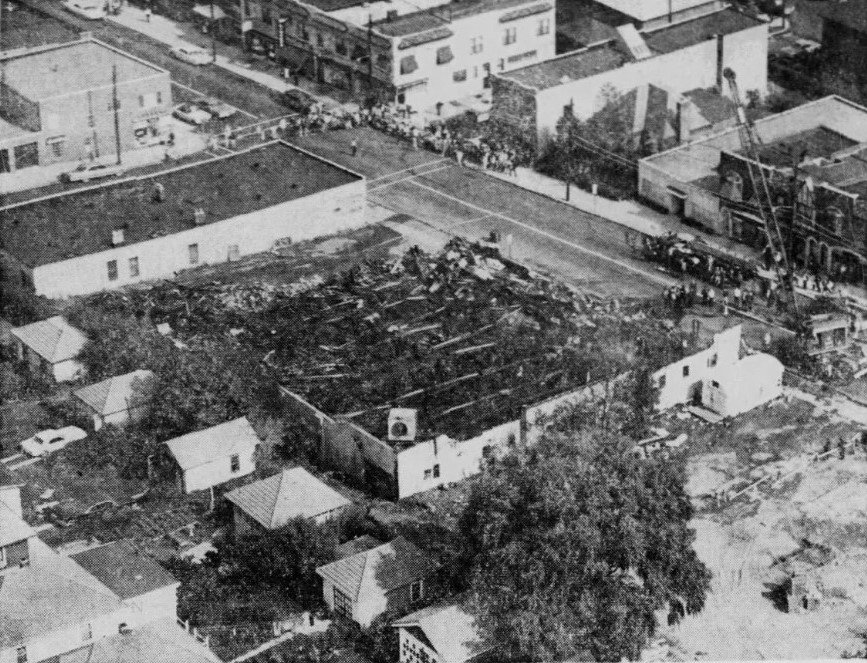
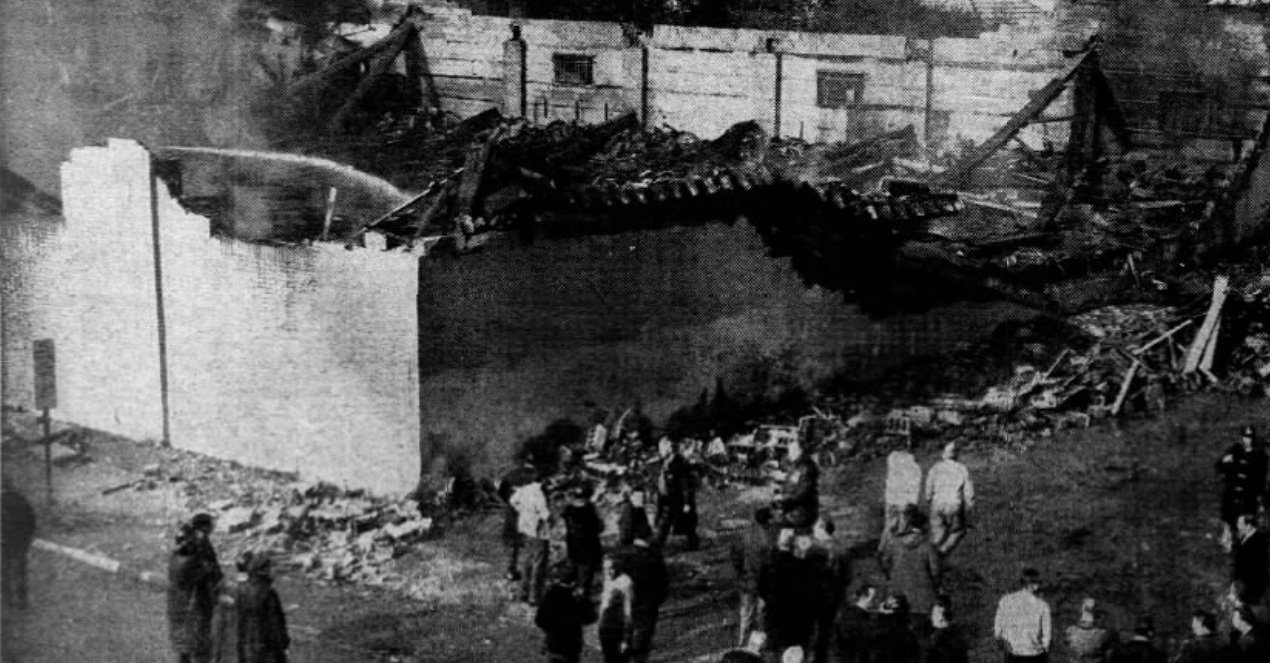
Aerial view of the collapsed bowling alley. Note the remains of the timber truss roof sections in the debris.
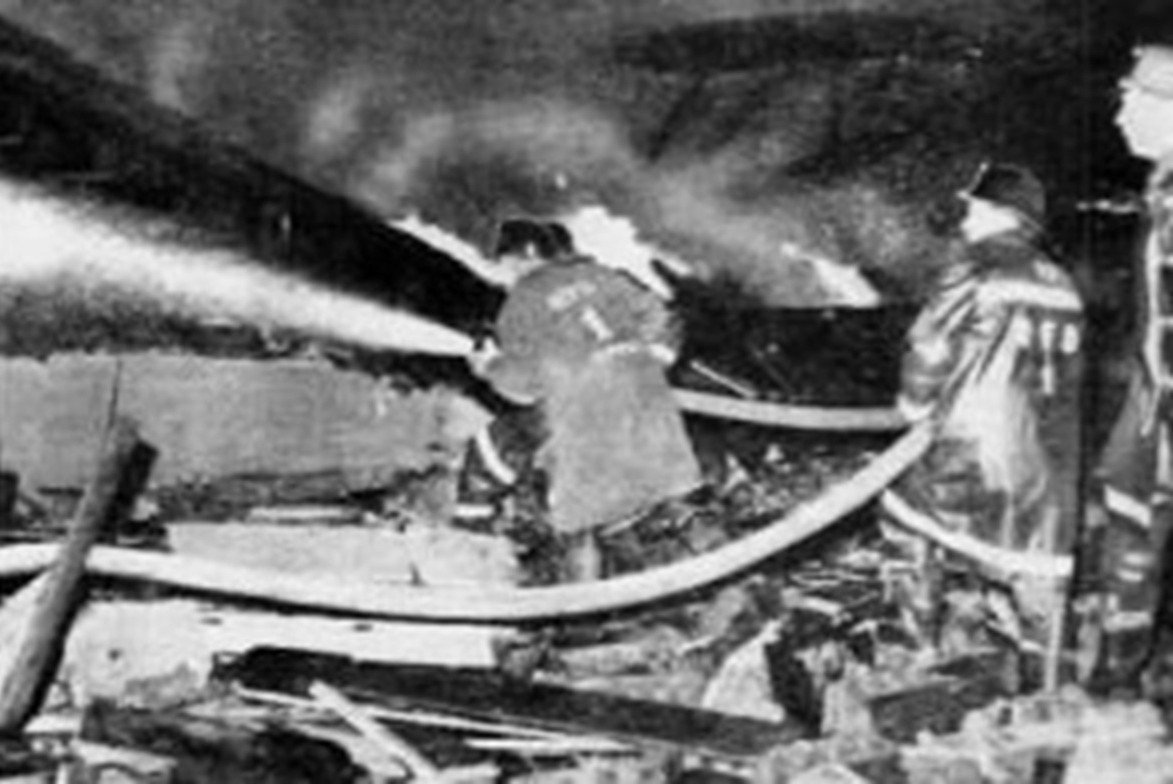
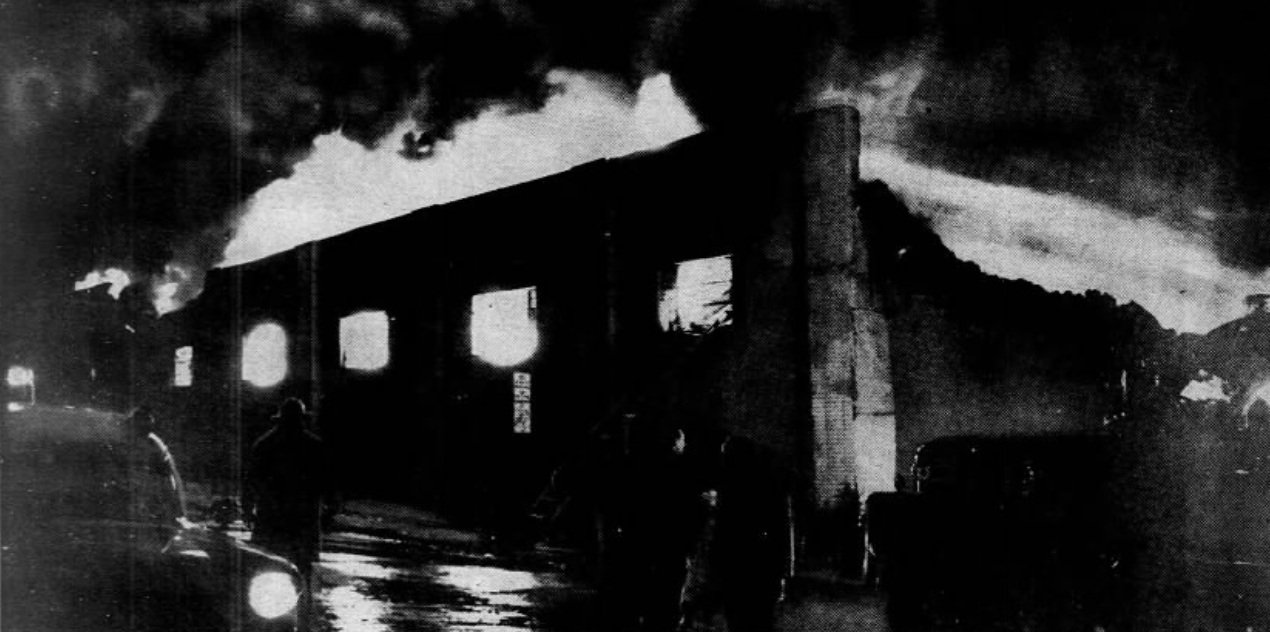
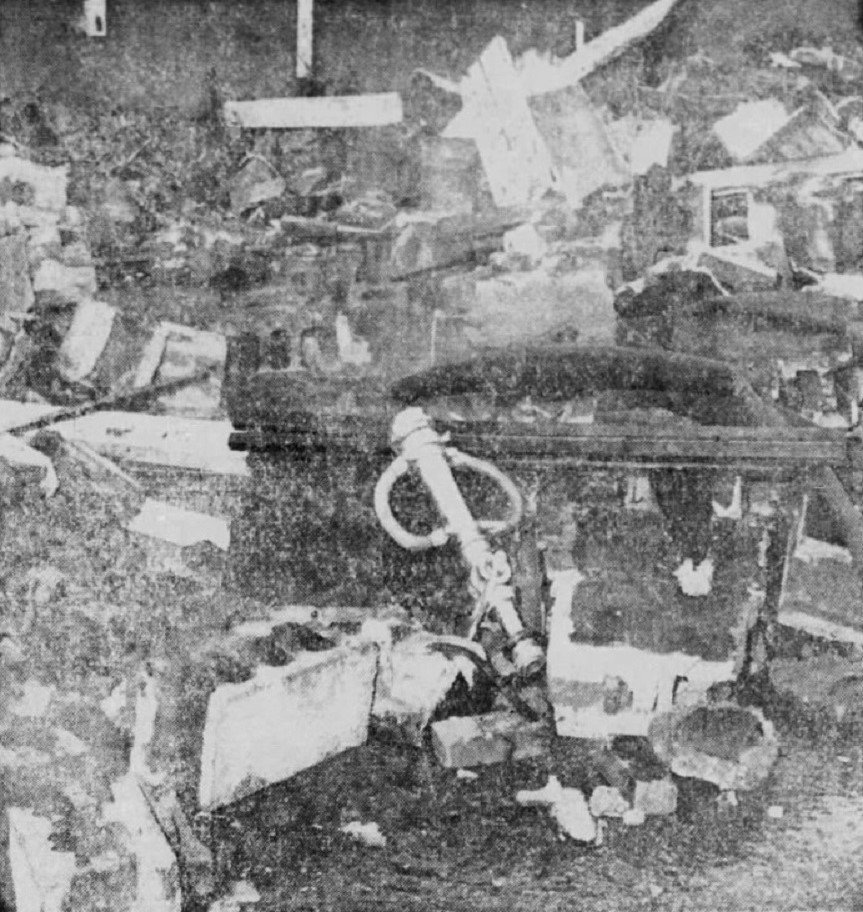
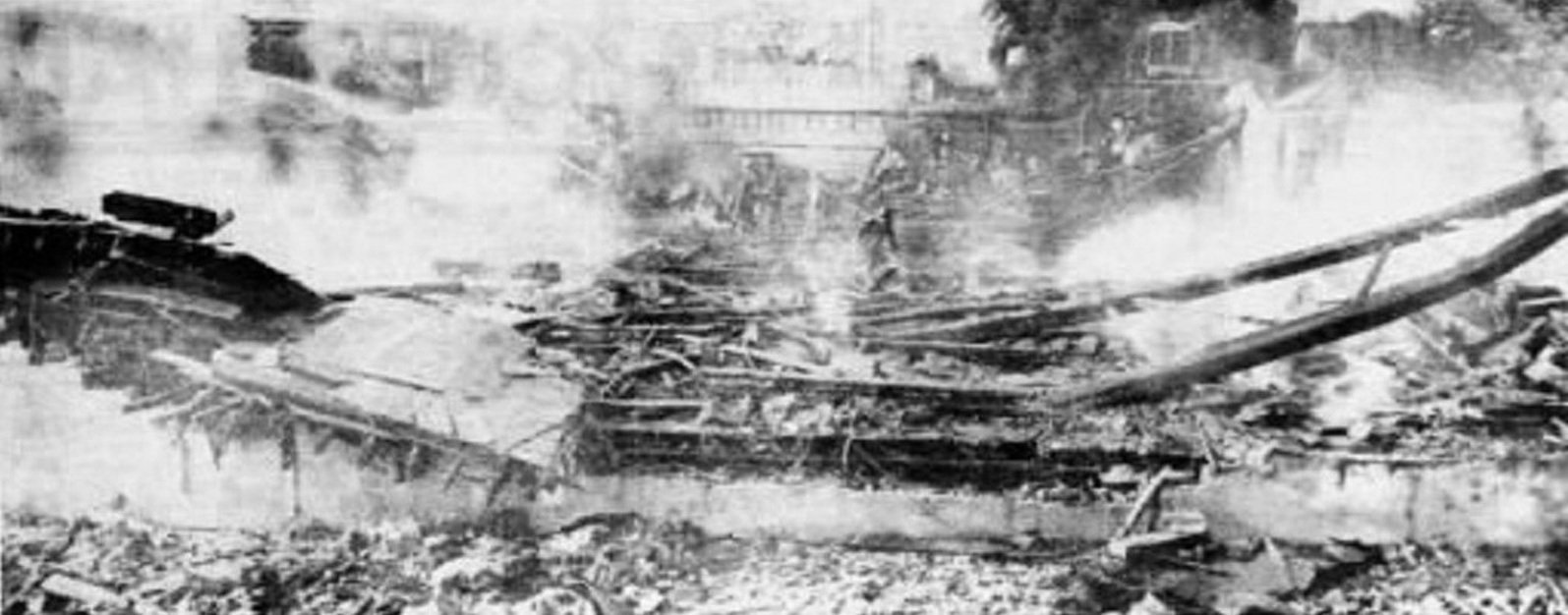
Photo of the collapse debris on Side Delta. Note the playpipe in the rubble that the firefighters were operating when the collapse occurred.