Firefighter Killed While Making Interior Fire Attack During Two Alarm Arson Fire in Abandoned Lounge – Astro Shanta Lounge Fire – Memphis, Tennessee – October 15, 1977
On October 15, 1977, Memphis Tennessee Firefighter Martiniano R. Lerma of Squad 1 was killed while operating at an arson fire involving an abandoned cocktail lounge. The members of Squad 1 including Firefighter Lerma had stretched a hoseline to the front entrance of the building and were making an interior fire attack on the blaze when they were forced to withdraw when there was a sudden building up of heat and smoke. Firefighter Lerma became disoriented and separated from his crew during the retreat. Lerma was trapped inside the building by a flashover. He was found a short time later after firefighters breached a concrete block wall and removed the injured firefighter from the building, however, Lerma had already succumbed to smoke inhalation and massive burns to his entire body. The fire was thought to be arson as a man was seen running from the building when the fire was first spotted by a passing police patrol, however no one was ever charged with the crime. Firefighter Martiniano R. Lerma was the 36th member of the Memphis Fire Department to die in the line of duty.
The structure involved in the incident was an abandoned one-story mixed construction concrete block and wood frame former cocktail lounge and restaurant that had previously been occupied by the Astro Shanta Lounge. The building was also previously known as Gilley’s Cafe. Located at 1027 South Third Street midblock between Walker Avenue and East Elm Street in a commercial area in South Memphis, the building was irregular in shape and measured about 40 feet wide and 75 feet deep. Side Alpha faced 72-foot-wide South Third Street. A two-story wood frame dwelling was nearby on Side Bravo. On Side Charlie were two small one-story wood frame structures and a narrow 12-foot-wide alley that accessed the rear of all the structures on the west side of the block. A small two-story brick and wood joist strip store building was located a distance away on Side Delta at the corner of Walker Avenue. The structure had been unoccupied and boarded up for some time. The building did not have a fire alarm system or an automatic fire sprinkler system. Fire hydrants fed by a 12-inch water main were located at the intersections at each end of the block.
The City of Memphis is the seat of Shelby County located in the southwest part of the State of Tennessee. Situated along the Mississippi River across from the state of Arkansas, the city had a population of 633,104 at the 2020 U.S. census. Memphis is the second-most populous city in Tennessee, after Nashville. The city is well known for its cultural contributions to the identity of the American South. Many renowned musicians grew up in and around Memphis and moved to Chicago and other areas from the Mississippi Delta, carrying their music with them to influence other cities and listeners over radio airwaves.
At the time of the incident, the city had a population of about 630,000 and was protected by the Memphis Fire Department. Today the ISO Class 1 department covers the 324 square mile city from 58 fire stations with over 1700 career personnel divided into 2 divisions staffing 12 battalions, 58 engines, 36 ambulances, 21 ladder trucks, 4 quints, 8 squads, 3 rescues, 3 ARFF airport crash units, 6 wildland engines, 1 fireboat, and 4 rescue boats. In 2025, the department responded to 159,275 calls for service.
Weather conditions at the time of the incident included an air temperature of 58 degrees F and a relative humidity of 58% with south-southwest winds at 7 mph under fair skies (Weather Underground). Note: The weather conditions did not appear to have been a significant factor in the outcome of the incident.
Shortly after midnight on Saturday, October 15, 1977, two police officers on routine patrol noticed a man running from behind the abandoned Astro Shanta Lounge located at 1027 South Third Street in a commercial area about two miles south of downtown Memphis. Smoke was then seen pouring from the building. One of the police officers, P.L. Keating, said, “Smoke started coming out the front and there were flames out the back. I went up and looked for a number (address of the building) and got pushed out by the smoke.” The fire was reported to Memphis firefighters at 12:30 a.m.
Multiple Memphis fire units responded including Squad 1 from Station No. 6 at 924 Thomas Street located about four miles north of the fire building. Arriving firefighters found an advanced fire in the building and began to attack the flames from the front of the building. Firefighter Martiniano Lerma along with members of Squad 1 entered the building with a hoseline to attempt to contain the blaze, but a sudden building up of high heat and dense smoke drove the hose crew from the building. Some of the members of Squad 1 were able to scramble out the front entrance but Firefighter Lerma became disoriented in the high heat.
Fire officials later believed that while the other firefighters tumbled out the front entrance, Lerma became disoriented and entered an interior room without an exit. The building soon flashed over and firefighters were unable to reenter the building from the front entrance. They were forced to breach a concrete block wall to reach the trapped firefighter. He was later found unconscious in the building where he died from smoke inhalation and extensive burns to his body. Four other firefighters were injured in the flashover. A second alarm was sounded before the fire was placed under control at 2:13 a.m.
Fire Director Robert Walker said Firefighter Lerma and several other firefighters entered the building and were trying to attack the blaze when “the whole room turned into a ball of fire.” Walker said the men quickly left the lounge, but Lerma apparently became “disoriented and went the wrong way. He went through an opening rather than the door and was trapped there. This is one we all know can happen on any alarm you respond to. I think we have been very fortunate in Memphis not to have more fatalities because it (firefighting) is the most dangerous profession of all.’”
Fire investigator Roger Branham, who was on the scene early at the fire, said hospital reports noted Lerma died of massive burns over much of his body. “There was nobody around him and he just went in the wrong direction. In a situation like that you can’t see what you’re doing. All you can do is feel. I was in the rear of the building and I don’t know exactly when he was first missed. When I got around there (the front of the building) they had located him and it took about one minute to get through the block wall where he was at.”
Neighbor Willie Turner said he was at the scene when the firefighter was trapped. “The fire just blazed out the door. He fell in the flames. They put the fire out on him, but it was too late.” Another witness, James Chatman, said three fire trucks were on the scene early, but “the fire just started getting bigger and bigger. It seemed like nobody could stand a chance going in there. The flames were going too good. They (the firefighters) did a good job, but the flames were all over the top.”
Rufus Fuller, a neighbor, told investigators he saw two persons standing in the doorway of the lounge about 5:15 the previous evening. “One of them said to the other one, ‘We probably can spend the night there tonight,’” said Fuller. He told investigators he did not know the men, but they looked like hoboes. He said he did not see the men when he walked past the building a few minutes later.
Authorities said the building, across from the Gaston Community Center, was boarded up and vacant for some time. Restaurant equipment, however, was still in the lounge and investigators said they were attempting to contact the owners of the property to find out when the lounge was last used. Fire Marshal Richard Johnson said it would take some time to determine the cause of the blaze which he believed started in the rear of the building which was totally gutted by the fire. While the fire was thought to be arson as a man was seen running from the building when the fire was first spotted by a passing police patrol, no one was ever charged with the crime.
Firefighter Martiniano R. Lerma, age 42, was a nine-year member of the Memphis Fire Department assigned to Squad 1. Lerma owned a bakery in San Antonio, Texas before moving to Memphis in 1965. He worked as a baker in a supermarket prior to joining the Fire Department on October 1, 1968. He was a very well-liked member of Squad 1. Captain J.C. Smith said that “Poncho“ as Lerma was called, was one of the nicest guys you could work with and he was a very good cook. Firefighter W.C. Uselton said there was no better guy to work with than “Poncho” Lerma. He was survived by his wife Elena; three daughters, Stella, Sandra, and Anna Marie; and two sons, Robert and Javier; three sisters, Mrs. Juanita Alvarado and Mrs. Gregoria Flores, both of Donna, Texas, and Mrs. Tomasa Salamanca of Washington.
The funeral for Firefighter Martiniano R. Lerma was held on October 17 at St. Anne Catholic Church. A three-mile long procession with 45 fire apparatus escorted by a police motorcycle squad wound its way through the city past three fire stations with Lerma’s casket atop the apparatus of Squad 1. Interment was at Calvary Cemetery in Memphis. The 100 Club of Memphis delivered a check for $2,000 to the family to help defray immediate expenses and was expected to respond to the family’s long-term needs.
In a cruel twist of fate, Lerma’s son, Javier, later became a Memphis firefighter. On March 8, 2000, Lieutenant Javier Lerma, age 41, died along with another firefighter and a Shelby County sheriff’s deputy when a gunman opened fire on them as they responded to a house fire. Lieutenant Lerma was carried to his funeral in a gray, metal casket sitting atop a fire department pumper that bore the name of his late father, Martiniano R. Lerma.
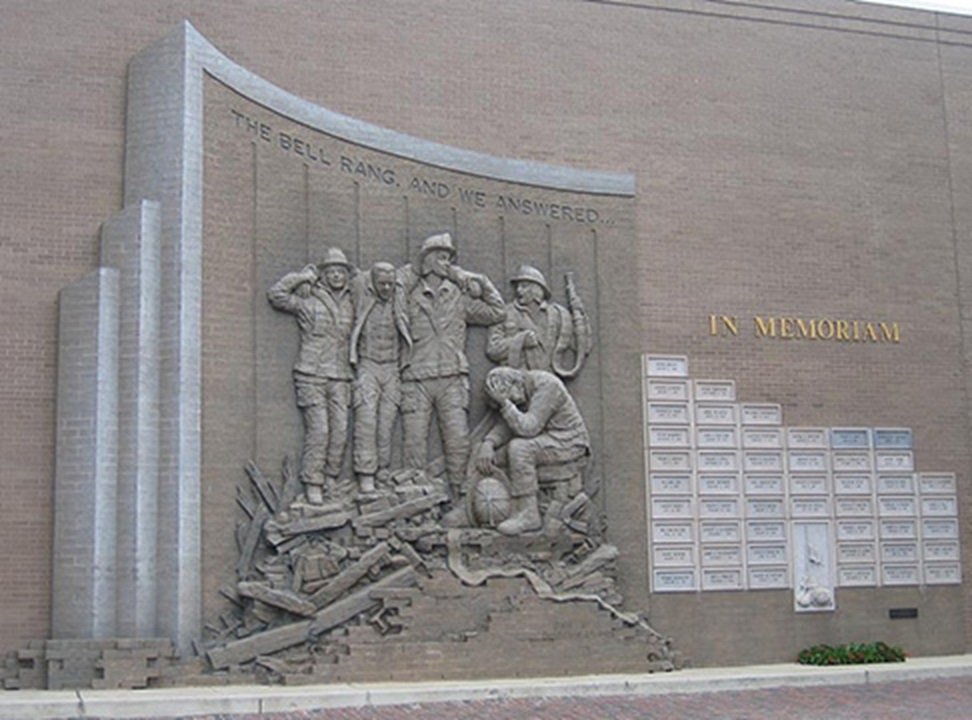
The name of Firefighter Martiniano R. Lerma has been inscribed on the Memphis Firefighters Memorial Wall located at the Fire Museum of Memphis at 118 Adams Avenue. The memorial that is located on the outside wall of the museum is an impressive, high relief brick sculpture, twenty-two feet high and twenty-five feet wide, which is dedicated to all the Memphis firefighters who have lost their lives in the line of duty. The larger part of the sculpture is an image of several firefighters carrying an injured comrade from a fire. 54 names carved in stone, the names of every firefighter killed in the line of duty in Memphis since 1880, grace the wall of the memorial in remembrance of their sacrifice.
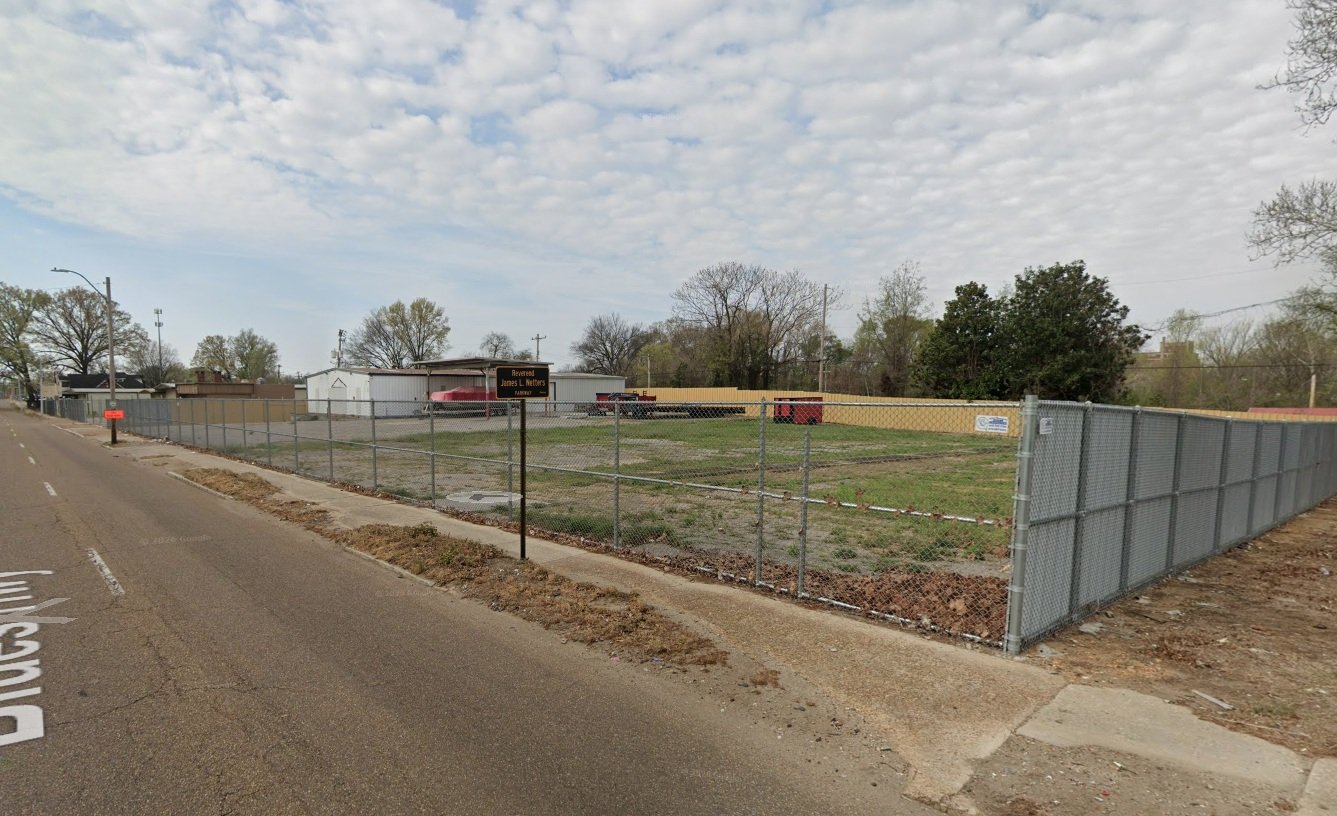
The site of the fatal fire is now a vacant lot. There is no memorial marker at the site.
Commentary:
Maintaining orientation under high heat and low visibility conditions is a basic firefighter survival skill. Firefighters must be trained to recognize when interior conditions during a fire have deteriorated to the point that rapid exit via the entry point may no longer be viable. Firefighter self-survival techniques such as communicating a Mayday, air conservation techniques, self-rescue and disentanglement procedures, and executing a rapid bailout from an upper story window must be taught to every firefighter. Unfortunately, in most fire recruit level courses not enough emphasis or time is given to introduce and practice these vital firefighter lifesaving skills. Many departments also do not require annual refresher training in these critical procedures.
Fire operations in high-risk VADC (Vacant-Abandoned-Derelict-Condemned) buildings pose additional hazards to firefighters. The NFPA estimates that 6,000 firefighters are injured while fighting fires in high-risk VADC properties every year. NFPA statistics also show that more firefighters are injured while operating at fires involving vacant or abandoned properties than in any other property classification. Buildings that have been boarded up or secured with window and door security devices may severely hinder the emergency egress of firefighters should conditions rapidly change. Structural deficiencies can pose booby-trap like conditions that can ensnare and kill firefighters in an abandoned building. Open roofs, missing windows or other unsecured openings in the exterior envelope of a derelict structure may pose a ventilation hazard that can directly impact fire development. The length of time that a building remains open and unoccupied directly effects the condition and structural stability of the structure. Previous fire damage and missing building elements like broken stairs and holes in floors can hinder the escape of firefighters in an emergency.
We have attached photos from the incident. We have also attached a detail from the 1950 Sanborn fire insurance map showing the configuration of the fire building and the surrounding exposures.
We have also attached the link to an article on firefighter disorientation by group member William Mora published in Firehouse magazine: https://www.firehouse.com/safety-health/article/10495887/the-firefighter-disorientation-challenge
Thanks to multiple media sources for the content of this article.
Honor the service of Firefighter Martiniano R. Lerma by reviewing your departments policies and procedures for operations during fires and other emergencies in high-risk VADC buildings and by touring a VADC structure in your response district with your crew members today.
Remember Fallen Brothers.
Get Out There And Know Your Local!!!
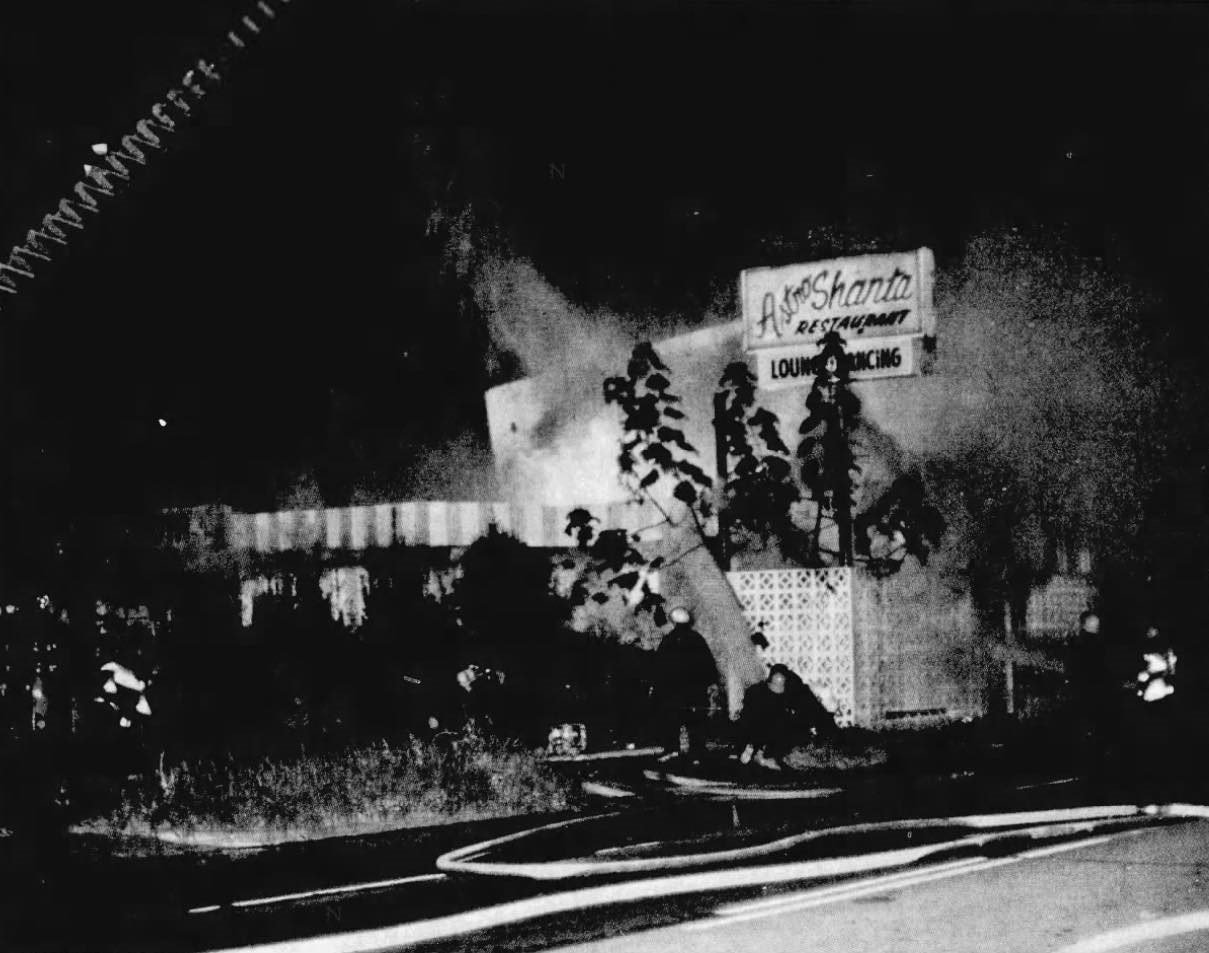
Photo of Side Alpha of the fire building.
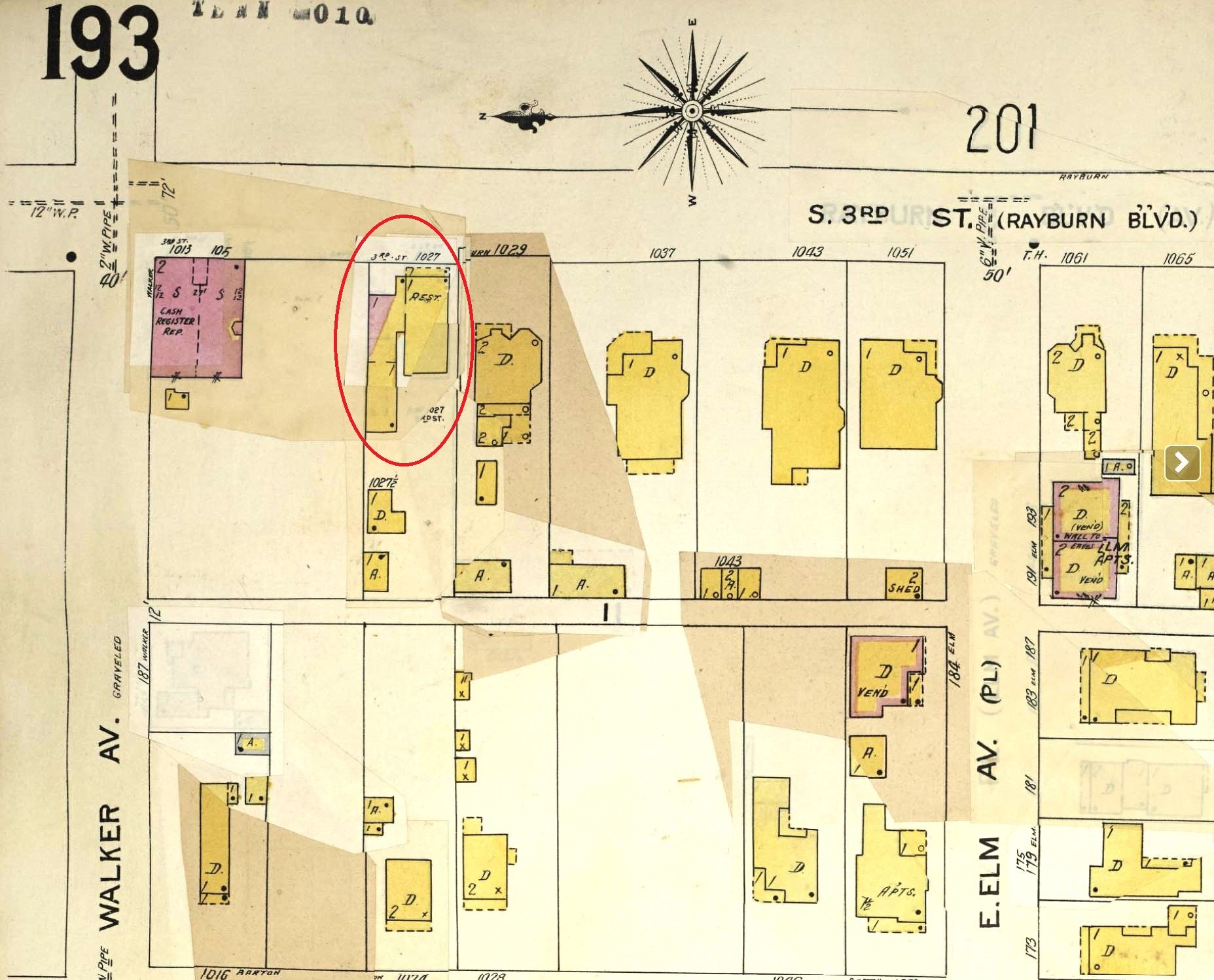
Detail from the 1950 Sanborn fire insurance showing the configuration of the fire building (circled in red) and the surrounding exposures.
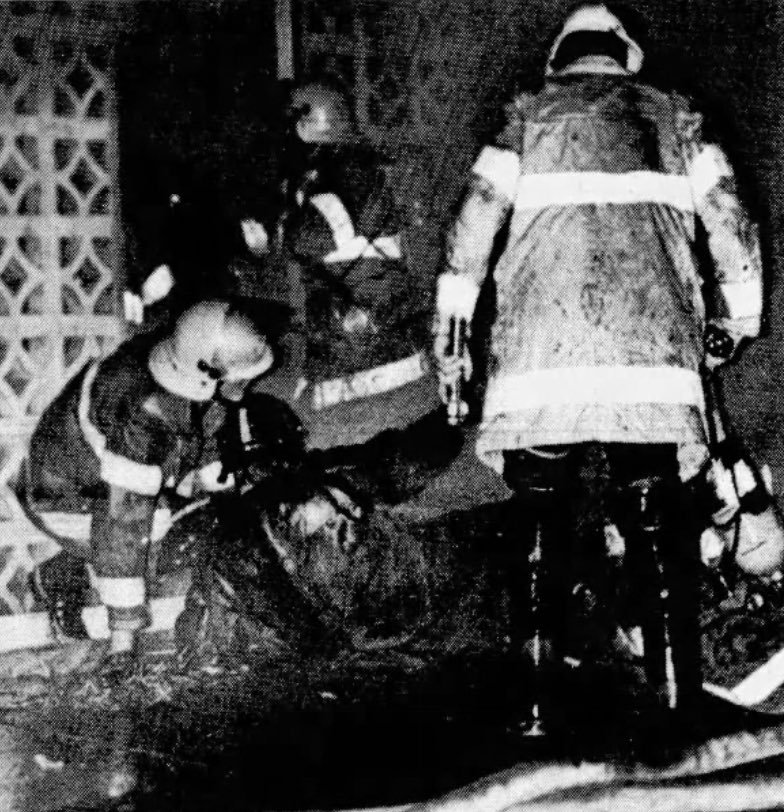
Fire officials later believed that while the other firefighters tumbled out the front entrance, Lerma became disoriented and entered an interior room without an exit. The building soon flashed over and firefighters were unable to reenter the building from the front entrance. They were forced to breach a concrete block wall to reach the trapped firefighter. He was later found unconscious in the building where he died from smoke inhalation and extensive burns to his body. Four other firefighters were injured in the flashover. A second alarm were sounded before the fire was placed under control at 2:13 a.m.
Photo of firefighters being pulled from the structure following the flashover.
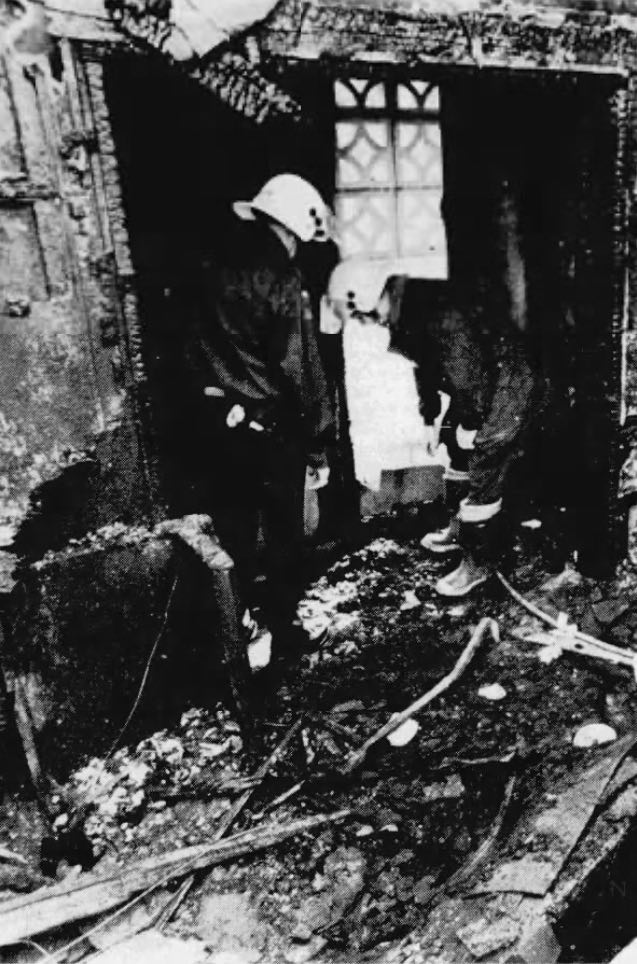
Photo: Fire investigators comb through the ruins in the area where Firefighter Lerman was found.
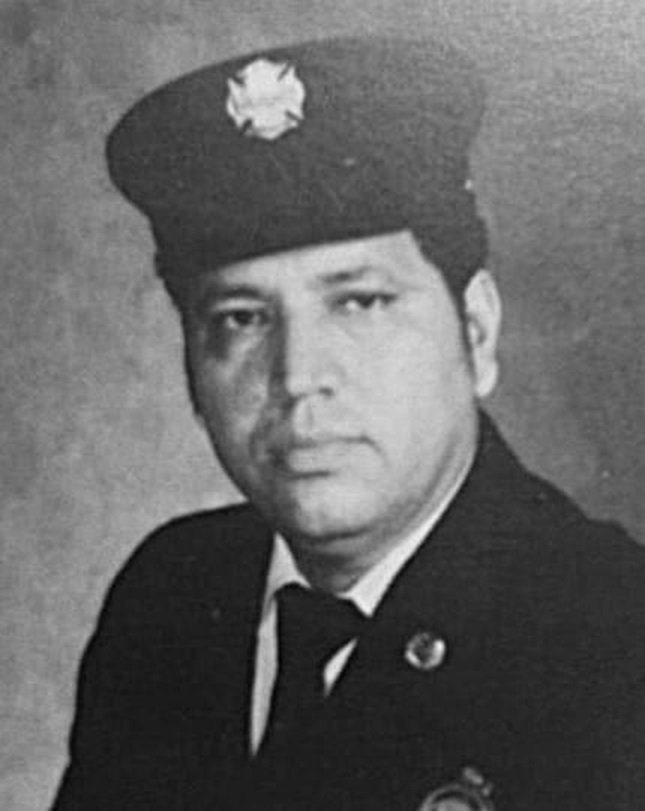
Photo: Fire investigators comb through the ruins in the area where Firefighter Lerman was found.
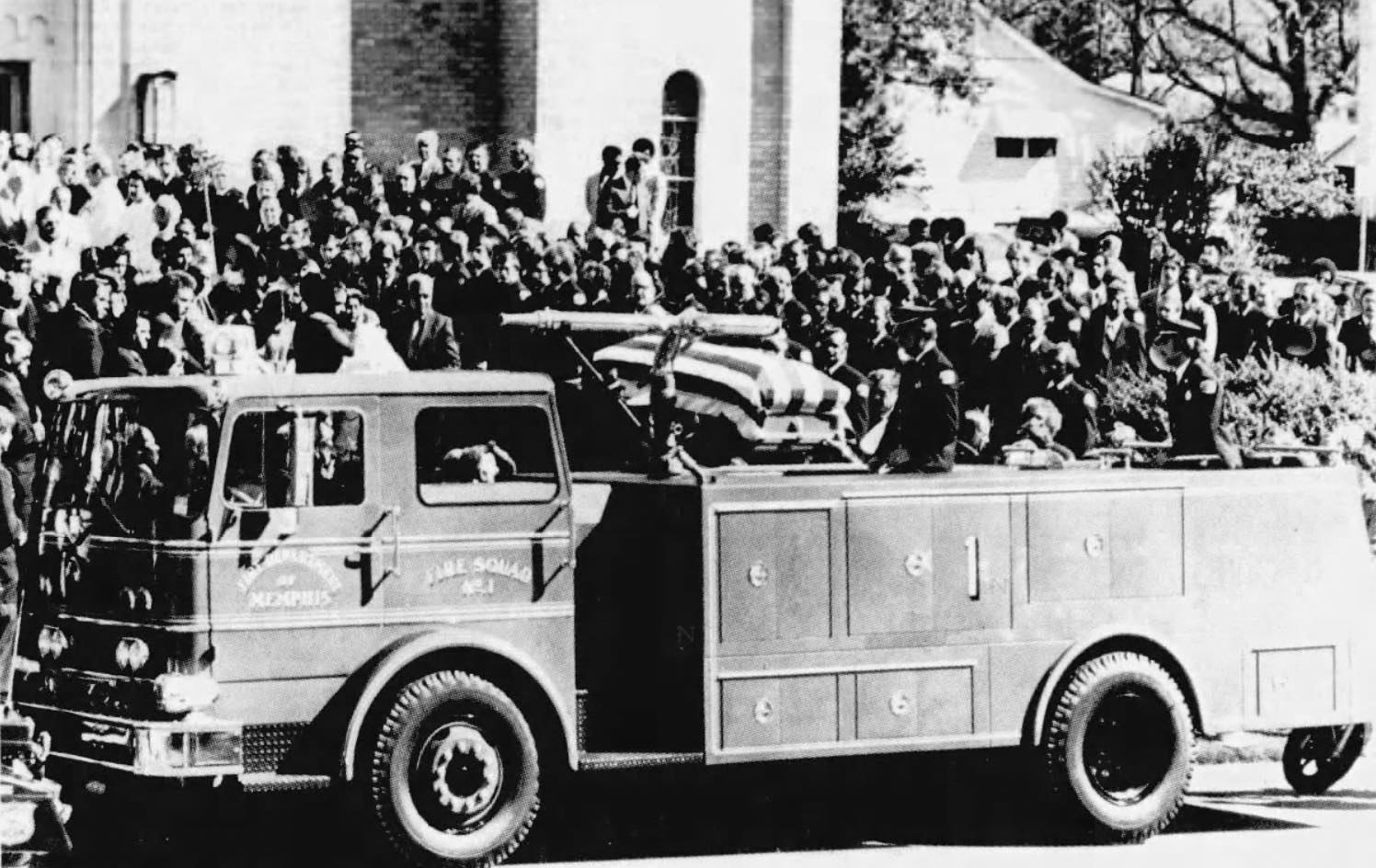
Photo: Fire investigators comb through the ruins in the area where Firefighter Lerman was found.