
Dynamite Storage Warehouse Explosion Kills Four Army Firefighters and Two Soldiers – Japonski Island, Sitka, Alaska – October 13, 1941
An explosion of a storage warehouse containing 21 tons of dynamite and ammunition rocked a military installation under construction on Japonski Island across the channel from Sitka, Alaska on October 13, 1941. The blast killed four U.S. Army firefighters and a Marine sentry who were attempting to extinguish the fire. Another soldier was struck and killed by flying debris more than half a mile away. The explosion occurred during the expansion of the military base and coastal defense installations along the isolated southeastern Alaskan coast just prior to World War II.
Japonski Island is a small island in the city of Sitka in the Alexander Archipelago of southeastern Alaska. It lies across the Sitka Channel from Sitka’s central business district and is located about 100 miles southwest of the state capitol of Juneau. During the era before the Second World War, the island was an important supply base for United States Army and Navy forces stationed in remote coastal Alaska. A Naval Air Station and army garrison was established on the island. During the war, Japonski Island was connected by a man-made causeway to the mainland and surrounding islands. At the close of the Second World War, portions of the base were deactivated by June of 1944. Today much of the island has been redeveloped with a regional airport, a state-run boarding high school for rural Alaskan students, a college campus, a health center, and a marina. A United States Coast Guard air and boat station now is located on the island. Besides a Coast Guard housing complex, there are very few Sitkans who live on the less than one-half square mile island. The official population was 269 persons at the 2000 census. The island has been named a National Historic Landmark.
On Monday, October 13, 1941, a Marine sentry in the area noticed a brush fire adjacent to the warehouse where approximately 5,000 boxes of 40 percent dynamite were stored. The Fort Ray U.S. Army firefighting detail was called and responded. Arriving in the base fire truck, military firefighters led by Captain Francis C. Allen, the base fire chief, stretched a hoseline to the warehouse that was now involved in fire. The building suddenly exploded with a thunderous roar and blinding fountains of flame that shot hundreds of feet into the air. The area around the shed was a scene of utter desolation with trees blown flat onto the ground and with many uprooted and thrown far back into the woods. The explosion formed a crater 20 to 25 feet deep and 75 feet across where the shed had once stood.
The base commander, Captain Albert Brookman Sr. said that Captain Tate, commandant of the naval base, arrived at the scene of the fire and saw the firefighters stretching a hoseline from a hydrant “to put water on that burning dynamite.” “Captain Tate apparently knew what Captain Allen did not know: that water on dynamite is almost sure to cause an explosion,” Brookman later wrote. He said the firefighters were so excited they would not listen to Tate. “When he saw it was impossible to stop them, self-preservation took over,” and Tate sped away, Brookman wrote. He was 400 yards away when the blast went off, blowing all the glass out of the car, “but leaving Captain Tate with badly injured eardrums and a few minor cuts and scratches.”
The firefighters including Captain Francis C. Allen, Private Ralph Kirkbride, Private Frank C. Hayton and Private Hedley C. Estabrook all died in the blast. Marine Corps Private T.A. Baskin was also a victim, as he was on guard duty nearby, and Army Private Albert Spurling died when a rock from the blast fell on him more than a half mile from the shed.
The United States was on the eve of the Second World War, and information about the military buildup in Sitka on the island was restricted as a matter of policy. But within four days of the Japonski disaster, the weekly Sitka Sentinel published the names, rank, military unit and hometowns of everyone who died in the accident, information obviously provided by the military authorities. The names and conditions of the dozen or so people injured were also reported. The Sentinel reported that “fire of undetermined origin in a dynamite shed” caused the explosion. The fire truck, which was parked close to the shed, was “a mass of twisted metal,” the Sentinel reported.
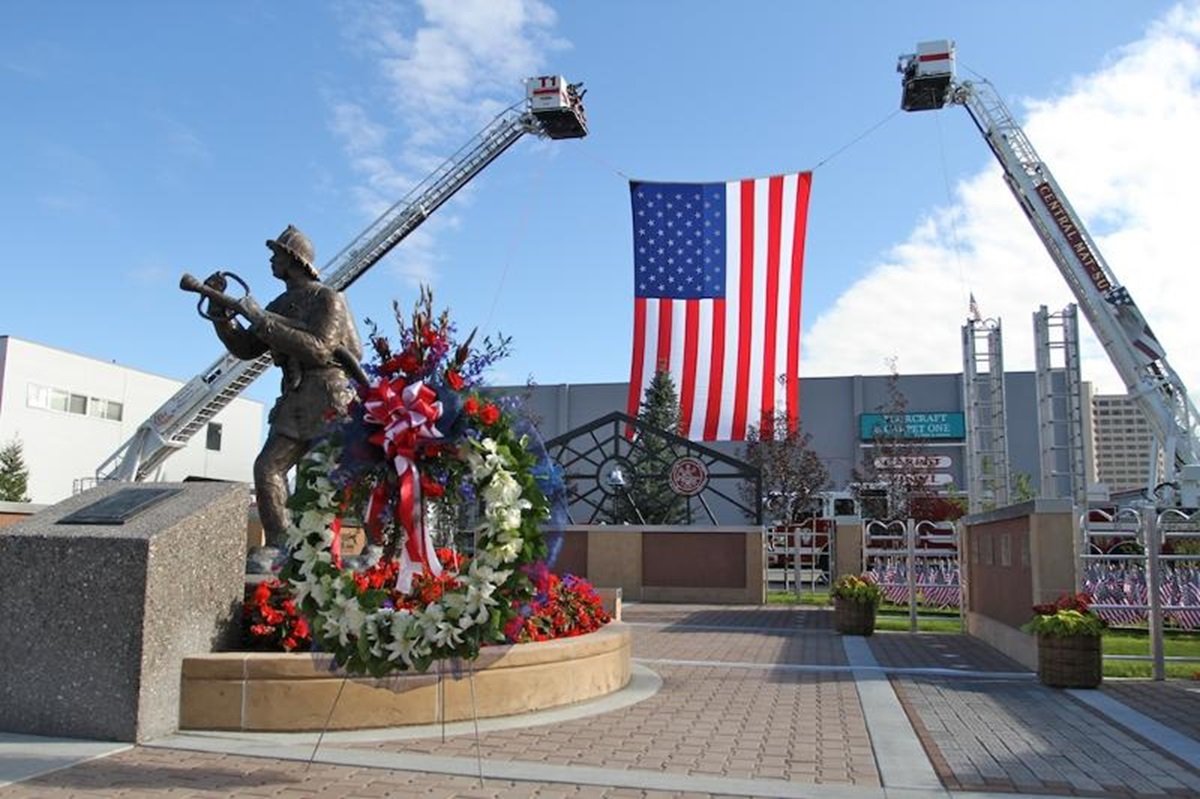
The four firefighters among those killed in the explosion are honored on the walls of the Alaska Fallen Firefighter Memorial in Anchorage, according to Sitka Second World War history buff Matthew Hunter. “It is important we don’t forget these folks who died defending Sitka,” Hunter said. The military installations and airbase on Japonski Island played an important part in the coastal defense of Alaska during the war and provided support for troops who contained the Japanese invasion of the Aleutian Islands of Attu and Kiska in June of 1942. Ironically, Russian colonists named the island “Japonski,” the Russian term for Japanese, after discovering some Japanese fishermen who were stranded there in 1805. The Russians returned the fishermen to their home in Hokkaido the following year.
Commentary:
The storage of high explosives such as dynamite is tightly regulated today by most jurisdictions under standards such as those found in NFPA 495: Explosive Materials Code which identifies reasonable levels of safety for the manufacture, transportation, storage, sale, and use of explosive materials, including dynamite, blasting agents, water gel and emulsion materials, smokeless propellants, black powder propellants, and small arms ammunition. Unfortunately, there is a tragic history for firefighters with fires and explosions in high explosive storage facilities:
- In January of 1895, a warehouse fire ignited a large store of dynamite resulting in a great explosion that devastated several blocks of Butte, Montana and killed nine firefighters and an estimated 58 civilians: https://www.facebook.com/groups/192218352449074/permalink/1425896815747882/
- On April 16, 1947, a devastating industrial accident occurred in the Port of Texas City, Texas, at Galveston Bay. It was the deadliest industrial accident in United States history and one of history’s largest non-nuclear explosions. A mid-morning fire started on board the French-registered vessel SS Grandcamp docked in the port and detonated her cargo of about 2,300 tons of ammonium nitrate. This started a chain reaction of fires and explosions in other ships and nearby oil-storage facilities, ultimately killing at least 581 people, including all but one member of the 28-member Texas City Fire Department: https://www.facebook.com/groups/192218352449074/permalink/1504676341203262/
- On November 29, 1988, six Kansas City, Missouri Fire Department firefighters were killed in a tragic explosion while extinguishing a fire at a construction site involving a magazine trailer containing blasting mixtures of ammonium nitrate and fuel oil: https://www.facebook.com/groups/192218352449074/permalink/1388313986172832/
- On April 17, 2013, ten emergency first responders were killed when a burning fertilizer plant containing an estimated 40 to 60 tons of ammonium nitrate exploded just outside the city limits of West, Texas: https://www.facebook.com/groups/192218352449074/permalink/1504697794534450/
- On August 4, 2020, 3000 tons of ammonium nitrate improperly stored in a warehouse at the Port of Beirut in the capital city of Lebanon exploded, causing at least 218 deaths, 7,000 injuries, and US$15 billion in property damage, and leaving an estimated 300,000 people homeless. A team of nine firefighters and one paramedic were obliterated as they tried to contain the fire in a storage warehouse: https://www.facebook.com/groups/192218352449074/permalink/1605000774504151/
Unfortunately, there are no photos available of the tragedy on Japonski Island. We have attached photos of the military base from the time period.
Thanks to multiple media sources for the content of this article.
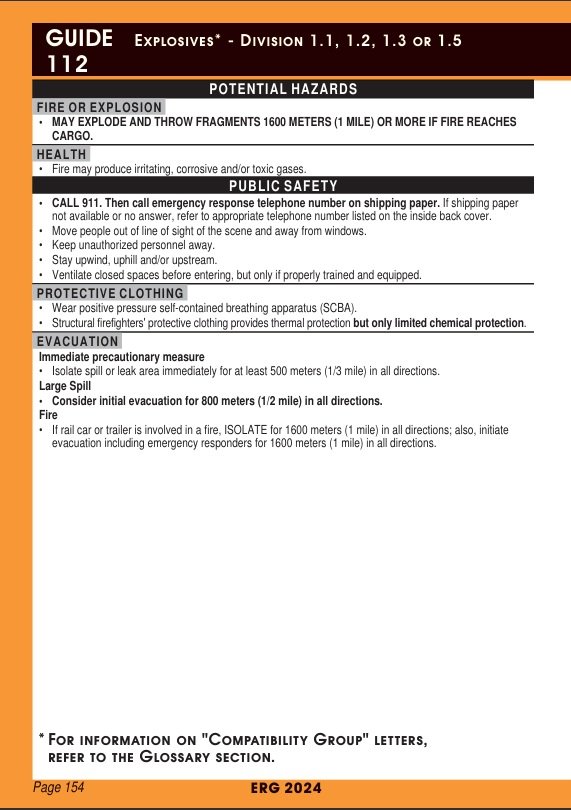
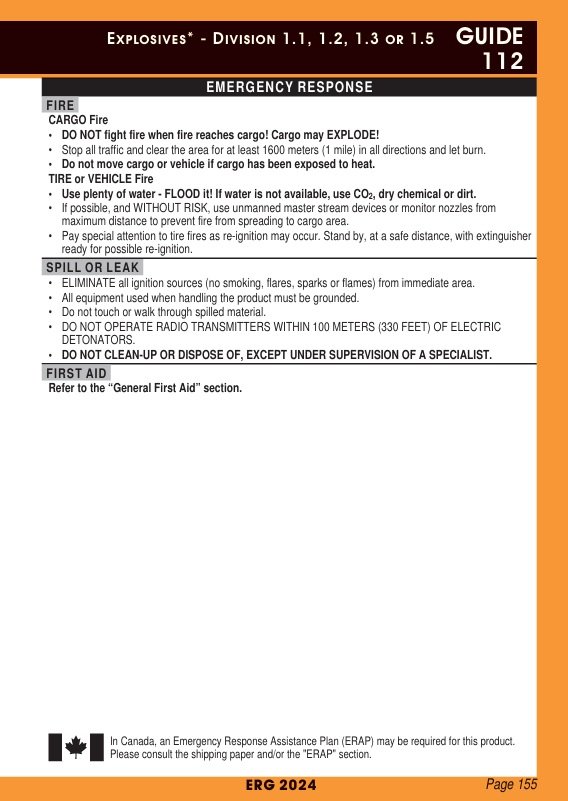
Remember the service of these military firefighters by reviewing the recommended procedures for dealing with Class 1 Explosives Division 1.1 – Guide 112 (Page 160) in the 2024 Emergency Response Guidebook with your crew members today. Copies are attached in the photos section.
Remember Fallen Brothers.
Get Out There And Know Your Local!!!

Japonski Island is a small island in the city of Sitka in the Alexander Archipelago of southeastern Alaska. It lies across the Sitka Channel from Sitka’s central business district and is located about 100 miles southwest of the state capitol of Juneau. During the era before the Second World War, the island was an important supply base for United States Army and Navy forces stationed in remote coastal Alaska. A Naval Air Station and army garrison was established on the island. During the war, Japonski Island was connected by a man-made causeway to the mainland and surrounding islands. At the close of the Second World War, portions of the base were deactivated by June of 1944.
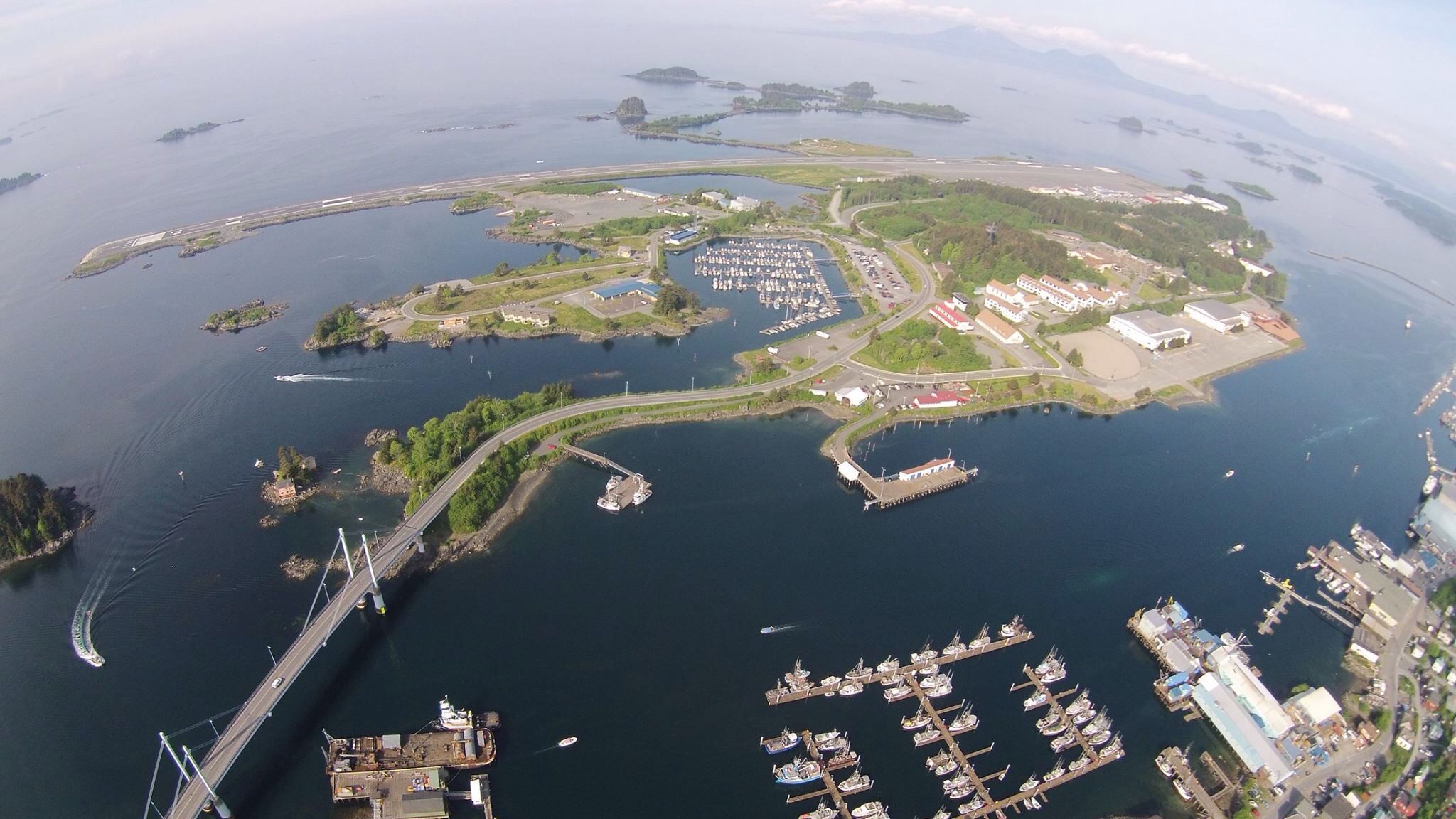
Aerial photo of the redeveloped island.
