Firefighter/Engineer Fatally Injured After Falling Through Translucent Corrugated Roof Panel While Searching for Fire Extension – Denver, Colorado – June 28, 2015 – NIOSH Firefighter Fatality Report F2015-13
On June 28, 2015, Denver Firefighter/Engineer John Whelan was critically injured after falling through a translucent corrugated roof panel. The firefighter was the engineer on Truck 8, the third-due truck company dispatched to a possible structure fire at a multipurpose commercial structure at 2132 hours. The first arriving companies found an exterior dumpster on fire with flames extending approximately four feet up the exterior sheet-metal wall along the edge of an exterior window. District Chief 2 arrived on-scene and assumed Command just as the dumpster was being pulled away from the structure. Firefighters quickly extinguished the fire in the dumpster using a booster hoseline. Command directed crews to force entry into the structure to conduct an interior search for occupants and fire extension. Command also directed the second-due truck company, Truck 8, to the roof to check for fire extension. Members of Truck 8 accessed the roof from a ground ladder. All interior searches were negative.
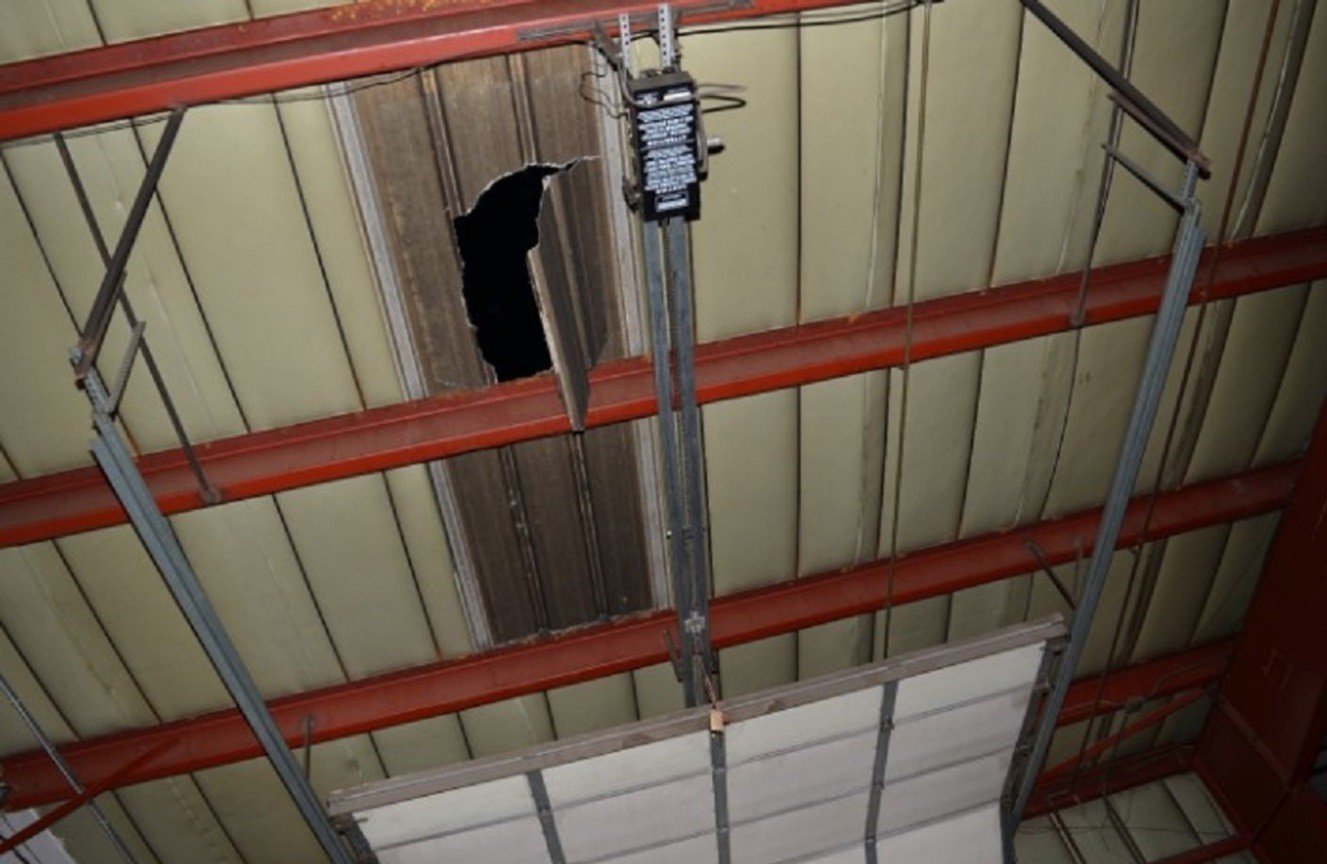
Command requested that the Truck 8 crew size up the approximate building dimensions. While reporting the building dimensions to Command, Truck 8 Engineer Whelan stepped onto a translucent corrugated roof panel, which cracked under his weight. The roof was not well illuminated, and the translucent panel blended with the rest of the roof. He fell approximately 17 feet onto the concrete floor below. Whelan suffered multiple open bone fractures and vascular damage. He was immediately transported to a trauma hospital where multiple surgeries were performed over a two-week period. On July 9, 2015, Whelan was discharged from the hospital to continue his recovery at home. On July 15, six days after discharge, he experienced sudden onset of severe shortness of breath. He was transported by ambulance to a hospital, but upon arrival in the hospital’s parking lot, Whelan suffered a cardiopulmonary arrest. Efforts to resuscitate the engineer in the hospital’s emergency department were unsuccessful. An autopsy revealed a massive pulmonary thromboembolism originating from a thrombus in his lower extremity formed as a result of blunt trauma injuries sustained during his fall. The pulmonary thromboembolism occurred despite being on anticoagulation therapy.
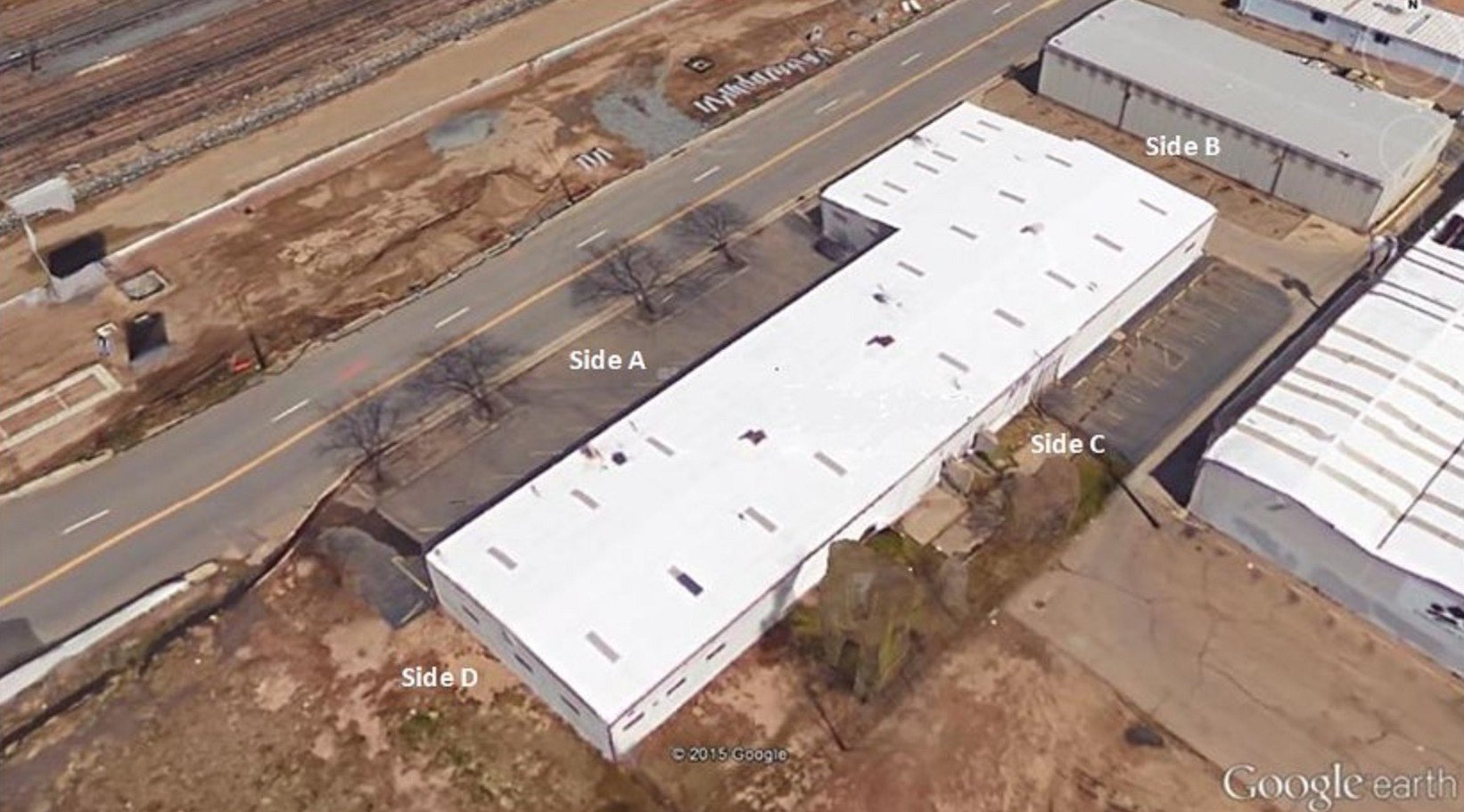
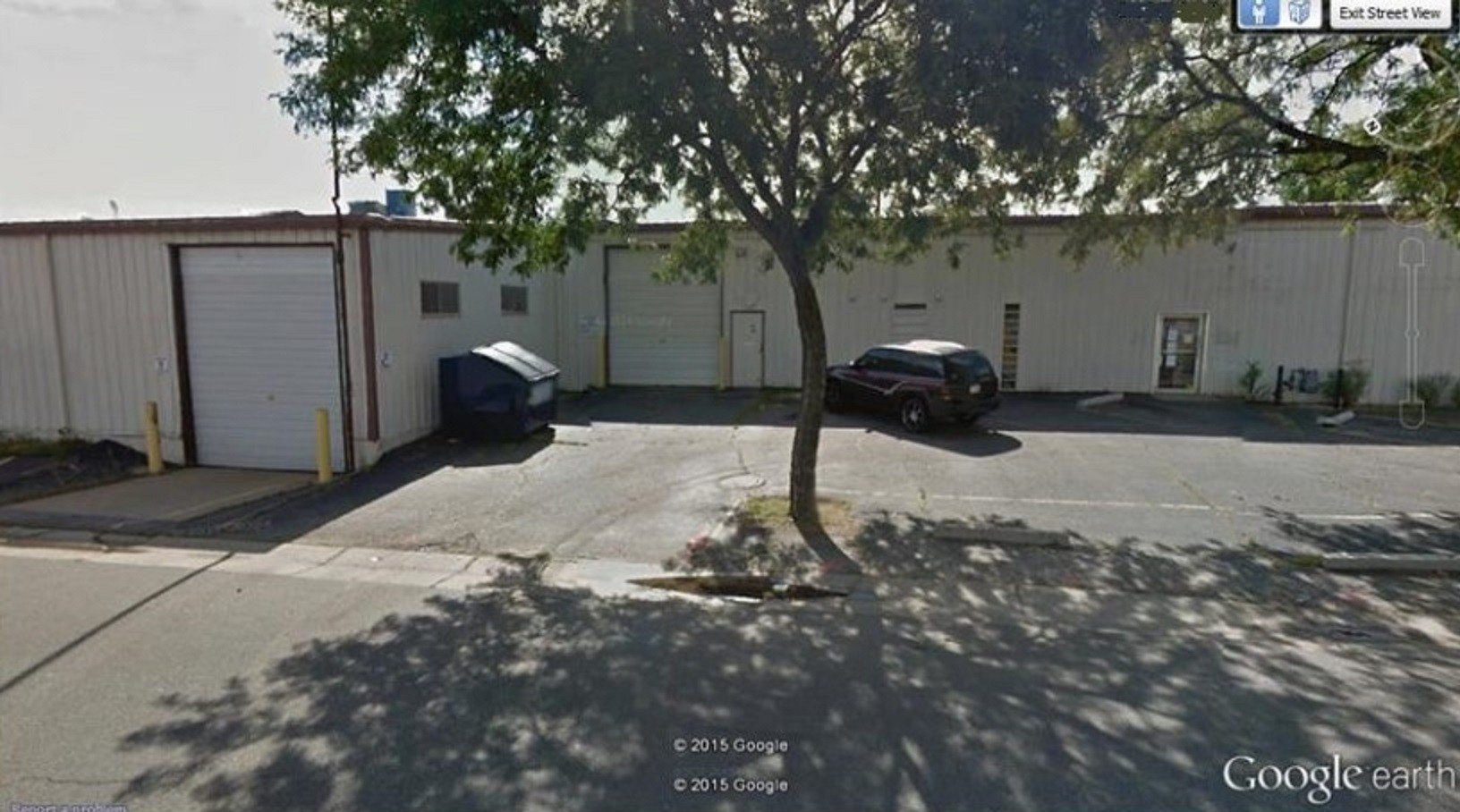
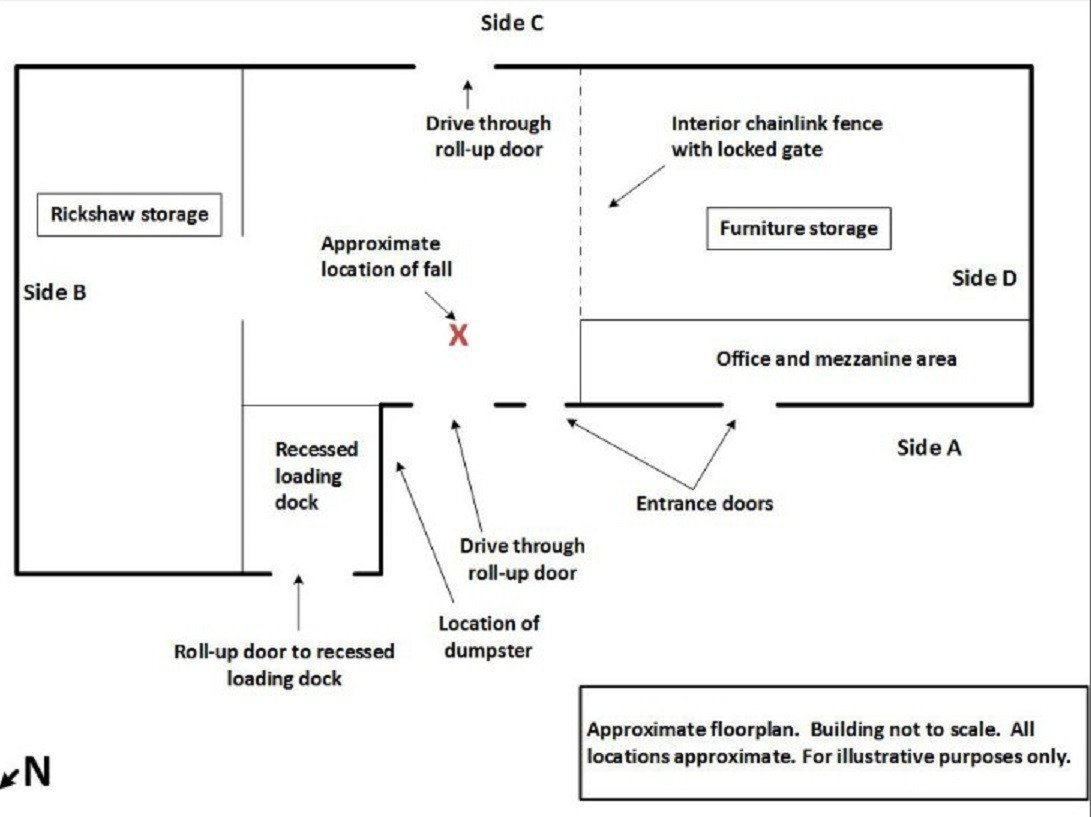
The fire originated in a roll-off dumpster outside of a one-story commercial building in the warehouse district of the city. According to city records, the 16,795-square-foot structure was built in 1970 of Type II-B unprotected Noncombustible construction. The building operated as a storage facility and was leased by two separate businesses: one storing electric rickshaws and the other storing household furniture. At the time of the incident and during the NIOSH investigation, the loading dock and bay area were empty. Two large roll-up doors at Side Alpha and two man doors on the Alpha and Charlie sides of the building provided access to the central bay area. The first roll-up door provided access to a covered recessed loading dock. The second roll-up door provided ground-level access to the bay area. The rickshaw storage area was located at the Bravo side of the structure and was separated from the central bay area by an interior wall. An interior locked chain-link fence separated the bay from the furniture storage area on Side Delta. An office space, used by building management, was located adjacent to the bay along the Side Alpha wall. Additional office space in a mezzanine area was located along Side Alpha of the building, next to the furniture storage area. The warehouse was in an area surrounded by similarly constructed warehouses and commercial facilities.
The building consisted of two sections that were joined perpendicular to one another to form an “L” shape. The symmetrical, clear-span, rigid-frame building was constructed on a concrete slab foundation. The walls were constructed using corrugated steel sheets. The roof was gable style with a low pitch. The main portion of the building was estimated to be approximately 20 feet in height, 300 feet in length, and 60 feet in width. Officials measured the point of the fall and determined that Firefighter Whelan fell 17 feet 4 inches from the broken roof panel to the concrete floor inside the building.
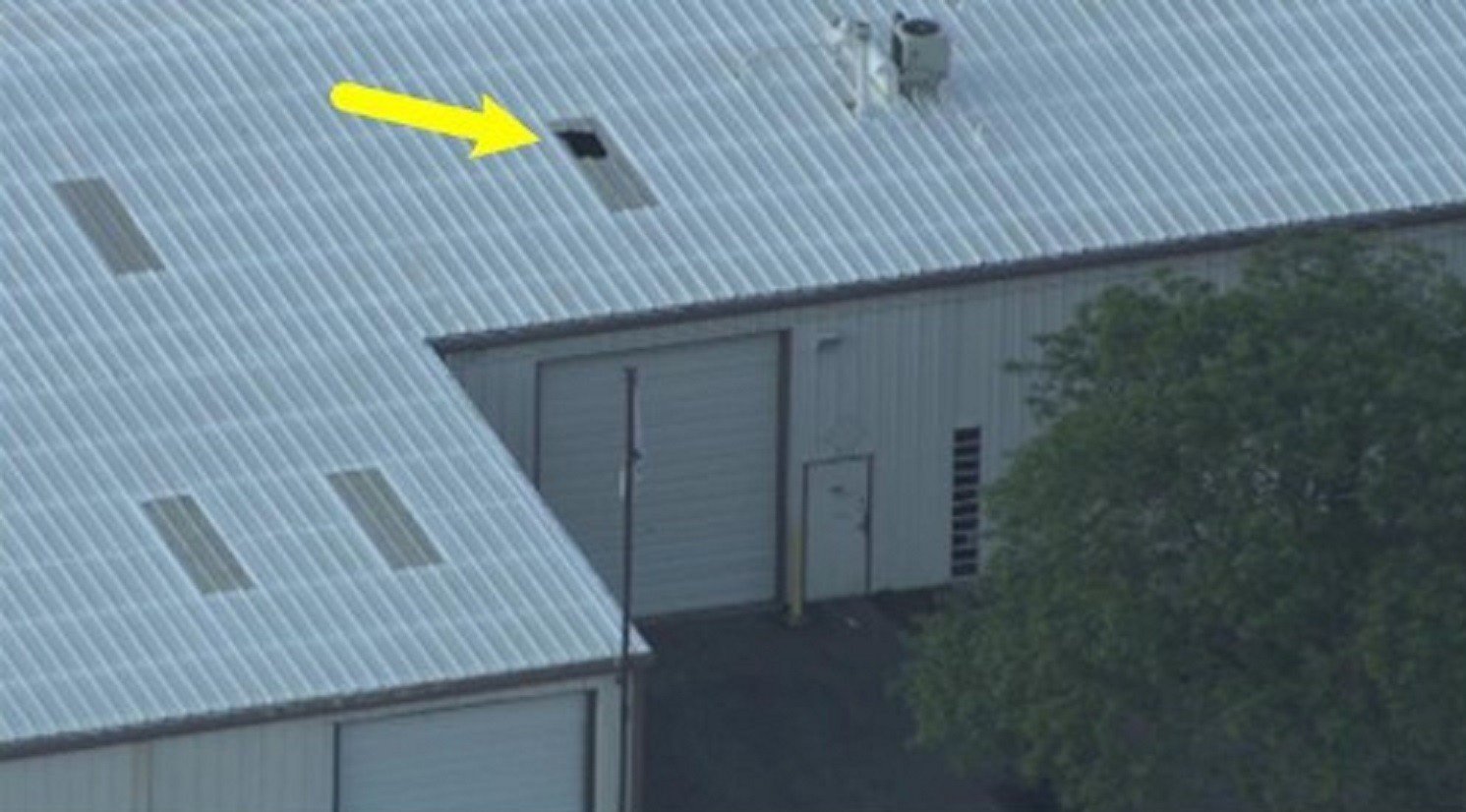
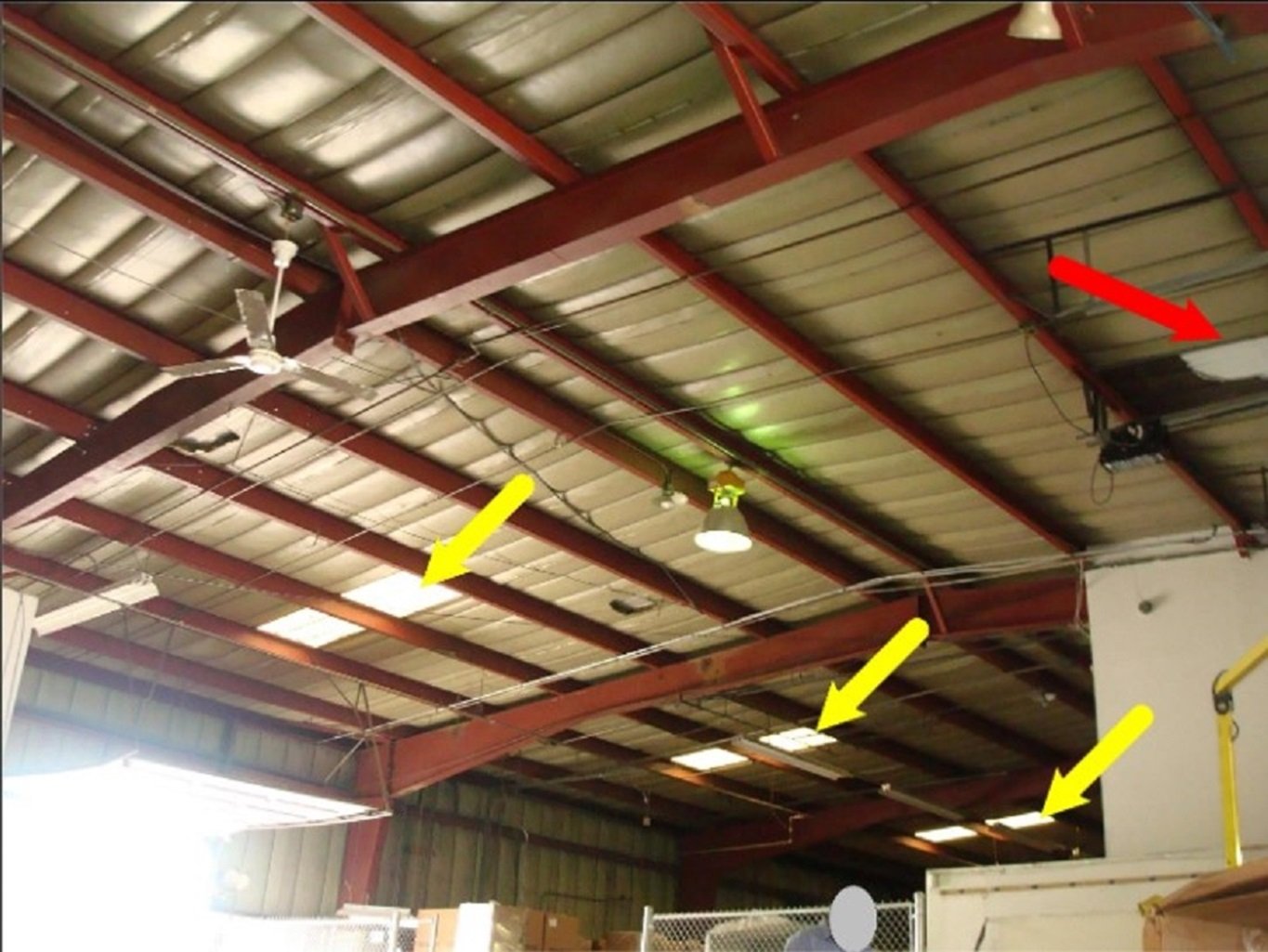
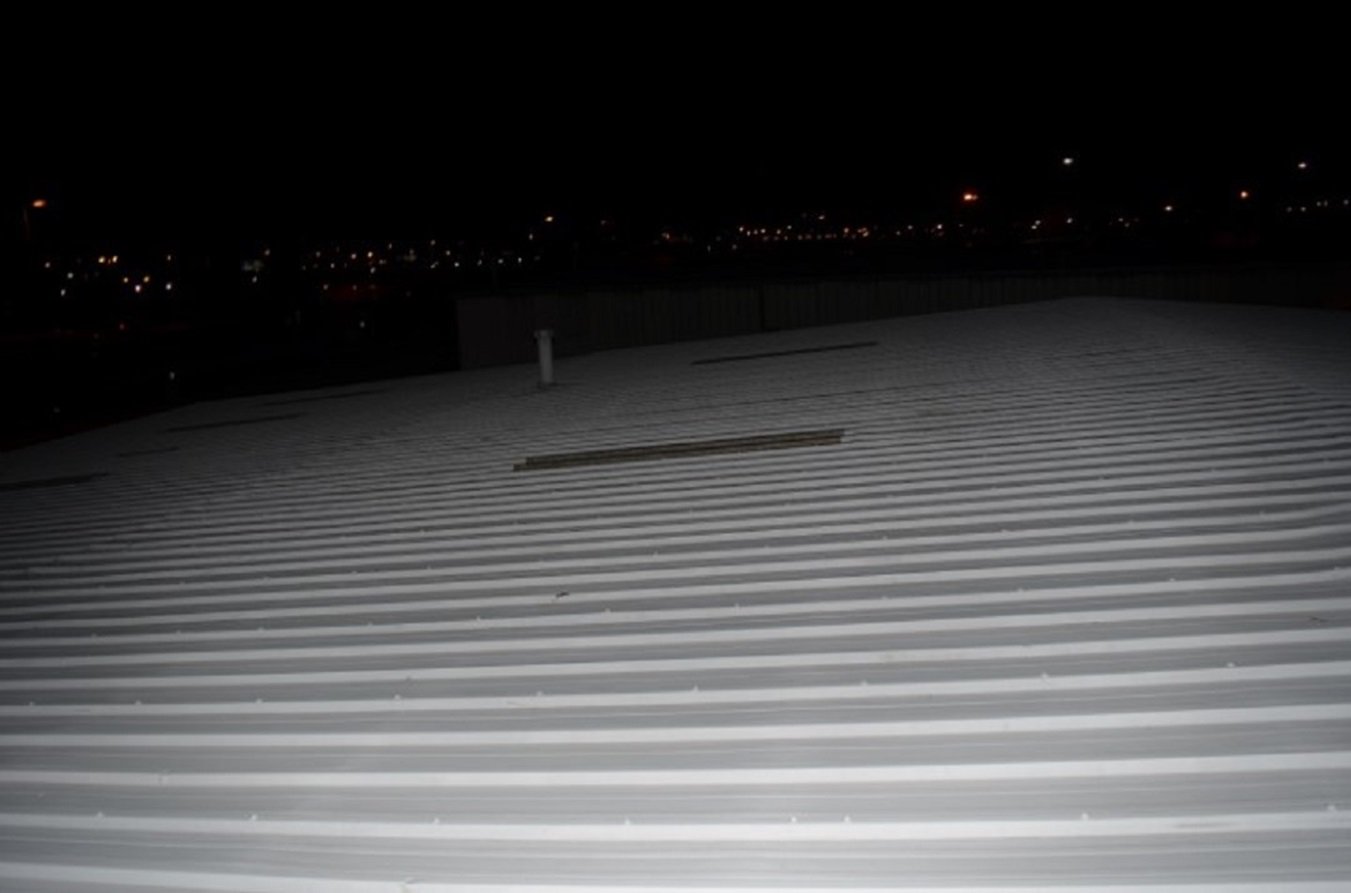
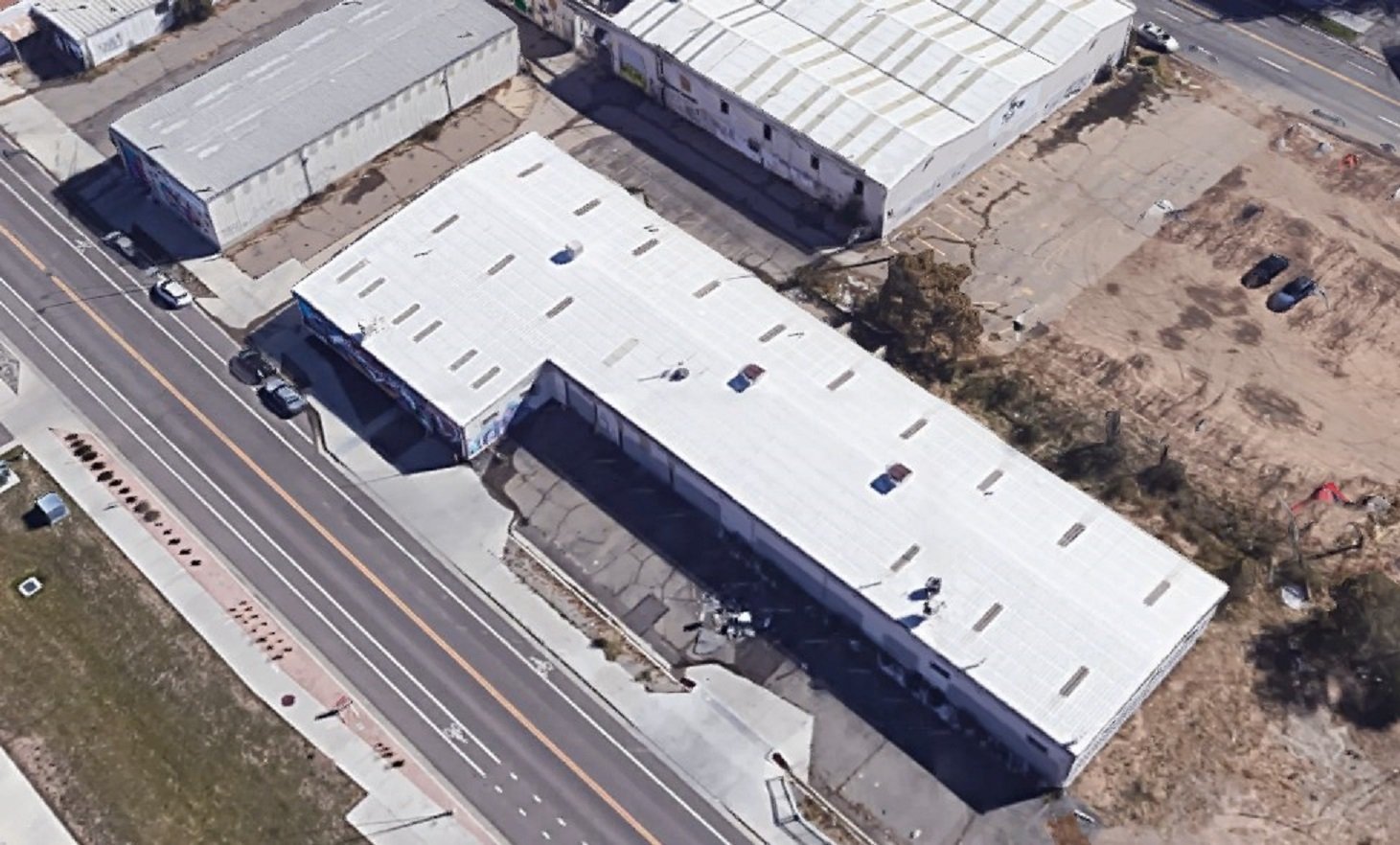
The roof of the building was constructed of corrugated steel. Twenty-three translucent corrugated fiberglass roof panels were spread evenly across the roof, except above the mezzanine area. The panels were flush with corrugated steel roofing panels and had no framing. There were no identifiers or warnings to indicate the presence of the translucent roof panels. The investigators could not determine if the translucent roof panels were installed when the building was built in 1970 or if the building was retrofitted with the panels at a later time. Many of the surrounding buildings in the area had the same rigid frame with corrugated steel and translucent roof panel construction. The fire department had conducted both pre-fire planning and fire safety inspections at the incident site. The most recent pre-fire planning worksheet identified the roof decking material as metal. The worksheet, dated February 23, 2010, did not identify the presence of translucent corrugated roof panels.
Denver is a consolidated city and county, the capital, and most populous city in the state of Colorado. Its population was 600,158 residents at the 2010 U.S. census. The city and metropolitan area was one of the fastest growing urban areas in the country during the following decade with the city and metro area showing an almost 20% population increase by 2020.
At the time of the incident, the city was protected by the Denver Fire Department which served a large metropolitan area of 155 square miles with a population of over 650,000 residents, a large commercial airport, and four surrounding cities. The fire department also provided mutual aid to 54 municipalities throughout the area. The fire department was rated by ISO as a Class 2 fire department and was Pro-Board Accredited. The fire department employed 961 personnel organized in six divisions with 33 fire stations within 6 geographic response districts and 4 additional fire stations located at the airport. All fire stations were equipped with at least an engine and truck or tower, and some stations had a combination of apparatus types. Each apparatus was minimally staffed by a company officer, a driver, and two firefighters. Five special operations branches were located at five stations throughout the districts. These branches were made up of a heavy rescue company, two hazardous materials response teams, a decontamination unit, a collapse and high-angle response team, and an underwater rescue team. In 2014, the fire department responded to a total of 112,370 emergency calls, including 1,957 fire calls, 73,553 rescue and emergency medical service (EMS) incidents, and 9,581 false alarm calls. The remaining responses included hazardous conditions calls, service calls, special incident types, and severe weather.
Firefighter/Engineer John Whelan had 15 years of experience as a firefighter and was certified as Fire Fighter I & II and Fire Instructor I and had received training in numerous fire and rescue topic areas throughout his career.
On the evening of the incident, the temperature was 66 degrees F, the humidity was at 59%, the barometric pressure was 30.60 inches, visibility was 10 miles, the wind was from the south at 9.2 miles per hour, and it was mostly cloudy. A thunderstorm had passed through the area about 2 hours prior to the incident; however, there had been no precipitation in the past 24 hours. Note: The weather conditions did not appear to be a significant factor in the outcome of the incident.
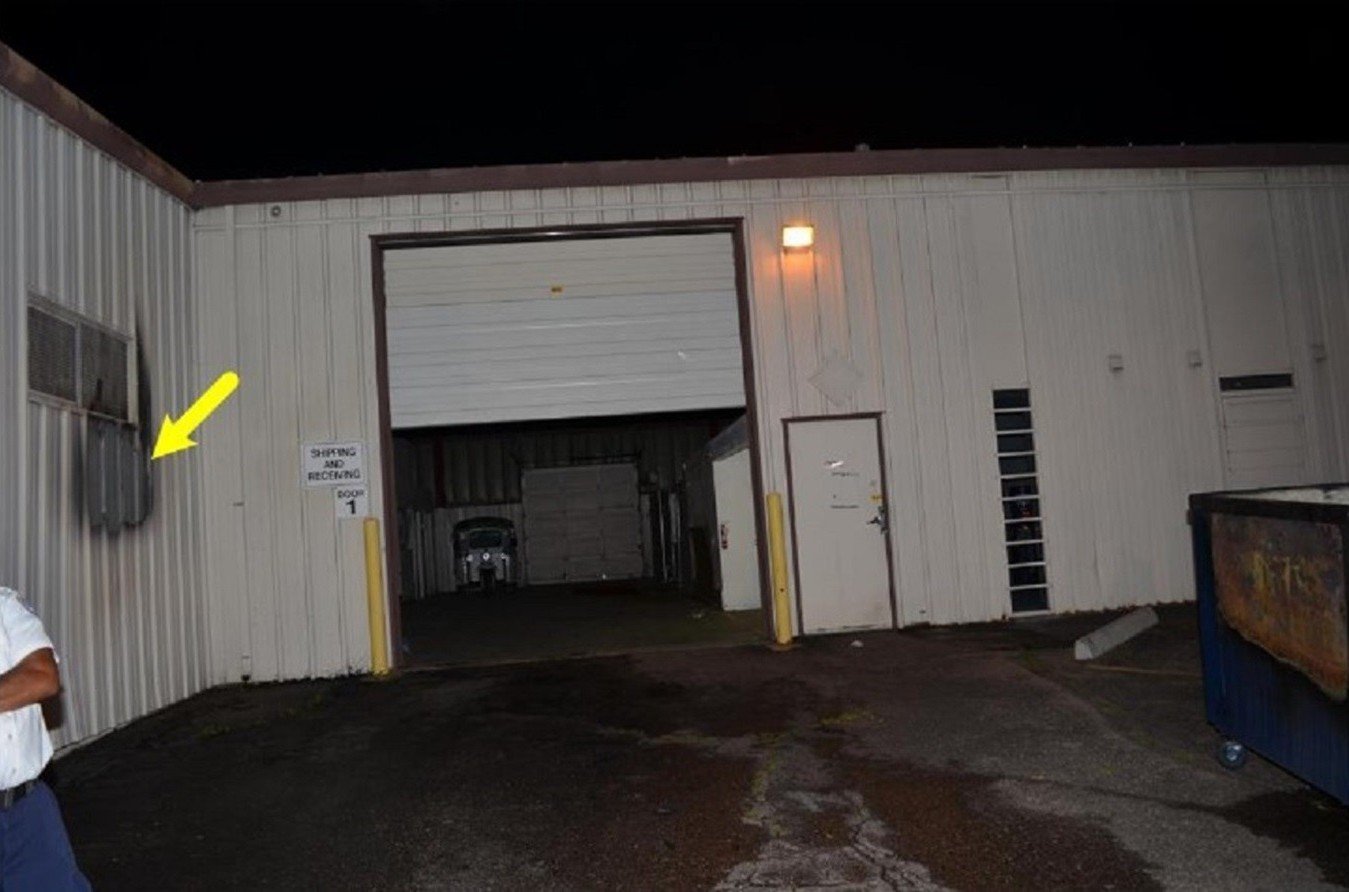
On Saturday, June 28, 2014, at approximately 21:30 hours, Dispatch received a phone call reporting a possible fire in a warehouse at 3860 Blake Street in a commercial district in the northern section of the city. At approximately 21:31 hours, Engines 9, 3, & 10, Tower 9, Truck 4, Rescue 1, HAMER 1 (Hazmat unit), District Chiefs 2 & 4, and Truck 8 (as RIT) were dispatched following the department’s established procedures for a commercial structure fire dispatch. Tower 9 and Engine 9 were the first to arrive on-scene and the Lieutenant on Tower 9 assumed Command reporting: “We have a dumpster outside of a warehouse next to a building. This appears only to be a dumpster.” The roll-off dumpster was against Side Alpha of the building, below a window that was in the L-shaped extension. The Tower 9 crew pulled the dumpster away from the building and the crew from Engine 9 pulled their booster hoseline and quickly extinguished the fire.
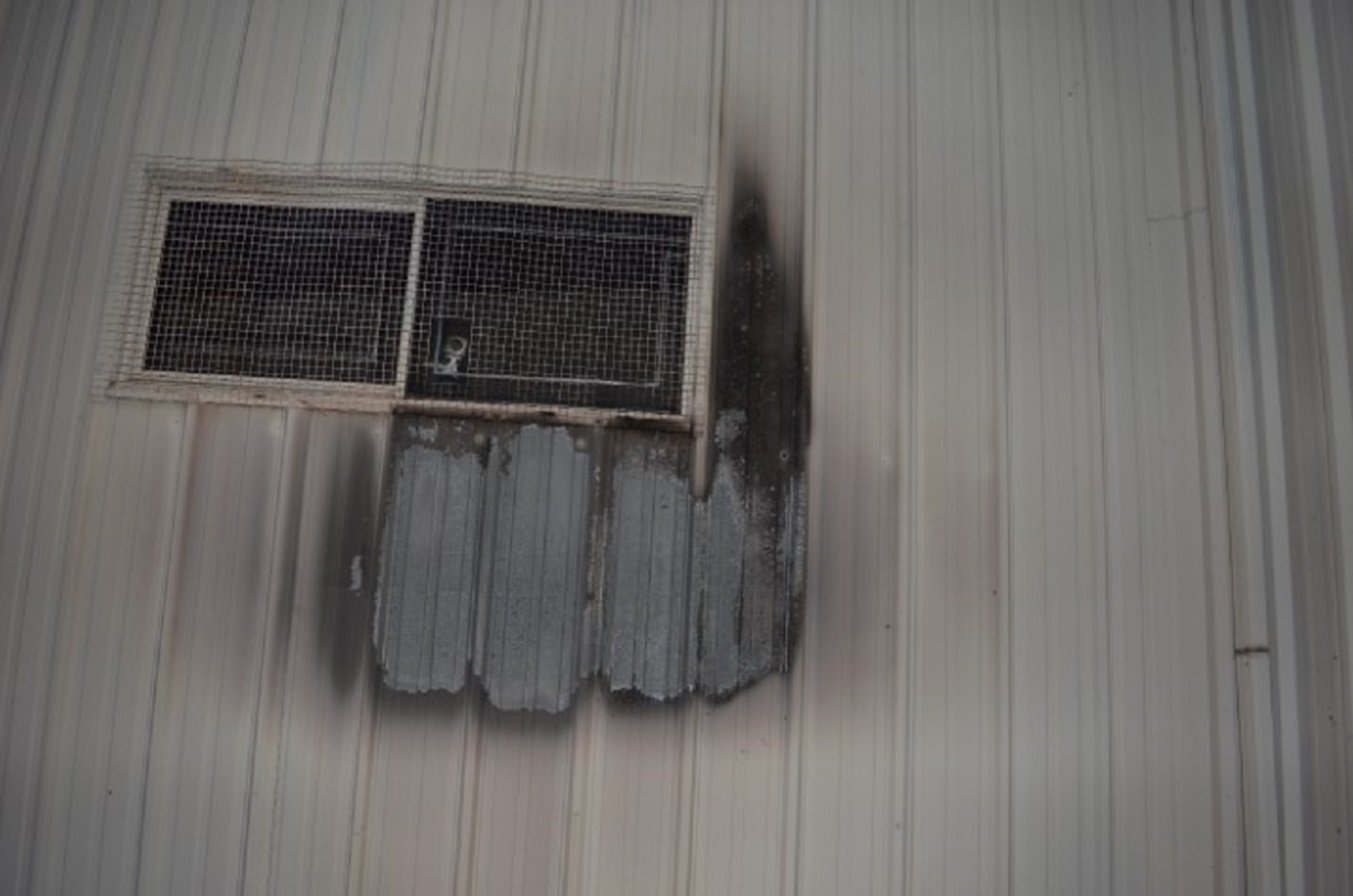
The Engine 9 Engineer established a water supply to the nearest fire hydrant. Additional responding units were ordered to stage. There were varying reports from the first firefighters on-scene regarding the exact height of the flames extending outside of the dumpster along the building exterior, with estimates ranging from 2 to 15 feet. At the time of the NIOSH investigation, a scorch mark, approximately 4 feet high, was visible on the building between the window and the top of the dumpster.
Approximately four minutes after Tower 9 and Engine 9 arrived on-scene, District Chief 2 arrived and took Command from the Tower 9 Lieutenant. Since the dumpster had been pulled away from the building and the fire in the dumpster had been extinguished, the response shifted from suppression to checking for fire extension into the building, conducting a 360-degree size-up of the building’s exterior, and completing a primary search on the interior of the building. Command assigned Tower 9 to gain access into the building. Other firefighters were directed to complete the 360-degree size up.
The Tower 9 crew forced entry to a large bay door on Side Alpha of the building and proceeded toward the interior side of the wall where the dumpster had been burning, which was located in the recessed loading bay area. Some of the company members reported seeing light, visible smoke in the building at this time. To assess the building for elevated temperatures, they used both a thermal imager and a handheld infrared thermometer. After using their thermal imager, they reported to Command, “We’re getting slightly elevated heat readings in here, and a little bit showing up on the thermal but, nothing very much.” Command then asked them to cut a section out of the interior wall near where the dumpster had been located to verify the fire had not extended into the insulation or other sections of the building. After cutting a 2-foot by 2-foot hole in the wall and finding no extension they started to walk back toward the center bay area.
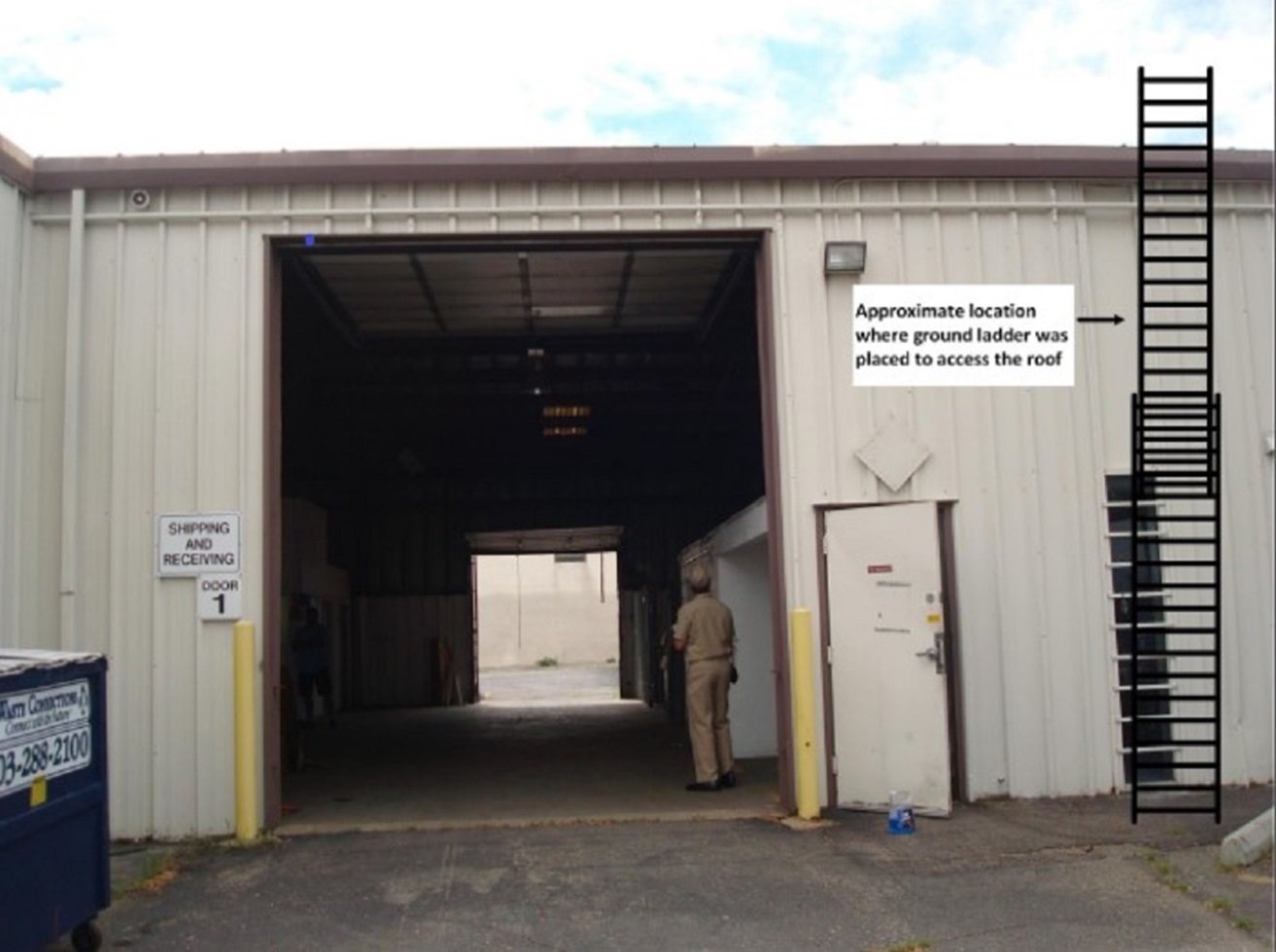
Truck 8 arrived on-scene and was assigned to use a ground ladder to access the roof and check for extension using a thermal imager. A 28-foot ground ladder as placed to the right of the man door and roll-up door on Side Alpha. The senior firefighter on Tower 9 then proceeded up the ladder, sounded the roof with his hook, stepped onto the roof, and reported to his crew members that the roof was of metal construction and was sound. The junior firefighter and Truck 8 Lieutenant then proceeded up the ladder, sounded the roof, and joined the senior firefighter. While on the roof, the senior firefighter reported he visually inspected the roof with his flashlight and after not identifying any obvious hazards, he turned off the light.
After donning his gear, Truck 8 Engineer John Whelan joined his crew on the roof, briefly sounding the roof after climbing off the ladder. The junior and senior firefighters started to look for extension immediately above the area where the dumpster was located by walking along the perimeter of the roof. As they proceeded, the junior firefighter sounded the roof while the senior firefighter used the thermal imager to search for heat. Once they reached the area of the roof above the dumpster, they reported not seeing any signs of fire extension on the thermal imager and began to walk back toward the ladder. The Lieutenant reported he started to follow the junior and senior firefighters for a short distance; however, he stopped when Command asked Truck 8 Firefighter Whelan for the dimensions of the building. To obtain the roof dimensions, the engineer walked toward the peak of the slightly pitched roof to gain the best vantage point. The Truck 8 Lieutenant followed and reported stopping about five feet from the peak. The Lieutenant and Whelan discussed the dimensions of the roof before the Engineer reported to Command over the radio. Immediately after the Engineer reported the dimensions, the Lieutenant turned away from Whelan and radioed to Command that elevated temperatures had not been detected on the roof. The Lieutenant was in the middle of making this report when Firefighter Whelan, after taking one step toward the ladder, fell through the roof. Dispatch records indicated the Lieutenant stated, “No hot spots on the roof…and we have a firefighter down, Chief. Firefighter went through the roof.”
After seeing the Engineer fall through the roof, the Truck 8 junior firefighter immediately began to crawl toward the hole in the roof to see if the Engineer had been caught in the roof support structure and could be reached. The senior firefighter, recognizing the potential for another firefighter to fall through roof, grabbed the junior firefighter and pulled him back away from the hole. The three remaining members of Truck 8 proceeded to exit the roof via the ladder.
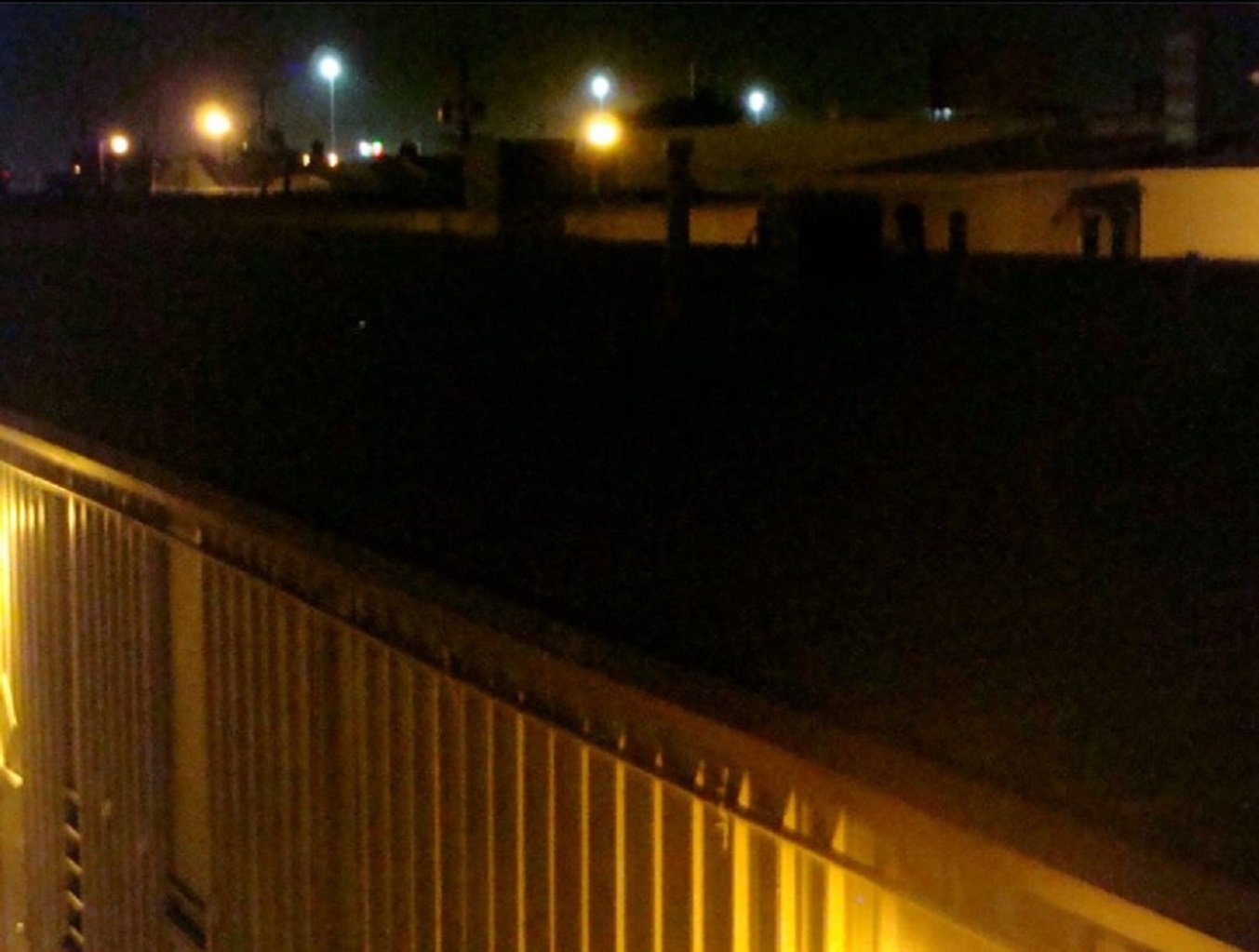
The Truck 8 Engineer fell 17 feet 4 inches from the roof to the cement floor below. Whelan had fallen through a translucent corrugated roof panel and tried to break his fall with his right arm. Members on scene all reported either hearing or seeing something fall through the roof, but it was not immediately clear that a firefighter had fallen. Many firefighters also reported not being unable to see the hole in the translucent corrugated roof panel because it blended in with the roof, especially in the low-light conditions at night. Immediately after the fall, several firefighters ran to aid Whelan and worked to provide emergency first aid. The injured firefighter was stabilized and transported to the hospital.
Firefighter Whelan suffered open fractures of the bones in his forearm, an open elbow dislocation, severing of his right brachial artery, multiple right-sided rib fractures, and fractures of the transverse processes of the lumber spine. He underwent multiple surgeries during his two-week hospital stay. After being released from the hospital, Whelan was recovering at home for six days when he had a sudden onset of difficulty breathing while walking to his front porch to say goodbye to a visitor. A 911 call was placed, and an ambulance arrived on-scene at 1940 hours. Whelan was found in moderate respiratory distress and told the ambulance crew that he thought he was having a pulmonary embolus. As the ambulance pulled into the emergency department parking lot at 1950 hours, Whelan went into cardiac and respiratory arrest, and CPR was initiated. After not responding to treatment, Firefighter/Engineer John Whelan was pronounced dead at 2030 hours on July 15, 2015.
The autopsy was performed and key findings included large pulmonary embolus in both the left and right lungs and bilateral deep vein thrombi in the anterior and posterior tibial veins. The medical examiner’s office determined that Whelan had died as a result of complications of the blunt force injuries to the right upper extremity and trunk received from the fall through the warehouse roof.
NIOSH investigators identified several contributing factors to this incident including:
- Unrecognized fall hazard associated with walking on translucent corrugated roof panels.
- Low light conditions on the roof.
- Engineer distracted by talking on the radio while walking on the roof.
- Roof crew did not continuously sound the roof.
- Previous near-miss incident not effectively reported as a learning tool.
- Translucent roof panels do not require the same load bearing or fall resistance performances in the International Building Codes as scuttles or skylights.
- Translucent roof panels, skylights, or scuttles may not be identifiable from roof panels.
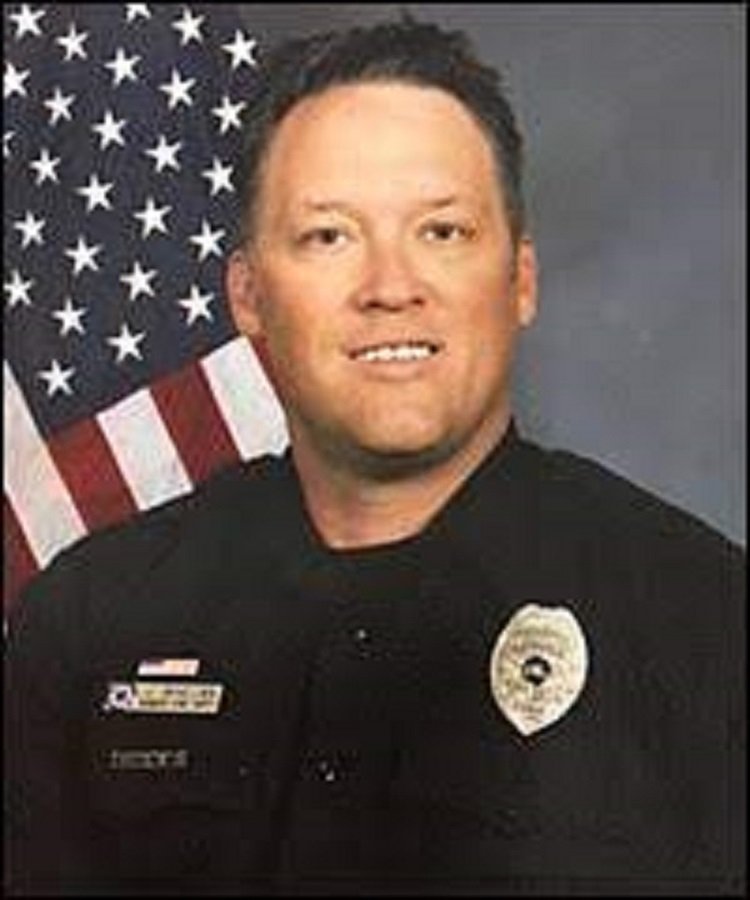
Firefighter/Engineer John P. Whelan III, age 46, was a 15-year veteran of the Denver Fire Department. He graduated from the University of Colorado with a bachelor’s degree in finance in 1991. A few years after graduation, he decided to follow in his grandfather’s and uncle’s footsteps and became a career firefighter. In September of 2000, he started with the Denver Fire Department, and in 2010, he was promoted to engineer. He was survived by his wife Sheri and their son Jackson.
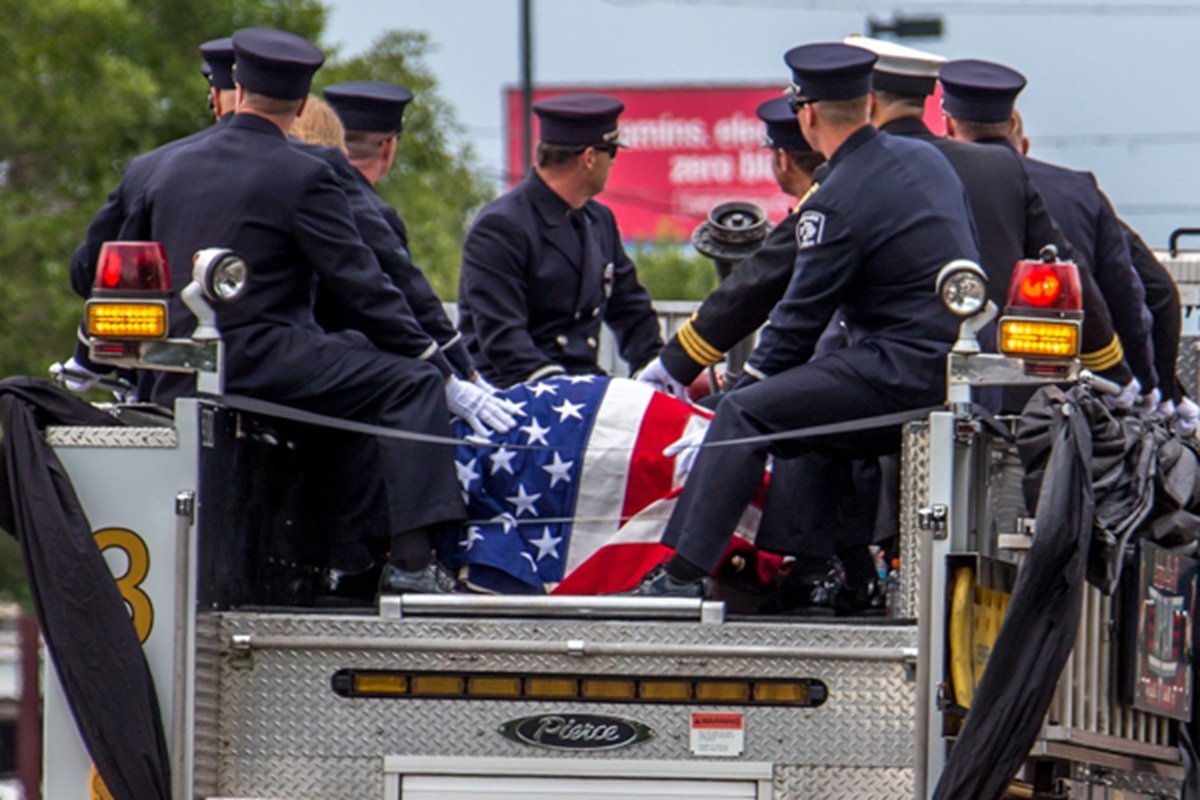
The funeral service for Firefighter/Engineer John P. Whelan III was held at the Faith Bible Church in Arvada on July 21, 2015. Firefighters from across the state gathered to pay their respects to the Whelan family and their sisters and brothers of the Denver Fire Department. At the conclusion of the ceremony a procession of fire apparatus escorted Firefighter Whelan on his last ride with Engine and Truck 8 through the streets of Denver, past Fire Station 8 and then to his final resting place at Mount Olivet Cemetery in Wheat Ridge, Colorado.
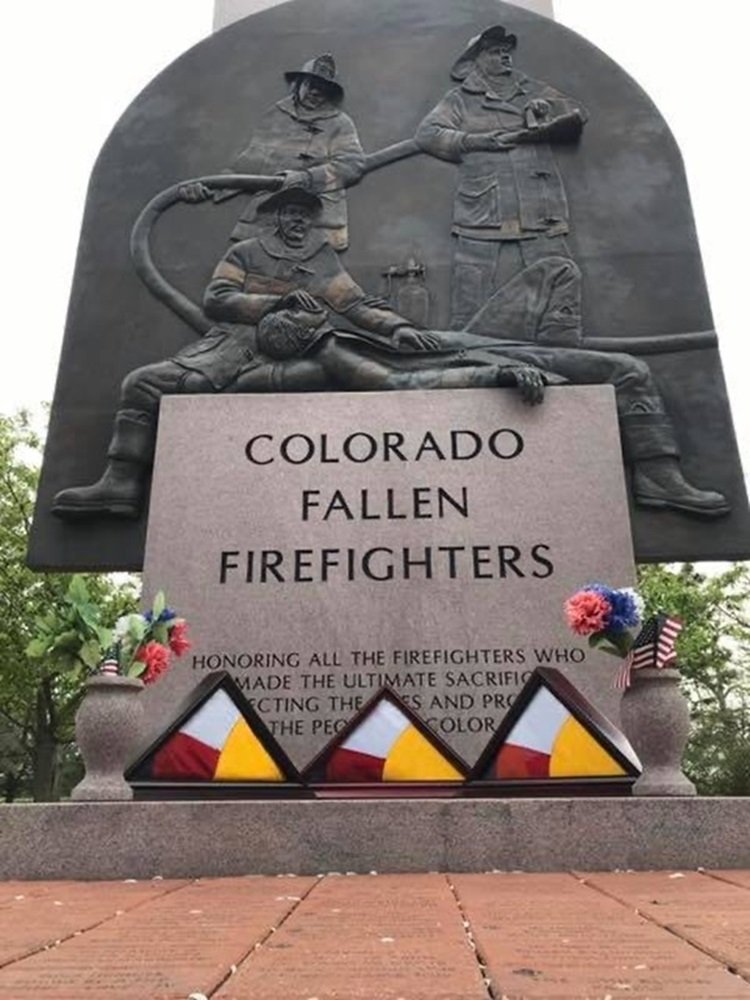
The name of Denver Firefighter/Engineer John P. Whelan III have been honored at the Colorado Fallen Firefighters Memorial in Lakewood. The bronze life-sized memorial on pillars of Colorado rose granite is engraved with more than 172 names of the state’s fallen firefighters. The memorial shows a firefighter rendering aid to a fallen comrade while two others continue to battle the blaze.
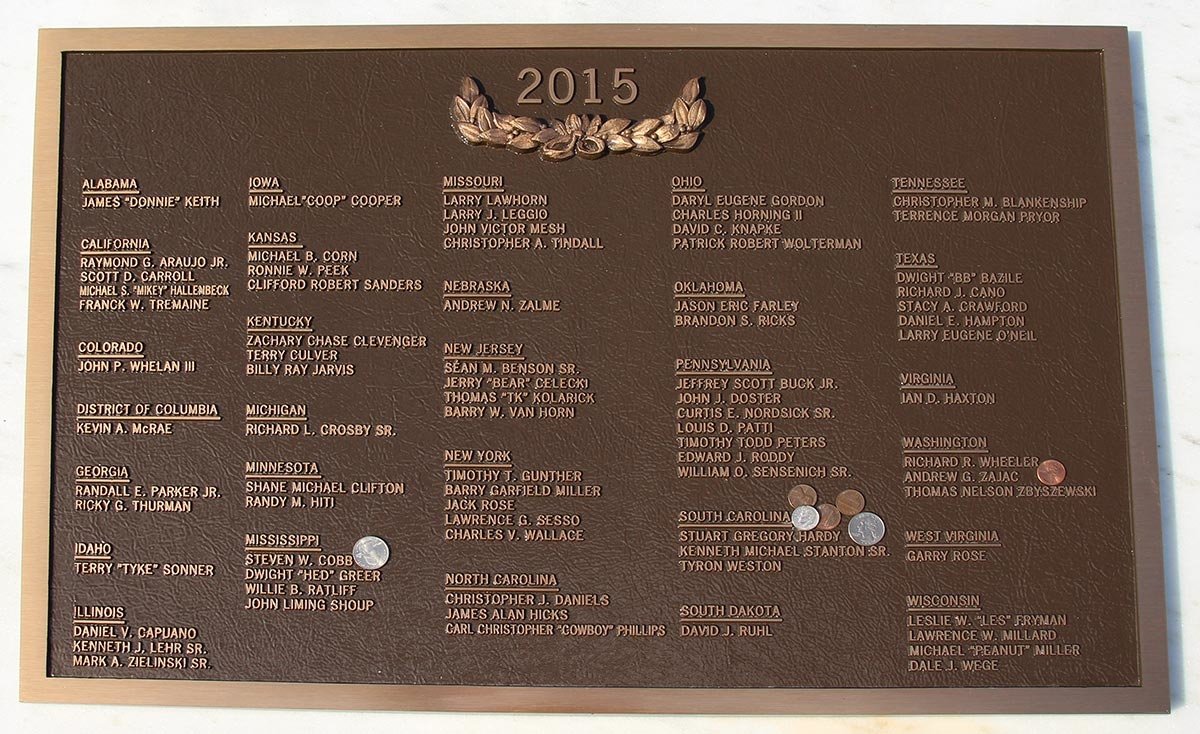
The name of Firefighter/Engineer John P. Whelan III has been inscribed on the 2015 plaque displayed at the National Fallen Firefighters Memorial on the campus of the National Fire Academy in Emmitsburg, Maryland.
Commentary:
Translucent roof panels have a history of near-misses and fatalities from falls to firefighters. The panels are difficult to distinguish in low light conditions. The use of aerial digital imagery programs like Google Maps can be a valuable pre-fire planning tool when surveying your local response district for roofs that may have translucent roof panels. In 2009, a Newark, New Jersey Battalion Chief was seriously injured when he fell through a translucent roof panel while sizing up a fire in an adjacent building. The fire service has not done an adequate job of alerting fire personnel of the hidden dangers of these roof panels.
We have attached photos of the incident and the link to the NIOSH report: https://stacks.cdc.gov/view/cdc/163390
NIOSH issued a Safety Advisory following the Denver incident: https://www.cdc.gov/niosh/docs/2016-110/pdfs/2016-110.pdf?id=10.26616/NIOSHPUB2016110
We have also attached the link to an article that was published on this group page on translucent roof panels:
https://www.facebook.com/groups/192218352449074/permalink/1476838467320383/
Honor the service of Firefighter/Engineer John P. Whelan III by surveying the occupancies in your local response district to identify buildings with dangerous rooftop conditions like the presence of translucent skylights with your crew members today.
Remember Fallen Brothers.
Get Out There And Know Your Local!!!
Command requested that the Truck 8 crew size up the approximate building dimensions. While reporting the building dimensions to Command, Truck 8 Engineer Whelan stepped onto a translucent corrugated roof panel, which cracked under his weight. The roof was not well illuminated, and the translucent panel blended with the rest of the roof. He fell approximately 17 feet onto the concrete floor below. Whelan suffered multiple open bone fractures and vascular damage. He was immediately transported to a trauma hospital where multiple surgeries were performed over a two-week period. On July 9, 2015, Whelan was discharged from the hospital to continue his recovery at home. On July 15, six days after discharge, he experienced sudden onset of severe shortness of breath. He was transported by ambulance to a hospital, but upon arrival in the hospital’s parking lot, Whelan suffered a cardiopulmonary arrest. Efforts to resuscitate the engineer in the hospital’s emergency department were unsuccessful. An autopsy revealed a massive pulmonary thromboembolism originating from a thrombus in his lower extremity formed as a result of blunt trauma injuries sustained during his fall. The pulmonary thromboembolism occurred despite being on anticoagulation therapy.
Aerial view of the fire building showing the translucent skylight roof panels.