Firefighter Suffers Out-of-Air Emergency and Dies During Apartment Building Fire – Hartford, Connecticut – October 7, 2014 – NIOSH Firefighter Fatality Report F2014-19
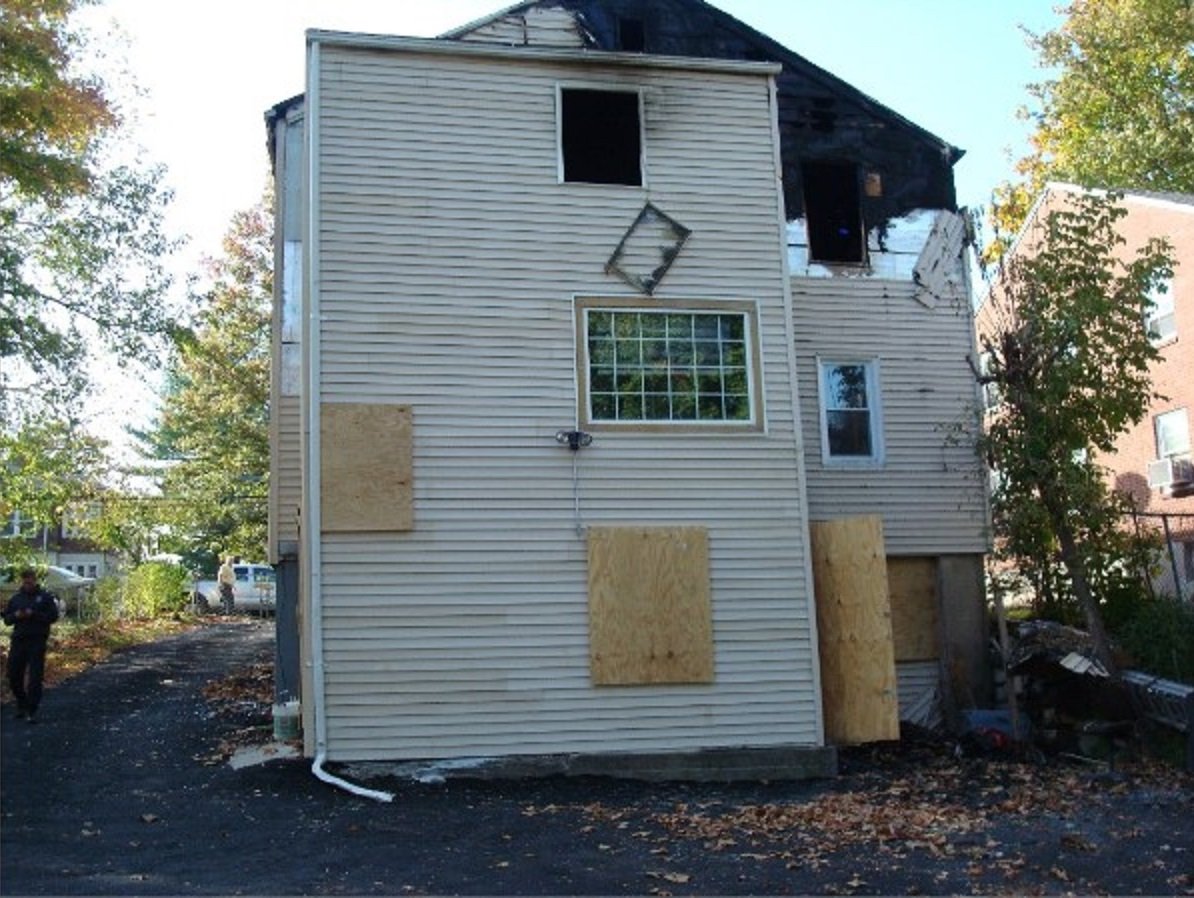
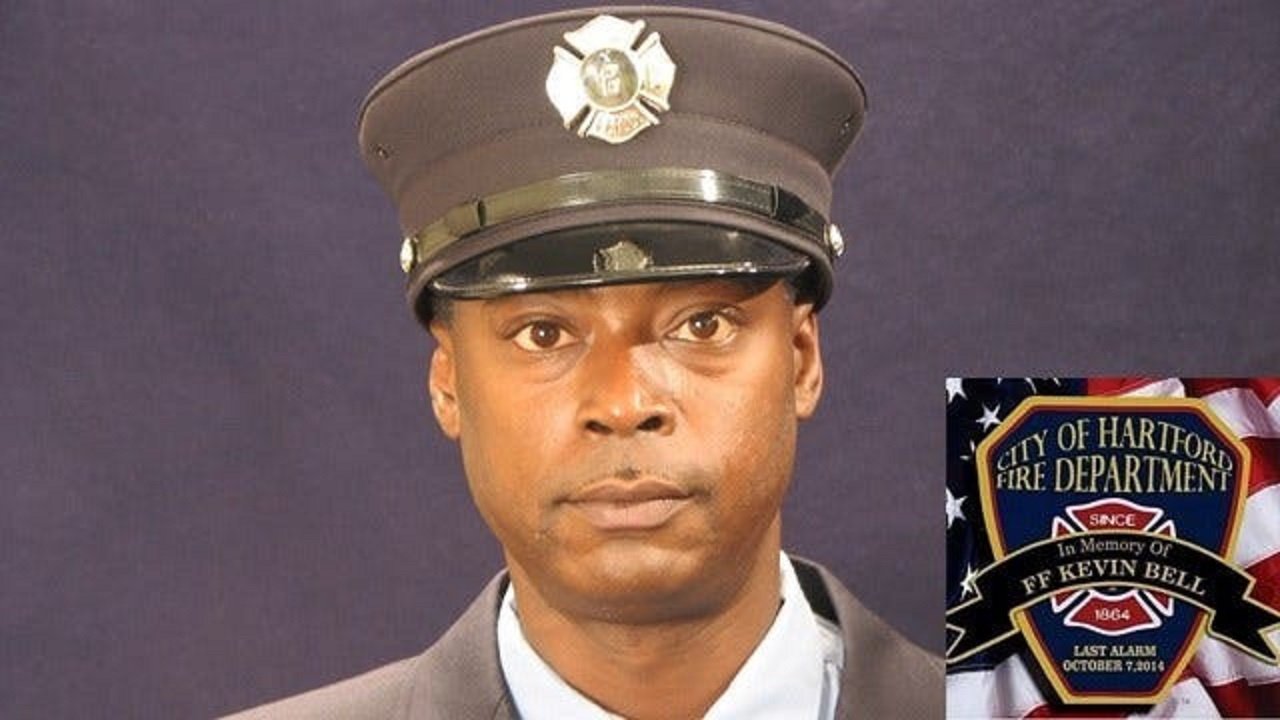
On October 7, 2014, Hartford Firefighter Kevin Bell of Engine 16 died while conducting interior firefighting operations during a two-story residential apartment fire. At 1830 hours, Engine 16 was dispatched to a structure fire reported with smoke showing. The lieutenant from Engine 16 conducted a scene size-up and reported heavy fire showing from the second floor on Side Bravo. Engine 16 Lieutenant John Moree and Firefighter Bell made entry into the front door with a 1.75-inch hoseline and started up the stairs to the second-floor apartment. The apartment was hot with zero visibility. Lieutenant Moree had Bell operate the hoseline towards the ceiling to attempt to cool down the area. Minutes later, Firefighter Bell’s low air alarm activated, and Lieutenant Moree told him to exit the building. The Lieutenant also started to exit the apartment but could not find Bell behind him. A Mayday was called, and Firefighter Bell was later found by the rapid intervention team entangled in a piece of furniture in the apartment. Firefighter Bell was removed from the building and transported to the hospital but pronounced dead upon arrival. One other firefighter was seriously injured during the incident. The cause of the fire which appeared to originate in a second floor apartment bedroom was undetermined by state police fire investigators. Firefighter Kevin Bell was the first Hartford firefighter to die battling a fire in 40 years.
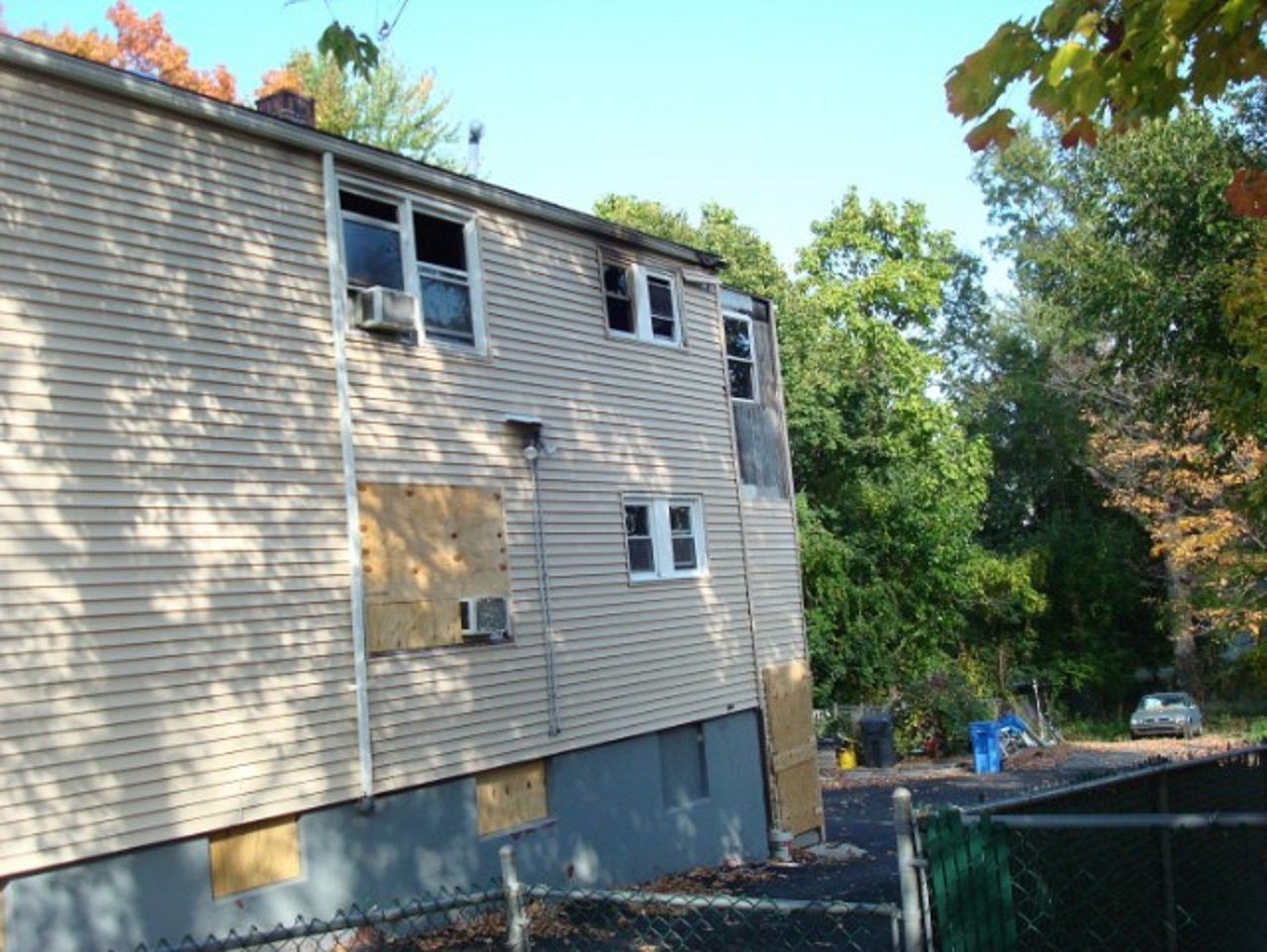
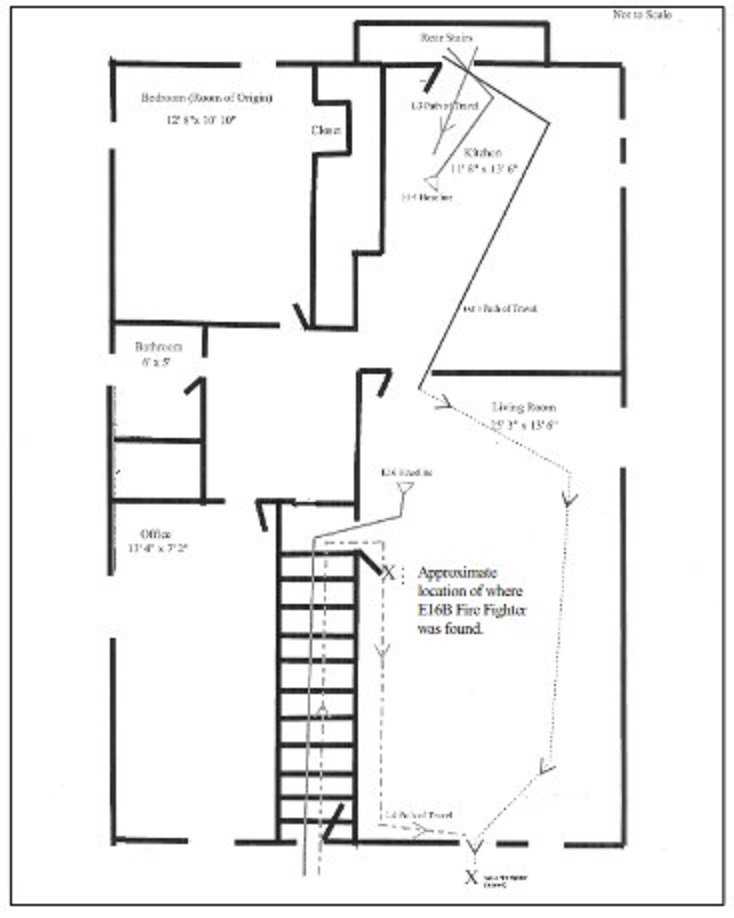
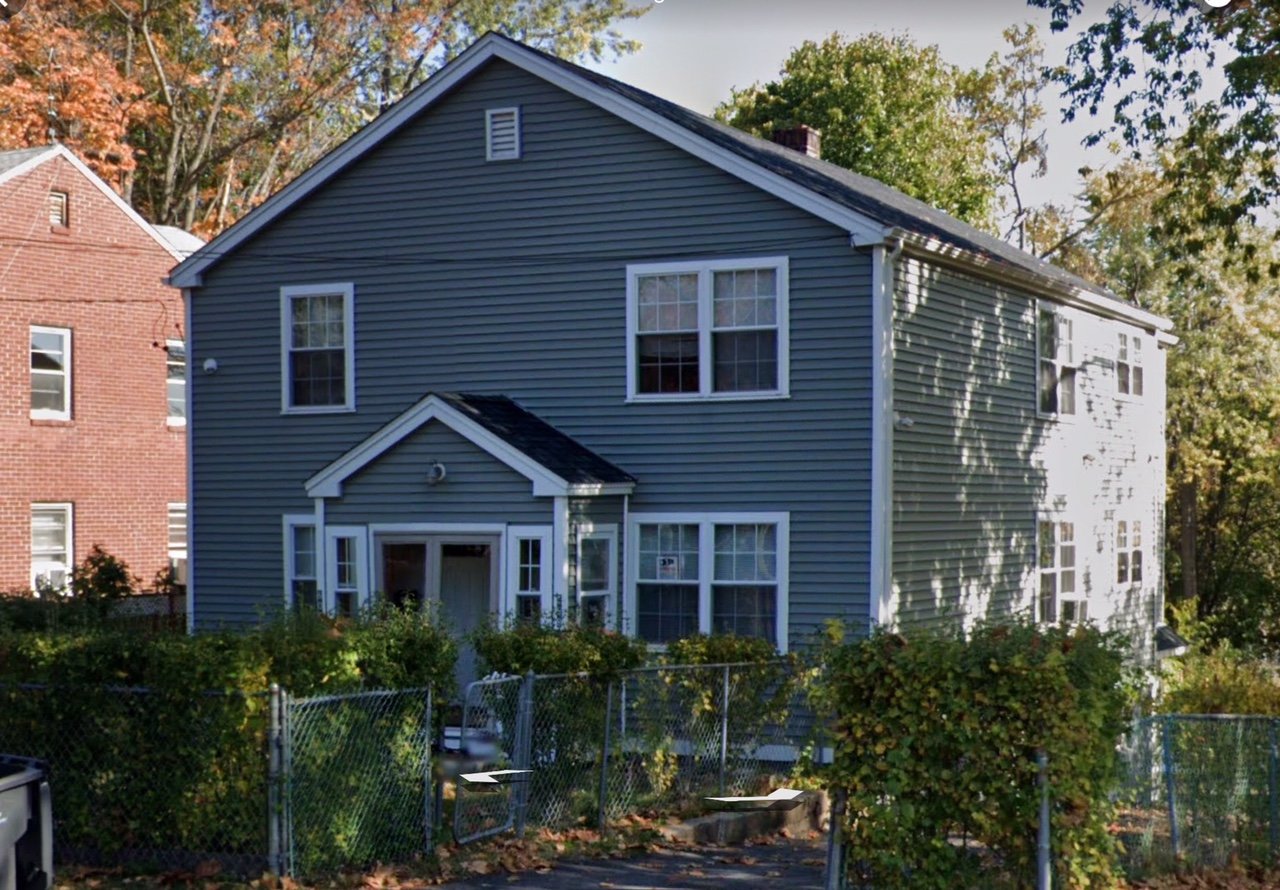
The structure involved in the incident was a two-story Type V Wood Frame construction duplex apartment building that was built in 1953 and constructed of a wood frame on a poured concrete basement foundation that consisted of 2,016 square feet of total living space between two apartments. Each floor consisted of five rooms that included two bedrooms, a living room, a kitchen, and a bathroom. The exterior was covered with vinyl siding, and the pitched roof was covered with asphalt shingles. The structure had a front entrance with two doors: the one on the left opened to an interior stairway to the second floor, and the one on the right to the first-floor apartment. At the top of the stairway was a door with a dead bolt and a second door to the right with a normal entry knob. There was a rear entrance to both floors via a covered porch with stairs to the second floor. The structure had an unoccupied third apartment in the finished basement with an exterior entrance on Side Charlie of the structure. The building’s utilities were electric and natural gas heating.
Hartford is the capital city of the State of Connecticut. The city is located on the west bank of the Connecticut River in the central part of the state. Hartford was founded in 1635 and is among the oldest cities in the United States. At the time of this incident the city was protected by the Hartford Fire Department serving a population of over 125,000 residents in a total area of 17.38 square miles. The fire department employed 395 personnel operating from 12 fire stations, which were divided into 2 districts. A district chief commanded each district. A deputy fire chief commanded each shift. The apparatus fleet consisted of 11 engines, 5 ladders, 1 tactical unit (Heavy Rescue), and numerous special, support, and reserve units. All front-line apparatus were staffed with a minimum crew of 3 firefighters and 1 officer (captain or lieutenant). Two separate private ambulance companies provided emergency medical service. The department averaged about 23,000 calls for service annually.
At the time of the incident the department required fire recruits to attend a 16-week recruit training program at the department’s fire academy. The curriculum covered qualifications for NFPA Fire Fighter I & II, Hazardous Materials Awareness, Hazardous Materials Operations, and emergency medical care. Upon completion of recruit school, the recruit was assigned to a station where they became a probationary firefighter for one year. Firefighter Kevin Bell had six years of firefighting experience with the department. He had completed the recruit and probationary programs and was certified as Fire Fighter I & II and had attended various administrative and technical courses.
Weather conditions on the evening of the incident were clear with a temperature of 69 degrees F, and the relative humidity was 61%. Wind speed was 10 miles per hour from the south with 10-mile visibility (Weather Underground). Note: Research by the National Institute of Standards and Technology (NIST) has shown wind speeds on the order of 10 to 20 mph are sufficient to create wind-driven fire conditions in a structure with an uncontrolled flow path (Madrzykowski and Kerber 2009). The weather conditions on the evening of the incident may have had a significant effect on fire growth and the outcome of the incident.
On Tuesday, October 7, 2014, at 1830 hours, the Dispatch Center transmitted an alarm for a structure fire with smoke showing at 598 Blue Hills Avenue in the Blue Hills section of the city. The initial units dispatched included Engine 16, Engine 14, Engine 7, Ladder 4, Ladder 3, Tactical Unit 1, and District Chief 2. Upon arrival, Engine 16 advised this was a working fire. This upgraded the alarm to a working-fire dispatch, which added another district chief and two additional engines.
Engine 16 Lieutenant John Moree observed heavy smoke in the air from a block and half away. Engine 16 laid into the fire from a hydrant approximately a block and half away from the fire building. A firefighter from Engine 16 was the hydrant man and made the connection and waited for the order to charge the supply line. Engine 16 pulled past the building to allow space for Ladder 4. Firefighter Kevin Bell from Engine 16 pulled a 1.75-inch hoseline while Lieutenant Moree radioed heavy fire was showing on Side Bravo. At approximately 1834 hours, Ladder 4, Engine 14, and District Chief 2 arrived on-scene.
District Chief 2 assumed Command while Engine 14 laid a supply line from a hydrant two blocks away. Ladder 4 forced the first-floor door to the second-floor apartment. Lieutenant Moree and Firefighter Bell made entry into the stairwell and started up the stairs to the second-floor apartment. The crew from Ladder 4 passed the Engine 16 crew and went to the top of the stairs. In near zero visibility, Ladder 4 felt a dead bolt on the door at the top of the stairs in front of them but no doorknob, then felt a locked doorknob on a door to their right, which Ladder 4 forced open. The Engine 14 crew had a back-up 1.75-inch hoseline on Side Alpha and were redirected by Command to go to Side Charlie and make entry up the stairs. The crew from Engine 7 replaced Engine 14 on Side Alpha to back up Engine 16. At approximately 1839 hours, Engine 14, with the help of Ladder 3, made entry on the second-floor rear with a charged 1.75-inch hoseline. Engine 5, District Chief 1, and Engine 2 arrived on-scene. Command assigned District Chief 1 as the Safety Officer, Engine 5 as RIT, and Engine 2 as Rehab.
Upon entry, Lieutenant Moree reported the apartment was hot with zero visibility. At approximately 1840 hours, the lieutenant had the hoseline charged and had Firefighter Bell pencil the ceiling to cool down the room. Ladder 4 also reported the second-floor apartment was hot with zero visibility and began a right-hand search on their knees. Minutes later, Ladder 3 reported to Command that Engine 14 was hitting the fire from Side Charlie. Another firefighter from Engine 16 had gone to the rear with Engine 14. About this time, Firefighter Bell’s low air alert sounded, and the lieutenant told him to exit. Tactical Unit 1 had made entry from the rear stairwell to the second-floor apartment. They passed Ladder 3 and Engine 14 in the kitchen area. Tactical Unit 1 began pulling the ceiling in the living room looking for fire.
A firefighter from Ladder 4 vented the picture window on Side Alpha of the second-floor apartment. The Ladder 4 lieutenant reported a rapid increase in heat in the apartment and ordered his crew out. Lieutenant Moree headed for the door but lost contact with Firefighter Bell. Lieutenant Moree found the hoseline with the nozzle shut off near the door. Due to the extreme heat in the room, Lieutenant Moree opened up the nozzle to cool down the room. Three members of Tactical Unit 1’s crew who were in the living room near the kitchen pulling ceilings, were struck by a hose stream coming from somewhere near Side Alpha of the living room. The crew became separated. One member of Tactical Unit 1 exited out the rear stairwell through the kitchen. The other two firefighters reported being hit in the face and chest by a hose stream and momentarily became disoriented. One member made it to the kitchen and located a lieutenant and a firefighter who had also been hit by a hose stream.
Engine 14’s hoseline had become loose, but they were able to secure it. All the firefighters who were hit with the hose stream had their helmets knocked off and SCBA facepieces dislodged. An Engine 14 firefighter became disoriented and confused having been hit twice with the hose stream. He needed assistance exiting the structure. Firefighter Jason Martinez from Tactical Unit 1 had taken a direct hit to the face; he lost his helmet, his facepiece was dislodged, and he was knocked down by the hose stream. He stated he was unconscious for a brief period of time. He was unable to locate his helmet and facepiece and stated that his head and eyes were burning from the extreme heat in the apartment. He used his wet gloves to try to cool his head and face. He was unable to locate any firefighters or use his radio. He ended up at the Side Alpha picture window that Ladder 4 had previously vented. Firefighters on the ground noticed him at the window and tried to communicate to him that they were getting a ground ladder. At approximately 1846 hours, Firefighter Martinez lost consciousness and tumbled out the window to the ground. Command ordered everyone out of the structure and requested a medical unit. The EMS crew arrived, and Martinez was transported to the hospital. Note: Firefighter Martinez sustained burns to his head, ears, neck, shoulder, and wrist; he was hospitalized in a burn unit for approximately 23 days.
Lieutenant Moree continued the search for Firefighter Bell until his low air alert activated. Moree stated that he called a Mayday, but it was not acknowledged; he also tried to radio Firefighter Bell. The Lieutenant crawled out of the apartment with no air left in his cylinder and exited the structure. Upon his exit, Moree had noticed that a firefighter was being attended to on the ground on Side Alpha. On several occasions, Command tried to contact Lieutenant Moree with no response. For several minutes, Moree tried to locate Firefighter Bell with no success. At 1856 hours, Lieutenant Moree notified Command that he couldn’t find his firefighter. Immediately, Command tried to radio Firefighter Bell but got no response.
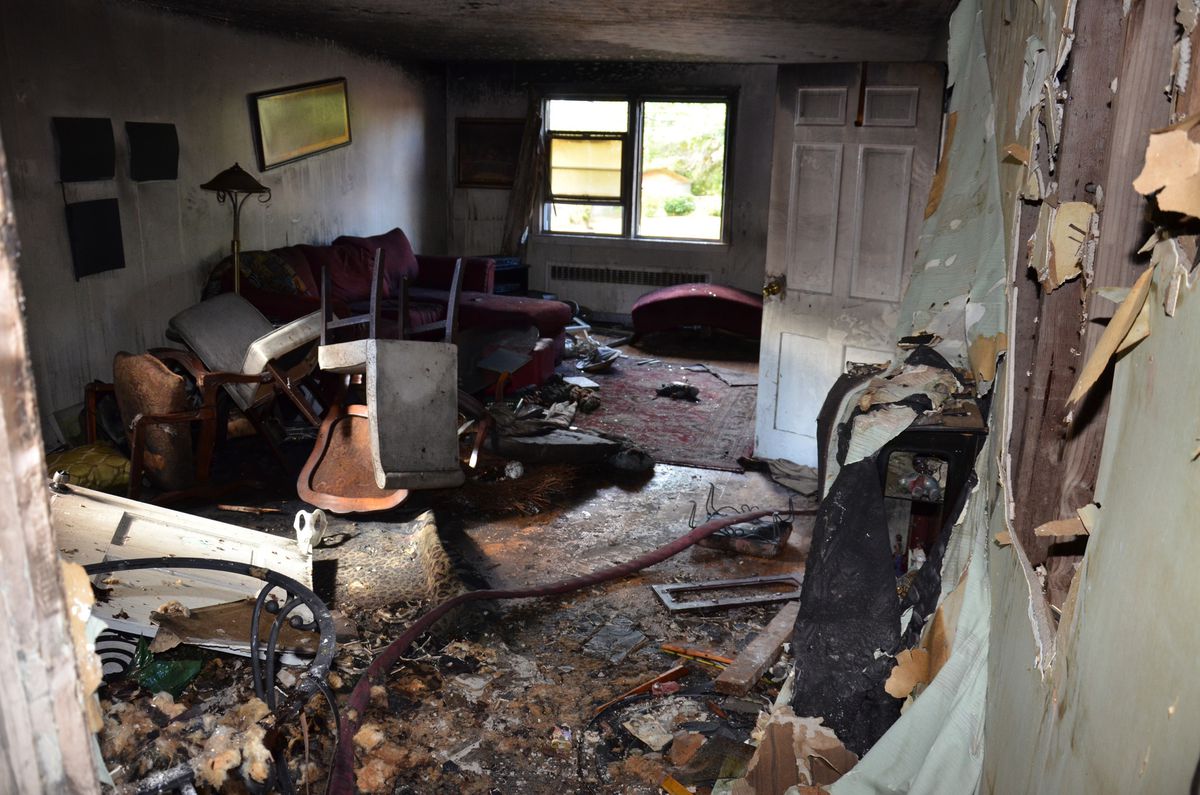
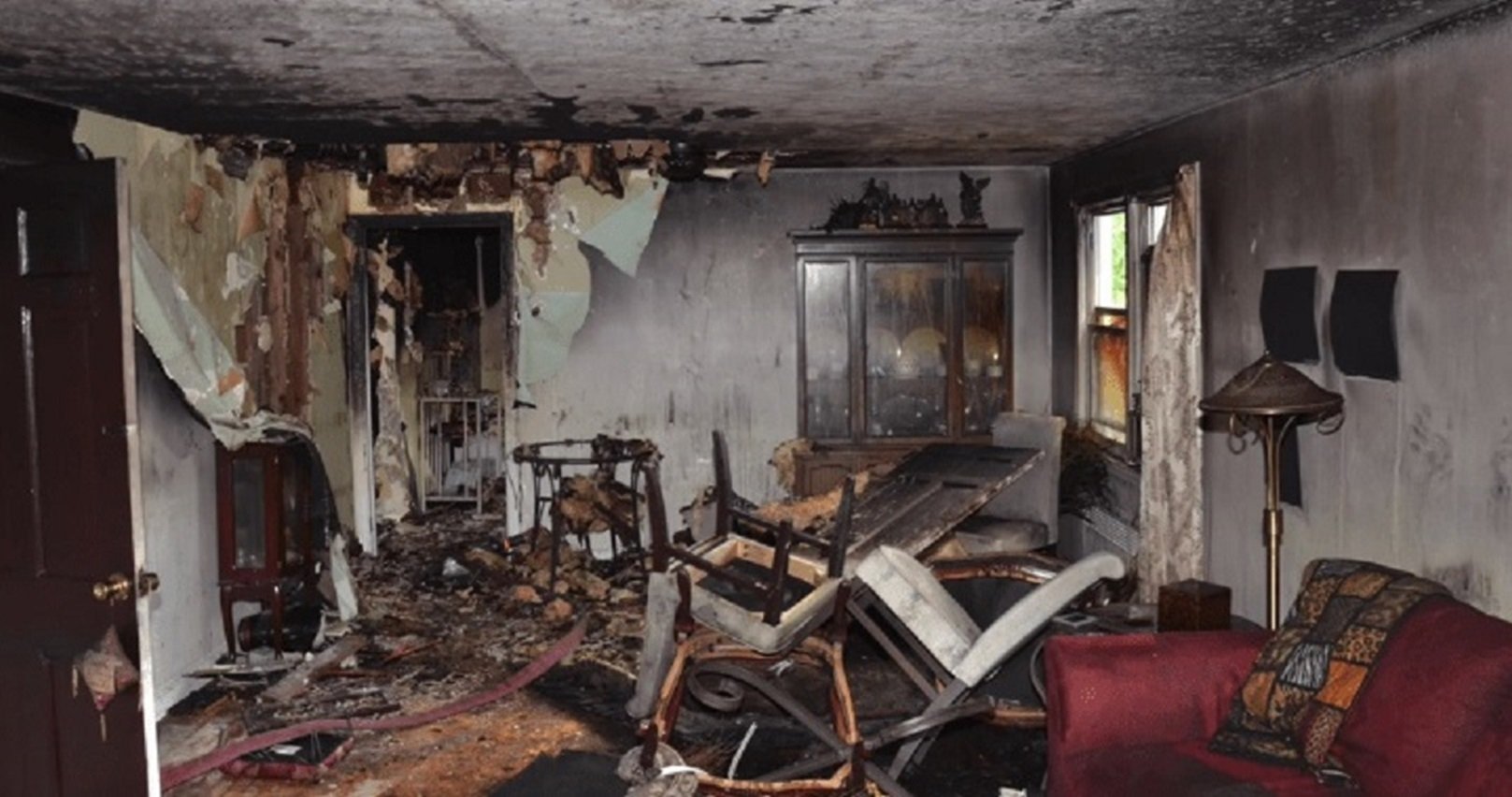
At 1858 hours, Command activated the RIC, which sent Engine 5 and Tactical Unit 1 into the apartment. Engine 5 made entry into the second-floor apartment. The Engine 5 officer looked at his thermal imager and the screen was white, but he heard a PASS alarm going off to the right of the door. Firefighter Bell was found lying on his right side near the door. The crew grabbed the downed firefighter, but he appeared to be caught on something. Bell’s lower right leg and foot were entangled in a piece of wrought iron furniture. The RIC crew untangled him and carried him down the stairs to EMS waiting outside. Firefighter Bell’s SCBA was intact and properly donned on his face, but the air cylinder was empty. At 1900 hours, EMS started CPR on Bell. He was transported to the hospital but pronounced dead upon arrival. Firefighter Bell did not appear to have sustained any burns or other life-threatening injuries.
At 1909 hours, Engine 2 and Ladder 5 crews knocked down the fire in the bedroom on the Bravo/Charlie corner.
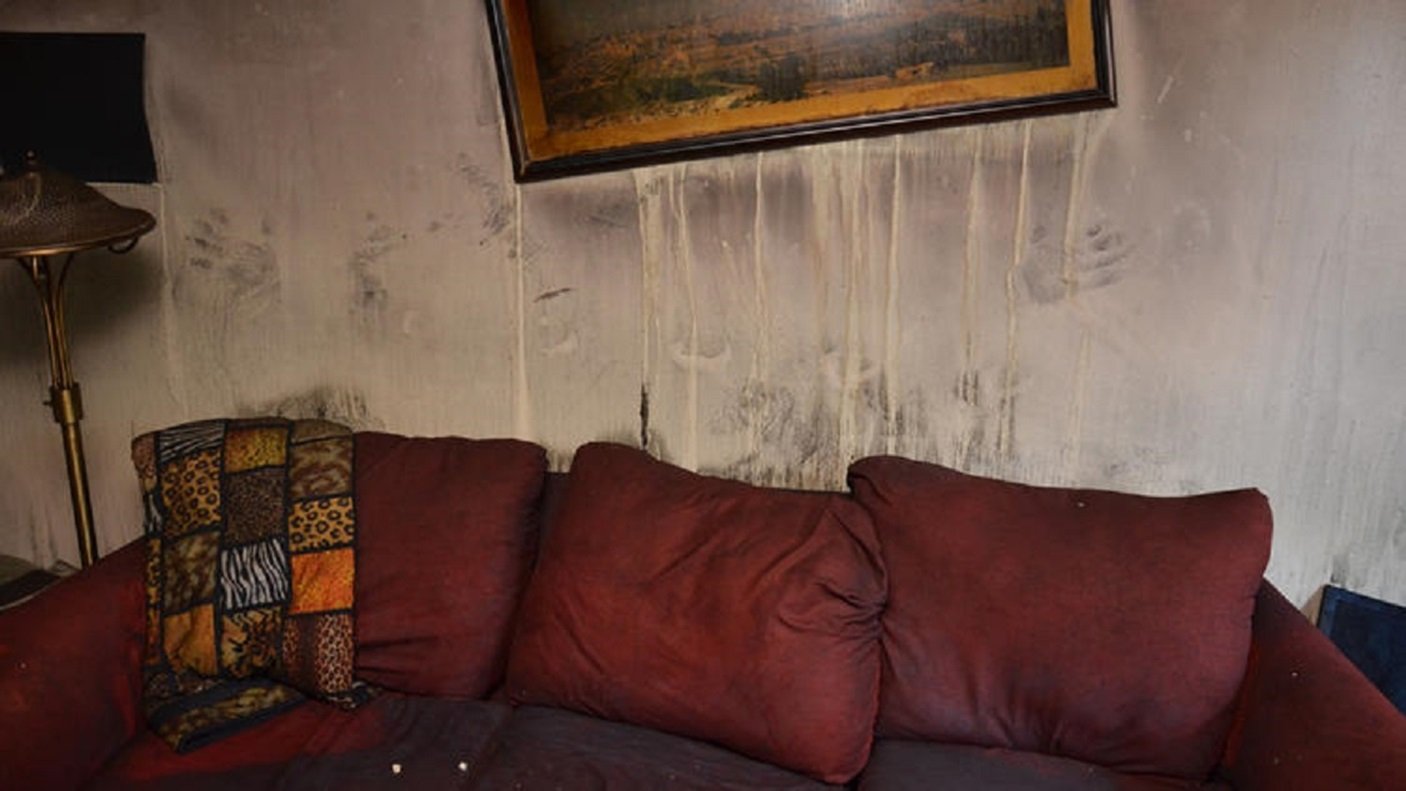
The Connecticut State Police’s Fire and Explosion Investigation Unit investigated the origin and cause of the fire. The fire originated on the second floor, in the bedroom on the Bravo/Charlie corner of the fire structure. The cause of the fire was undetermined. Investigators found several indicators of significant fire behavior:
- Smoke on Bravo/Charlie corner upon arrival.
- Fire showing on Side Bravo.
- Heat and heavy, black smoke throughout the second floor.
- Fire self-vented out two windows on Bravo/Charlie corner and extended up the exterior wall.
- Heavy fire at the Bravo/Charlie corner on the second floor and attic.
- No vertical ventilation at this time.
- Heat and heavy, black smoke continue to fill second floor.
- Side Alpha window was removed, creating a flow path for the fire.
- Fire knocked down approximately 41 minutes after arrival.
NIOSH investigators identified the following items as key contributing factors in this incident that led to the fatalities:
- Fireground tactics.
- Crew integrity.
- Personnel accountability.
- Air management.
- Mayday procedures.
- Fireground communications.
- Ventilation.
- Personal protective equipment use.
- Live fire training.
- Unsprinklered occupancy.
According to the chief medical examiner’s report, the cause of death of Firefighter Kevin Bell was lack of breathing air. The report listed cardiac hypertrophy (thickening of the walls of the heart) as a contributing factor. Note: Toxicology reports later determined that the firefighter had alcohol and the presence of THC, a primary substance found in marijuana in his system when he died.
Federal, state police and local investigations of the incident were conducted. Among conclusions reached by a fire department board of inquiry were that there was a failure to properly search the room in which Firefighter Bell was trapped and that no one heard Lieutenant Moree’s Mayday distress call while firefighters were still in the building. The state police report questions why as many as seven firefighters were in one room, in some cases unaware of each other, and attacking the fire from different directions. In the aftermath, the department has made changes, including improvements in communications and firefighting procedures, and a marked increase in training.
Firefighter Kevin Lamont Bell, age 48, was a six-year member of the Hartford Fire Department. In his off-duty time Bell served as a youth basketball coach and loved to perform as a DJ. He was survived by his wife, Wayatte Statham-Bell, daughter, Racquel Bell and their dog, Chanel. He was also survived by his mother, Cheryl Bell, and his father, Manuel Gomes; brothers, Shawn Bell Sr. (Kimberly) and Elliot Bell; sisters, Torraine Grimes (Sean) and Sharonda Bell; and a large family of relatives and friends.
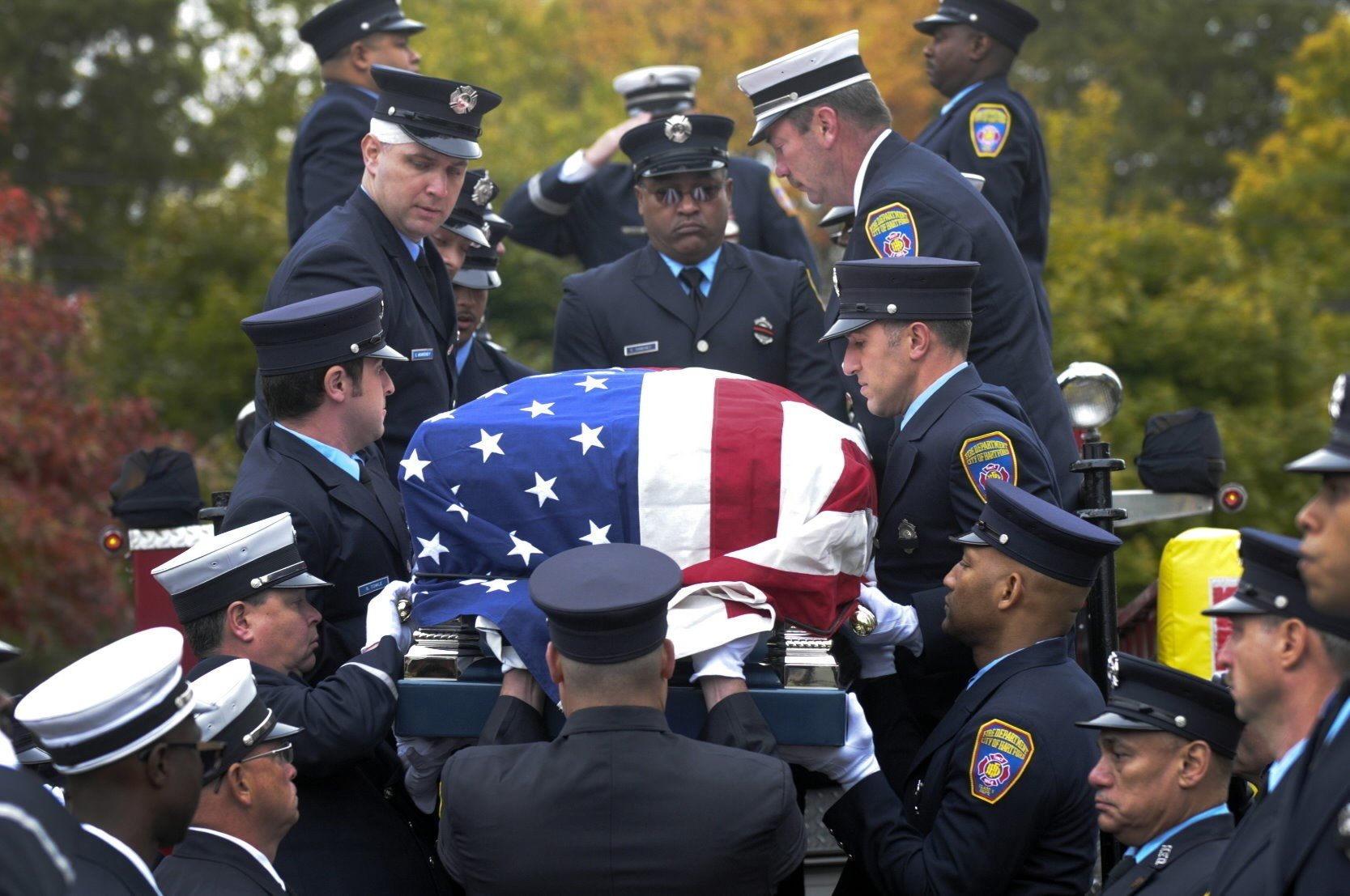
Hundreds of area firefighters attended the funeral services with full departmental honors for Firefighter Kevin Lamont Bell held on October 13 at First Cathedral Church in Bloomfield, Connecticut. An honor guard stood by as the ranks of uniformed firefighters raised their white-gloved hands in salute as the casket of the fallen firefighter was placed on the back of Engine 16 for the procession to Mount St. Benedict Cemetery in Bloomfield for interment.
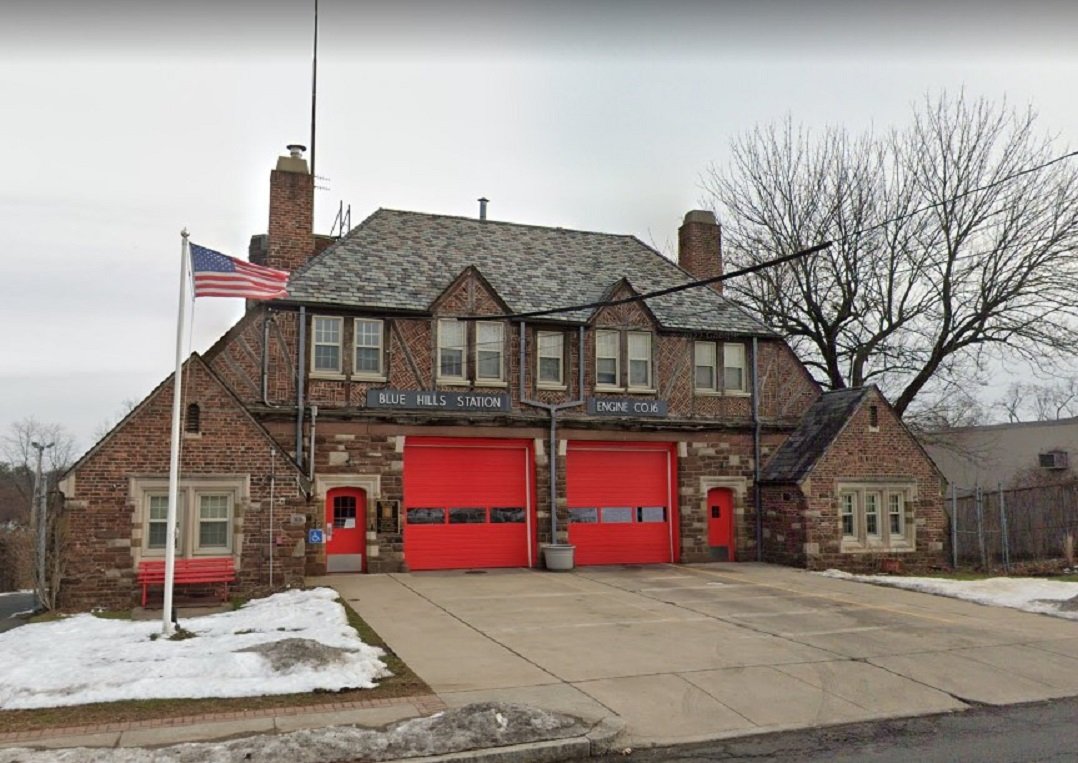
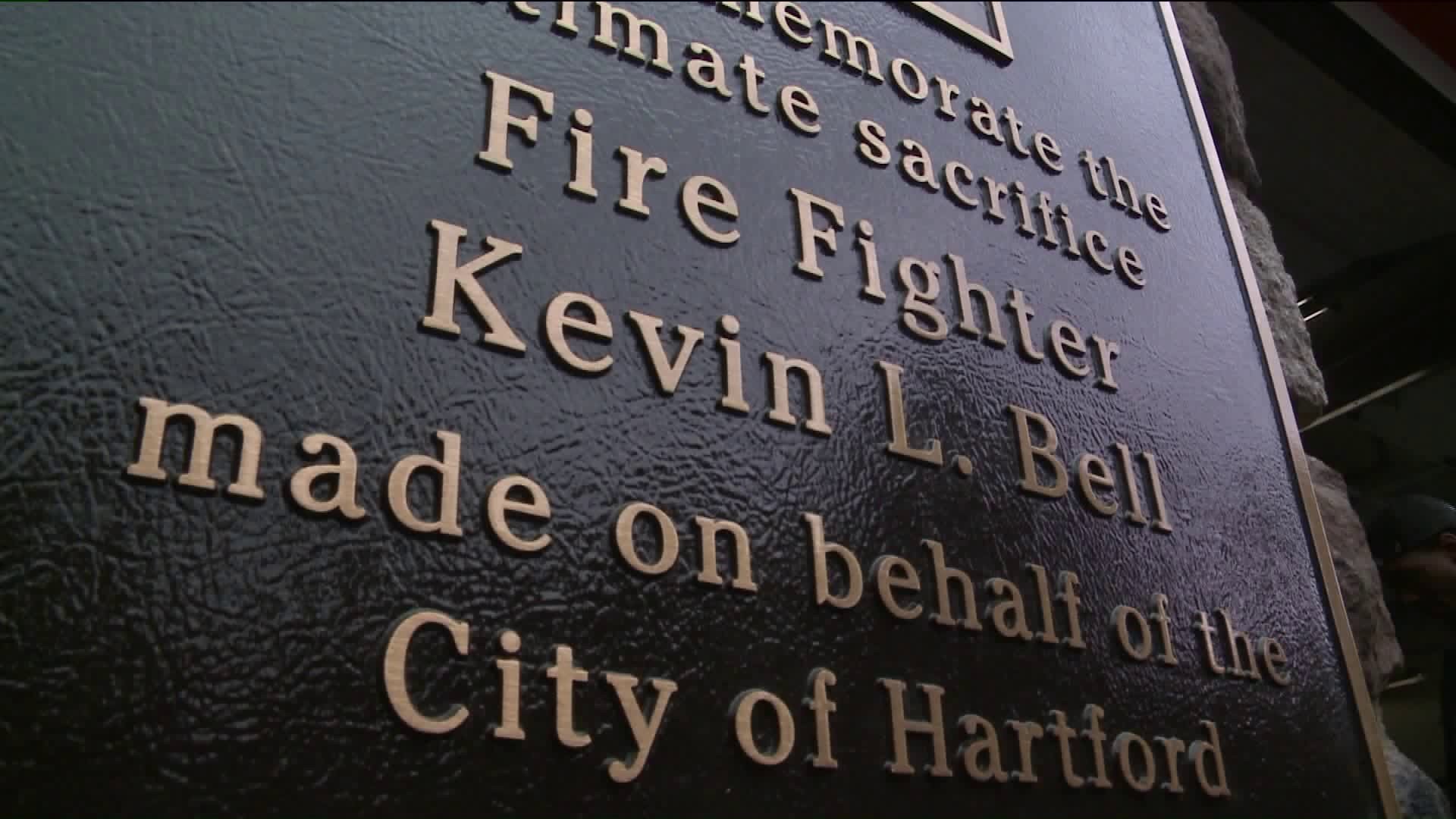
In April of 2017, the Hartford Fire Department renamed the quarters of Engine Company 16 “The Kevin Bell Fire Station” in honor of Firefighter Kevin Bell. A bronze memorial plaque honoring the fallen firefighter was placed on the front of the station.
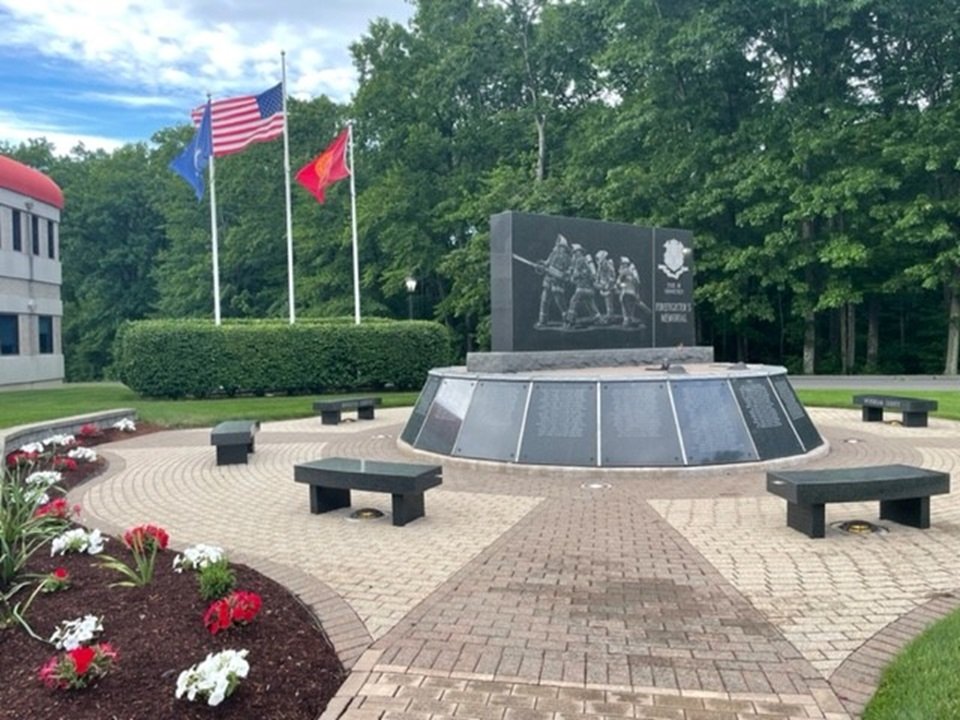
The name of Firefighter Kevin Bell has been inscribed on the Connecticut Fallen Firefighters & 911 Memorial located on the grounds of the Connecticut Fire Academy in Windsor Locks. The memorial features firefighters in action etched on a black impala granite panel surrounded by a landscaped garden and eternal flame. Engraved granite plaques ring the base of the monument bearing the names of 358 Connecticut firefighters who have lost their lives in the line of duty. The 911 Memorial located next to the Firefighters Memorial is a large I beam recovered from the World Trade Center after the terrible attack on September 11, 2001. This I beam is mounted into the ground positioned vertical on a pentagon brick walkway which is accompanied by a chime similar to the chime located at the Flight 93 National Memorial in Shanksville, Pennsylvania.
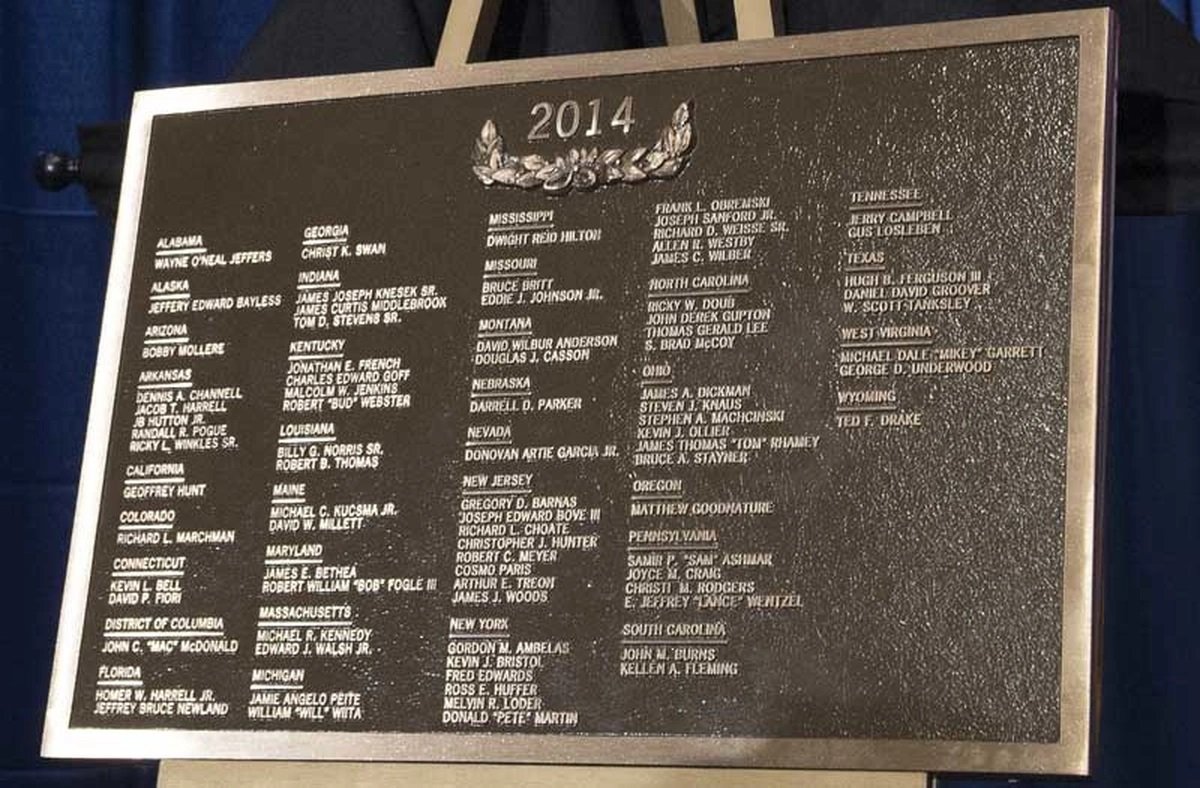
The name of Firefighter Kevin Bell has been inscribed on the 2014 plaque displayed at the National Fallen Firefighters Memorial on the campus of the National Fire Academy in Emmitsburg, Maryland.
Following the incident, the family of Firefighter Kevin Bell filed a wrongful death civil lawsuit against the City of Hartford, citing problems with fire department equipment and a lack of training, along with other complaints. The lawsuit blamed the City and Fire Chief Carlos Huertas, Deputy Chief James McLoughlin, and Lieutenant John Moree for a number of mistakes, including:
- non-compliant SCBA.
- lack of accountability.
- known problems with the departments radio system.
- lack of annual live fire and tactics training.
- lack of training for the incident commander.
- serious command errors.
- abandoning Firefighter Bell in the building.
- an eight-minute delay in responding to a Mayday.
The lawsuit was settled for $350,000. As part of the settlement agreement, the city will work with the Bell family to determine an appropriate way of honoring Firefighter Kevin Bell.
Commentary:
The coordination of fire attack and ventilation operations are critical at all fire operations. The untimely or early venting of wall or roof openings can accelerate fire spread in interior rooms and voids. Failure to provide timely ventilation can make for punishing conditions for interior crews and may lead to backdraft and smoke explosion conditions. Attacking a fire from opposite directions on the same level can create opposing hose streams. Maintaining crew integrity during all operations allows members to retreat quickly as a unit if conditions rapidly deteriorate. Radio procedures are critical to convey accurate information between Command and the operating crews. Too often we hear that a Mayday transmission is not acknowledged. According to the data compiled by the Mayday Project, 36.5 percent of Maydays were missed on their first call.
We have attached photos from the incident. The link to the NIOSH report is here:
https://stacks.cdc.gov/view/cdc/163391
We have also included a link to an article by Rick Lasky published in Fire Engineering magazine titled “Managing the Mayday.”:
https://www.fireengineering.com/firefighting/managing-the-mayday/
We have also included the link to an article on commanding the Mayday by James Purdom published in Fire Engineer magazine: https://www.fireengineering.com/firefighting/fire-leadership/commanding-the-mayday-training-preparation-leadership/
We have also included the link to an Emergency Traffic podcast reviewing the incident produced by group member Paul Prevost: https://open.spotify.com/episode/7xwcaHGUsWs7Z1qxuwuWM6
Thanks to multiple media sources for additional information for this article.
Honor the service of Firefighter Kevin Bell by reviewing and practicing your department’s Mayday procedures with your crew members today.
Remember Fallen Brothers.
Get Out There And Know Your Local!!!
Side Alpha street view of the duplex. Engine 16 and Ladder 4 made entry into the building through the left doorway.

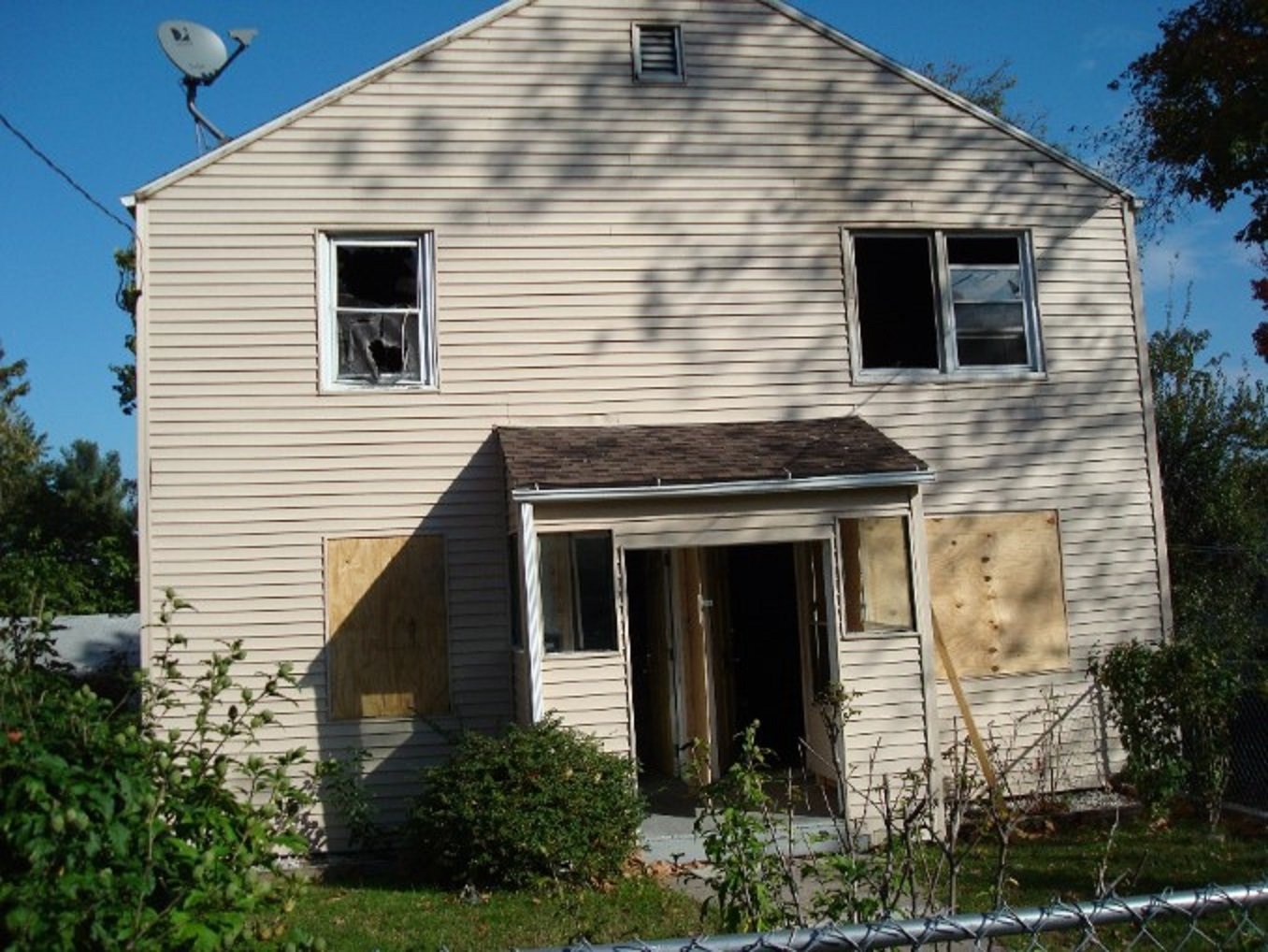
Post fire photo of Side Alpha of the fire building.