
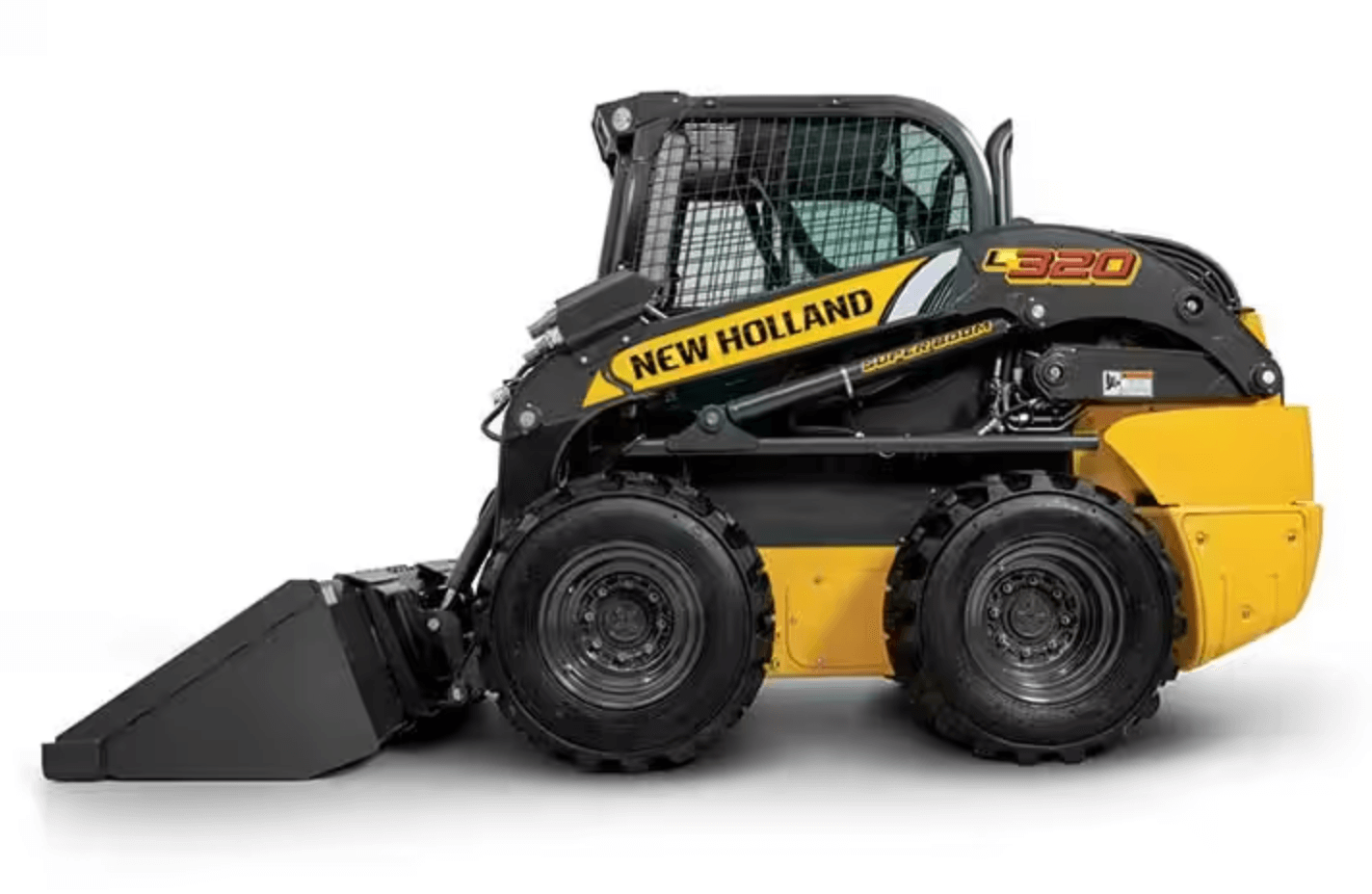
Firefighter struck by equipment- On Monday, Feb. 9, while working on a grass/vegetation fire, one of our firefighters was struck by a skid steer loader. The fire had extended to some hay bales on the edge of a field, the landowner was using a skid steer to move the hay bales into the black/burnt areas, and crews were unrolling the bales by hand and allowing them to burn. This has been common practice in our area for many years, as unrolling them allows them to burn more quickly. If left whole, they can burn for days/weeks and later cause fire spread if winds shift or become strong. 3 firefighters were working to unroll a bale. The operator of the skid steer had grabbed another bale to bring it to the firefighters for unloading. The bale was burning and creating smoke that blocked the skid steer operator’s vision; he did not see the firefighters, who also had their backs to him. He struck one of the firefighters with the bale/attachment on the loader. The firefighter was thrown approximately 6 feet onto the hot ground. The machine operator did not realize that he had struck a firefighter, and one of the other firefighters hit the loader with a rake, which caused it to stop, preventing it from running over the now downed firefighter. A mayday was broadcast by the downed firefighter, and his crew immediately began assessing him. Command was actively involved in operations, missed the mayday, and had no idea what had just happened. Our dispatch center received the Mayday and called command to notify them of the Mayday on the fireground. The downed Firefighter was removed, and a medic unit was called for. The firefighter was transported to our nearest trauma center (40 min away). Luckily, the Firefighter sustained only some minor burns and no broken bones or internal injuries, just very bruised and sore.
LESSONS LEARNED:
Lessons learned- Command needs to be command, not a part of direct operations. What were we doing? Saving hay bales. We do not need to risk our people to save some hay bales. SOG is in development for use with/around equipment. Initial plans: assign the equipment operator a radio and a liaison to have direct contact with the operator (spotter). Crews will maintain a 50 ft. work area/radius around the machine/equipment. Additional lessons/plans- Mayday protocols for vegetation fires; we have one for structure fires, but there are some differences. Assign a safety officer to vegetation fires. We also had a great dispatcher who caught the mayday, but identified a gap in our communications processes. For single-station/dept incidents, crews remain on our main dispatch channel; for multi-dept incidents. If the company response is moved to an OPS/Tac channel. On the day of this incident, there were 5 other incidents (all single-unit/company) happening, so there was a LOT of traffic from multiple incidents. The plan is to move all working fire incidents (Vegetation or otherwise) to an OPS channel for closer monitoring by our ECC. The last refreshing piece was that there was an across-the-board agreement that we had gotten complacent about vegetation fires and safety. We have focused heavily on safety for structural and other fires, but have not maintained a strong attitude toward safety in grass fires. This incident was an eye-opener for all that bad things could happen in ANY incident. Thankfully, one firefighter is just a little banged up and had no major injuries, but it could have been much, much worse.
