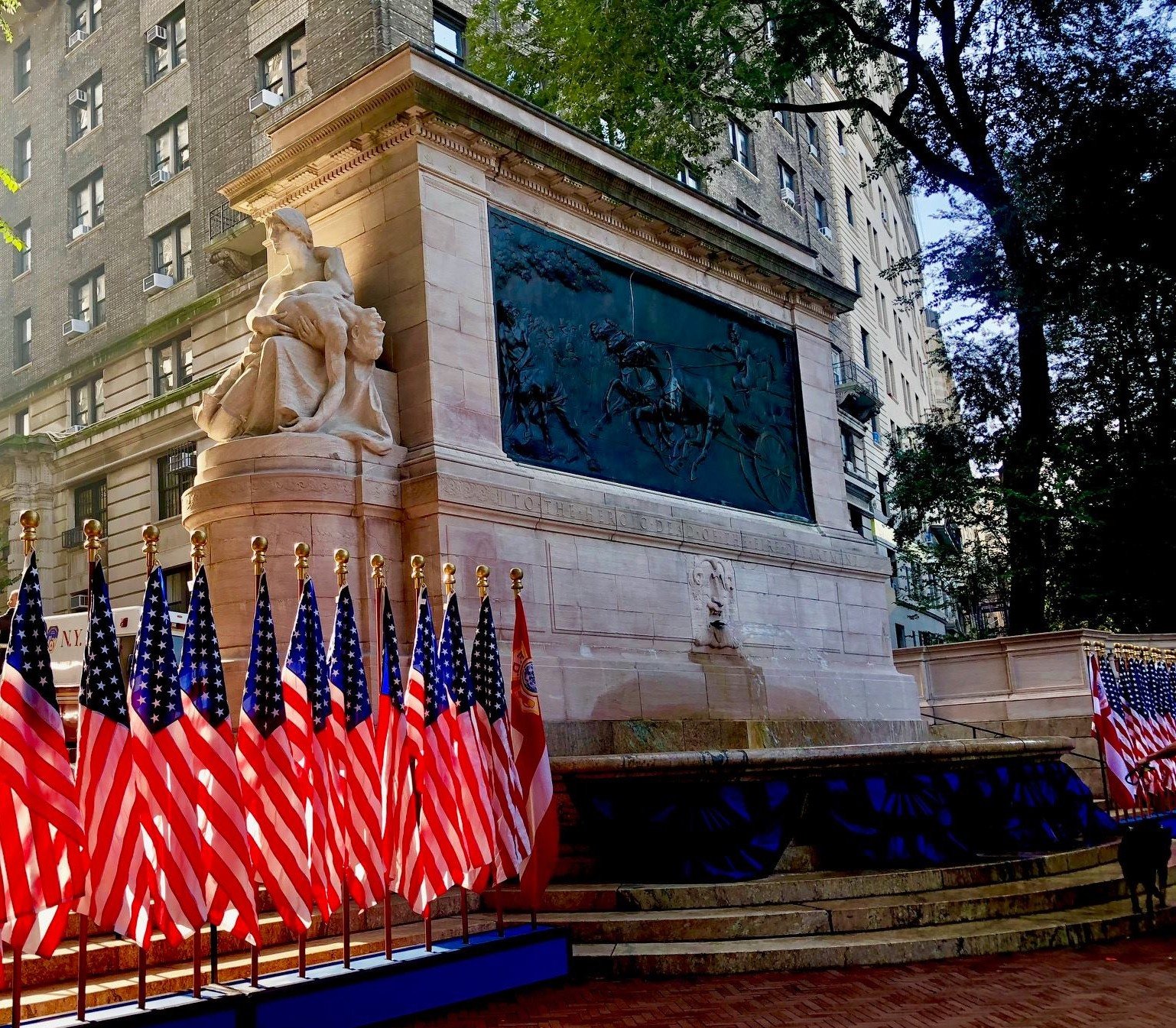
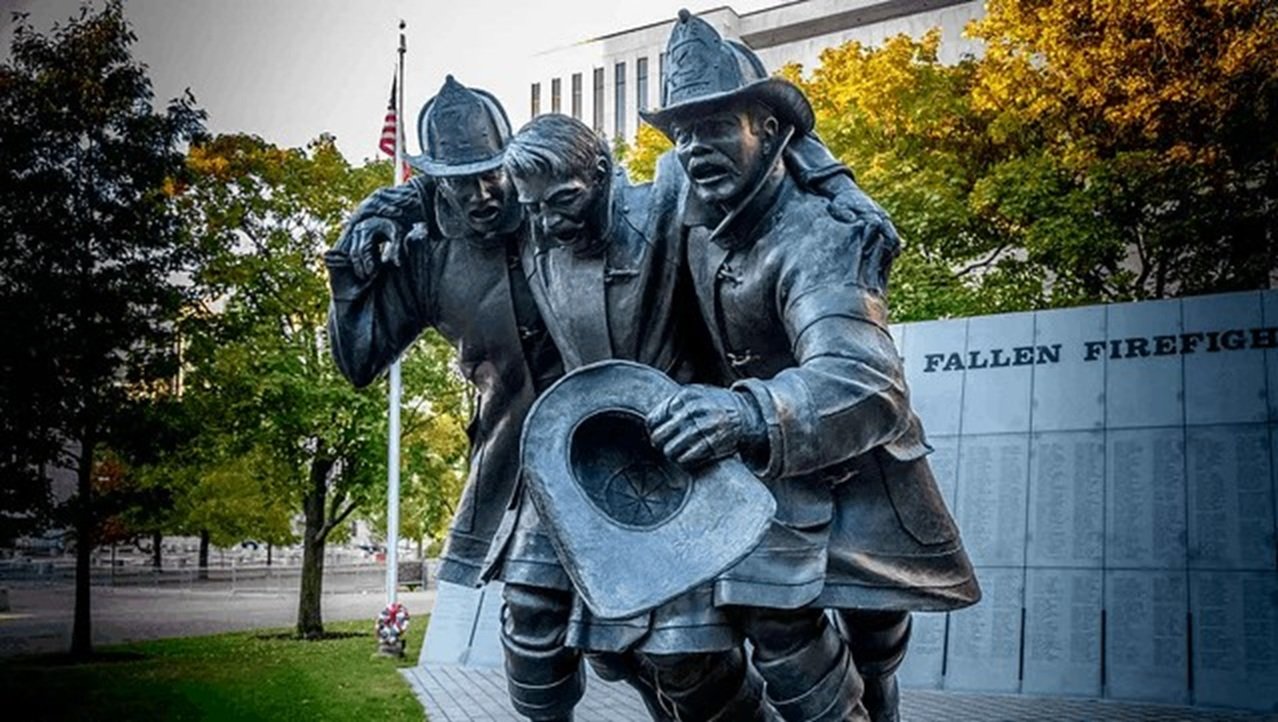
Firefighter Dies After Fall From Fire Escape During Arson Fire in Tenement Building – Alphabet City, East Village of Manhattan, New York City – July 2, 1977 – Division 7 Newsletter March 2021
On July 2, 1977, FDNY Firefighter Martin Celic of Ladder 18 was killed during an arson fire in a vacant six-story brick and wood joist multiple dwelling on the Lower East Side of Manhattan. Firefighter Celic and members of his engine company became trapped on the upper floors of a fire escape when an arsonist set a second fire in the building below where the company was already working to extinguish an earlier set fire. Members were forced to jump from the fire escape balcony to the bucket of a tower ladder positioned for their rescue. Under dense smoke and high heat conditions, the other members were able to reach the bucket, however, Firefighter Celic slipped while reaching for the tower ladder when an iron step on the fire escape broke. He fell seventy feet to the sidewalk below and was gravely injured. He never regained consciousness and died in the hospital on July 10, 1977. The arsonist was charged and convicted but was given a mere three-year sentence for the crime. Firefighter Martin Celic was the fifth FDNY firefighter to die in the line of duty in 1977.
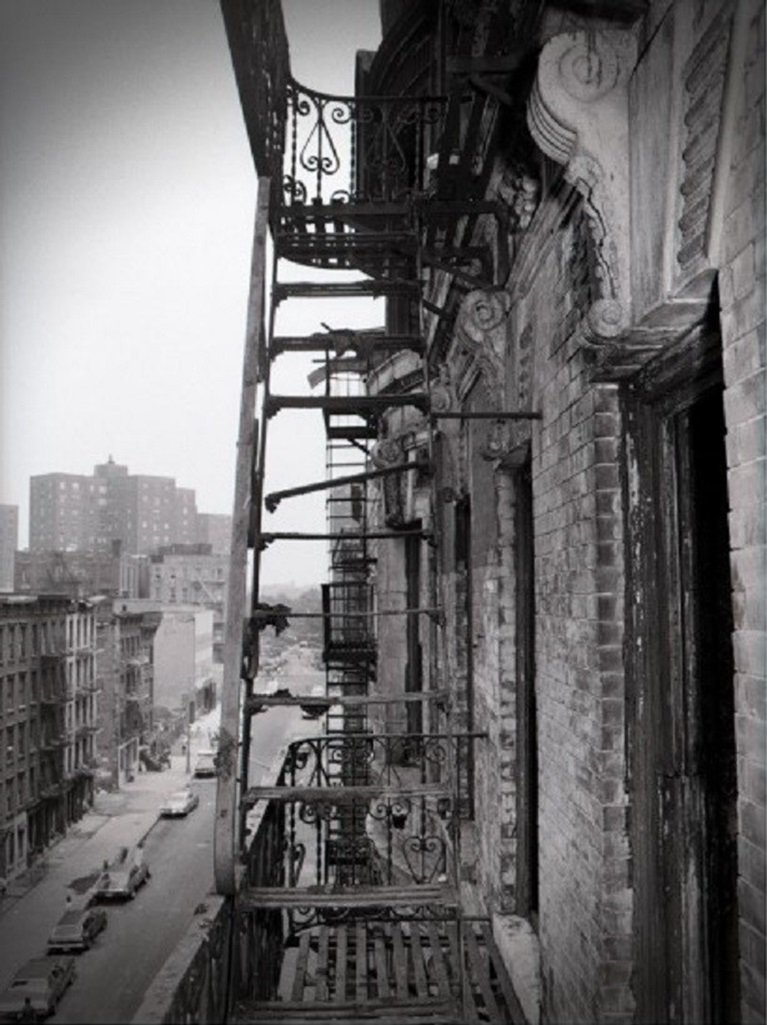
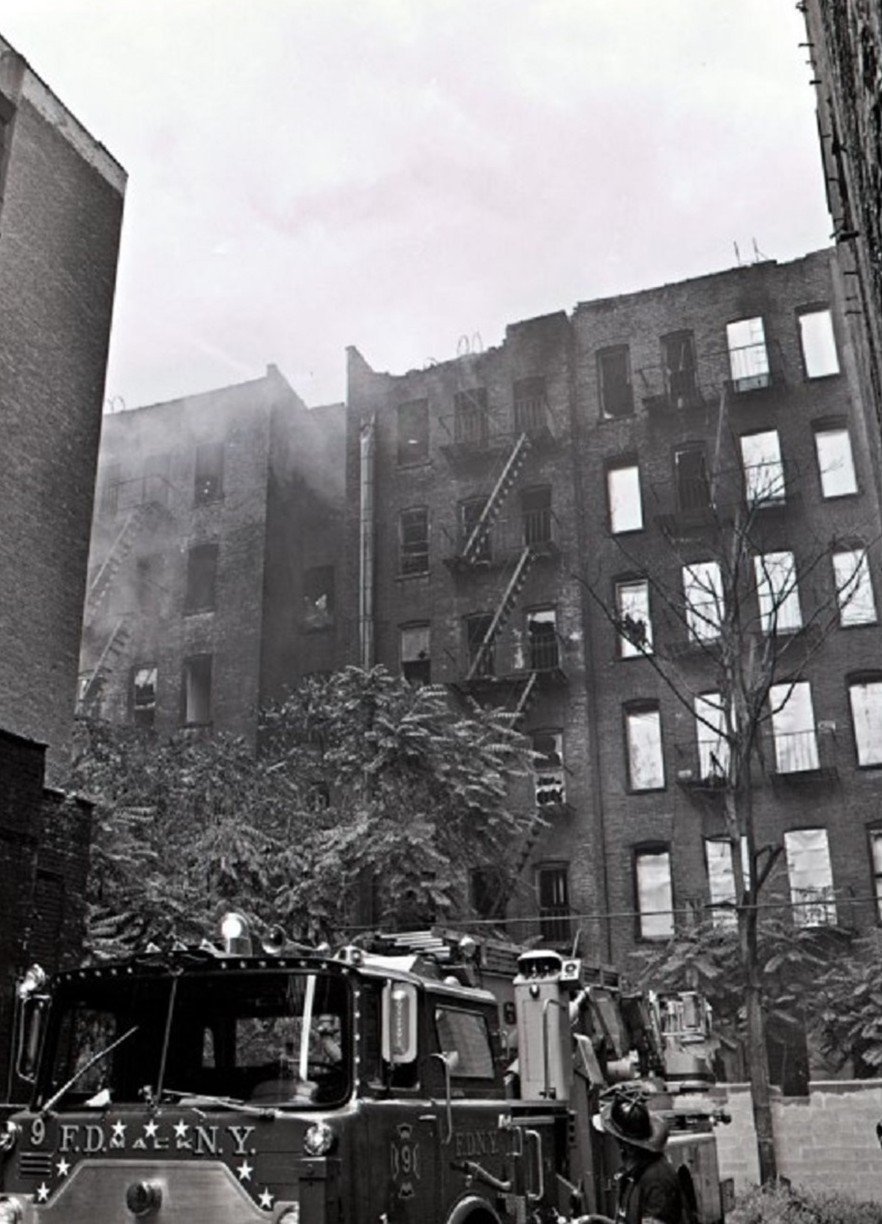
The structure involved in the incident was an abandoned Type III Ordinary construction brick and wood joist six-story “new law tenement” multiple dwelling located midblock at 358 East 8th Street between Avenues C and D in the Alphabet City neighborhood in the Lower East Side area of Manhattan. Note: New law tenements were required to have a number of improvements in New York. Most notably, new law tenements were required to have window access for most interior rooms. This was usually accomplished by providing an air shaft often in the center of the building that ran from the first floor to the roof and often could only be accessed from the windows at each level. They were also shared with adjoining buildings and could also be found in the public hallways. They usually had four apartments per floor and measured 50 wide by 85 deep with four to seven stories. They also featured open stairwells from the first floor to the roof with a separate entrance to the basement and exterior metal fire escapes serving the upper floors. The fire building was located on narrow 60-foot-wide East Eight Street with curbside automobile parking of both sides of the street on Side Alpha. Metal fire escapes were attached to Sides Alpha and Charlie. A six-story tenement building of mirrored construction was on Exposure Bravo. Side Charlie was a small enclosed rear yard. An air shaft adjoined a four-story brick and wood joist tenement building on Exposure Delta. The building had an elevator but was not equipped with any fire protection devices. Several fire hydrants fed by a 12-inch water main were available on the block. The nearest fire alarm call box was located one half block west at Avenue C.
Manhattan is geographically the smallest and most densely populated of the five boroughs that make up the City of New York. The borough of 22.83 square miles of land area had a population of 1,694,251 according to the 2020 U.S. census. Manhattan has been described as the cultural, financial, media, and entertainment capital of the world.
Alphabet City is a neighborhood located within the East Village area of Lower Manhattan. Its name comes from Avenues A, B, C, and D, the only avenues in Manhattan to have single-letter names. It is bounded by Houston Street to the south and 14th Street to the north and extends roughly from Avenue A to the East River. Historically the area was populated by working class German, Italian and Eastern European immigrants. The area is primarily residential dominated by five- and six-story tenement houses and large public housing projects. By the 1970s and 1980s, the city in general was in decline and nearing bankruptcy. Residential buildings in Alphabet City and the East Village suffered from high levels of neglect, as property owners did not properly maintain their buildings. The city purchased many of these buildings but was also unable to maintain them due to a lack of funds.
Today the borough is protected by the New York City Fire Department (FDNY) which consists of 17,321 career firefighters, EMS personnel and support staff that serve a population of about 8 million residents in the city of approximately 321 square miles. The department staffs 254 fire stations within 14 divisions in 53 battalions operating 197 engine companies, 143 ladder companies, 8 squad companies, 5 rescue companies, 450 ambulances, 1 HazMat company, 1 USAR company, 10 wildland units and 3 fireboats. The FDNY is the largest municipal fire department in the United States, and the second largest in the world after the Tokyo Fire Department. Call volume in fiscal year 2023 was more than 1.8 million calls for service including 23,901 structural fire, 12,594 non-structural fires, 233,320 non-fire emergencies, and 1.6 million emergency medical calls including 605,140 life-threatening medical emergencies.
The Alphabet City neighborhood of the East Village area of Lower Manhattan is protected by fire units from the 1st Division and 4th Battalion:
- Engine 28 & Ladder 11 – 225 East Second Street – 0.5 miles from the fire building.
- Engine 15, Ladder 18 & Battalion 4 – 15 Pitt Street – 0.7 miles to the fire building.
- Engine 5 – 340 East 14th Street – 0.8 miles to the fire building.
In the 1970s, the City of New York was in bad fiscal shape. In the era of the “War Years”, the city was experiencing the height of structural fire duty. However, cuts were made everywhere in city government. Firemen were laid off; fire companies were disbanded, and ancillary functions of the fire department were dramatically cut back. The Bureau of Repairs and Transportation was cut back causing issues with repair of fire apparatus. Fire alarm dispatch offices were cutback from 10 dispatchers on duty to 4 for an entire borough. These cutbacks would eventually catch up with the FDNY and be the catalyst for a disaster.
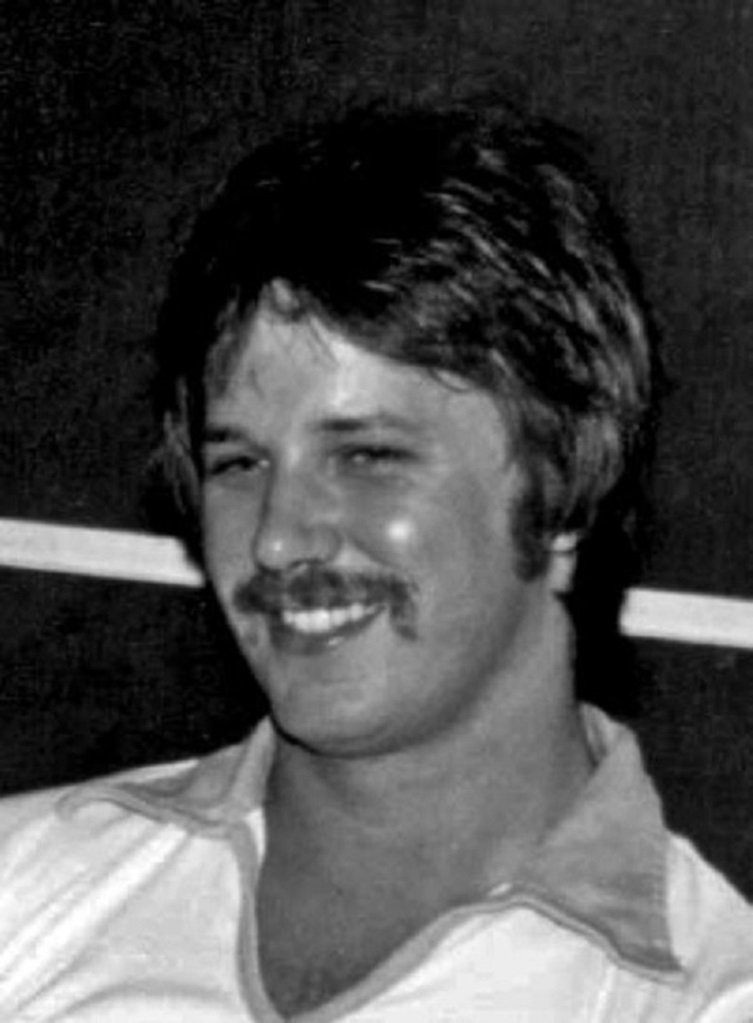
Martin “Marty” R. Celic was appointed to the FDNY on May 19, 1973. Upon graduation from Proby School, he was assigned to Ladder 15 in the financial district of Lower Manhattan. During the 1970s, Ladder 15 would interchange with Ladder 18 in the Lower East Side. This exposed Marty to firefighting in tenements as compared to high-rise firefighting. He loved it. Firefighters from Ladder 18 noticed his enthusiasm and encouraged him to transfer to the company. However, a curve ball would be thrown his way.
On July 1, 1975, Marty Celic would be laid off along with hundreds of other firefighters. This would interfere with not only Marty’s professional life, but his personal life as well. Marty was engaged to be married to Rachel Morio who was a nurse. Their wedding plans had to be put on hold. Marty would be re-hired on December 25, 1976. His transfer to Ladder 18 would come through on January 10, 1977. Everyone who spoke about Marty had nothing but good things to say about the quick-witted young man.
Weather conditions on the afternoon of the incident included an air temperature of 83 degrees F and the humidity level at 36% with a northwest wind at 14 mph under partly cloudy skies (Weather Underground). Note: Research by the National Institute of Standards and Technology (NIST) has shown wind speeds on the order of 10 to 20 mph are sufficient to create wind-driven fire conditions in a structure with an uncontrolled flow path (Madrzykowski and Kerber 2009). The windy conditions likely had an effect on the rapid fire development and the outcome of this incident.
Saturday, July 2, 1977, was a pleasant summer morning. It was the start of the Fourth of July weekend. Marty Celic had just finished his second night tour and was hired to work overtime for the day tour at Engine 15. He left Ladder 18 to report for duty at Engine 15 on Henry Street. Working in Engine 15 for the day tour were Lieutenant Hopkins, the firefighters on the back step were Nixon, Colon and Celic. Working in Ladder 18 for the day tour were Lieutenant Raymond Bellinger, Firefighters Dave Escher (Chauffeur), Mike Barone (Outside Vent), John Henihan (Roof), Bill “Ringo” Reilly (Irons), and John Maloney (Can). The members of Ladder 18 were performing normal maintenance tasks and were preparing for what could be a very busy tour.
As the day tour progressed, a fourth alarm was transmitted for Manhattan Box 931, 12th Avenue and West 59th Street for a fully involved pier fire on the West Side of Manhattan. This dramatic fire created exposure problems from 11th Avenue to 12th Avenue and West 60th Street to West 66th Street. Two fireboats were called and the Super Pumper responded. The fireboats were instructed to report to the fire with their five-inch tips attached to their deck guns.
The Manhattan Fire Communications Office was understaffed that day with only four fire alarm dispatchers on duty. They were becoming overwhelmed by the radio requests and phone alarms coming in from the pier fire on the West Side. Numerous fires were being set in the vicinity of the pier fire due to flying brands. In addition to the demanding fourth alarm pier fire, the busy fire traffic in Harlem and the Lower East Side had to be handled.
At around 1500 hours, a 17-year-old arsonist named Nelson Arzon went about setting a fire in a tenement on East 8th Street. He set the fire on the fifth floor, and it extended to the sixth floor. The fire was set in the rear of the building. He would later state that his reason for setting the fire was to “drive winos and junkies from the vacant building.” Arsonist Nelson Arzon lived at 199 East 3rd Street, nowhere near the target of his lethal activities on East 8th Street.
In mid-afternoon, Engine 28 went out of service due to having two flat tires. This put a burden on the surrounding engine companies to cover their area. An Emergency Reporting System (ERS) Box was transmitted, and Engine 15 responded to Alphabet City, Engine 28’s first due area, to investigate the box alarm. Engine 15 made it to the location of the ERS Box and conducted their investigation. They found it was a malicious false alarm and they transmitted a Signal 10-92 over the department radio. While returning from the false alarm, Lieutenant Hopkins saw a large column of smoke coming from the area of East 8th Street and Avenue C. It was 1510 hours. They went to investigate the smoke.
They arrived in front of 358 East 8th Street. It was a vacant building and had been identified by the administrative fire company as a hazardous structure and had been marked with an “X”. Engine 15 saw that there was a fire in the rear on the fifth and sixth floors of the tenement. Lieutenant Hopkins called on the department radio to report to the dispatcher that they had a “Verbal Alarm” for a working fire on 8th Street between Avenue C and Avenue D. He stated, “it was a 10-75 (working fire signal) at the bare minimum – send help.” The box was never transmitted, and neither was the 10-75.
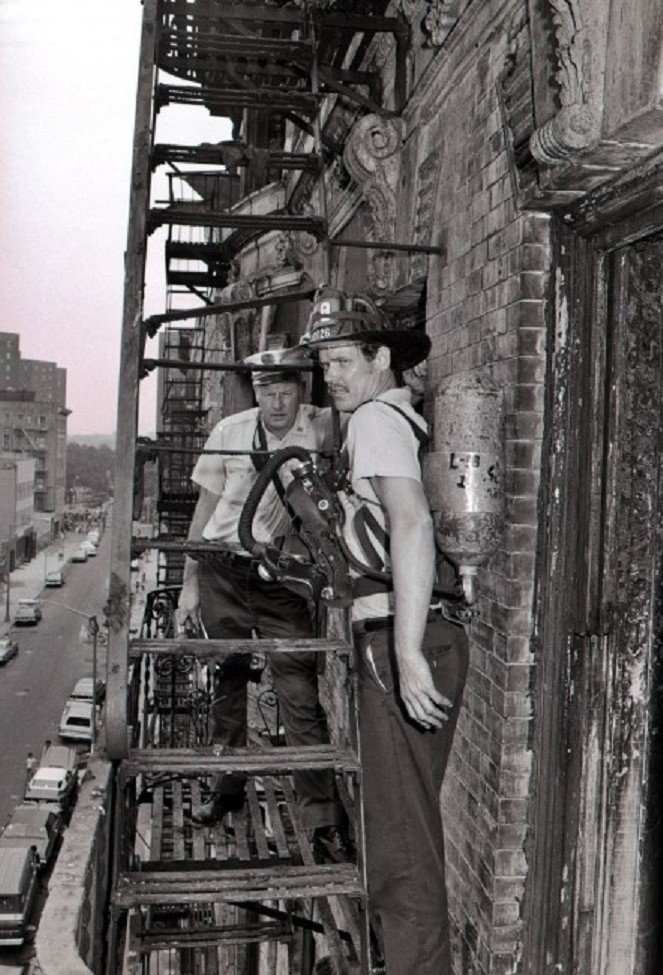
Historical Note: In 1977, FDNY units were equipped with the old Scott 1 self-contained breathing apparatus (SCBA). The profile of the Scott 1 was large, and it was difficult to pass between a fire escape ladder and a building while wearing the SCBA. In 1977, there were no mobile data terminals (MDT) on the fire apparatus. The only method to communicate with the fire alarm dispatchers on the apparatus was the department radio.
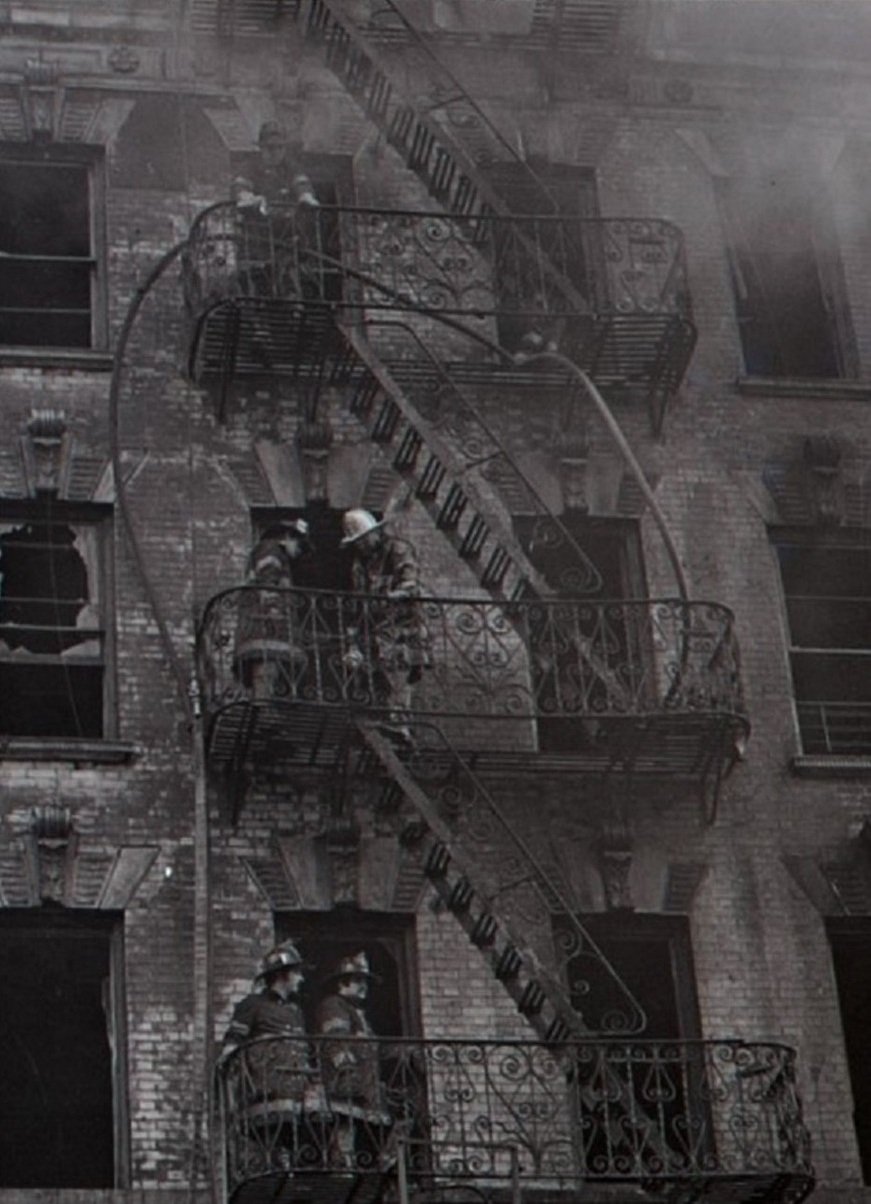
Lieutenant Hopkins ordered his firefighters to perform a “fire escape stretch” to the fifth floor. This was a common practice with a known hazardous vacant building due to the interior stairways being compromised. At this time, there was nothing visible in the front of the building. All the fire was in the rear. Once Engine 15 reached the fifth floor on the fire escape with the hoseline, they entered the building. They entered through one of the front windows and advanced the hoseline to the rear. Lieutenant Hopkins called the Chauffeur over his portable radio to “start water”.
Engine 15 thought that there would be additional fire units responding to Box 439, 8th Street and Avenue C, to fill out the assignments. Unbeknownst to them, help was not coming. While Engine 15 was operating by themselves, the arsonist, Nelson Arzon, snuck back into the fire building and set a fire on the second floor in one of the front apartments, using diesel fuel as the accelerant. This fire development was delayed to due to the lower volatility of the diesel fuel. When the fire reached the free-burning stage, it created a tremendous amount of heat and smoke.
While performing house watch duties at the quarters of Engine 17 and Ladder 18, Firefighter Dave Escher was listening to the department radio. Engine 17 was out at a rubbish fire. He heard the radio transmissions of Engine 15. He wondered why Ladder 18 and Battalion 4 hadn’t been dispatched to the fire, as they are normally assigned on that box. He called the dispatcher over the department telephone to tell them that Ladder 18 and Battalion 4 were responding to the fire on 8th Street. He alerted the firefighters in the firehouse about the working fire and yelled out “everybody goes”.
As Ladder 18 crossed East Houston Street and passed East 2nd Street, their siren and air horns were blaring. It was the first indication to Engine 28 and Ladder 11 that there was a fire in their first alarm area. Engine 28 was still out of service, but Captain Ronnie Hanson of Ladder 11 had his company turn-out and followed Ladder 18 and Battalion 4. Engine 17, and Engine 5 also responded.
When Ladder 18 arrived at the fire, there was heavy fire showing out of several windows in the rear of the building. The front of the fire building was relatively clear. Fire was extending to the building on the Exposure Charlie side. Firefighter Bill “Ringo” Reilly was sent up the front fire escape to assist Engine 15. Lieutenant Raymond Bellinger and Firefighter John Maloney went to Exposure Charlie to investigate the fire that was extending to the occupied tenement.
Firefighters Mike Barone and John Henihan placed their hand tools and their rotary power saw into the tower ladder bucket. They proceeded to the roof to perform verticaL ventilation. When they arrived at the roof, they began their cutting operation. There was heavy fire coming from the rear windows as they began. When they penetrated the roof deck, fire was showing through their saw cuts. Everywhere they cut with the saw showed there was heavy fire in the cockloft. As they were cutting the roof, conditions in the front of the building were starting to change dramatically.
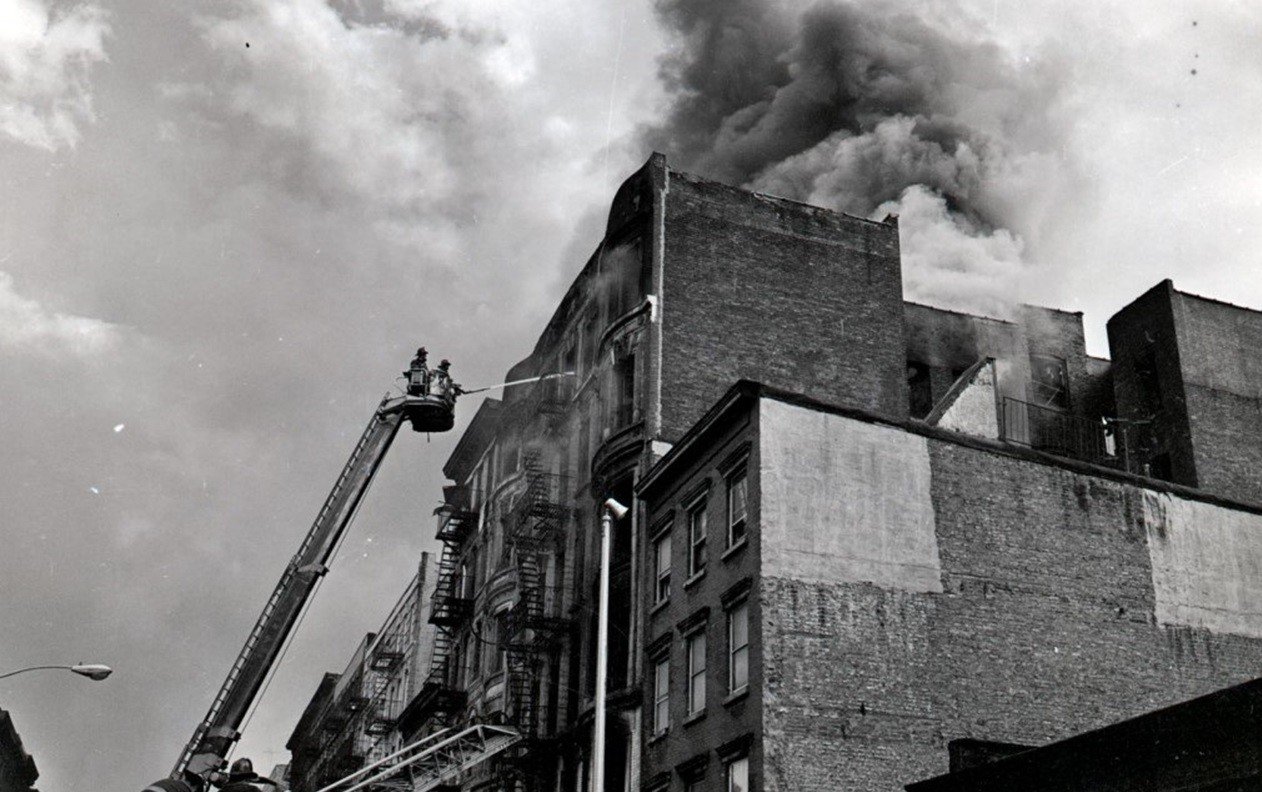
Arsonist Nelson Arzon’s diabolical second fire started to rage. It created a wall of heavy smoke and tongues of flame in the front of the building. Engine 15’s area of refuge was at the front of the building. Now with the second fire growing, that area became extremely dangerous. Lieutenant Hopkins ordered Engine 15 to retreat to the front fire escape. Their position was tenuous. Firefighter Dave Escher, the chauffeur of Ladder 18 repositioned Ladder 18’s tower ladder bucket to provide a rapid escape from the growing inferno. The smoke condition in front of the building obscured Escher. He could not see the fire escape nor the distressed firefighters through the thick smoke. He positioned the bucket from listening to the distressed voices coming from the fire escape. Proceeding down the front fire escape was not a viable option due to the poor condition of the fire escape, the size of their SCBAs in negotiating past the fire escape ladders, and the amount of heat and smoke rising from the second fire.
Ladder 11 arrived at the fire. Captain Hanson of Ladder 11 had his chauffeur raise their aerial ladder to the roof of the fire building. This gave Firefighters Barone and Henihan an escape from the roof of this out-of-control fire. Battalion 4 Chief Carroll and his aide Bob Pace arrived at the fire. After they performed a quick size-up, Battalion Chief Carroll transmitted a second alarm at 1532 hours. He called for a Rescue Company to respond to the fire. He stated: “There is a company trapped on the top floor.”
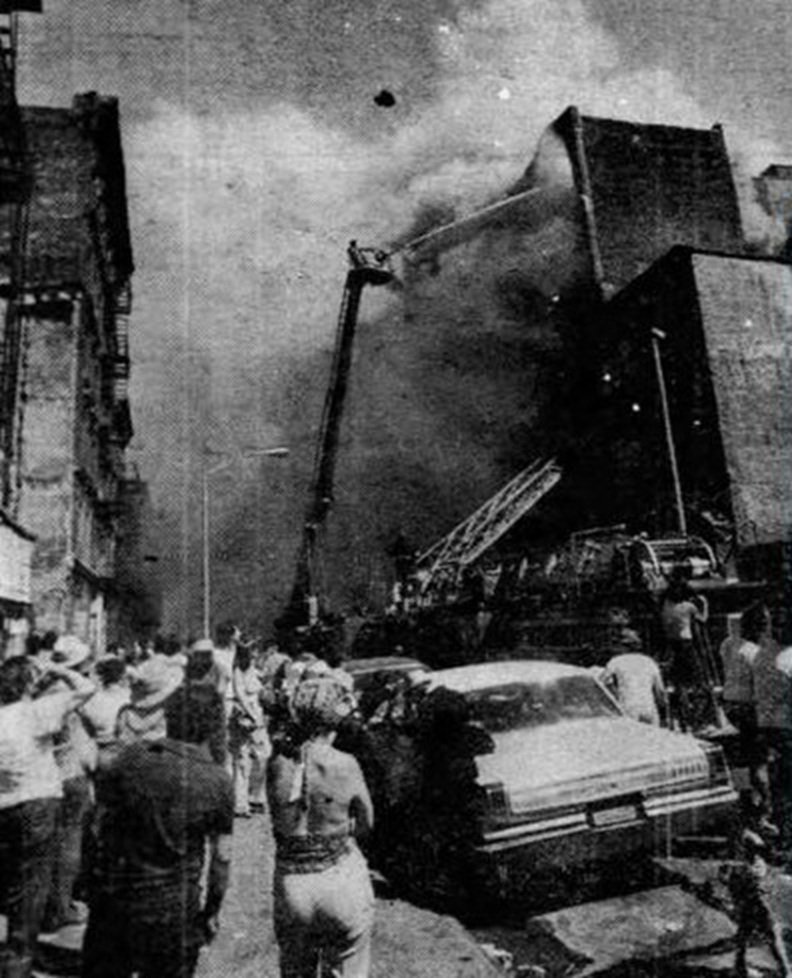
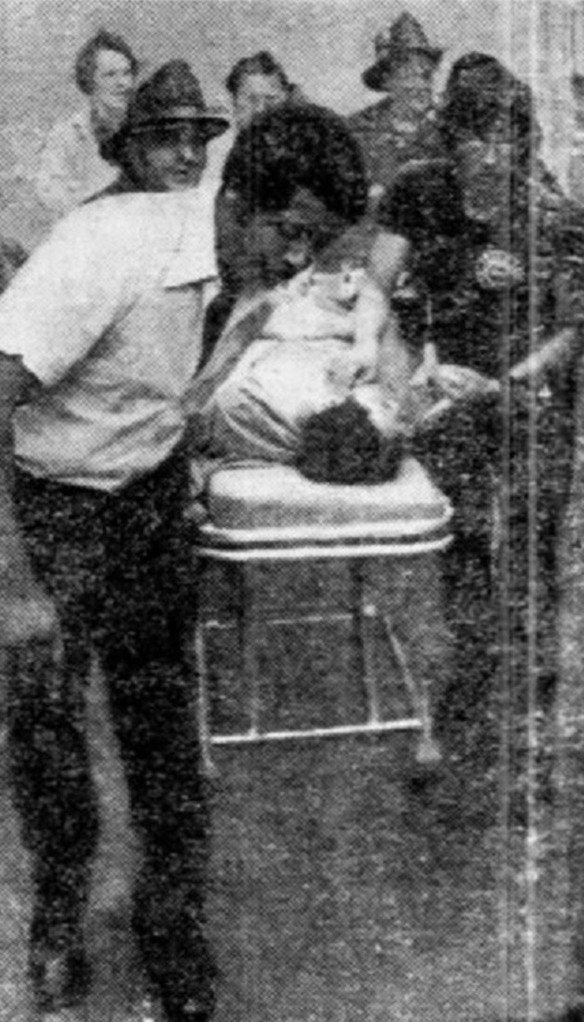
One by one, the members of Engine 15 entered the tower ladder basket. While they were dismounting the front fire escape and entering the tower ladder basket, they were engulfed in heavy smoke and high heat. The heat was so intense that the members on the front fire escape were screaming in pain and considered jumping. It was finally Firefighter Marty Celic’s turn to enter the basket. He set one foot into the basket and the other foot was on a fire escape step. The fire escape step broke loose. The members in the basket were blinded by the smoke. They were yelling for the basket to be moved to get out of the choking, searing atmosphere they were in. Firefighter Celic’s balance was compromised further when the valve of his SCBA was hung-up on the fire escape railing. The basket was moved, and Celic lost his balance. He started to fall. Firefighters in the basket grabbed his boots and tried to hold onto him. He fell out of the boots due to the gravitational forces pulling him down. Firefighter Celic fell seventy feet.
Firefighters Barone and Henihan watched in horror as they were climbing down Ladder 11’s aerial ladder while they were retreating off the roof. Firefighter Celic was gravely injured. Deputy Chief Smith of the 1st Division arrived at the fire. He transmitted the third alarm at 1554 hours and reported that the fire building was fully involved, and fire was extending to Exposures Charlie and Bravo. He also stated that they have a member severely injured and to send an ambulance. Within a few minutes, Deputy Chief Smith transmitted a full fourth alarm at 1557 hours. Witnessing the great calamity were dozens of people from the local neighborhood. They gasped in disbelief as they watched Firefighter Celic fall.
To further confuse the situation, at the same time as the fire on 8th Street, there was a working fire on Stanton Street in an occupied building. Some companies responding to Box 439 came upon the fire at Stanton Street and began to operate there. The dispatchers were not aware of the Stanton Street fire until someone on the scene there transmitted a second alarm for the fire.
An ambulance arrived at the scene because an EMT was transporting an ambulance to Brooklyn from the Bronx. He was a fire buff, and he saw the smoke from 8th Street and Avenue C. He went to the fire to see what was going on. He was put to work right away as Firefighters Barone and Henihan tended to Marty Celic. Firefighter Celic was removed to Bellevue Hospital.
After Celic was removed from the fire scene, Firefighters Barone and Henihan entered Ladder 18’s tower ladder bucket. They were operating the large caliber stream on the fire. While they were operating, a “Mayday” came in stating that a firefighter from Engine 5 was trapped on the second floor. Barrone and Henihan dropped the bucket down to the second floor and removed the distressed member. Firefighter Mike Barone rode in the ambulance with the firefighter from Engine 5 to Bellevue Hospital. The fire was placed “Under Control” at 1718 hours.
Firefighter Marty Celic was in critical condition. A vigil was maintained at his bedside. Firefighter Martin R. Celic succumbed to his injuries on July 10, 1977. His wife-to-be Rachel Morio was at his side. Marty Celic was 25 years old.
The arsonist, Nelson Arzon, was indicted for murder. He remained at the scene of the fire to watch, even after Firefighter Celic fell. He was allowed to plead guilty to first degree manslaughter. He was released from prison after three years.
Firefighter Martin Robert Celic, age 25, was a four-year member of the FDNY assigned to Ladder 18. He was appointed to the Department on May 9, 1973, but was laid off on July 1,1975, during the city’s fiscal crisis. Celtic was rehired in December of that year. He lived on Staten Island and was survived by his parents, Mathias and Inez Celic, his brothers Thomas, Joseph and Robert, and his fiancée, Rachel Morio.
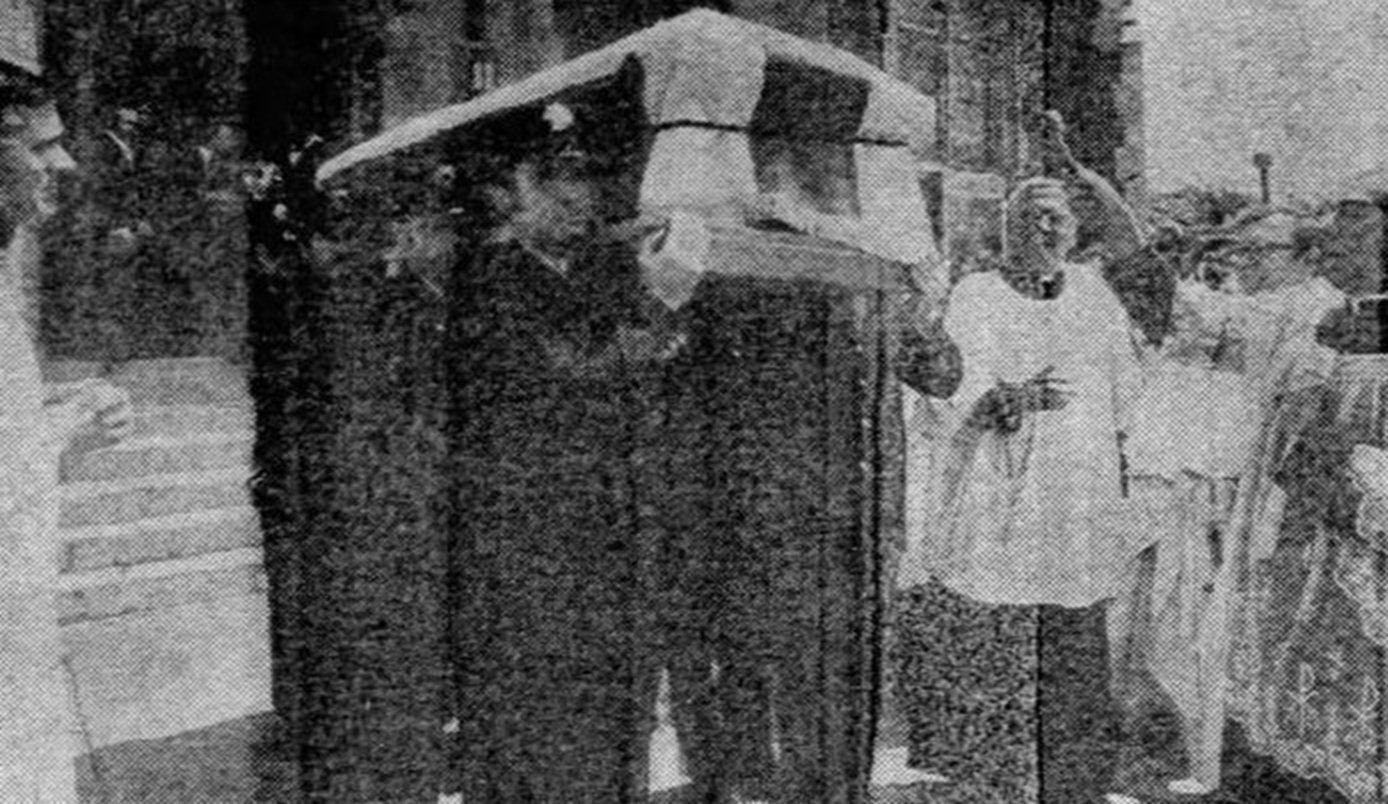
On July 13 the funeral for Firefighter Martin Robert Celic was held at Our Lady Queen of Peace Church in New Dorp, Staten Island. Thousands of city and area firefighters attended to pay their last respects to their fallen comrade.
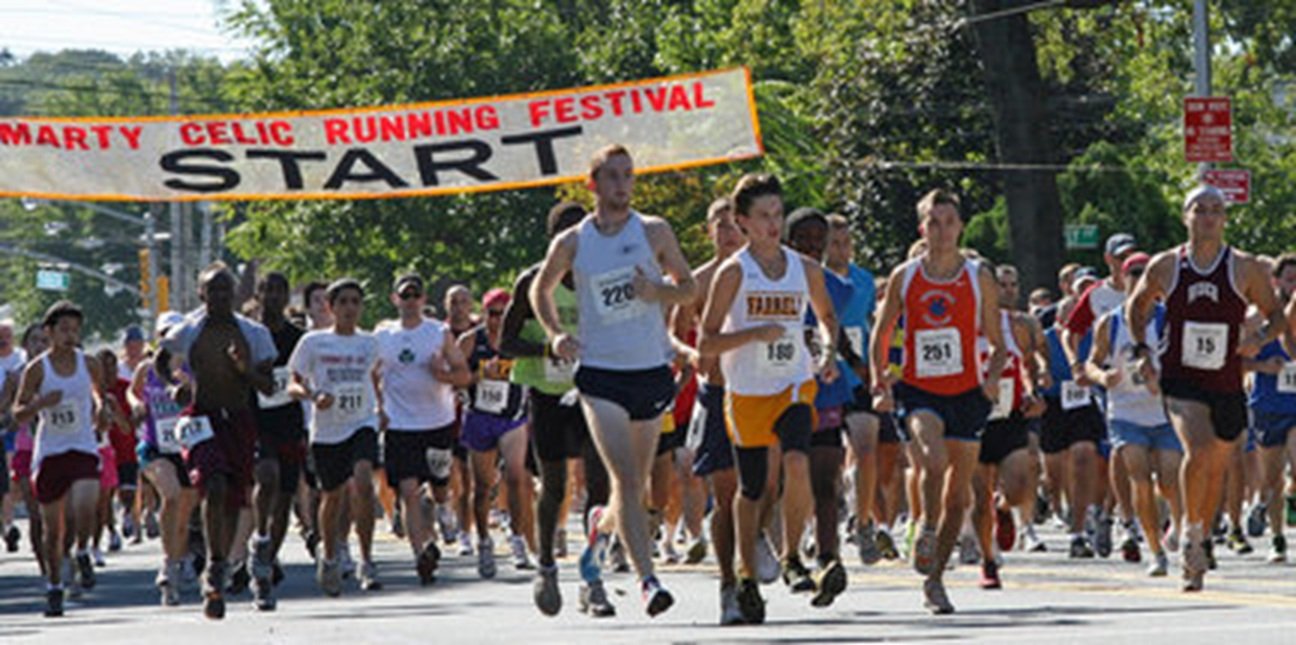
Firefighter Martin Celic received the Fire Department Medal of Valor posthumously, as well as the Medal of Supreme Sacrifice from the Uniformed Firefighters Association and the United Firefighters Officers Association. His former company, Ladder 18, established the Martin Celic Scholarship Fund, which awards a yearly scholarship to a junior at Monsignor Farrell High School who combines academic achievement with excellence in track. The Marty Celic Four-Mile Run is held annually in Clove Lake Park on Staten Island to raise money for the fund.
A year after Firefighter Martin Celic death, a bronze plaque was dedicated to him in front of the Engine 15 & Ladder 18 firehouse at 15 Pitt Street.
On September 11, 2001, Celic’s brother Thomas, age 43, who worked for the business consulting firm Marsh McLennan, died in Tower 1 at the World Trade Center. Rachel Morio later married an FDNY firefighter.
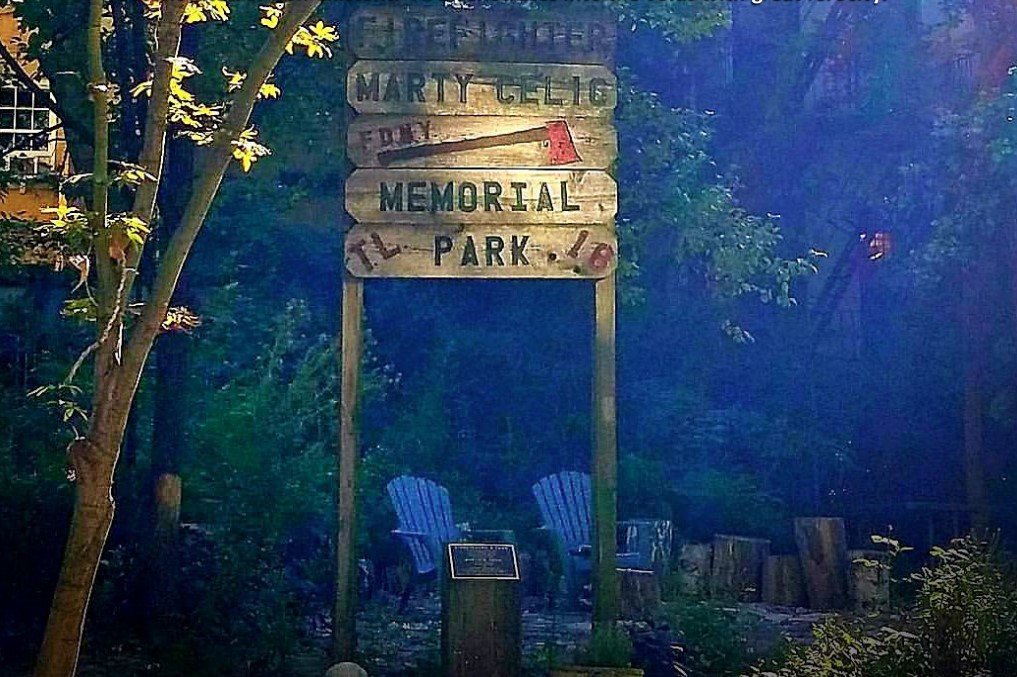
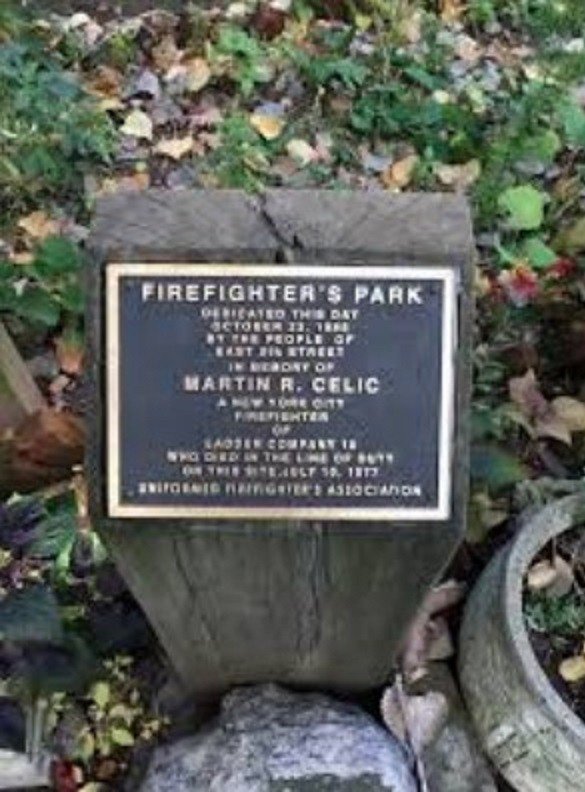
While the burned-out building was still standing, firefighters from Ladder 18 attached a white cross to the fire escape balcony where Marty Celic fell from. Nobody in the neighborhood tampered with the cross. Eventually, the building was torn down. Members of Engine 15, Ladder 18, and Battalion 4 were successful in turning the vacant lot into a park. The firefighters from the firehouse on Pitt Street maintain the park. It is called “Firemen’s Garden” and there is a bronze plaque honoring Firefighter Celic.
Commentary from Deputy Chief (ret.) Jay Jonas, FDNY Division 7:
While the vacant building problem is less severe today than in 1977, we still do have them in New York City. Vacant buildings have no degree of maintenance as required in occupied buildings. They are not heated and are exposed to the freeze-thaw effect. Water and snow penetrate the vacant buildings due to the numerous openings. There is no degree of confinement in vacant buildings. Fire stopping is deteriorated or non-existent. Fire penetrates into the voids with great ferocity. The apartment doors in a vacant building may or may not be there. This is a further challenge to confining the fire.
Vacant buildings are dangerous structures. They should be identified by marking the building with an “X” to warn operating firefighters. No unit should operate alone in a vacant building fire. If possible, a tower ladder should be in position in front of the building. The reason is the possibility of the use of the large caliber stream. The use of a deck gun on engine company apparatus should be strongly considered. This must be done before firefighters enter the building. Once firefighters enter the building, it is now an occupied building.
When transmitting additional alarms or other urgent messages, obtain confirmation that the message was received. A backup hoseline should be stretched and standing fast in front of the building if there is not an assignment for it. This hoseline is used to cover any unforeseen situations. The fire escape stretch is a valuable evolution. At vacant buildings, it allows engine companies to bypass dangerous stairways. At occupied buildings, any hoseline beyond the second hoseline should be stretched via the fire escape.
The insidious nature of arsonists can never be underestimated. Arsonists have been known to put balloons filled with gasoline in the ceilings of vacant buildings. The actions of Nelson Arzon at 358 East 8th Street were pure evil. He set the second fire to trap and murder operating firefighters. His use of diesel fuel as his accelerant allowed the firefighters to get into an untenable position. If trapped in a vacant building fire, transmit a “Mayday” and make your location known. There may not be signs in the hallway indicating what floor you are on. Situational awareness is extremely important.
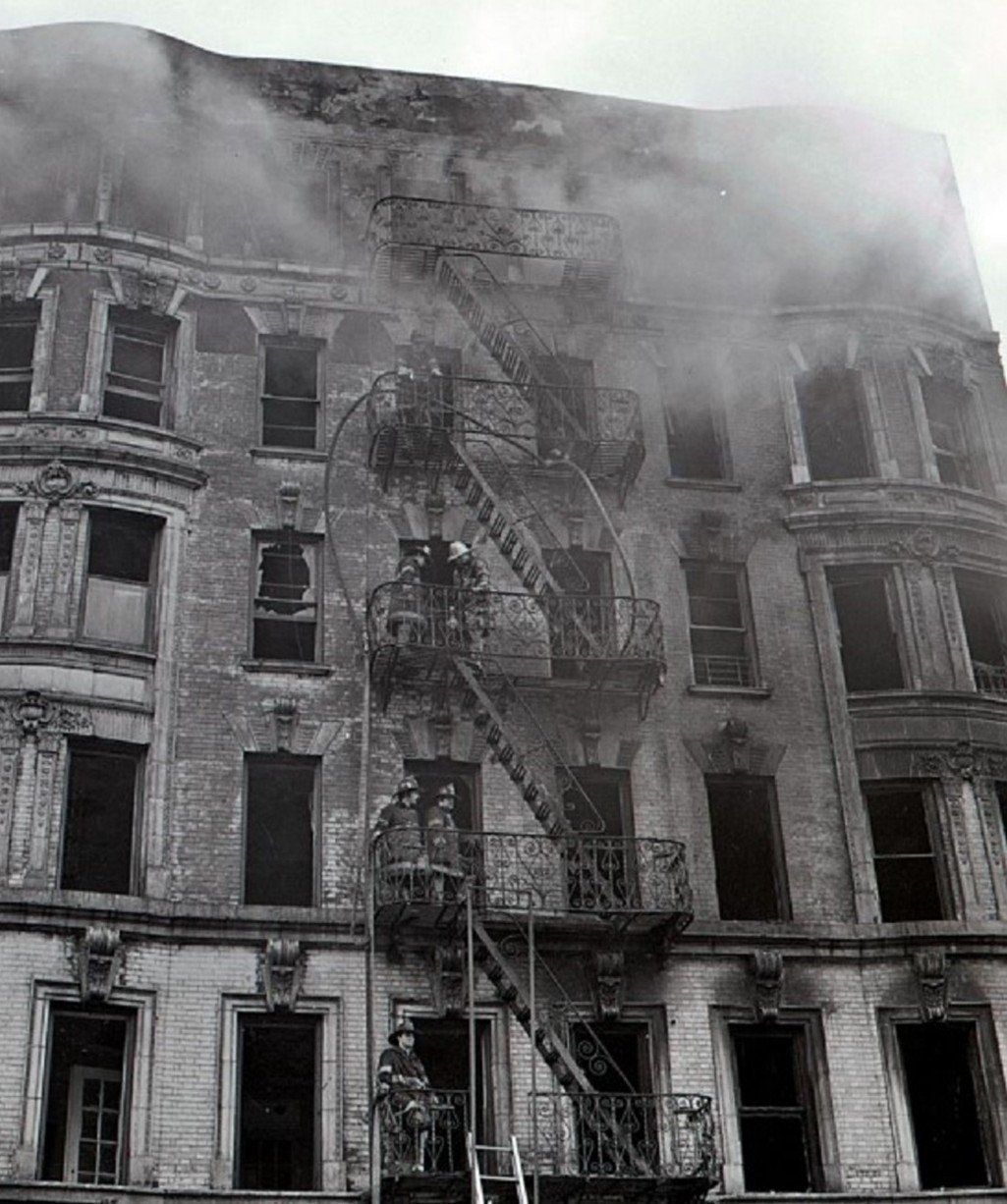
We have attached photos from the incident. We have also attached a detail from the Sanborn fire insurance map of the area showing the fire building and the surrounding exposures.
We have also attached the link to an article published on the BCFS group page on vacant, abandoned, derelict and condemned buildings that includes links to several reference articles on the topic: https://www.facebook.com/groups/192218352449074/permalink/1354343692903195/
\Thanks to multiple media sources including an excellent report on the incident from FDNY Deputy Chief (ret.) Jay Jonas in the Division 7 newsletter for much of the content of this article.
Remember the service of Firefighter Marty Celic by reviewing your department’s policies and procedures for fire and rescue operations in vacant, abandoned, derelict and condemned buildings and touring any such structures in your local response district with your crew members today.
Remember Fallen Brothers.
Get Out There And Know Your Local!!!

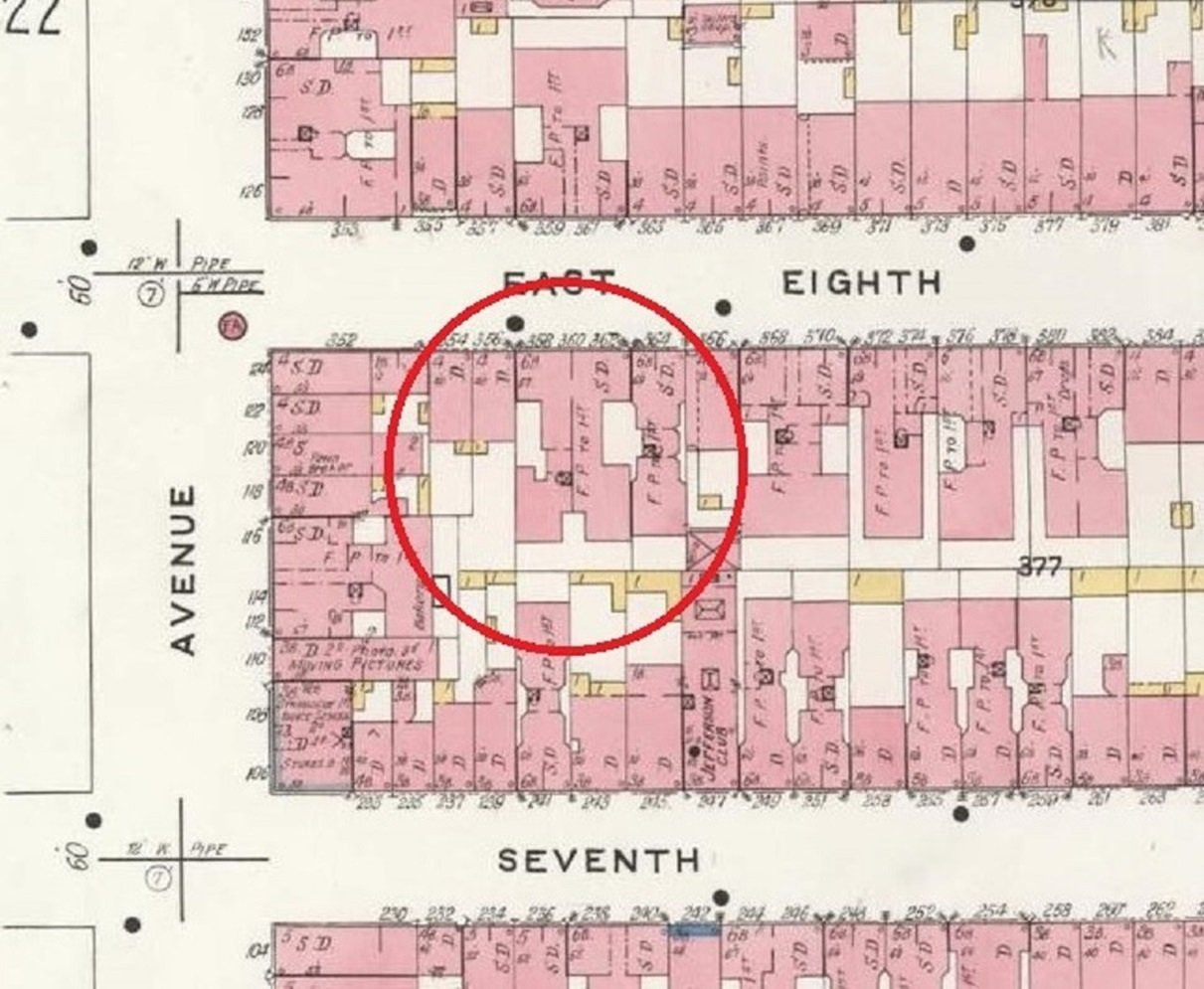
The structure involved in the incident was an abandoned Type III Ordinary construction brick and wood joist six-story “new law tenement” multiple dwelling located midblock at 358 East 8th Street between Avenues C and D in the Alphabet City neighborhood in the Lower East Side area of Manhattan. Note: New law tenements were required to have a number of improvements in New York. Most notably, new law tenements were required to have window access for most interior rooms. This was usually accomplished by providing an air shaft often in the center of the building that ran from the first floor to the roof and often could only be accessed from the windows at each level. They were also shared with adjoining buildings and could also be found in the public hallways. They usually had four apartments per floor and measured 50 wide by 85 deep with four to seven stories. They also featured open stairwells from the first floor to the roof with a separate entrance to the basement. The fire building was located on narrow 60-foot-wide East Eight Street with curbside automobile parking of both sides of the street on Side Alpha. Metal fire escapes were attached to Sides Alpha and Charlie. A six-story tenement building of mirrored construction was on Exposure Bravo. Side Charlie was a small enclosed rear yard. An air shaft adjoined a four-story brick and wood joist tenement building on Exposure Delta. The building had an elevator but was not equipped with any fire protection devices. Several fire hydrants fed by a 12-inch water main were available on the block. The nearest fire alarm call box was located one half block west at Avenue C. Detail from the Sanborn fire insurance map of the area showing the configuration of the fire building (circled in red) and the surrounding exposures.
floors of the tenement. Lieutenant Hopkins called on the department radio to report to the dispatcher that they had a “Verbal Alarm” for a working fire on 8th Street between Avenue C and Avenue D. He stated, “it was a 10-75 (working fire signal) at the bare minimum – send help.” The box was never transmitted, and neither was the 10-75. Historical Note: In 1977, FDNY units were equipped with the old Scott 1 self-contained breathing apparatus (SCBA). The profile of the Scott 1 was large, and it was difficult to pass between a fire escape ladder and a building while wearing the SCBA. In 1977, there were no mobile data terminals (MDT) on the fire apparatus. The only method to communicate with the fire alarm dispatchers on the apparatus was the department radio.
Lieutenant Hopkins ordered his firefighters to perform a “fire escape stretch” to the fifth floor. This was a common practice with a known hazardous vacant building due to the interior stairways being compromised. At this time, there was nothing visible in the front of the building. All the fire was in the rear. Once Engine 15 reached the fifth floor on the fire escape with the hoseline, they entered the building. They entered through one of the front windows and advanced the hoseline to the rear. Lieutenant Hopkins called the Chauffeur over his portable radio to “start water”. Photo: Firefighters operating from the fire escape on Side Alpha.