Fire Captain Fatally Burned in Flashover During Tenement Fire – The Bronx, New York – October 11, 1985
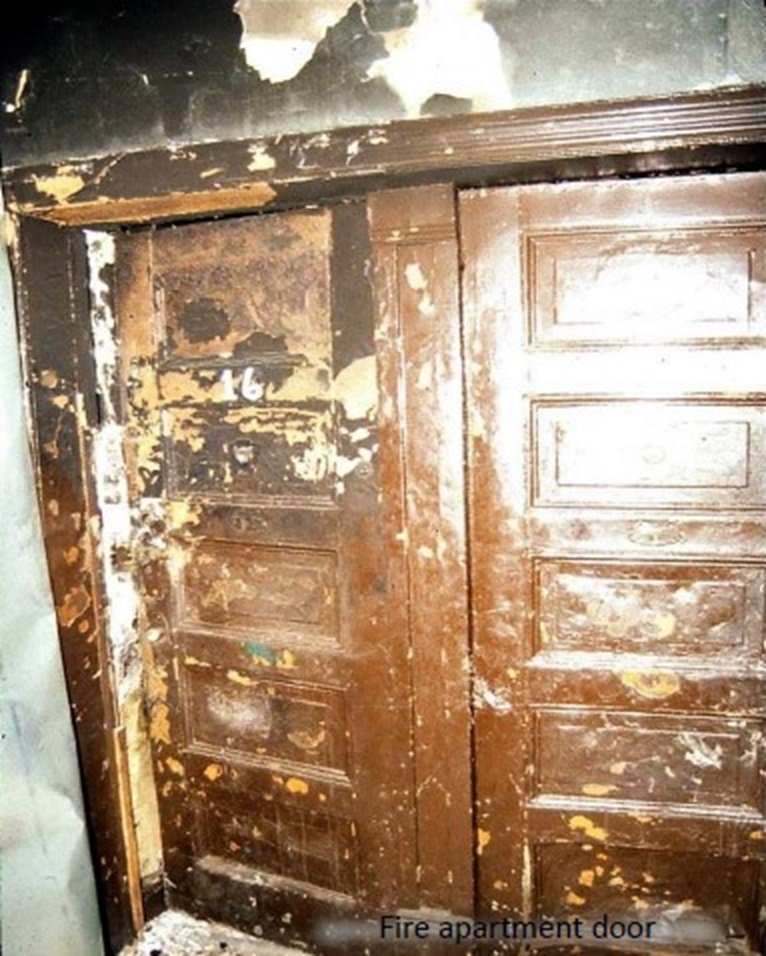
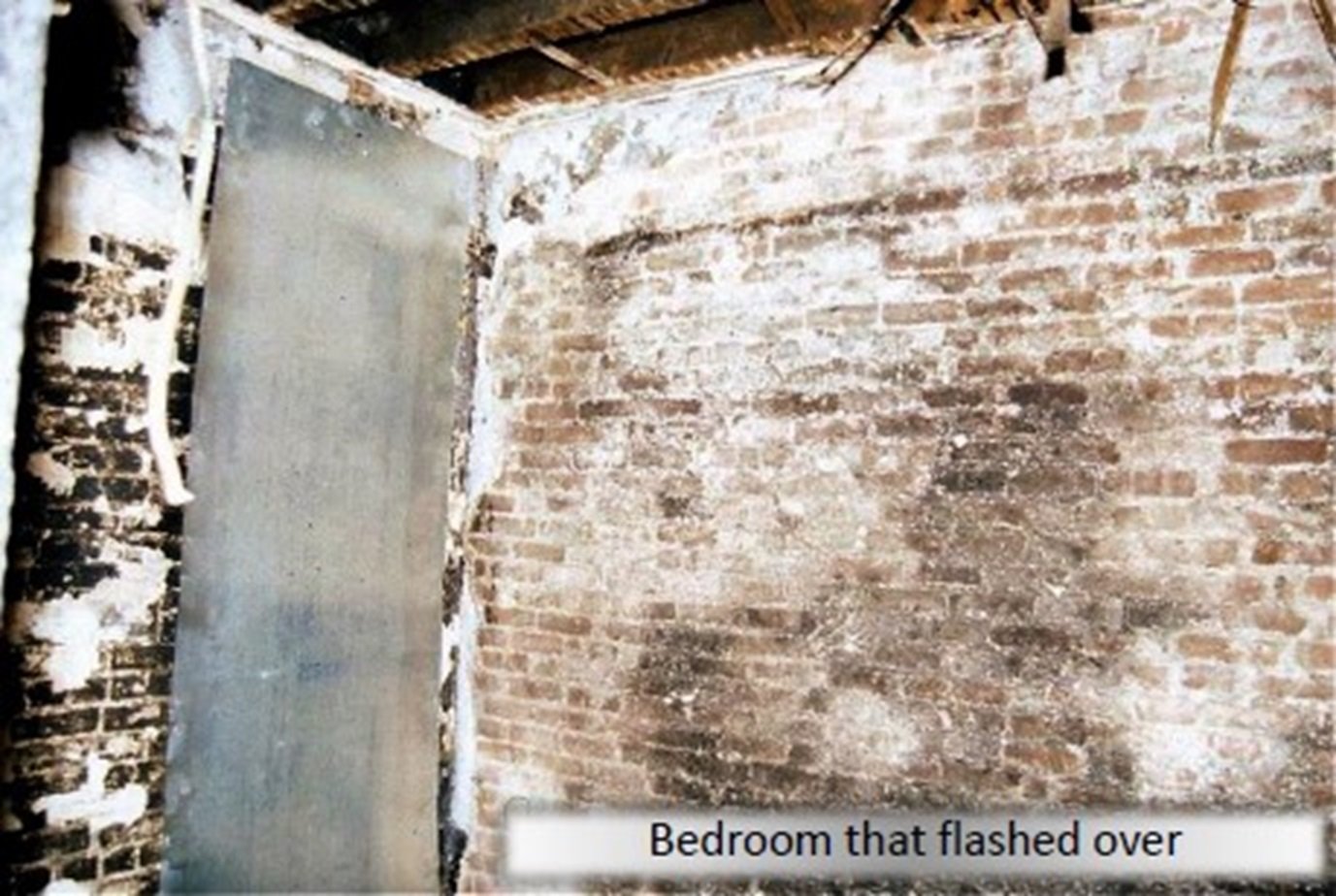
On October 11, 1985, FDNY Captain James F. McDonnell was fatally burned in a flashover while he was fighting a fire in an apartment in a five-story tenement in The Bronx. Assigned to the 3rd Division, Captain McDonnell had been detailed to Ladder 42 for the day tour. He was operating with his company on the fourth floor of the burning structure when he entered an apartment bedroom that was the room of fire origin. The failure of an exterior window opening onto an air shaft set up a flow path that caused the room to explode in flames as Captain McDonnell open the bedroom door to conduct a primary search. Enveloped in flames, the Captain pushed two of his men into the hallway to save them, but he was caught in the flashover when the ceiling collapsed. Before he could be rescued sixty-five percent of his body was burned. He succumbed to his injuries in the hospital nine days later. The fire was caused by a four-year-old child playing with matches that ignited foam rubber mattresses in an apartment bedroom.
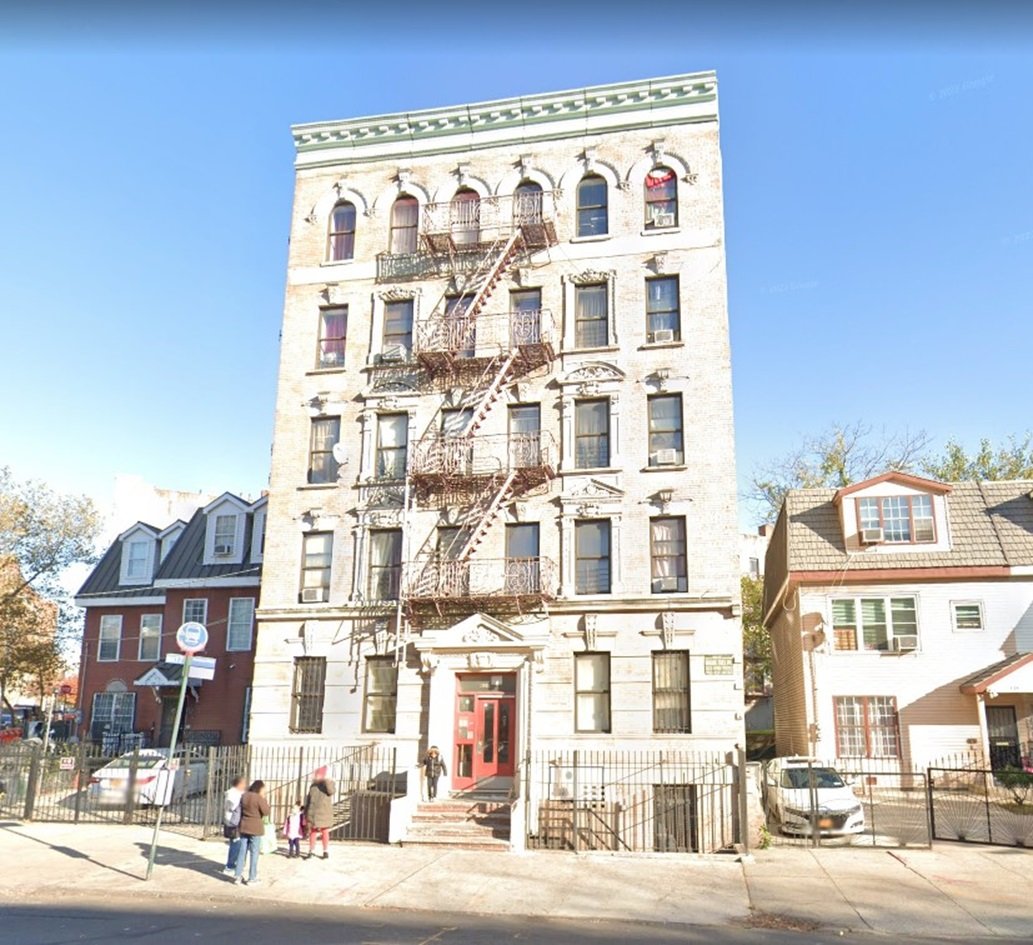
The structure involved in the incident was a five-story Type III Ordinary construction new law tenement located at 634 Prospect Avenue in the Woodstock section of the South Bronx. Note: New law tenements were required to have a number of improvements in New York. Most notably, new law tenements were required to have window access for most interior rooms. This was usually accomplished by providing an air shaft often in the center of the building that ran from the first floor to the roof and often could only be accessed from the windows at each level. They were also shared with adjoining buildings and could also be found in the public hallways. The buildings were usually four to seven stories in height and had four apartments per floor. They also featured open stairwells from the first floor to the roof with a separate entrance to the basement and were required to have fire escape access from each apartment.
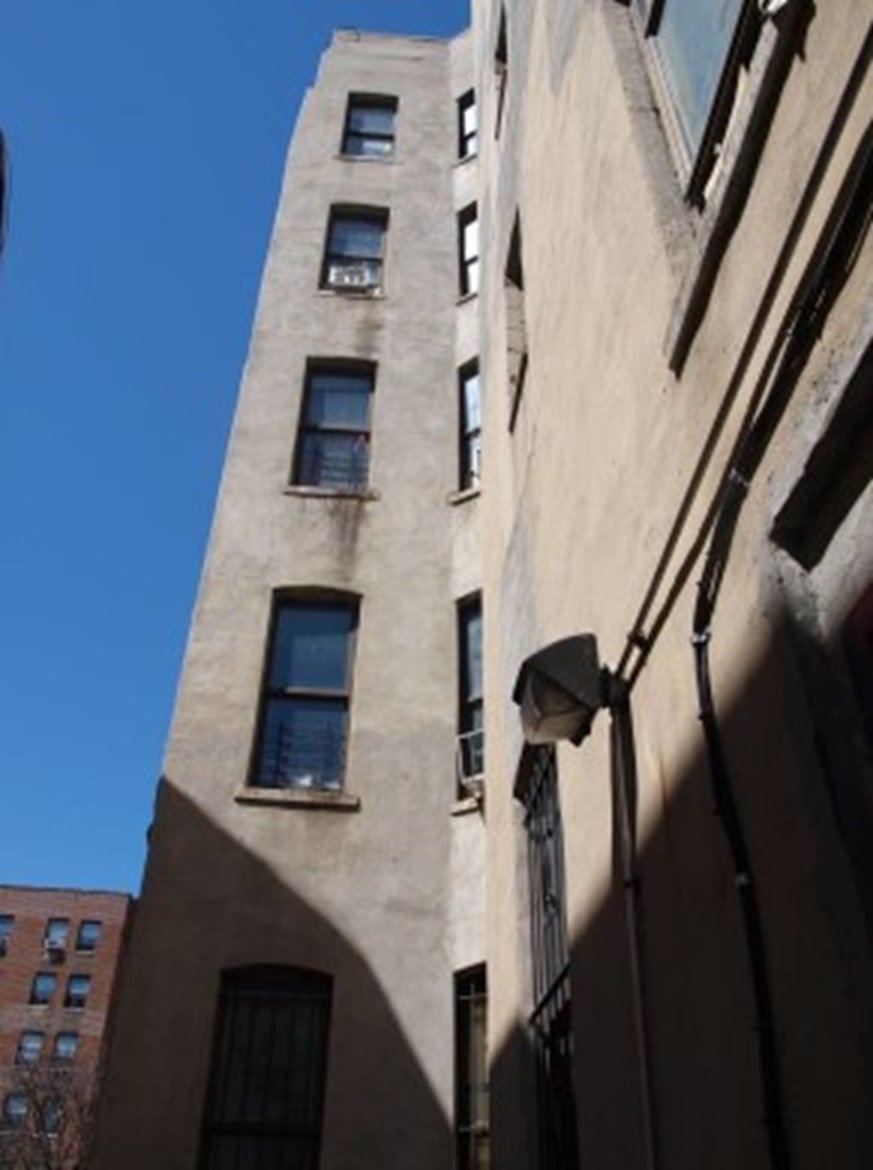
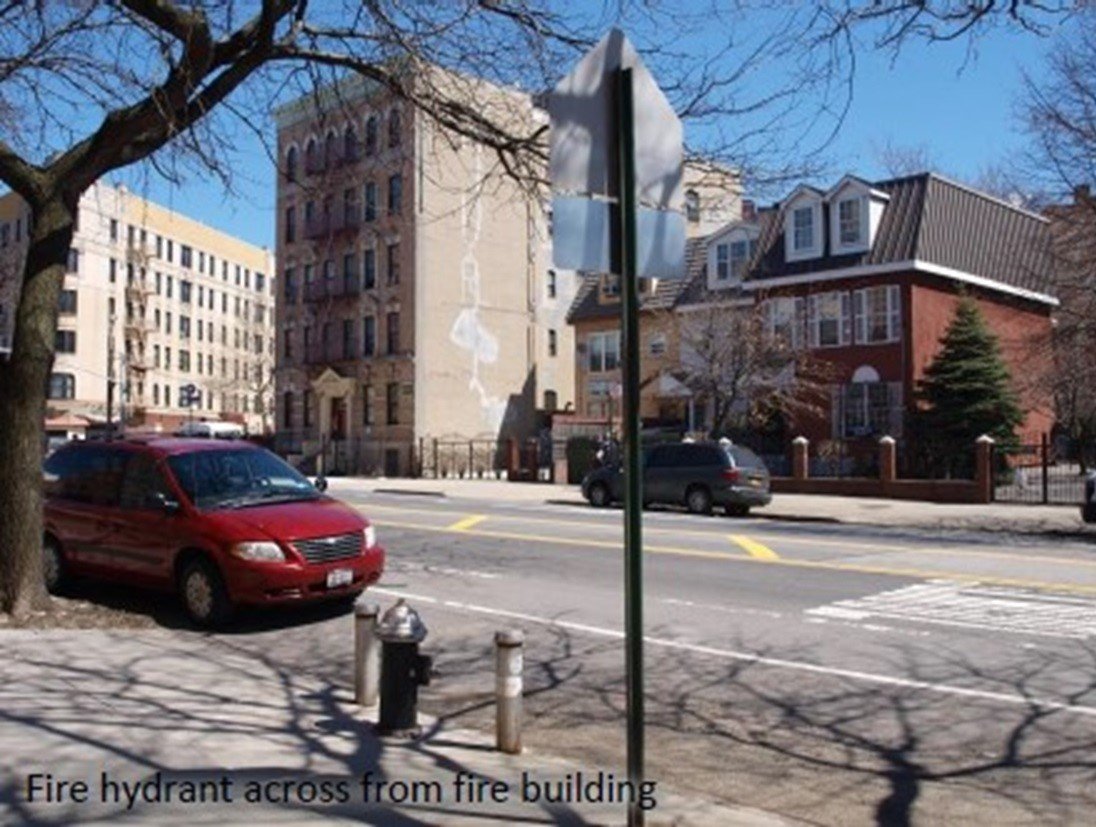
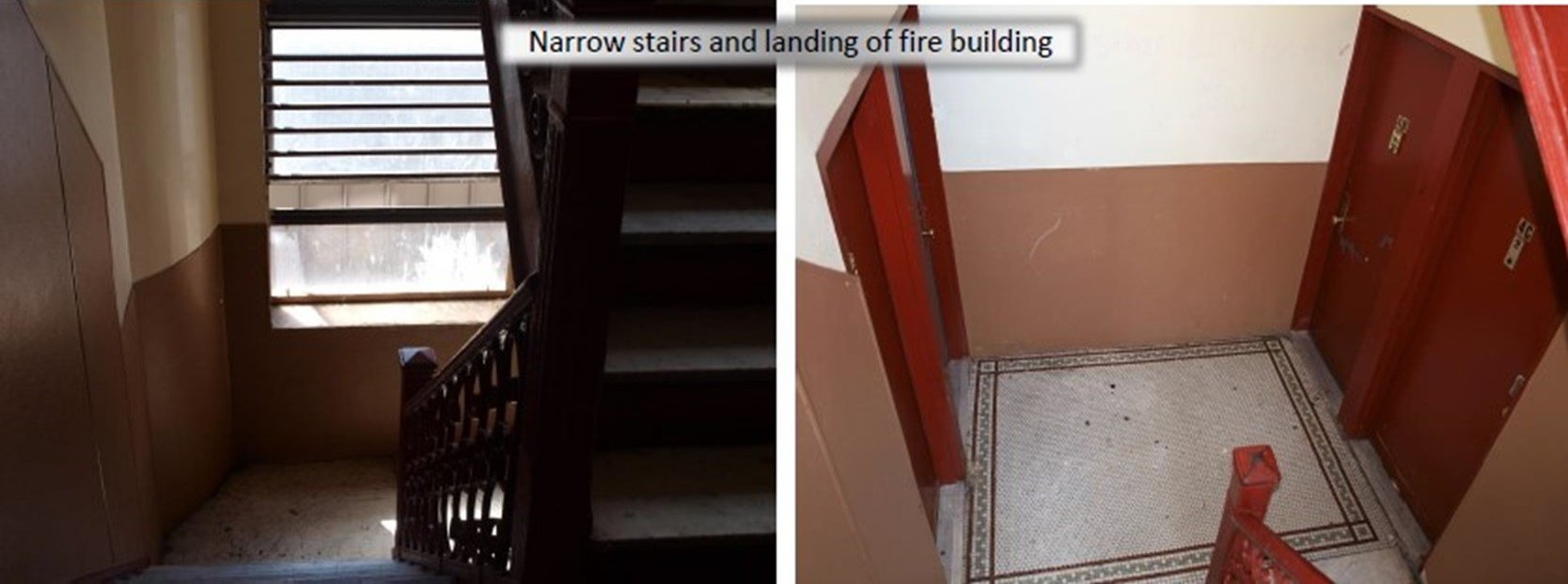
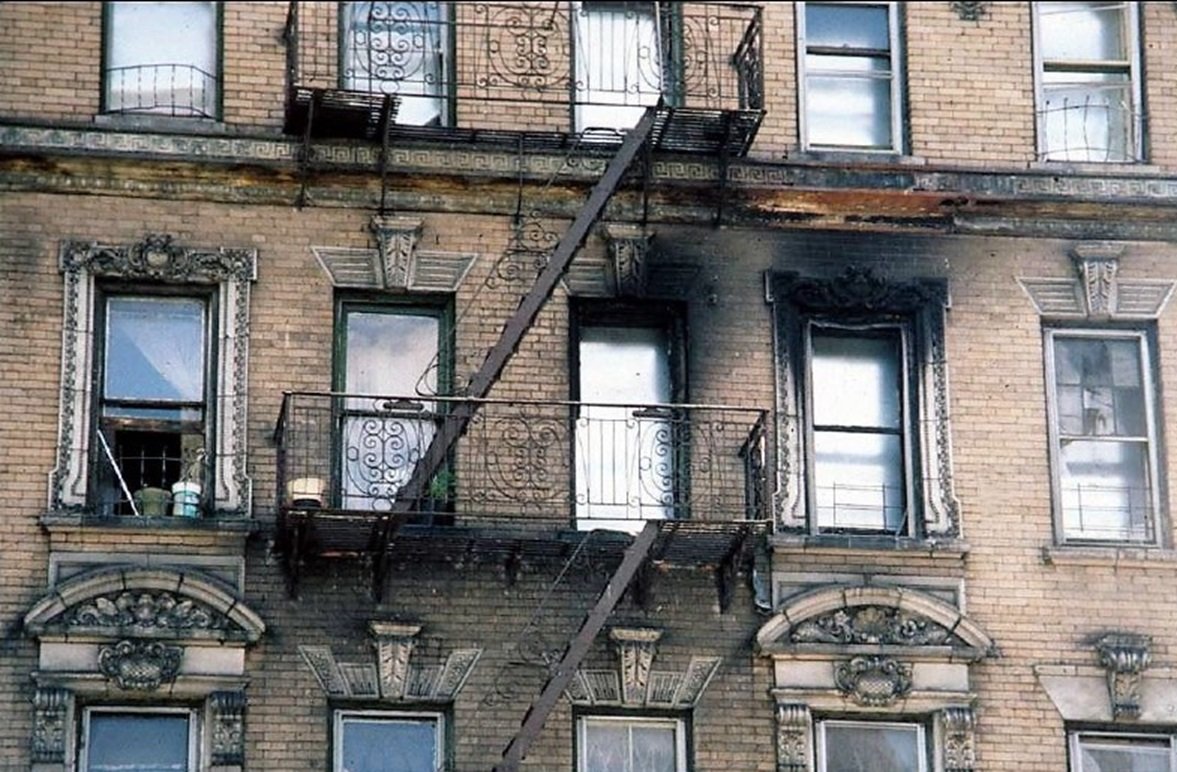
Built in 1910, the building measured 40 feet wide by 85 feet deep. There were four apartments per floor on each floor. There were two apartments in the front of the building, and two apartments in the rear of the building. Each of the apartments had three bedrooms. The building had an open interior stairway with half landings between floors and a small landing on each floor. Exterior metal fire escapes were located on Sides Alpha and Charlie. Previously, similarly constructed four-story tenements flanked the building on Sides Bravo and Delta but they had been removed prior to the fire. The building fronted on Prospect Avenue; a wide major thoroughfare divided by a grass median. There was a small yard on Side Charlie. The building did not have an elevator and was not equipped with fire alarm, fire standpipe, or fire sprinkler systems. Several fire hydrants fed from six-inch water mains were available on the opposite side of Prospect Avenue.
The Bronx is one of the five boroughs that make up the City of New York. It is located south of Westchester County; north and east of the borough of Manhattan, across the Harlem River; and north of the borough of Queens, across the East River. The Bronx has a land area of 42 square miles and had a population of 1,472,654 in the 2020 U.S. census. If each borough were ranked as a city, The Bronx would rank as the ninth-most-populous city in the country.
Woodstock is a neighborhood in the South Bronx in the southern part of the borough centered at the intersection of Prospect Avenue and Westchester Avenue. Expansion of the city subway system in the early 1900s enabled rapid development of the area. The first subway crossed under 149th Street into the area in 1906. Much of the residential housing in the neighborhood is five- and six-story multifamily residential buildings. After 1960, the area began to decline quickly due to white flight, incentives to move to the suburbs, the development of public high-rise housing projects, disinvestment by New York City, and an increase in crime and arson. While many buildings burned down in the South Bronx during the period, the population of the area declined until the 1990s when the population started to rebound. In total, over 40% of the South Bronx was burned or abandoned between 1970 and 1980, with 44 census tracts losing more than 50% and seven more than 97% of their buildings to arson, abandonment, or both.
Today the borough is protected by the New York City Fire Department (FDNY) which consists of 17,321 career firefighters, EMS personnel and support staff that serve a population of about 8 million residents in the city of approximately 321 square miles. The department staffs 254 fire stations within 14 divisions in 53 battalions operating 197 engine companies, 143 ladder companies, 8 squad companies, 5 rescue companies, 450 ambulances, 1 HazMat company, 1 USAR company, 10 wildland units and 3 fireboats. The FDNY is the largest municipal fire department in the United States, and the second largest in the world after the Tokyo Fire Department. Call volume in fiscal year 2023 was more than 1.8 million calls for service including 23,901 structural fires, 12,594 non-structural fires, 233,320 non-fire emergencies, and 1.6 million emergency medical calls including 605,140 life-threatening medical emergencies.
The Woodstock area of the South Bronx is protected by fire units of the 6th Division:
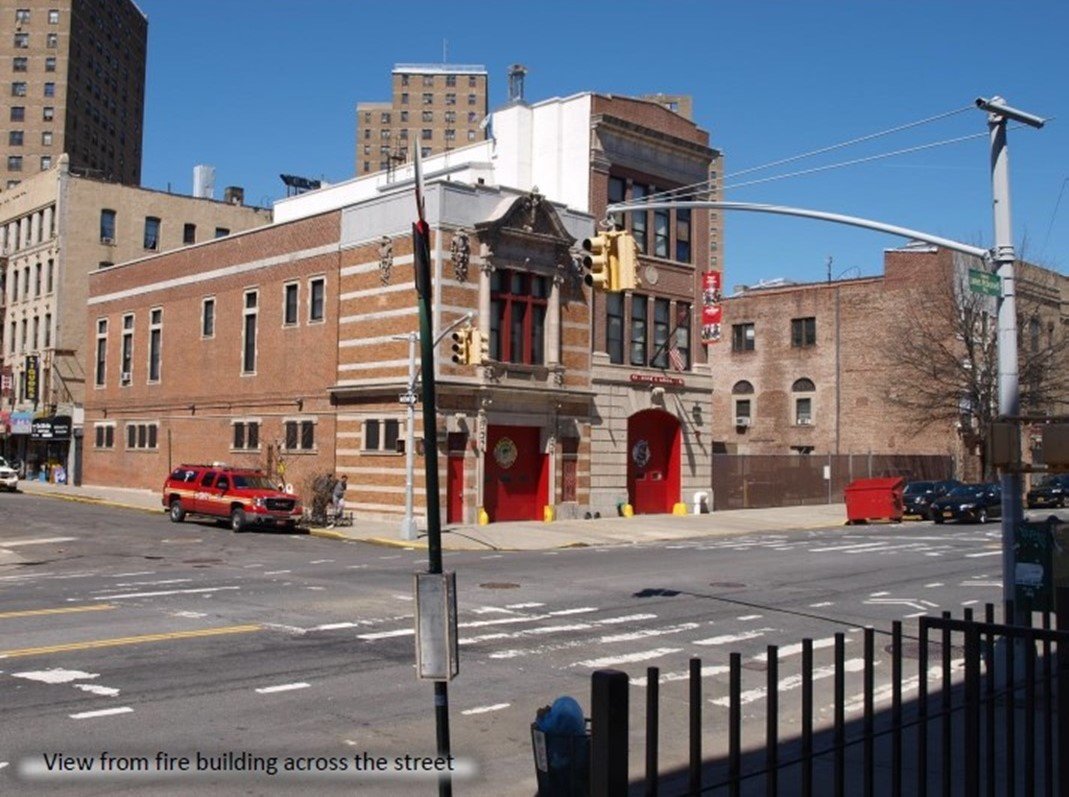
- Engine 73, Ladder 42 – 655 Prospect Avenue – across the street from the fire building.
- Engine 83, Ladder 29 – 618 East 138th Street – 1.2 miles from the fire building.
- Engine 71, Ladder 55, Division 6 – 720 Melrose Avenue – 1.2 miles from the fire building.
- Engine 94, Ladder 48, Battalion 3 – 1226 Seneca Avenue – 1.3 miles from the fire building.
- Engine 60, Ladder 17, Battalion 14 – 341 East 143rd Street – 1.4 miles from the fire building.
Area weather conditions on the morning of the incident included an air temperature of 57 degrees F and a relative humidity of 59% with a strong north wind at 14 mph gusting to 23 mph under partly cloudy skies (Weather Underground). Note: Research by the National Institute of Standards and Technology (NIST) has shown wind speeds on the order of 10 to 20 mph are sufficient to create wind-driven fire conditions in a structure with an uncontrolled flow path (Madrzykowski and Kerber 2009). The windy conditions of the morning of the fire had a significant impact on fire development and the outcome of the incident.
The morning of Friday, October 11, 1985, was cold and windy. The day started innocently enough in apartment 4D at 634 Prospect Avenue in the South Bronx. On the fourth floor in the front right apartment, seven-year-old Vanessa Santiago had left for school early in the morning. Her four-year-old brother, Joseph Fernandez, was in his room. The parents, Mr. Vidal Ortez and Ms. Fernandez were home. Inside Joseph Fernandez’s bedroom, there was a bunk bed equipped with foam rubber mattresses. There were several plastic toys and numerous other plastic items. Unbeknownst to Mr. Ortez and Ms. Fernandez, their son Joseph was in his room playing with matches. An incipient fire started. Joseph yelled out to his father that there was a fire in his room. By the time Mr. Ortez made it to his son’s bedroom, the flames were leaping from the lower bunk mattress and reaching the upper mattress. Mr. Ortez quickly alerted all the occupants in his apartment and evacuated them. Ms. Fernandez quickly ran downstairs to report the fire. The time was approximately 0910 hours.
Across the street from 634 Prospect Avenue were the quarters of Engine 73 and Ladder 42. The change of tours had just occurred. There was a mix of on-duty and off-duty firefighters in the firehouse. Tools were being checked, radios were being charged, and the self-contained breathing apparatus were being readied for the day tour. Firefighters were grabbing a cup of coffee and talking about the activity the night before.
At 0910 hours, Emergency Reporting System (ERS) Box 2611 with no voice contact was transmitted by the Bronx Fire Dispatchers. As per FDNY policy, a single engine company would be dispatched, Engine 73. As the apparatus door was about to be raised, other neighbors started banging on the large red firehouse apparatus doors. Smoke could be seen coming from the fourth-floor windows in the tenement across the street. The house watchman, Firefighter Bobby Pannacchia, alerted everyone in the firehouse that they had a “verbal alarm” for a working fire across the street.
Off-duty Firefighter Patrick Fitzmaurice grabbed his coat, boots, and helmet and ran across the street and up the stairs to the fourth floor. He was the first firefighter to make it to the fire floor. He saw Mr. Ortez on the stairway landing, and he told Fitzmaurice that everyone was out of the apartment. The smoke was thick, black and hot. The smoke level was about three feet off the floor. He made a quick entry into the fire apartment to make sure everyone was out. He stayed close to the floor to avoid the heavy black smoke that was above him. Fitzmaurice then left the fire apartment to make sure the occupants of the adjoining apartment were alerted to the fire and evacuated. Once in the adjoining apartment, he made his way to the front fire escape that also served the fire apartment. He vented the front fire apartment window. He could see into the fire apartment, and he looked and shouted into the fire apartment to make sure everyone was out.
Engine 73 left the firehouse and Chauffeur Firefighter Kenny Richardson positioned the pumper at a hydrant across the street from the fire building, roughly 100 feet from the fire building’s front door. Firefighter Tim Brown was the Nozzleman. He was backed up by Firefighter Pannacchia. Firefighters Joe Regan and Pete Duran assisted in the hose stretch. Firefighter Rich Bonacorsa was off duty at the time of the fire. He made the climb to the fire floor to help his company. Captain Bowes was in command of Engine 73. The hose stretch was made up a narrow stairway with small landings on each floor and half landings between floors. The hose made it up to the fourth floor rapidly. It would require seven lengths of hose to reach the fourth floor from the pumper hooked up to the hydrant across the street.
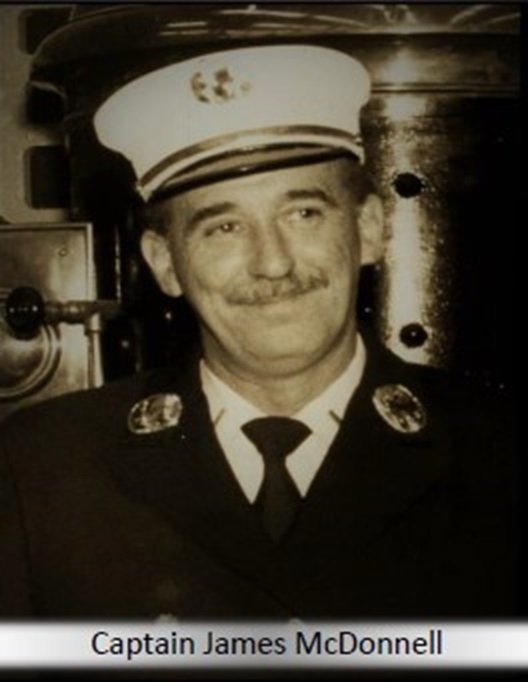
Ladder 42 was commanded by Captain James McDonnell. He was covering a vacation for the assigned Captain of Ladder 42. Their apparatus responded across the street and raised the aerial ladder to the roof of the isolated building. Captain McDonnell, Firefighter Peter Bielfeld (Forcible Entry Firefighter) and Firefighter Dan Saitta (Can Firefighter) comprised Ladder 42’s forcible entry team. They raced up the stairs to the fourth floor. Engine 73 was poised to advance their 1.75-inch hoseline on the narrow stairway and they were waiting for water. Captain Bowes of Engine 73 told Captain McDonnell that Mr. Ortez told him that everyone was out of the apartment. Thick black smoke was belching from the fire apartment. The smoke level was down to two to three feet above the floor. Ladder 42’s forcible entry team made entry into the apartment to perform a primary search and to confine the fire.
In the street, Engine 73’s Chauffeur was having difficulty removing the 4 ½-inch hydrant cap. The Department of Environmental Protection (DEP) installed “Hydra-Shield” hydrant caps to prevent unauthorized use of fire hydrants. During the drought that New York City experienced that year; DEP installed a “lock washer” behind these “Hydra-Shield” caps. It wasn’t until the second due engine company arrived and assisted in the removal of the hydra-shield cap that the hoseline was charged.
Historical Note: In the FDNY in 1985, the personal protective equipment (PPE) was: pull up boots, a Nomex coat, a leather helmet without chin strap, leather gloves, a Scott 4.5 self-contained breathing apparatus (SCBA) with a separate personal alert safety system (PASS) attached to the waist strap of the SCBA.
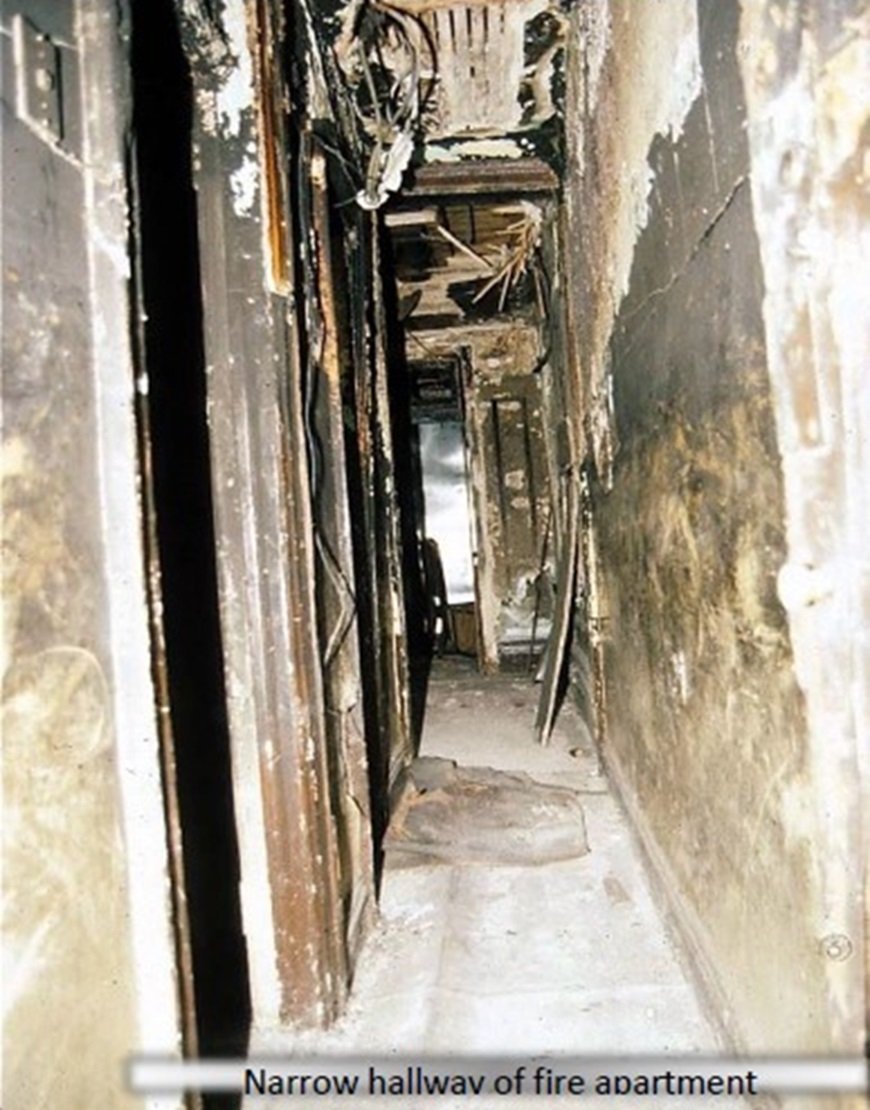
The apartment hallway was long and narrow. It was fourteen feet long and only about 2 ½ feet wide. Off the hallway was a bathroom and a kitchen. This hallway emptied out into a living room that had two bedrooms off of it. A third bedroom had an entrance off the master bedroom in the front of the apartment.
Captain McDonnell kept moving deeper into the apartment. Firefighters Bielfeld and Saitta were keeping up with the Captain. He was staying low to avoid the toxic smoke and the heat. Captain McDonnell did not have his SCBA facepiece donned. He held the facepiece to his face when he needed a breath. His gloves were not donned, and his boots were not pulled up. Historical Note: In 1985, while this was not the prescribed method of wearing turnout gear, this was not an uncommon practice. In the 1980s, burn injuries skyrocketed due to the advent of the newer 4.5 mask allowing firefighters to get deeper into fire areas, the increased use of plastics in furnishings, and the thermal paned windows that were keeping heat in the fire areas.
Outside the tenement, there was a strong wind blowing into the window serving the fire bedroom that was off the living room. Unbeknownst to Captain McDonnell, the window, which was off the air and light shaft, had failed due to the heat. The door to the bedroom was closed and kept the fire in the room. Captain McDonnell opened the door to perform a primary search.
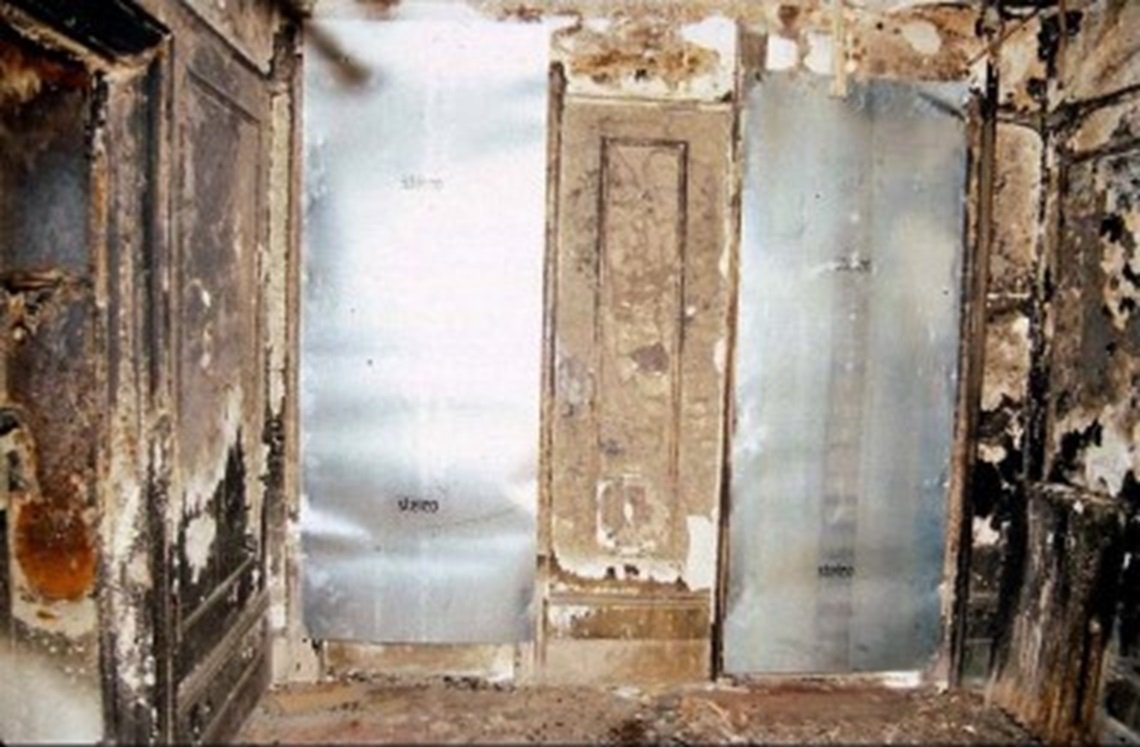
There was a perfect storm brewing. The fire in the bedroom had as its fuel, many plastic items. The smoke was velvet black, similar to an oil fire. A strong wind was blowing into the fire bedroom window and the front windows were removed in an attempt to make sure everyone was out of the fire apartment. When Captain McDonnell opened the fire bedroom’s door, an extremely rapid flashover ensued. A wall of flame engulfed Ladder 42’s forcible entry team. Captain McDonnell and Firefighter Bielfeld tried in vain to close the bedroom door. A flow path was created with the fire racing to the front windows. The fire had plenty of oxygen, plenty of fuel, and tremendous heat. Once the fire reached the front windows, it had enough pressure to extend past the fifth-floor windows to the roof level.
Captain McDonnell reacted to this extreme condition. He yelled to Firefighter Bielfeld and Saitta to “get out” and he pushed Bielfeld, who fell backward toward the window off the living room. Saitta was in the living room. The two firefighters knew they were in severe trouble. The heat was unbearable. Saitta made it to the apartment hallway first. Bielfeld lunged for the apartment hallway and headed to the apartment door. Captain McDonnell sacrificed his own safety to warn and push his two firefighters toward the exit. When Firefighters Saitta and Bielfeld got to the apartment door, they had flames coming off their bodies. They were yelling to the firefighters on the stairway landing that the Captain was still in there and was trapped in the apartment as the ceiling collapsed.
Engine 73 still did not have water as Firefighters Bielfeld and Saitta exited the apartment. Firefighters Tim Brown and Bobby Pannacchia put down the hoseline to attempt to rescue the trapped Captain. They crawled down the 14-foot hallway and made it to the living room. They physically could not take the heat anymore. The flashlight that was strapped to Firefighter Brown’s helmet started to melt as did his Bourke eye shields that were attached to his helmet. They had to retreat. As they retreated, Brown felt a nudge; it was the now charged 1.75-inch hoseline. It was moved down the narrow hallway by Firefighter Joe Regan of Engine 73. Brown grabbed the nozzle and Pennacchia moved into the kitchen to get out of the way of the advancing hoseline in the narrow 2 ½-foot-wide hallway. Brown started operating the hoseline as the backpressure pushed him against the living room wall. Captain Bowes told Brown to keep moving in. They moved about ten more feet which brought them near the end of the living room. Brown was now exhausted; however, he had knocked down much of the fire. He turned the nozzle over to Firefighter Regan.
Firefighter Bonacorsa and Captain Bowes kept moving deeper into the apartment with the hoseline still operating. The room was dark and filled with smoke and steam. Bonacorsa came upon what appeared to be clothing that was burned. Upon examination, he realized it was Captain McDonnell. It was difficult move him. He called out to Captain Bowes that he had found Captain McDonnell. Bonacorsa grabbed the straps of Captain McDonnell’s SCBA and began to drag him out of the apartment. Once Bonacorsa got Captain McDonnell out onto the stairway landing, he realized that he was badly burned and in cardiac arrest. Bonacorsa began cardiopulmonary resuscitation (CPR).
After eight breaths, Captain McDonnell began breathing. Firefighter Bonacorsa was relieved by firefighters from Rescue 3. Firefighter Oitice of Engine 94 heard the commotion on the fourth floor. Oitice, being an Emergency Medical Technician, assisted in performing compressions on Captain McDonnell.
Members of Rescue 3 carried Captain McDonnell down the stairs in a Stokes Basket stretcher. He was loaded into a waiting ambulance. Firefighters Pete Ferrante and Jim Avaras from Rescue 3 went with him in the ambulance. Battalion Chief William Robb of Battalion 26 followed the ambulance in his chief’s car. Captain McDonnell was taken to Lincoln Hospital and then to Cornell Medical Center (Burn Center).
This was an “all-hands” (first alarm) fire. Engine 94 stretched the second hoseline to the fifth floor. The second hoseline was not charged on the floor above, as there was no fire extension on the floor above. Ladder 48 searched the floor above the fire and the results were “negative”. They dropped down to the fourth floor to complete search and overhaul operations in the fire apartment.
Captain James McDonnell lived for nine days. He passed away on October 20, 1985, from pneumonia. Captain McDonnell displayed incredible courage and selflessness in warning and pushing his two firefighters toward safety. In so doing, he was not able to save himself. Captain James McDonnell was awarded the James Gordon Bennett Medal and Dr. Harry M. Archer Medal posthumously. These are the two highest medals awarded by the FDNY.
Captain James F. McDonnell, age 46, was a 19-year veteran of the FDNY. He had served with Engine 81 in The Bronx before his promotion to captain. He was currently assigned as a covering officer with the 3rd Division in Manhattan. Born in Manhattan, he attended New York City schools and served two years in the U.S. Army. He worked for a plastics company before joining the fire department on August 20, 1966. He was a soft spoken and well-respected officer as well as a gifted carpenter who was always willing to lend a hand to help others. McDonnell was survived by his wife, Patrica; two sons, Gregory, age 10, and James, age 14; his sister, Jane; and his brother, John.
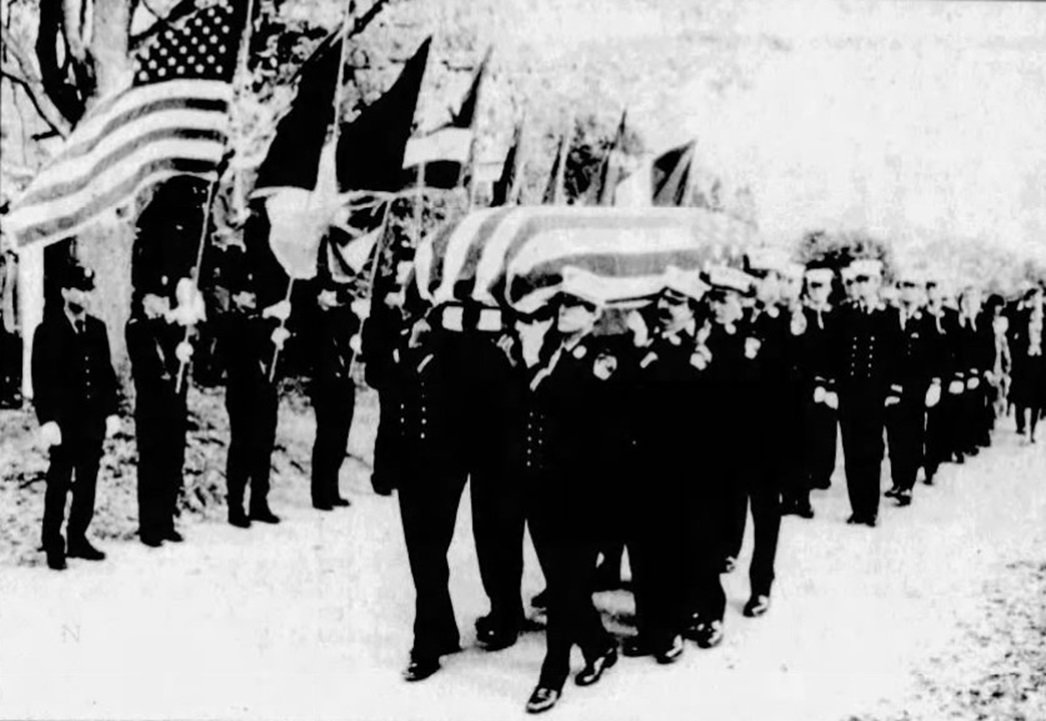
More than 5,000 FDNY and area firefighters attended the funeral for the fallen captain held at St. John’s Roman Catholic Church in Lake Mahopac, New York. He was buried at Kensico Cemetery in Valhalla, Westchester County, New York.
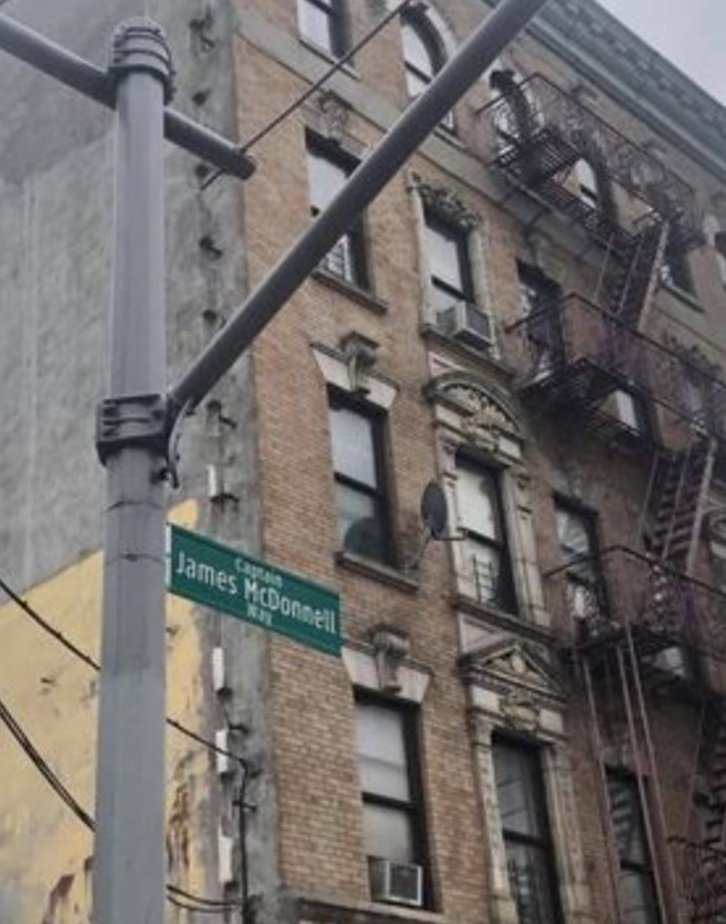
The fire building was repaired following the fatal fire and is occupied today. The section of Prospect Avenue near the fire building has been named for the fallen captain.
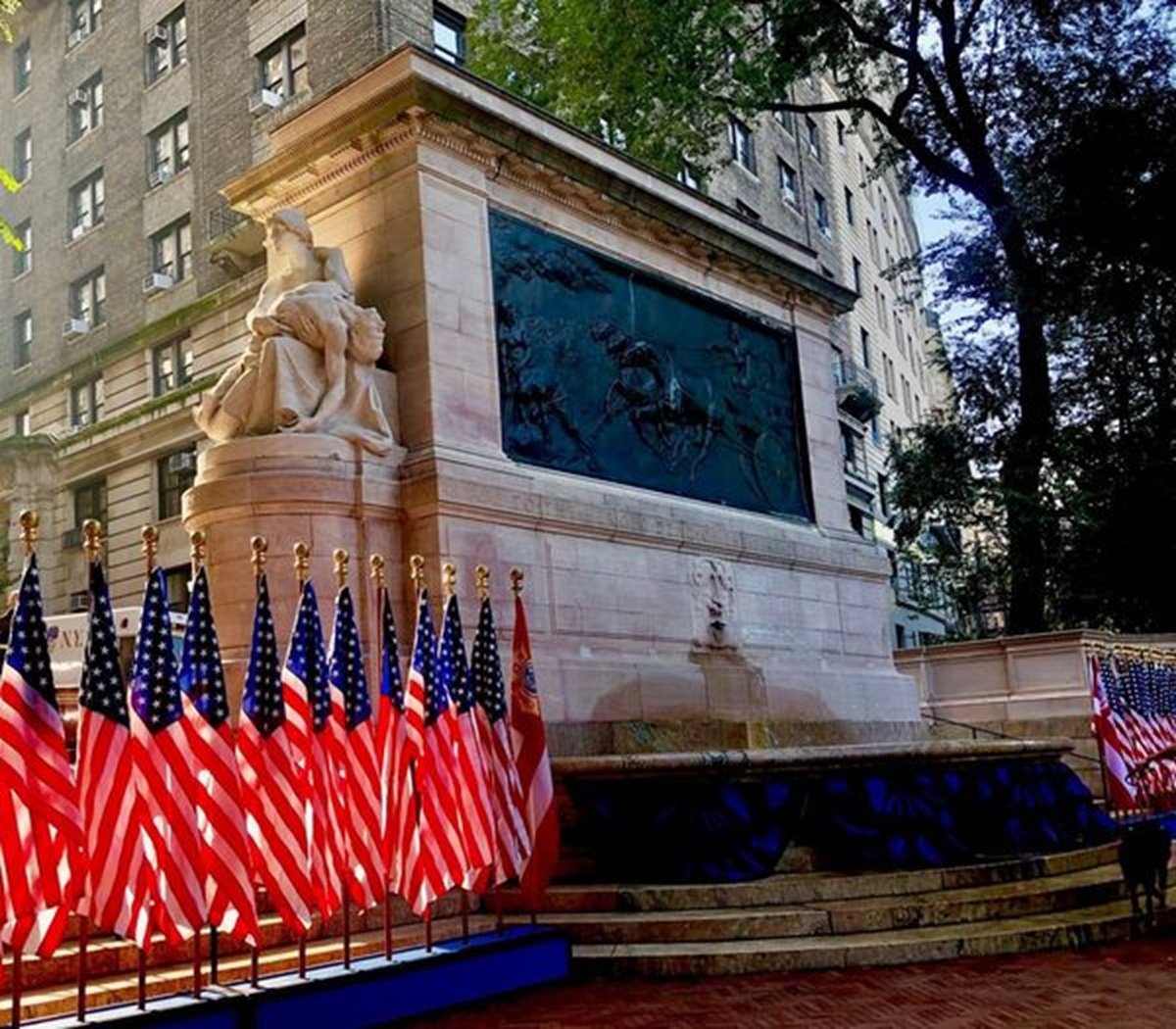
Captain James F. McDonnell has been honored at the New York Firemen’s Memorial on Riverside Drive at 100th Street in Manhattan, New York. The memorial honors the members of the NYFD and the FDNY who have made the ultimate sacrifice in the line of duty. Built in 1913 on a hillside facing the Hudson River, the memorial comprises a grand staircase, a balustraded plaza, a fountain basin, and the central monument. Made of Knoxville marble, the monument is a sarcophagus-like structure with a massive bronze bas-relief of horses drawing an engine to a fire. To the south and north are allegorical sculpture groups representing “Duty” and “Sacrifice.” The inscription on the reverse side of the monument reads:
“To the men of the fire department of the City of New York who died at the call of duty soldiers in a war that never ends this memorial is dedicated by the people of a grateful city.”
Every September, the FDNY holds an annual remembrance ceremony at the monument.
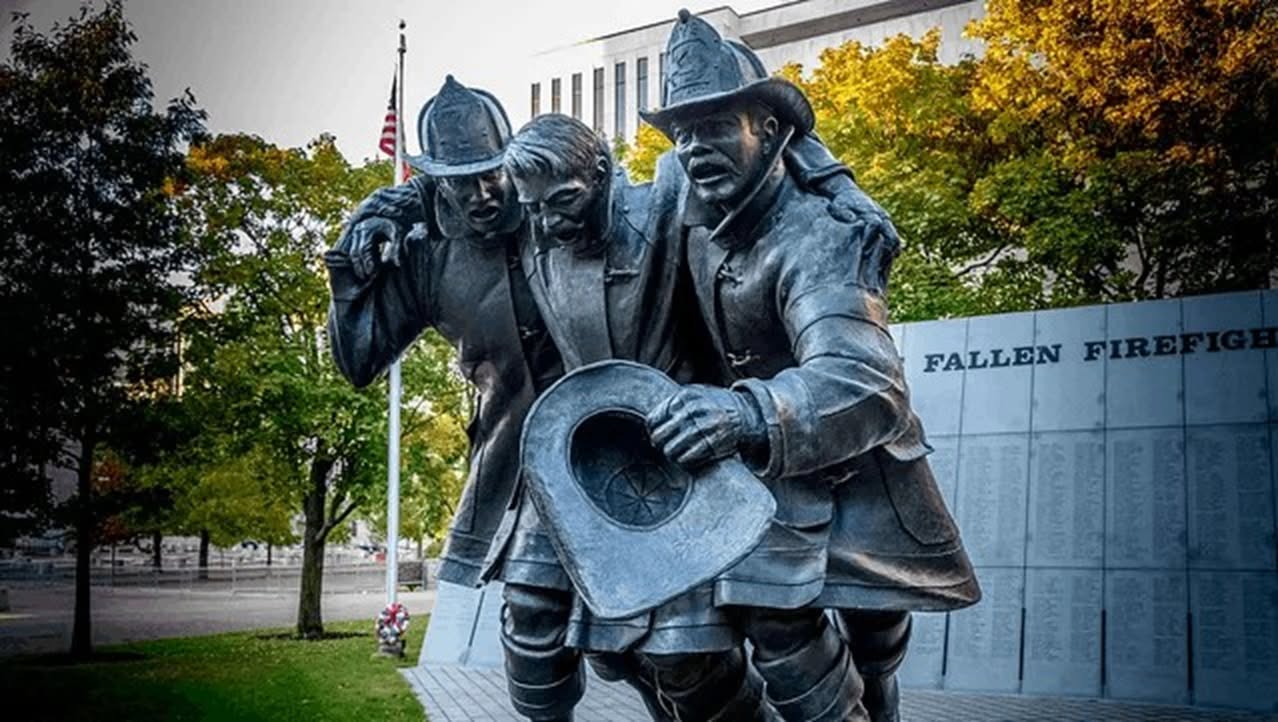
The name of Captain James F. McDonnell has been inscribed on the New York State Fallen Firefighters Memorial in Empire State Park on the grounds of the State Capitol in Albany. The memorial honors the men and women of the fire service who have perished in the line of duty in the Empire State. The memorial is located between the Justice Building and The Egg in a park-like area bordered by Norway maple trees. Dedicated in 1998, it consists of a ten-foot-high bronze statue of two firefighters rescuing an injured comrade backed by a granite wall fifty-four feet long and fifteen feet high inscribed with the names of New York state firefighters who gave their lives to save others. The memorial is placed on a plaza of charcoal and red brick pavers forming a Maltese Cross. As of October 2026, there are 2,871 names on the wall. The earliest name on the wall is from the year 1811.
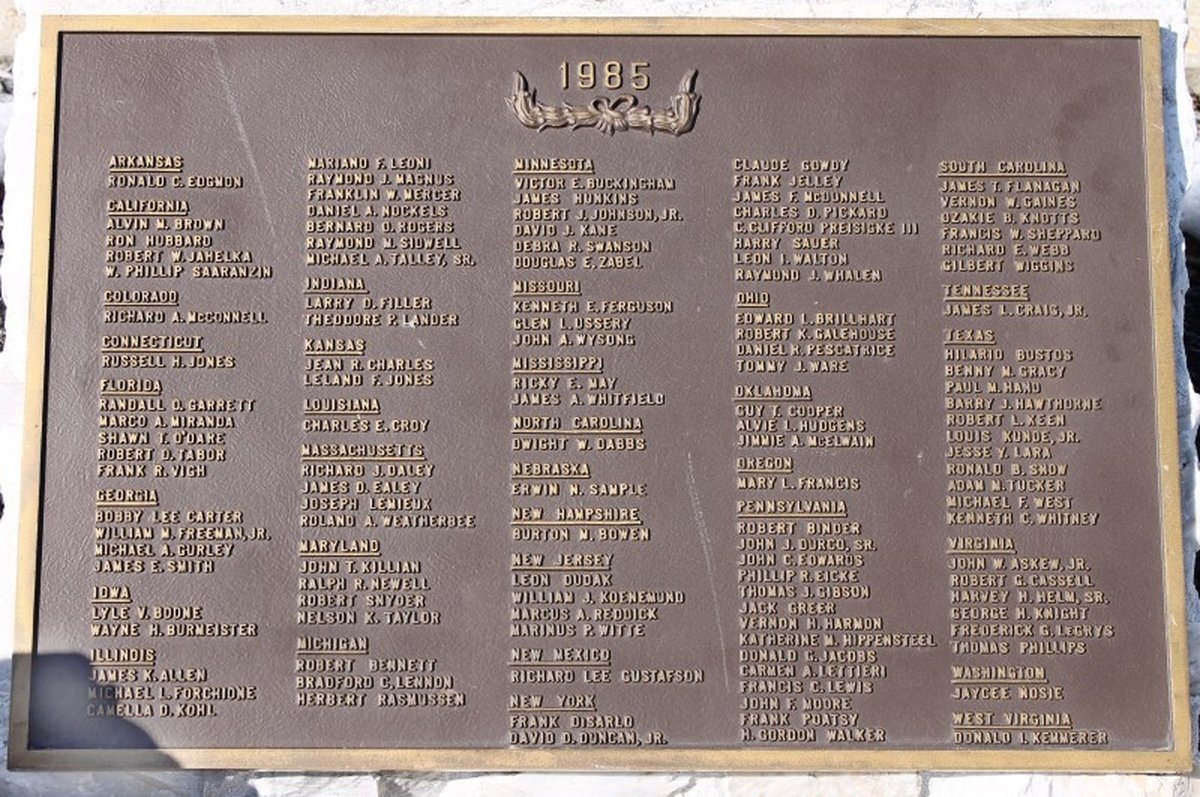
The name of the Captain James F. McDonnell has been inscribed on the 1985 plaque displayed at the National Fallen Firefighters Memorial on the campus of the National Fire Academy in Emmittsburg, Maryland.
Commentary by Deputy Chief Jay Jonas, FDNY Division 7:
Firefighters do not survive flashover. Your bunker gear gives you a chance to escape from flashover’s extreme conditions. You must recognize the conditions where flashover can occur. You must recognize that if heat is coming through your bunker gear as you are crawling on the floor, you are in danger. The phenomenon of “rollover” is another indicator that flashover is about to occur. Rollover is the sporadic flashes of flame in the smoke near a doorway or a window. When the smoke (flammable vapors) reaches the right mixture of oxygen near a window, or a doorway and they will momentarily ignite. The firefighter with the “Door” position is in a good spot to identify rollover and warn anyone who is exposed. These are indicators that flashover is about to occur.
Bunker gear is not a proximity suit. It is designed to give the wearer protection under normal firefighting situations. It can give the endangered firefighter a few seconds to escape. A fully protected firefighter can withstand about 300 degrees F. In order to survive, stay low. By standing, the temperatures can range from 700 degrees to 1,000 degrees. A firefighter must be prepared for the unexpected. Upon entering a fire area in the incipient phase, a firefighter must have all his/her protective gear donned.
When fires are in their incipient phase, they give off toxic and flammable gases. As the fire grows, it gets hotter and more flammable gases are produced. If the fire continues to grow in a confined area, there is a good chance flashover will occur. Flashover is the filling of a room or area with flame. Thermal radiation feedback ignites all combustible surfaces. It signals the end of the incipient phase of the fire, and it is now in the free-burning phase. It is the end of the fire being a “contents” fire and it is now a “structural fire.” Once flashover occurs, the temperature near the ceiling will reach 1,100 degrees F.
The danger from flashover has increased with the increased use of plastics. The plastics have a much more rapid vaporization than does wood or paper. Plastics have twice the amount of British Thermal Units (BTUs) than does wood or paper. Plastics give off 500 times the amount of smoke as compared to ordinary combustibles such as wood and paper.
If firefighters reach an apartment door where flashover is about to occur, a searching firefighter can crawl into the fire area about only five feet. Fully protected firefighters can only crawl about 2 ½ feet per second. If the fire room does flashover while the searching firefighter is five feet deep into the apartment, it will expose the searching firefighter to temperatures of around 1,000 degrees for two seconds. That is the maximum amount of time a fully geared-up firefighter can withstand. The searching firefighter who goes five feet deep into a room or area that is in danger of flashover can perform a quick sweep of the door area looking for trapped occupants. The searching firefighter can shout out to anyone who is trapped. If flashover occurs, it signals the end of survivability of trapped occupants.
Flashover can be prevented. If a fire can be confined behind a door, it may prevent a flashover. The 2.5-gallon water extinguisher stream can be deployed to the upper portions of a room or area before flashover occurs. The use of the water extinguisher in this matter can delay/prevent flashover. An aggressive hoseline advance using the reach of the hose stream and smart ventilation can also prevent flashover from occurring. A wind-driven fire can greatly accelerate the possibility of flashover.
Flashover does not happen at every fire. If a smoke condition is encountered with little heat, it is not likely that flashover will occur.
We have also attached an article published in Fire Engineering magazine by Michael Salzano on understanding and avoiding a flashover: https://www.fireengineering.com/firefighting/understanding-and-avoiding-a-flashover/
We have also attached the link to a free FSRI training course on understating fire dynamics in structural fires: https://training.fsri.org/course/032-evidence-based-structural-firefighting
Thanks to multiple media sources and to FDNY Deputy Chief (ret.) Jay Jonas for his excellent article in the May 2017 edition of the Division 7 Newsletter for the content of this article.
Honor the service of Captain James McDonnell by studying the fire dynamics of flashover and techniques to avoid or control it with your crew members today.
Remember Fallen Brothers.
Get Out There And Know Your Local!!!
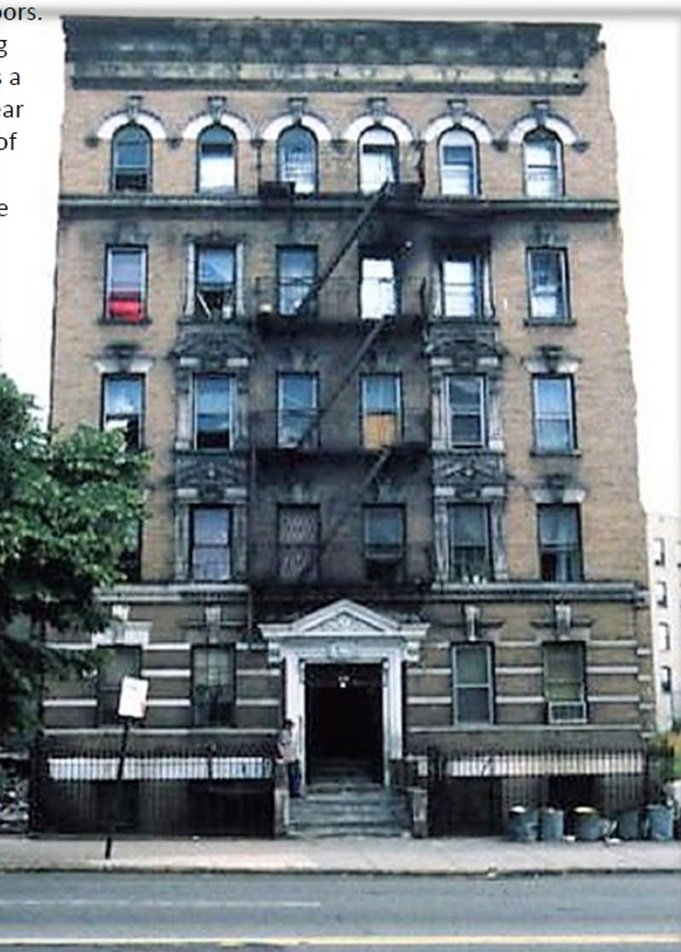
Photo of Side Alpha of the fire building post-fire.
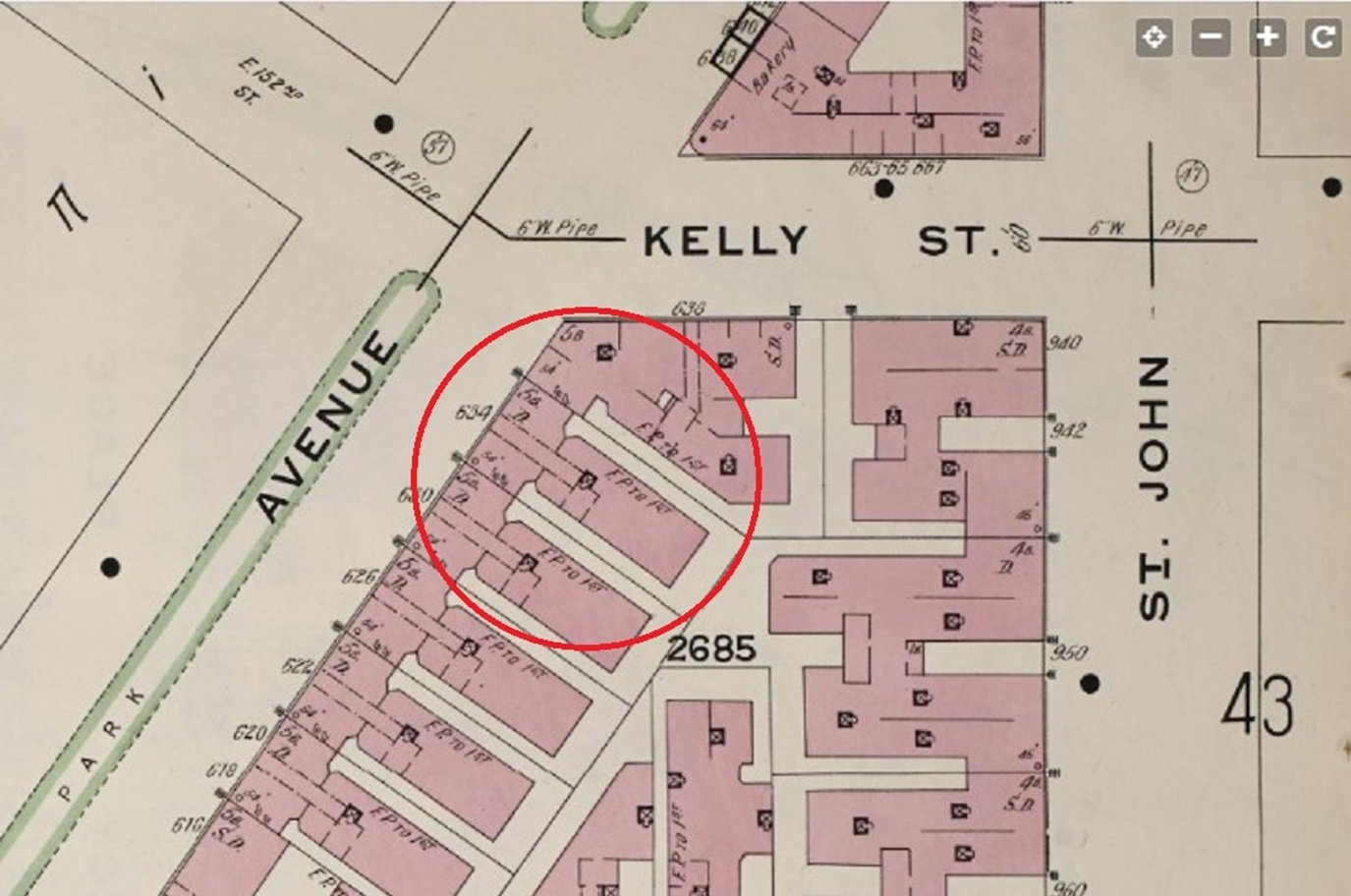
Built in 1910, the building measured 40 feet wide by 85 feet deep. There were four apartments per floor on each floor. There were two apartments in the front of the building, and two apartments in the rear of the building. Each of the apartments had three bedrooms. The building had an open interior stairway with half landings between floors and a small landing on each floor. Exterior metal fire escapes were located on Sides Alpha and Charlie. Previously, similarly constructed four-story tenements flanked the building on Sides Bravo and Delta but they had been removed prior to the fire. The building fronted on Prospect Avenue; a wide major thoroughfare divided by a grass median. There was a small yard on Side Charlie. The building did not have an elevator and was not equipped with fire alarm, fire standpipe, or fire sprinkler systems. Several fire hydrants fed from six-inch water mains were available on the opposite side of Prospect Avenue.
etail from the 1936 Sanborn fire insurance map showing the configuration of the fire building (circled in red) and the surrounding exposures. Note that the exposure buildings on Side Bravo and Delta had been removed at the time of the fire in 1985.
“To the men of the fire department of the City of New York who died at the call of duty
soldiers in a war that never ends this memorial is dedicated by the people of a grateful city.”
Every September, the FDNY holds an annual remembrance ceremony at the monument.