Two Firefighters Die & Two Firefighters Injured During Arson Fire and Structural Collapse in Multi-Occupancy Building – Kansas City, Missouri – October 12, 2015 – NIOSH Firefighter Fatality Report F2015-15
On October 12, 2015, Kansas City Fire Apparatus Operator Larry Leggio and Firefighter John Mesh were killed when a 90-year-old building collapsed during an arson fire; two other firefighters suffered severe injuries. Multiple units were dispatched at 1927 hours on initial calls that indicated fire visible from the structure; additional units were dispatched as the incident escalated, with a full second alarm requested shortly after arrival. Tactical assignments were made, including establishing a Rapid Intervention Team, and crews began operating to effect fire suppression and occupant rescue, rescuing multiple occupants by ladder prior to deteriorating conditions forced a shift to defensive operations. An evacuation order was sounded that ordered all firefighters out of the building. Command conducted a personnel accountability report to ensure all crews were accounted for and were out of the structure. Several firefighters were operating from a defensive position on the exterior of the building in an alley on Side Delta when a structural collapse occurred showering debris upon the firefighters. Two firefighters were killed, and two others were severely injured. The owner of a nail salon in the building was sentenced to 74 years in prison for two counts each of murder and arson.
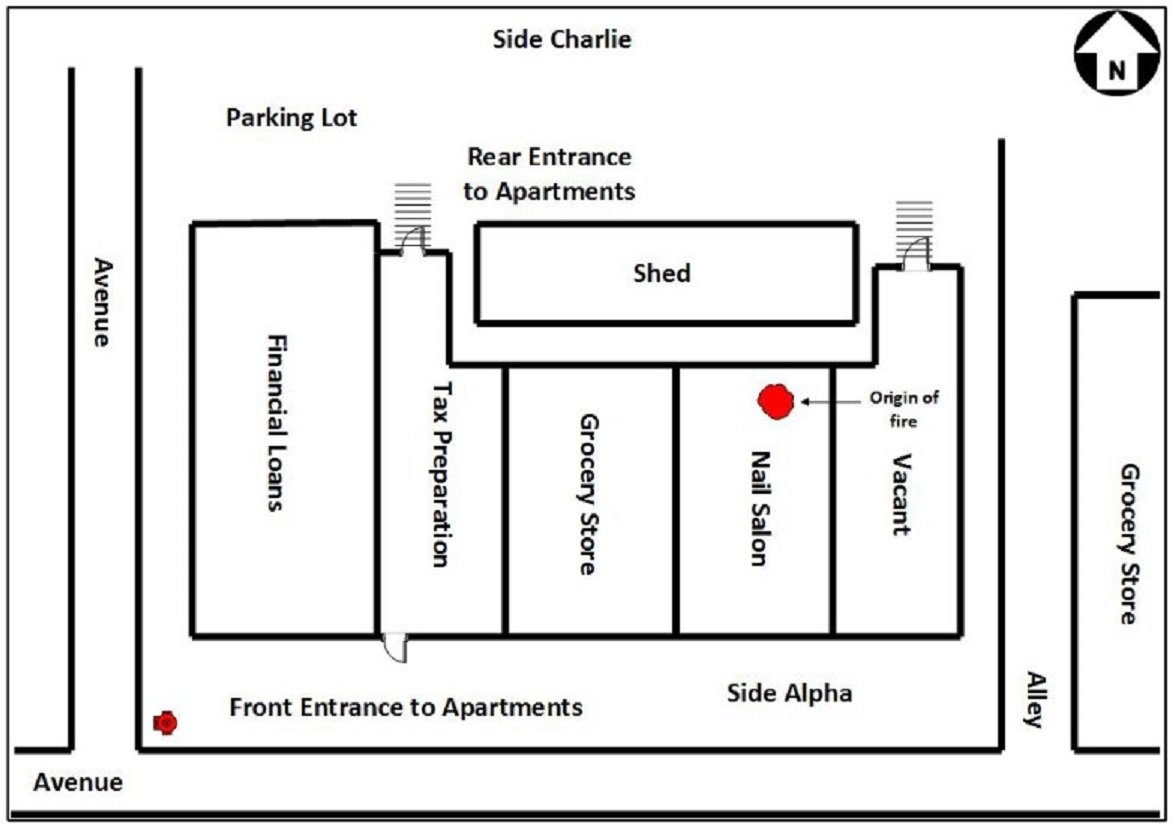
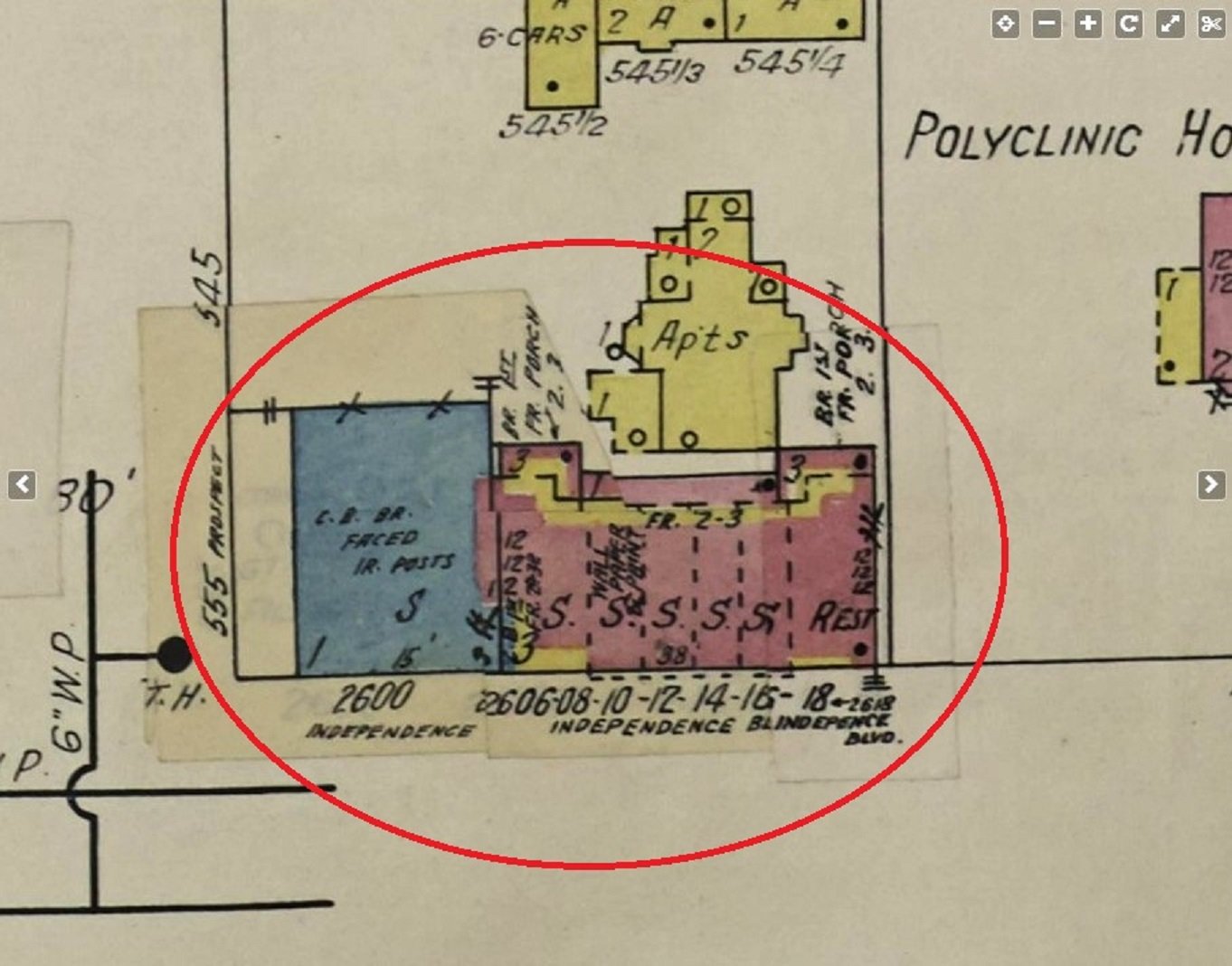
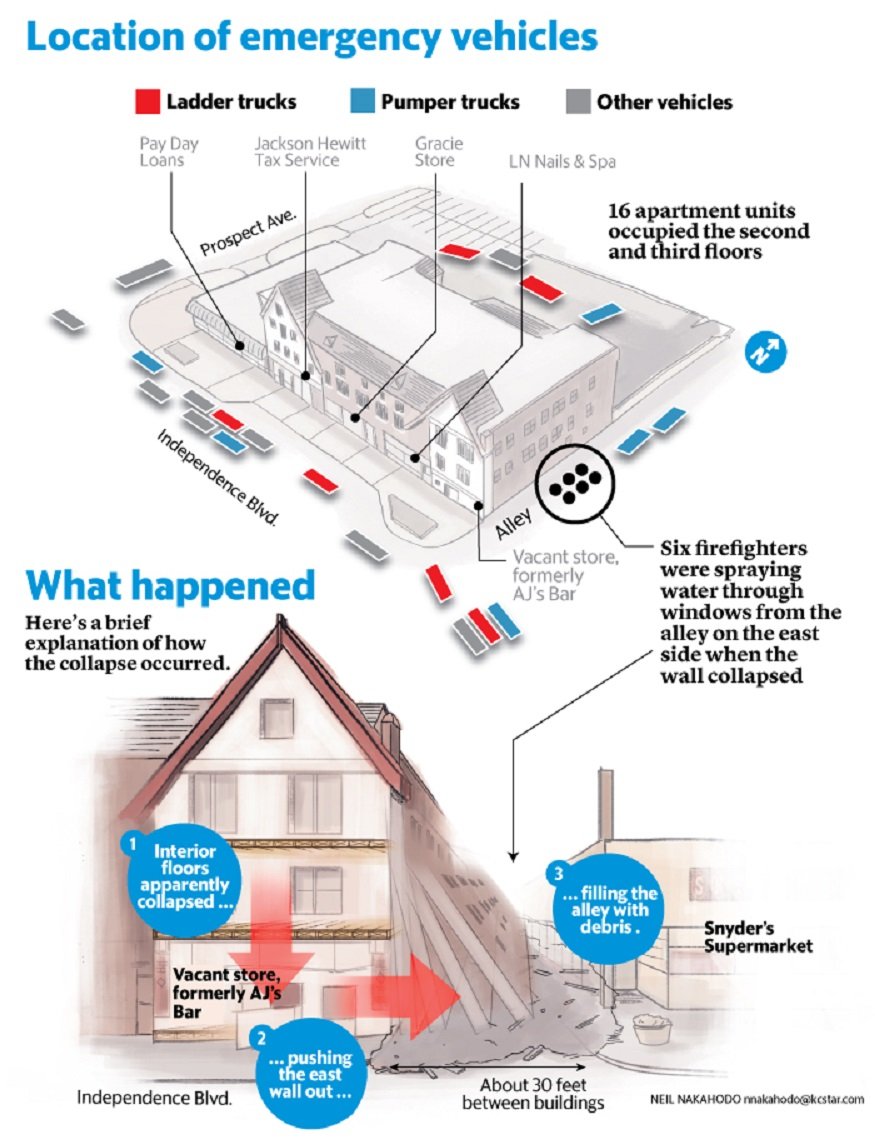
The structure involved in this incident was a three-story Type III Ordinary construction mixed-use occupancy with five commercial spaces on the first floor and residential apartments on the second and third floors. City records showed that the building was erected in 1925. The building was built on a concrete slab and measured 216 feet by 64 feet. Occupancy on the first floor included a loan office, a tax preparation service, a small grocery store, a nail salon, and a vacant space formerly used as a bar and restaurant. Each upper floor featured eight residential apartments. The building was not equipped the fire sprinklers or a central monitored fire alarm system. A few of the apartments were equipped with single-station battery powered smoke detectors. Building access was available on all sides of the structure and a grocery store was located across an alley on Side Delta.
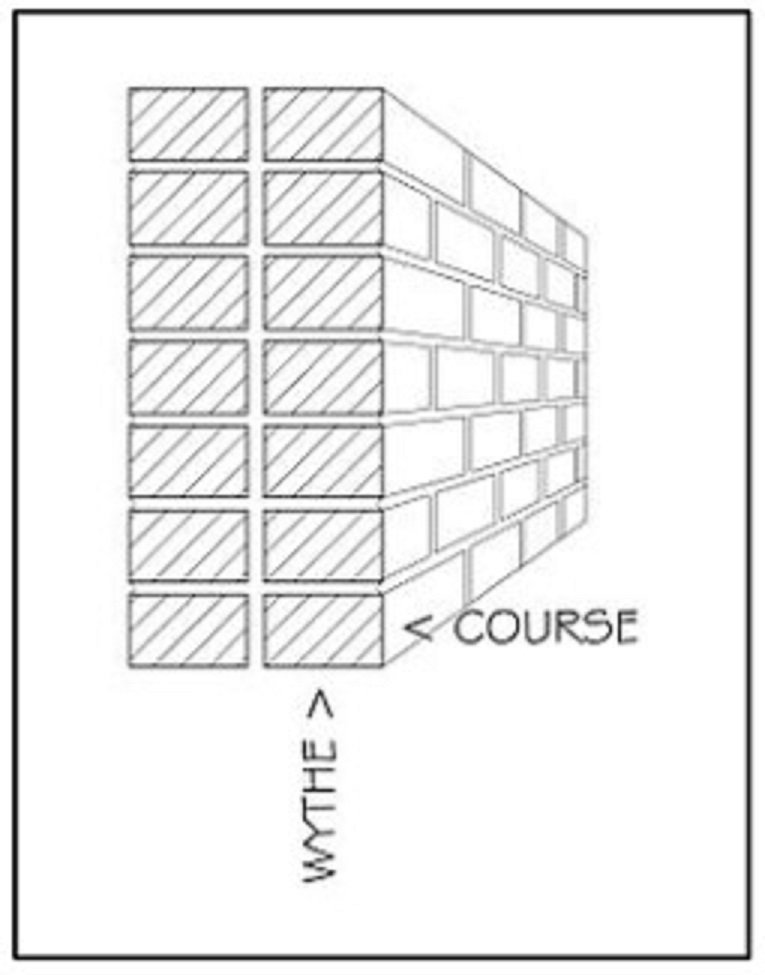
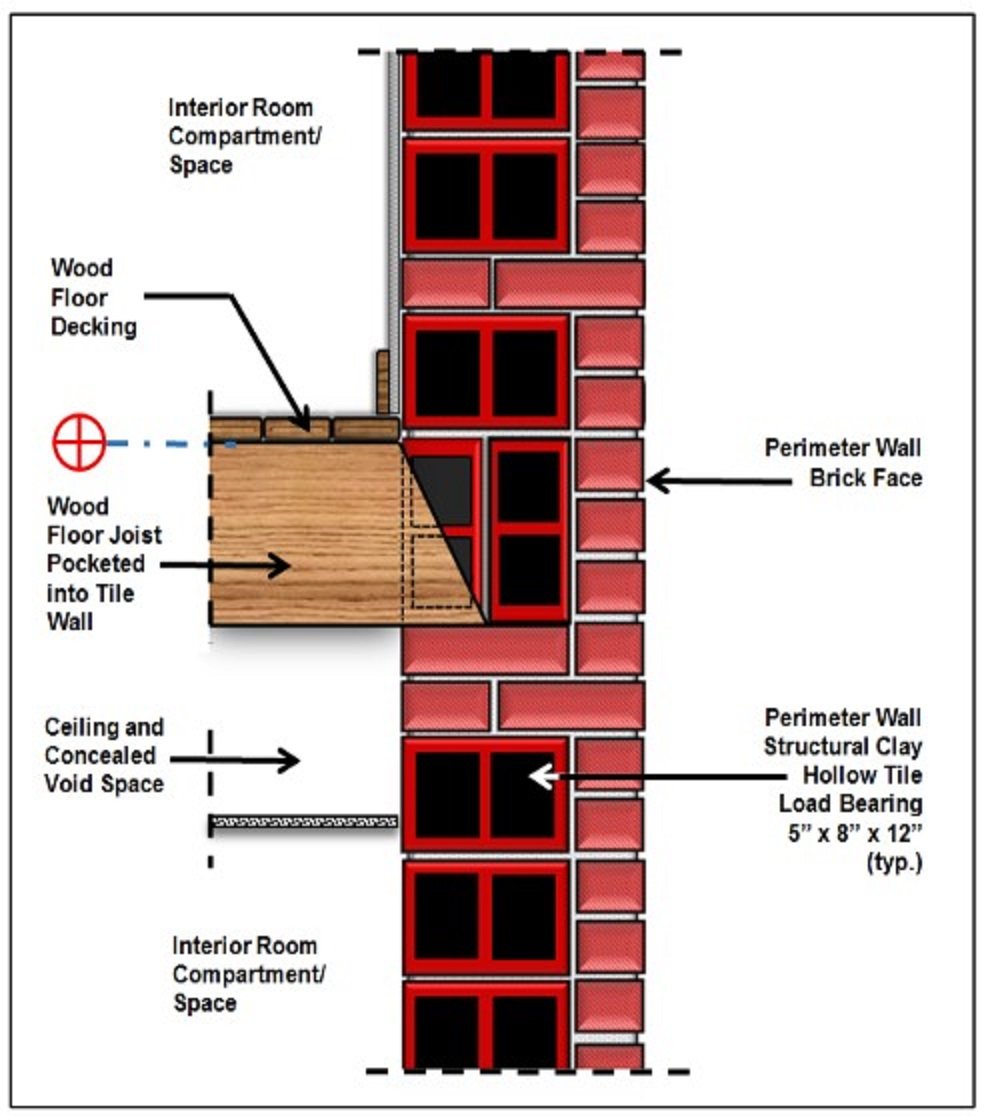
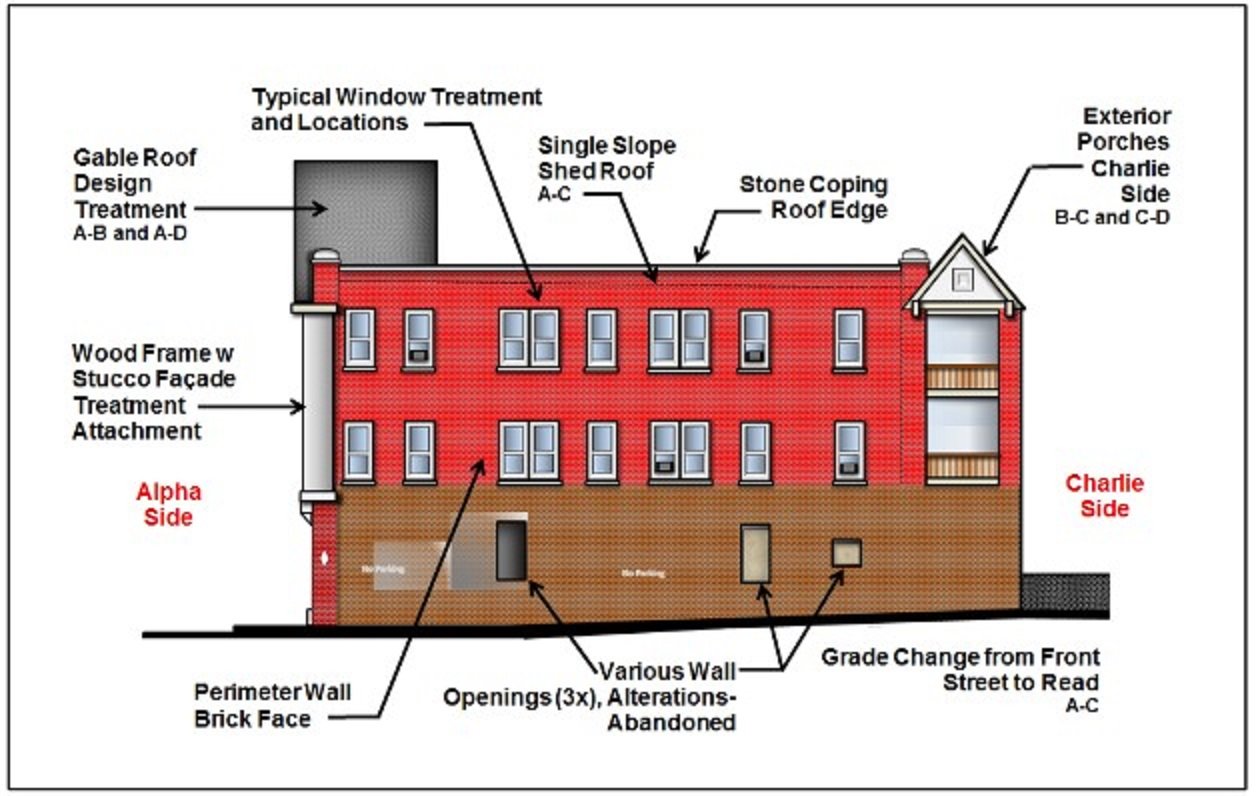
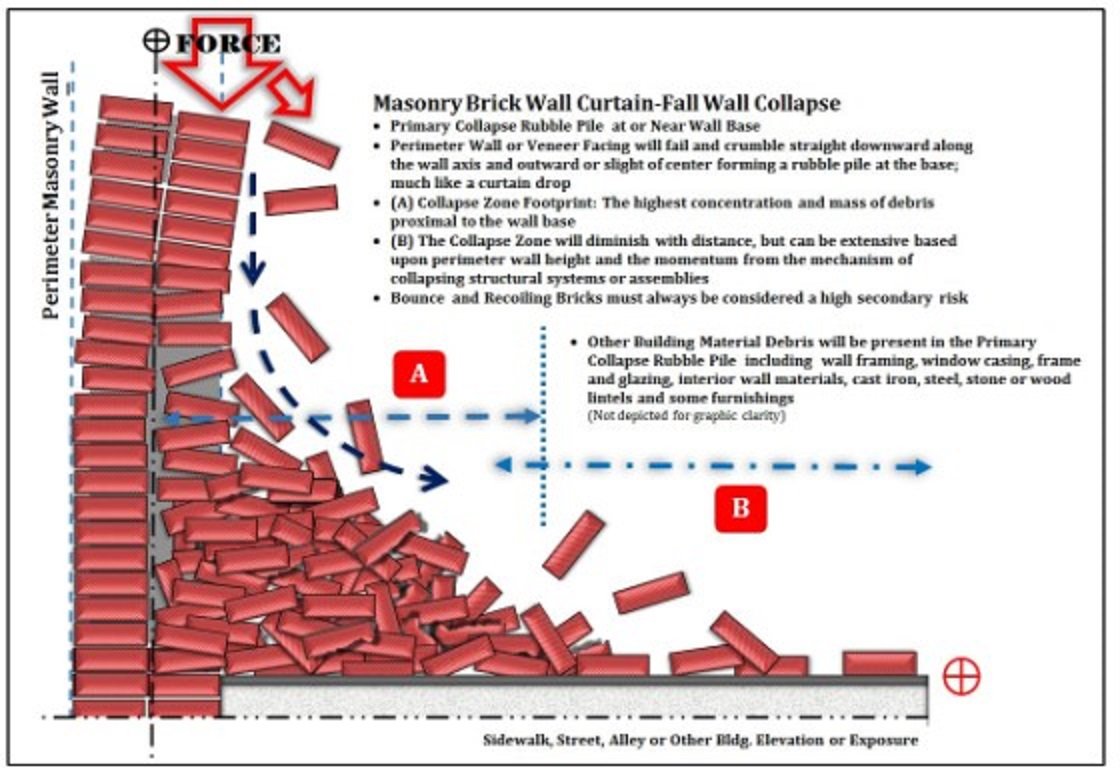
The exterior masonry walls featured hollow clay blocks with a brick veneer facade and the interior framing included full dimension wood floor joists and steel I-beams supported by cast iron columns. The floor joists were pocketed into the Bravo and Delta exterior masonry walls. Interior finish was plaster and lath on the walls and ceilings. A steeply pitch roof featuring timber rafters with wood decking and roof covering was located over the front facade of the building while the rest of the roof was flat with a slight pitch that formed a shallow cockloft over the top floor. The three-story front of the structure was an unreinforced masonry non-load bearing wall constructed with full-face brick veneer construction. The entire facade incorporated a combination steel beam and steel lintel assembly to allow for the transfer of structural loads from the building face across the expansive horizontal storefront openings. Also incorporated were a series of smaller tubular or round design cast iron or rolled steel columns evident in the storefront windows.
Kansas City is the largest city in the State of Missouri by population and area. As of the 2020 U.S. census, the city had a population of 508,090 residents. The city has an area of 319.03 square miles and lies at the confluence of the Missouri and Kansas Rivers in northwestern section of the state. Bordering the State of Kansas, the city is about 250 miles west of St. Louis, Missouri.
At the time of the incident the city was protected by the Kansas City Missouri Fire Department consisting of 940 uniformed members, 326 emergency medical services personnel, and 90 civilian employees. The fire department protected a population of 470,800 residents while providing emergency medical care and transport services, fire protection, technical rescue, and hazardous material response from 34 fire stations, which were organized into 7 battalions. The daily staffing of each shift was 270 members operating 10 advanced life support (ALS) pumper companies, 24 basic life support (BLS) pumper companies, 12 truck companies, 3 heavy rescue companies, 2 HazMat companies, 3 airport rescue firefighting (ARFF) companies, 27 dynamic ALS medic units, and 7 battalion chiefs. The department responded to approximately 110,000 emergency calls per year.
The fire department requires all fire recruits to attend a 24-week recruit school. Successful completion of the program certifies the fire recruit as NFPA Fire Fighter I and II, Emergency Medical Technician/Basic, and Hazardous Materials Awareness and Operations. Recruits are then assigned to an 18-month probationary period. When the probationary period is completed, a firefighter is assigned to a floating firefighter position and is detailed daily to a vacant assignment to meet staffing needs.
Fire Apparatus Operator Larry Leggio had 17 years of firefighting experience and was certified as NFPA Fire Fighter I and II, Emergency Medical Technician/Basic, and Hazardous Materials Awareness and Operations and had been promoted to Fire Apparatus Operator in 2012.
Firefighter John Mesh had 13 years of firefighting experience and was certified as NFPA Fire Fighter I and II, Emergency Medical Technician/Basic, and Hazardous Materials Awareness and Operations and had been qualified as a Fire Apparatus Operator/Pumper in 2008.
At 1927 hours on October 12, 2015, the following weather conditions were reported: The temperature was 71 degrees F, the dew point was 30.9 degrees Fahrenheit, the relative humidity was 23%, the winds were calm, the sky was clear with 10 miles visibility, and there had been no precipitation in the past 24 hours (Weather Underground). The weather did not appear to be a significant factor in this incident.
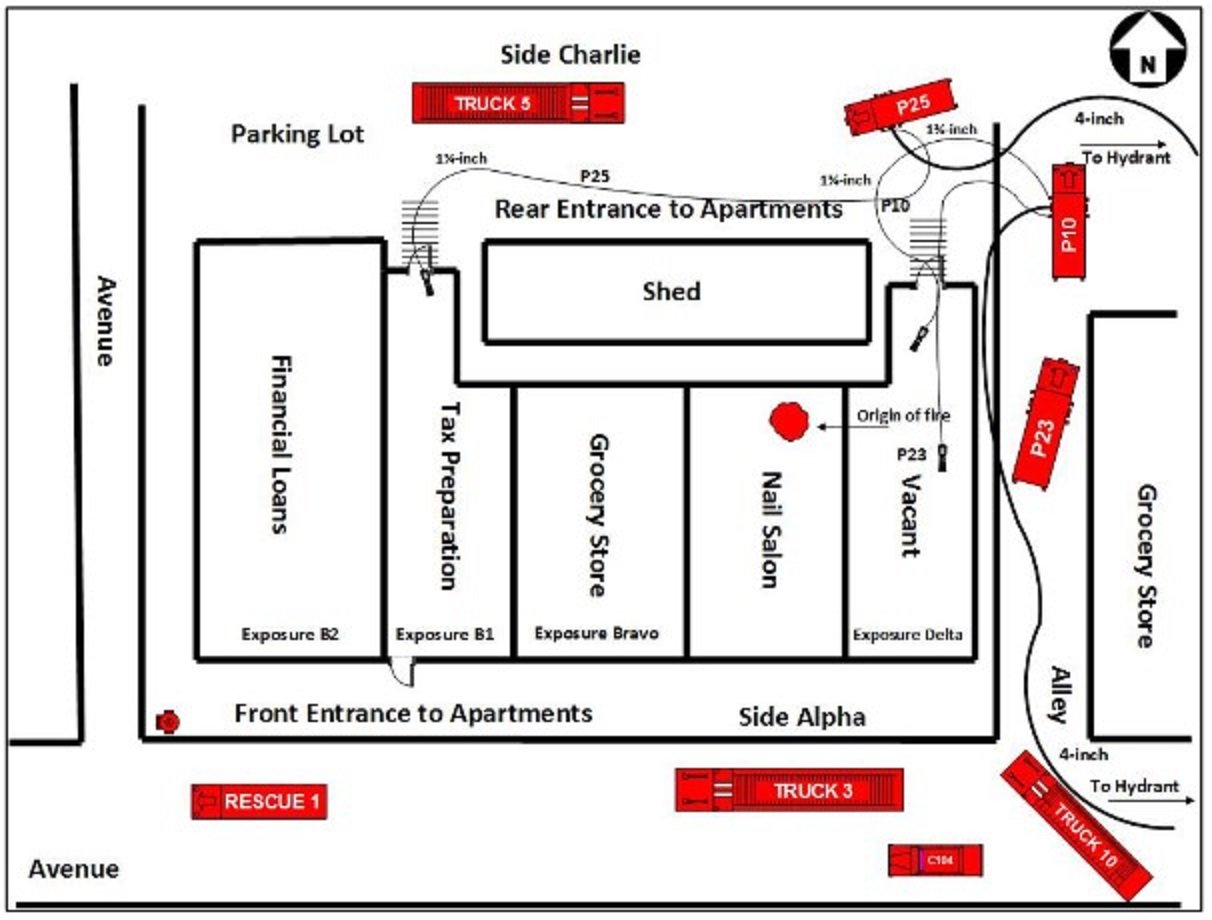
On Monday, October 12, 2015, at 1926 hours, the fire department’s Fire Communications Center (FCC) received a 9-1-1 call reporting smoke in an apartment building at 2608 Independence Avenue. At 1927 hours, the FCC dispatched a regular alarm for an apartment fire assigning Pumper 10, Pumper 25, Rescue 1, Truck 3, Truck 10, Pumper 23, Medic 5 and Battalion 104. Note: The captain (district safety officer) assigned to Battalion 104 was working out of classification as Battalion 104. Another captain was assigned as the Battalion 104 district safety officer.
While in route, the officer on Pumper 10 advised smoke was showing from approximately three blocks away. At 1929 hours, Pumper 10 stopped at the Side Alpha/Side Delta corner of the fire building. A female civilian told the officer of Pumper 10 that the fire was in the back of the building. The officer of Pumper 10 advised the FCC that Pumper 10 was on scene, and that smoke was showing from a three-story complex. The officer of Pumper 10 advised that this was a “working fire” and assumed Command at 1931 hours. Pumper 10 turned into the alley and parked at the Side Charlie/Side Delta corner of the fire building in the alley and stretched a 1.75-inch hoseline approximately 10 feet into the first floor of the vacant bar/restaurant occupancy.
Battalion 104 arrived on the scene at 1929 hours and parked on Side Alpha on the avenue across from the alley. The acting battalion chief left the vehicle and walked to Side Charlie where he met several occupants from the apartment building. The acting battalion chief assumed Command and then gave several tactical assignments to the units arriving on scene. The district safety officer was carrying a Halligan and a thermal imager and went into the interior with the crew from Pumper 10.
Pumper 23 approached the fire building from the east at 1930 hours, laid a 4-inch supply line to Pumper 10 in the alley and parked behind Pumper 10. Black smoke was coming out of the vacant space on Side Alpha. Two members of Pumper 23 went to the second floor of the apartment building and encountered heavy smoke at approximately 1934 hours. The crew then went across the hallway above the nail salon and due to the increase of heat and smoke, began opening up the walls and operated a 1.75-inch hoseline from Pumper 10 to cool the room down. The other firefighter from Pumper 23 met up with the crew from Pumper 23 and got the members out of the apartment at approximately 1947 hours. The officer of Pumper 23 advised Command that the building needed to be evacuated. Less than 2 minutes later, Command requested the evacuation tones be sounded as the crew of Pumper 23 left the building. The officer of Pumper 23 met with Command as the two firefighters went back to Pumper 23 to change air cylinders. The officer of Pumper 23 said the second floor was completely involved in fire about four to five minutes later.
Truck 3 arrived on-scene at approximately 1930 hours and parked at Side Alpha just west of the nail salon of the fire building. The officer of Truck 3 and a firefighter went into the alley and then to Side Charlie. Truck 3 forced the front doors of the vacant occupancy on the first floor and then met Pumper 10 inside the vacant occupancy. A firefighter from Truck 3 had a thermal imager. The thermal imager indicated that the fire was next to them in the nail salon. Note: The rear entrance (Side Charlie) to the nail salon was bricked over. Companies had no access to the rear of the nail salon, which required companies only use the Side Alpha access.
Truck 3 and Pumper 10 continued to try to locate the fire but kept being stopped by walls. Pumper 10 went outside but could not see any indication of fire. Pumper 10 went back into the building and then went to the second floor. Pumper 10 found a gap in the wall and could see the fire. The firefighters were operating above the nail salon. A firefighter from Pumper 10 had a 1.75-inch hoseline and was hitting the fire. Pumper 10 and Truck 3 tried to make the opening bigger to get to the fire but were unsuccessful. The heat continued to increase, and crews realized the fire was now below them. The room had gotten very hot, and Pumper 10 and Truck 3 left the building.
Truck 10 arrived on-scene at 1930 hours and parked on the Side Alpha/Side Delta corner of the building in the middle of the street. The fire apparatus operator then put the aerial ladder up to the roof. The officer and a firefighter from Truck 10 went to Side Charlie and entered the apartment building on the second floor and started to search for occupants. They met occupants from the building exiting the structure. The officer and firefighter from Truck 10 continued to search the second floor and third floor of the apartment building until the evacuation order was sounded at 1949 hours. The fire apparatus operator from Truck 10 climbed the aerial ladder and went to the tip. He took out the second-floor windows on Side Delta. He stated that he could see into the apartments. He took out four rows of windows, which was as far as he could get before the evacuation order was sounded. The other firefighter from Truck 10 climbed the aerial ladder and met the fire apparatus operator.
Pumper 25 arrived on-scene at 1930 hours. The officer of Pumper 25 stated they could see smoke showing from the east. Pumper 25 laid in from a hydrant and parked on Side Charlie in the rear parking lot. Pumper 25 had laid the supply line for Pumper 10, but Pumper 23 had already laid Pumper 10 a supply line, so the crew then connected the supply line to their apparatus. The crew pulled 300 feet of 1.75-inch hoseline off Pumper 25 and went into the vacant space but could not locate the fire. Pumper 25 moved outside, went west down Side Alpha, which was very smoky, and made entry into another business, which was the small grocery store. The crew went inside and started tripping over merchandise in the store. The officer of Pumper 25 asked for a thermal imager, which came from Truck 6. Pumper 25 could see the fire and knocked it down. The officer of Pumper 25 heard on the radio that fire was blowing out of the windows on the second floor. The evacuation tones were sounded at 1949 hours. The crew withdrew from the building and went back to Pumper 25 and hit the fire with a deck gun.
The officer of Pumper 10 advised the fire was in the basement, which was actually the ground floor. Note: The building did not have a basement. Command advised the FCC to prepare for a second alarm (actually the first alarm for this incident) at 1931 hours due to the size of the building. Pumper 24 was currently on Side Alpha. Command ordered Truck 5 and Pumper 24 to Side Charlie for the rescue of occupants from the apartment building. Truck 5 and Pumper 24 rescued one female and one male from the third floor of the apartment building.
Rescue 1 arrived on scene at 1932 hours with heavy smoke showing on Side Alpha and parked on the Side Alpha/Side Bravo corner of the structure. Rescue 1 was divided into three teams of two with the primary function being search and rescue. Rescue 1 proceeded to the small grocery store next to the nail salon, which was very difficult to search due to the clutter. The ceilings were eight feet high with a drop ceiling. Rescue 1 pulled the ceilings and found nothing. Rescue 1 then went in about 30 feet and visibility was good. Rescue 1 checked the ceiling tiles in the grocery store and operated in the space for 10 to 15 minutes. Rescue 1 moved to Side Charlie of the building and noticed a panel of electrical meters on the building. Rescue 1 went into the next building with red double doors, which took them to the second floor of the apartment building. While on the second floor, they met Pumper 24 who had a 1.75-inch hoseline. Conditions were very hot on the second floor and Rescue 1 decide to back out after spending five to ten minutes on the floor. They then went down the stairs to Side Alpha, went outside, and met Battalion 105 and advised him that the conditions were deteriorating quickly. Battalion 105 went to advise Command to get everyone out of the building. Heavy, black smoke was pouring out of the building on Side Charlie. Rescue 1 conducted a 360-degree search of the building and staged at Truck 10 when the evacuation order was sounded at 1949 hours.
Command was still operating on Side Charlie. Battalion 105 advised companies to make entry into the building on Side Alpha. At this time, there was no fire showing on Side Alpha. Pumper 23 came out of the building and advised it was too hot to stay inside. Command called Pumper 10 about their position and the conditions. Pumper 10 wanted to go through a wall to get to the fire. Suddenly, the conditions worsened on the third floor. Command then requested that the FCC sound the evacuation tones to get everyone out of the building. All companies were ordered to move back from the building to create a collapse zone. Note: The evacuation tones were a variable wobble sound transmitted on the tactical channel by the FCC. Also, all fire apparatus operators are to activate their apparatus air horns. During the department’s review of this incident, there were firefighters on scene that stated they did not hear the evacuation tones or the radio communications to evacuate the building.
At 1930 hours, the FCC dispatched the following units on the Working Fire Dispatch: Air 1, Car 212, Medic 35, and Truck 5 for a working apartment fire. At 1933 hours, a first alarm assignment was dispatched for the apartment fire. Units dispatched were Battalion 105, 101C, Car 120, Pumper 24, Truck 6, Medic 9, and Unit 535. At 1945 hours, Command requested a second alarm for this incident. Car 102, High Rise 102, Medic 40, Pumper 9, Pumper 27, Pumper 18, Rescue 31, Truck 2, and Truck 12 were dispatched for an apartment fire.
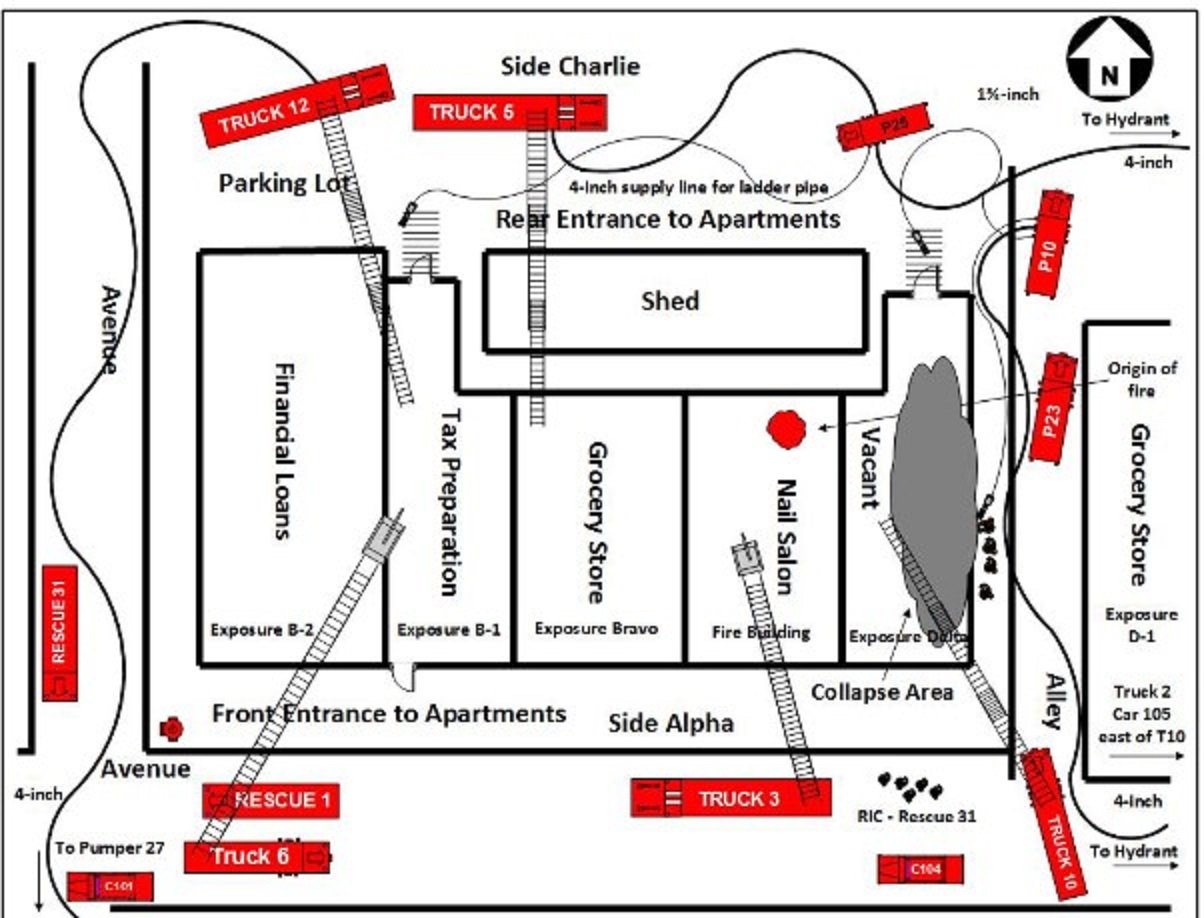
Car 101C arrived on-scene at 1951 hours. Command was preparing to change strategies (offensive to defensive) and start ladder pipe operations. A personnel accountability report (PAR) was conducted and completed. Car 101C assumed Command from Battalion 104 and reassigned him as Operations Section Chief. A collapse zone had been established on all sides of the structure by Command at 2000 hours. Companies on Side Charlie started bringing hoselines out of the building. Crews from Pumper 10 and Pumper 23 moved the two 1.75-inch hoselines back toward Pumper 10.
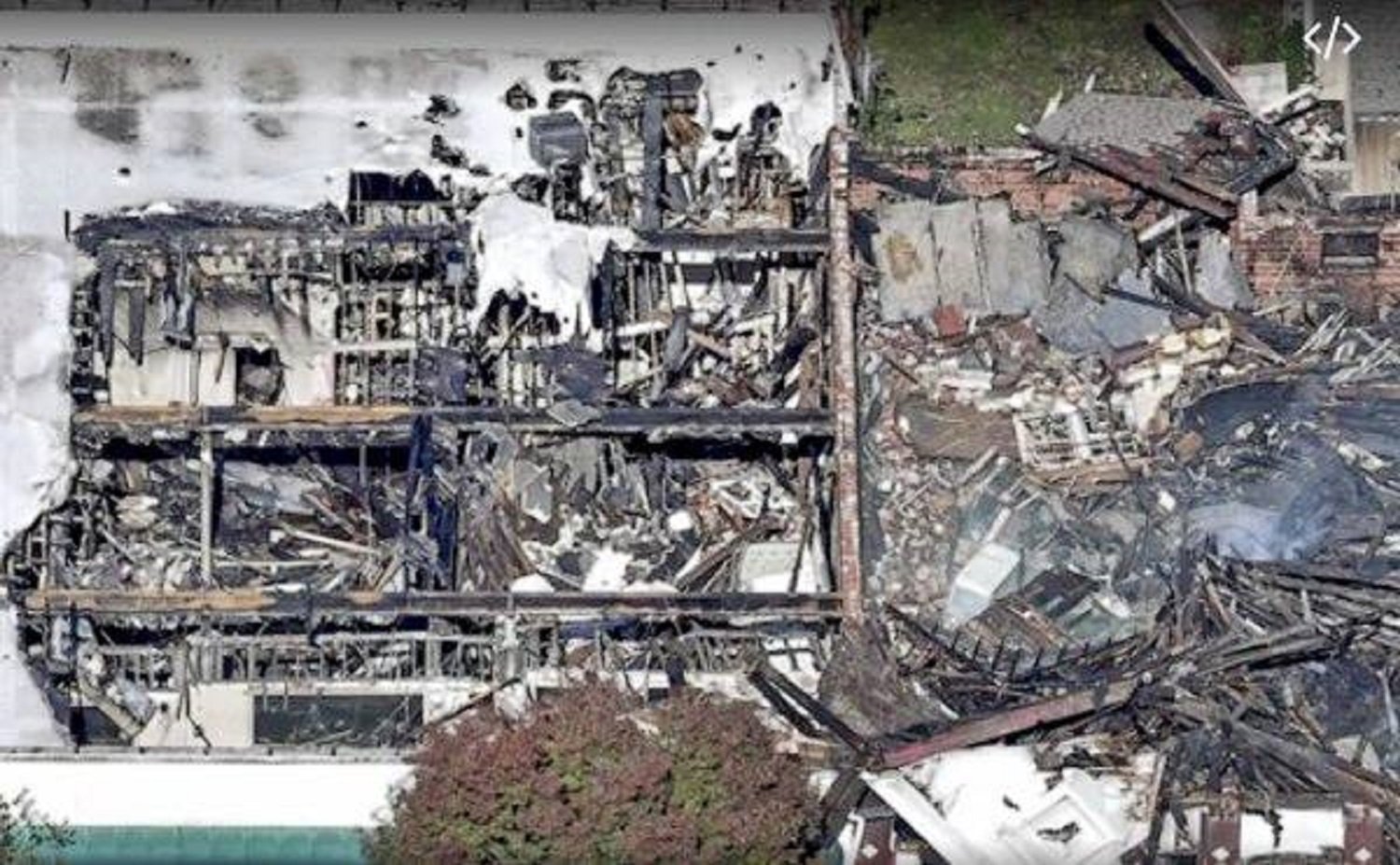
Ladder pipe operations for Truck 5, Truck 12, Truck 6, Truck 3, and Truck 10 were initiated. A water supply issue caused the master stream operations to be delayed until adequate water supply sources could be established. At approximately 2005 hours, crews operating on Side Alpha witnessed an interior collapse. The district safety officer witnessed a collapse on Side Charlie when the balcony and walls of the second-floor apartment collapsed. Then the wall on Side Delta collapsed into the alley, trapping four firefighters. The trapped firefighters were from Pumper 10, Truck 2, and Pumper 23.
At the time of the secondary collapse, which was approximately 2006 hours, two firefighters from Pumper 23, one firefighter from Pumper 10, and one firefighter from Truck 2 were operating in the 30-foot-wide alley on Side Delta. The tactical decision to place resources within the collapse zone was communicated over the radio by the Side Delta division supervisor. This message was not confirmed by Command. The task consisted of stretching and directing a hoseline from the corner of Side Delta of the structure and to place a hose stream into two openings that were showing aggressive fire. The crews on Side Delta reported that fire was impinging upon Pumper 23 that was spotted in the alley.
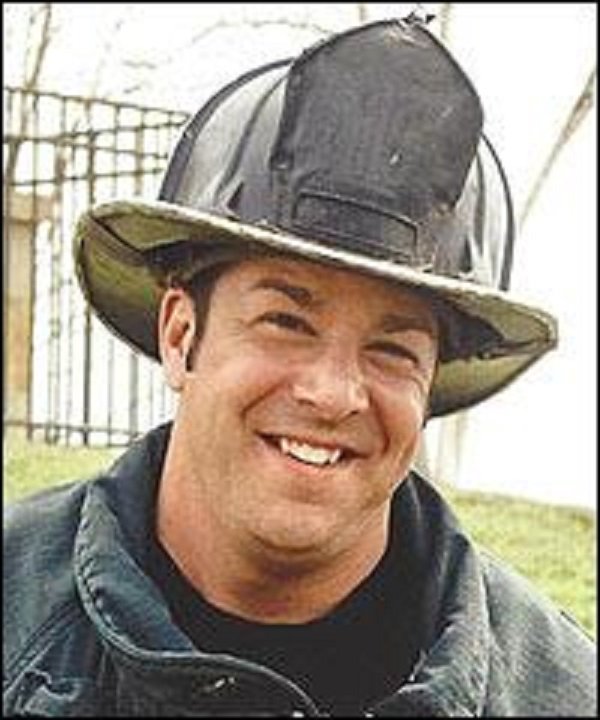
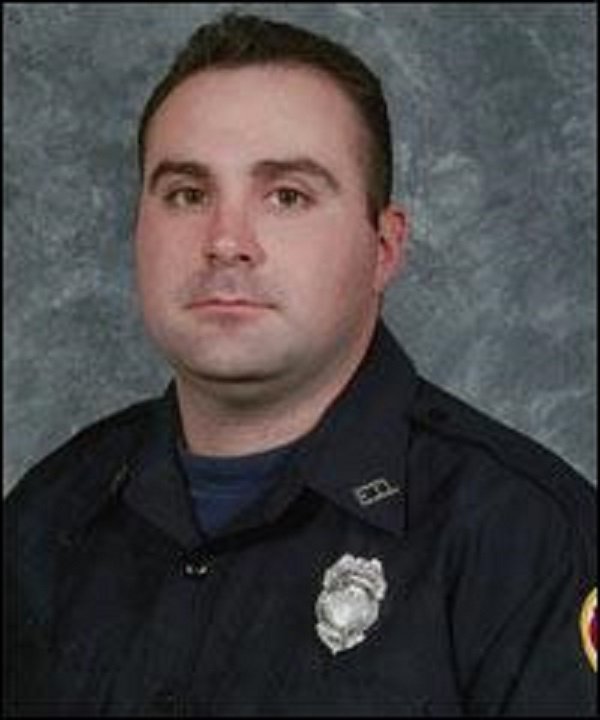
When the collapse occurred one firefighter from Pumper 23 was pushed to his knees near the driver’s side tailboard of Pumper 23. The other firefighter from Pumper 23 was covered to his waist with debris. The two firefighters from Pumper 23 were removed and admitted to the hospital for treatment. Fire Apparatus Operator Larry Leggio of Truck 2 and Firefighter John Mesh of Pumper 10 were completely covered with debris. They were quickly removed and were transported to the hospital where they were pronounced dead from their injuries. According to the death certificate, the medical examiner listed the cause of death for both firefighters as blunt force trauma. The manner of death was ruled a homicide.
The Bureau of Alcohol, Tobacco, Firearms and Explosives determined that the fire had been intentionally set in the first-floor nail salon by the salon owner who ignited several gallons of flammable liquids while seeking an insurance settlement. Thu Hong Nguyen was sentenced to 74 years in prison for two counts each of murder and arson.
NIOSH investigators identified the following items as key contributing factors in this incident that ultimately led to the fatalities:
- Arson fire.
- Failure to maintain an established exclusion and collapse zone on Side Delta.
- Tactical level management.
- Building construction.
- Personnel accountability system.
- Unclear functions of the district safety officer.
- Pre-incident planning.
- Non-sprinklered building.
Members of the Kansas City Missouri Fire Department killed in the line of duty during the fire collapse at 2608 Independence Avenue on October 11, 2015:
- Fire Apparatus Operator Larry J. Leggio, age 43, was a 17-year veteran of the Kansas City Fire Department assigned to Truck 2. From the time he was a little boy, he dreamed of following in his father’s footsteps as a firefighter. He was an avid motorcycle rider and supported charity and memorial rides. He and his fellow riders made the trip every year to Colorado Springs in honor of the Fallen Firefighters Memorial. He was survived by his wife, Missy, and a large loving family. His funeral service was held on October 19 at St. Patrick’s Catholic Church in Kansas City followed by burial at Mount Olivet Cemetery in Raytown, Missouri.
- Firefighter John Victor Mesh, age 39, was a 13-year veteran of the Kansas City Fire Department assigned to Pumper 10. Firefighter Mesh was an avid hunter who enjoyed the outdoors. He also was devoted to his job and was highly respected by his peers at Fire Station 10. He was survived by his wife, Felicia, four young daughters, Adrianna, Alyssa, Alexandria, and Alicia, eight siblings, and a large loving family of relatives, friends and fellow firefighters. His funeral was held on October 21 at St. Mark’s Catholic Church in Independence, Missouri, followed by burial at Mount Olivet Cemetery in Raytown, Missouri.
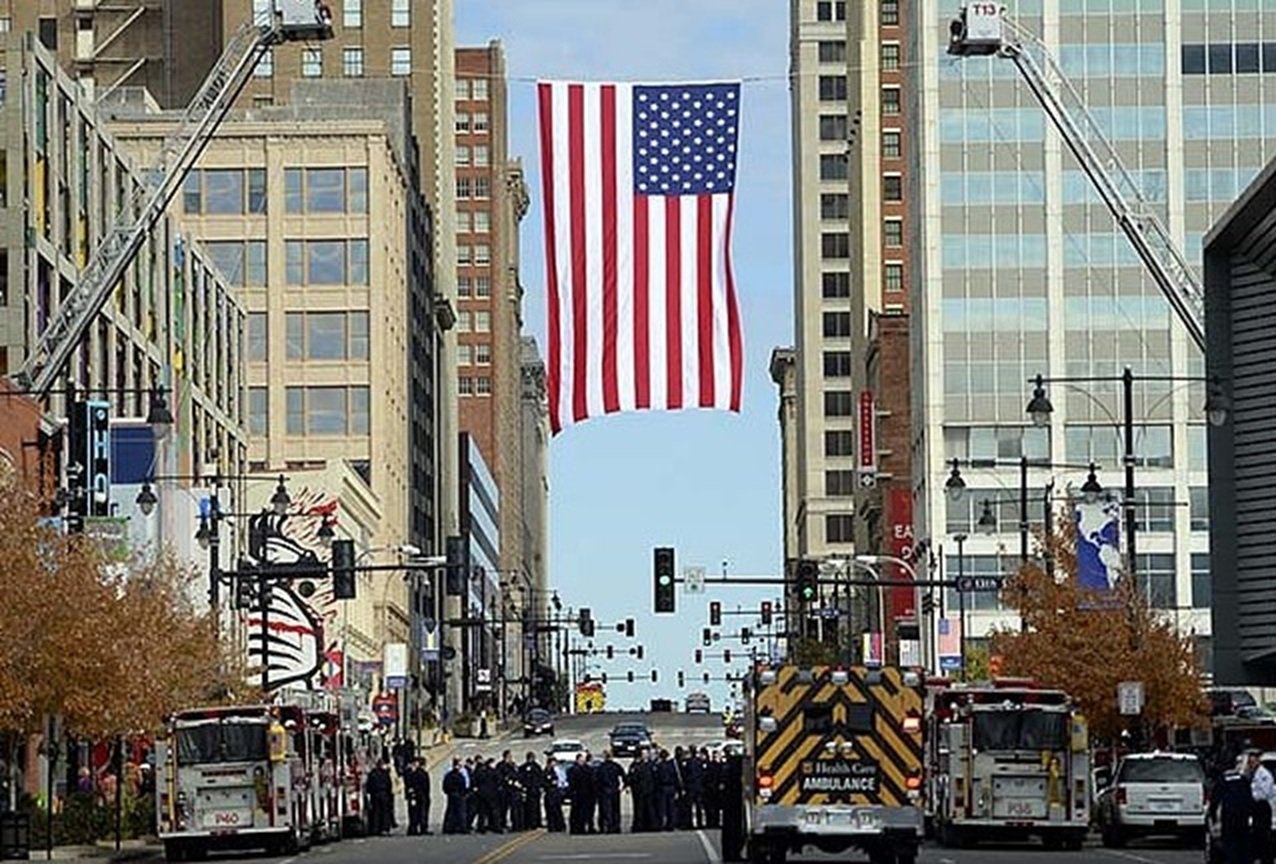
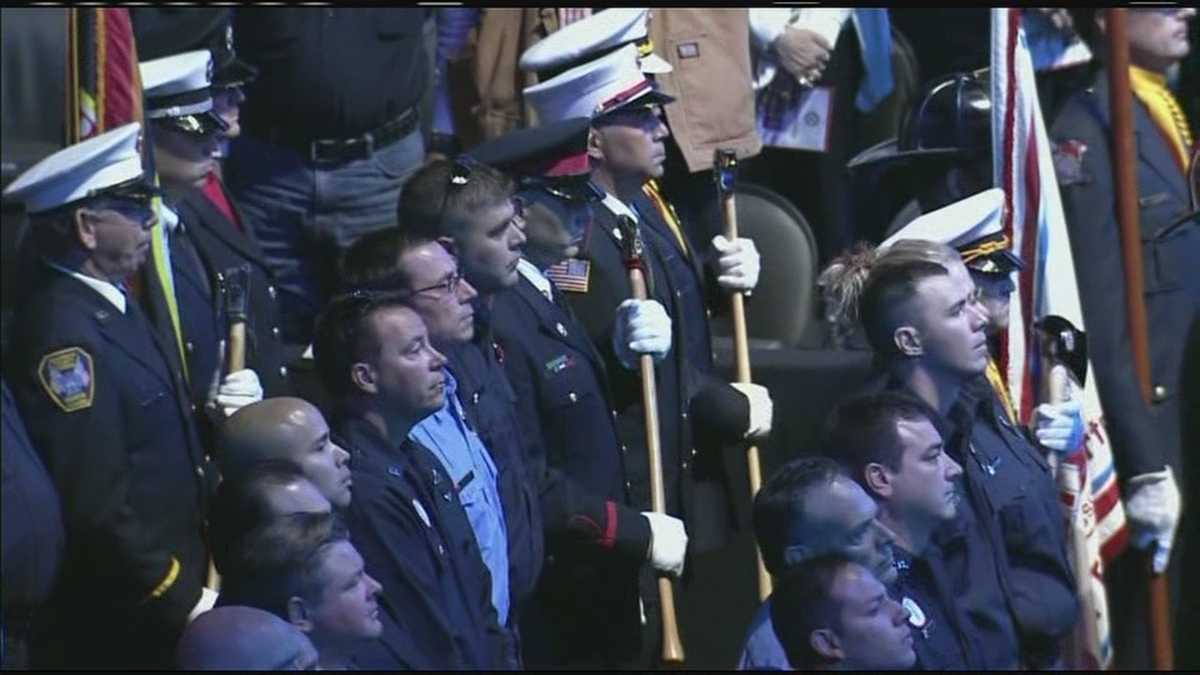
On October 17 a memorial service was held at the Sprint Center honoring the two fallen firefighters. Thousands of firefighters and emergency responders from Kansas City and all over the country attended the service.
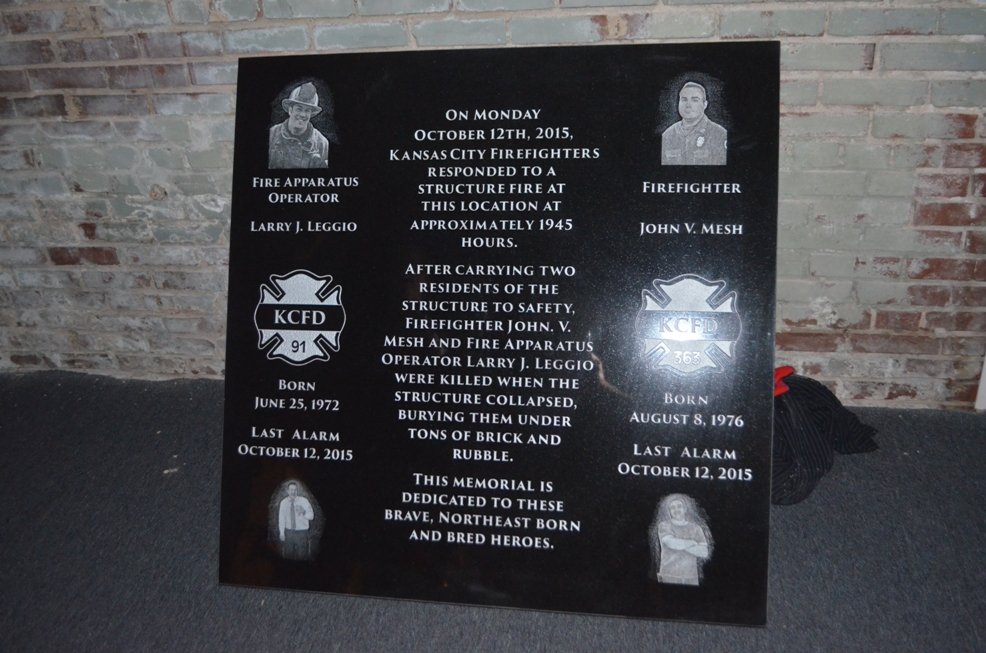
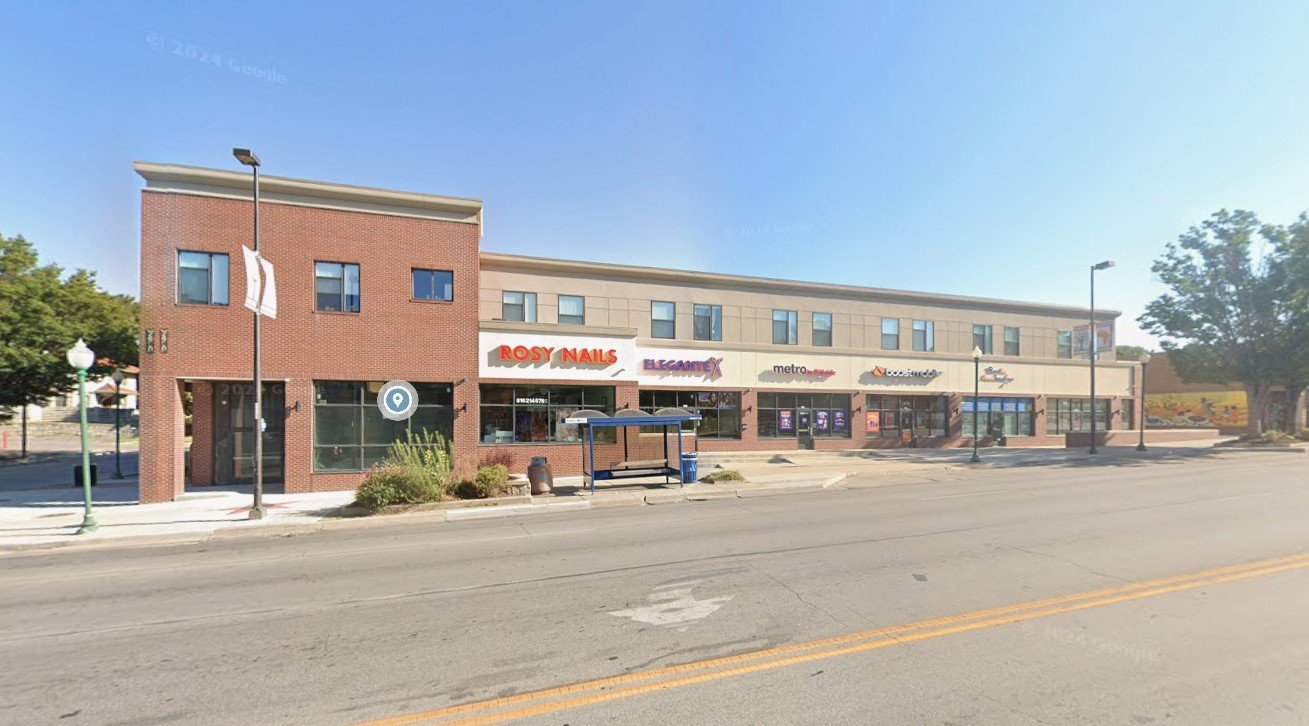
On the four-year anniversary of their deaths in 2019, a memorial was installed at the site of the deadly fire on Independence Avenue. The granite memorial honors the lives of the two fallen firefighters. A new two-story commercial strip store with offices above now occupies the site, and the memorial has been placed on the west wall of the neighboring supermarket building facing the driveway where the fatal collapse occurred.
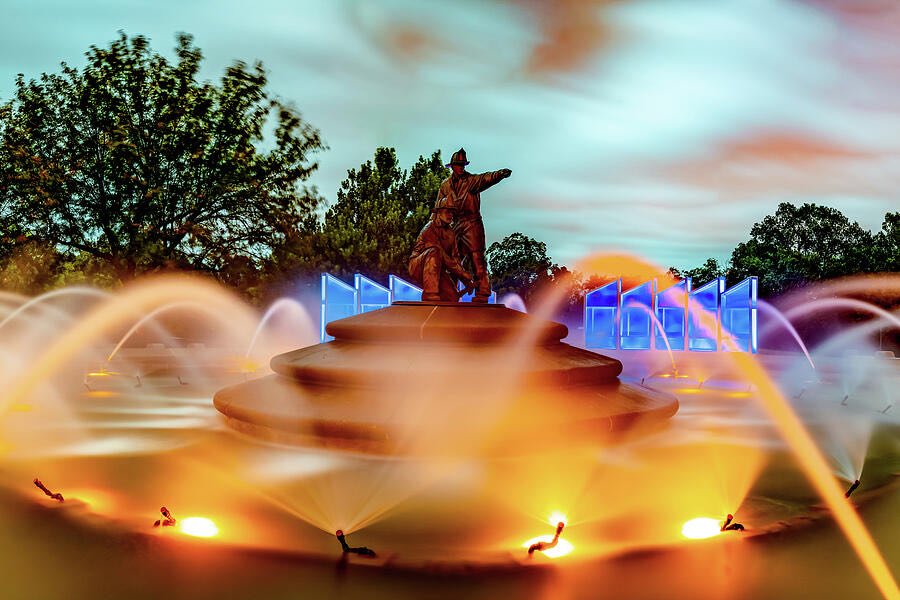
The names of Fire Apparatus Operator Larry J. Leggio and Firefighter John Victor Mesh have been inscribed at the Kansas City Firefighters Fountain and Memorial in Penn Valley Park in the Downtown area of the city. The fountain features two bronze figures surrounded by 48 streams of water falling into an 80-foot-wide basin. A bronze larger than life sculpture of a firefighter with his head bowed is directly to the north of the fountain. Behind the sculpture is a curved stone wall with bronze plaques that list the names of Kansas City firefighters who have given their lives in service to the city.
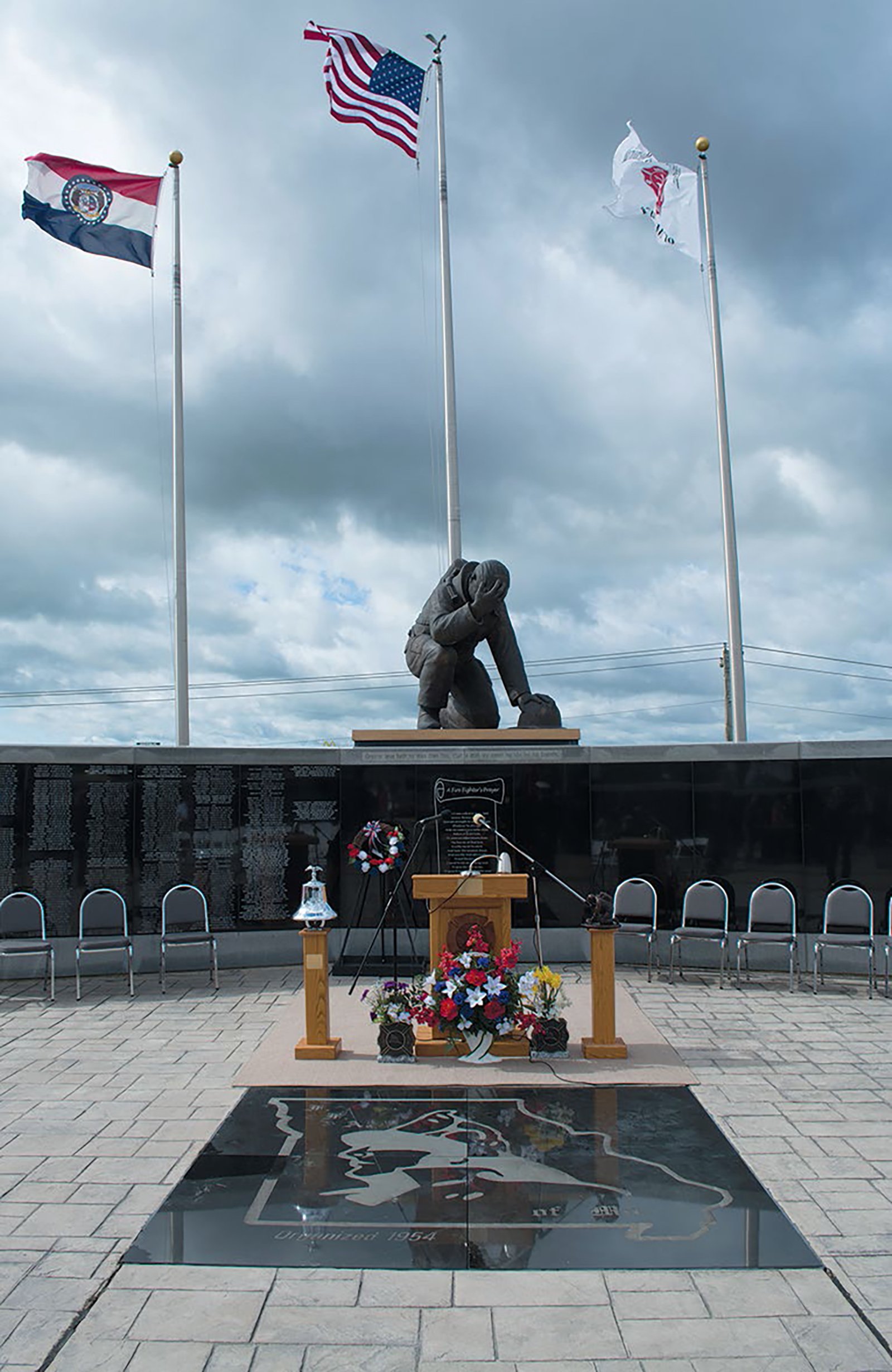
The names of Fire Apparatus Operator Larry J. Leggio and Firefighter John Victor Mesh have been inscribed on the Wall of Honor at the Missouri Fire Fighters Memorial in Kingdom City, Missouri. The Memorial features a bronze statue of a firefighter kneeling atop large, black granite walls inscribed with the names of Missouri firefighters who have given their lives in service to the citizens of the state. Some of the names date back to 1838.
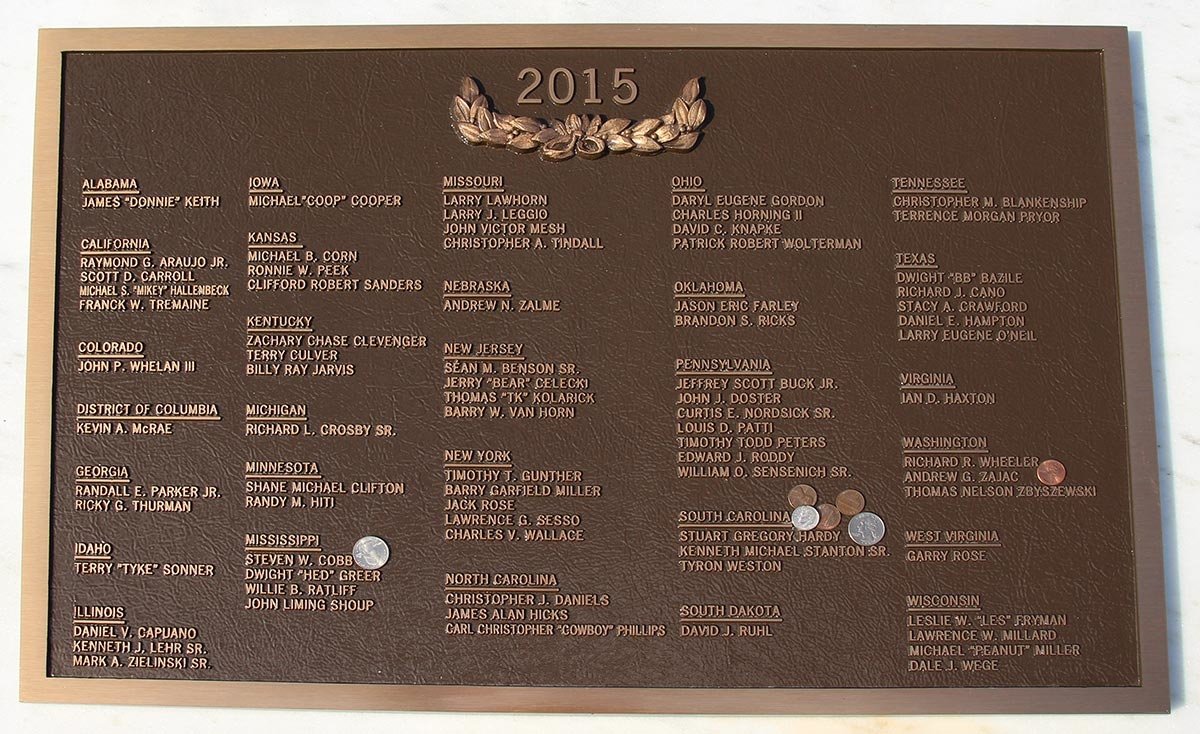
The names of Fire Apparatus Operator Larry J. Leggio and Firefighter John Victor Mesh have been inscribed on the 2015 plaque displayed at the National Fallen Firefighters Memorial on the campus of the National Fire Academy in Emmitsburg, Maryland.
Commentary:
In the aftermath of the incident, the Kansas City Fire Department conducted an internal investigation that concluded that it was a fatal tactical error to allow firefighters to continue to attack the fire from inside a zone that the incident commander had declared an imminent danger. The report further found that a culture of aggressively fighting fires may have led to risky behaviors by firefighters and commanders. The most significant failure that night, the report stated, was that commanders allowed personnel, including officers, to continue using the alley that had been designated in the collapse zone in order to protect a fire apparatus that was parked and blocked in the alley. Fire personnel were so fixated on fighting the fire that they lost the situational awareness that they were operating in a danger zone under a heavily fire damaged building with unreinforced masonry walls. The report also found that communications issues and training deficiencies contributed to the incident. Of the 14 recommendations from the internal report, several of the recommendations have already been implemented and work is continuing on the remainder. The department has rewritten three of its policies, including the Mayday, high-rise, and structural collapse policies. Prior to the fatal fire, the fire department did not have a structural collapse policy in place. In this instance, the evacuation order was given after units had been on the scene and operating for 20 minutes, and the collapse occurred 17 minutes later.
We have attached photos of the incident. The link to the NIOSH report, which includes a detailed analysis of the structure involved in this collapse incident by group member Christopher Naum, is here: https://stacks.cdc.gov/view/cdc/163379
A link to a Firehouse Magazine article by group member Christopher Naum that gives an excellent outline for heightening situational awareness of the need of establishing collapse zones is here: https://www.firehouse.com/home/article/12069221/collapse-zones-building-characteristics-occupancy-risks
The link to the internal fire department report on the incident is here: https://www.fireengineering.com/wp-content/uploads/2022/10/Kansas-City-internal.pdf?fbclid=IwY2xjawNZICJleHRuA2FlbQIxMABicmlkETF2bjNkVnUxUFJOUXZ2d3h5AR73LVvoJqLjqWj3ThrISHWJLt7fBfUizmZffKKsUjyPV_yFlzkPGgs5NLNKEw_aem_SDFBmB3P68ngywf8pc8eeQ
We have also attached the link to an Emergency Traffic podcast regarding this incident produced by group member Paul Prevost: https://open.spotify.com/episode/0QZIOtSe93yAEOEkHYollh?si=6pXvsGI0Q3SF3dIutA227A&fbclid=IwY2xjawU6G25leHRuA2FlbQIxMABwZG9mBWJyaWQRMTQ2WUtKd0hPaEhqZEkzdWRzcnRjBmFwcF9pZBAyMjIwMzkxNzg4MjAwODkyAAEeGOfoWS8BO4s3lMIy1bayO5wjCJIbIaRTxOvICx436cX5uajJ9nyigvr8Va4_aem_kCiqfdhnxwRVfMXH_gCW0w&nd=1&dlsi=b5cdcb1004d54f1f
Thanks to multiple media sources for additional information for this article.
Honor the service of Fire Apparatus Operator Larry J. Leggio and Firefighter John Victor Mesh by reviewing your department’s standard operating procedures for establishing, maintaining, and respecting collapse zones at the scene of structural fires and other related types of structural emergencies with your crew members today.
Remember Fallen Brothers.
Get Out There And Know Your Local!!!
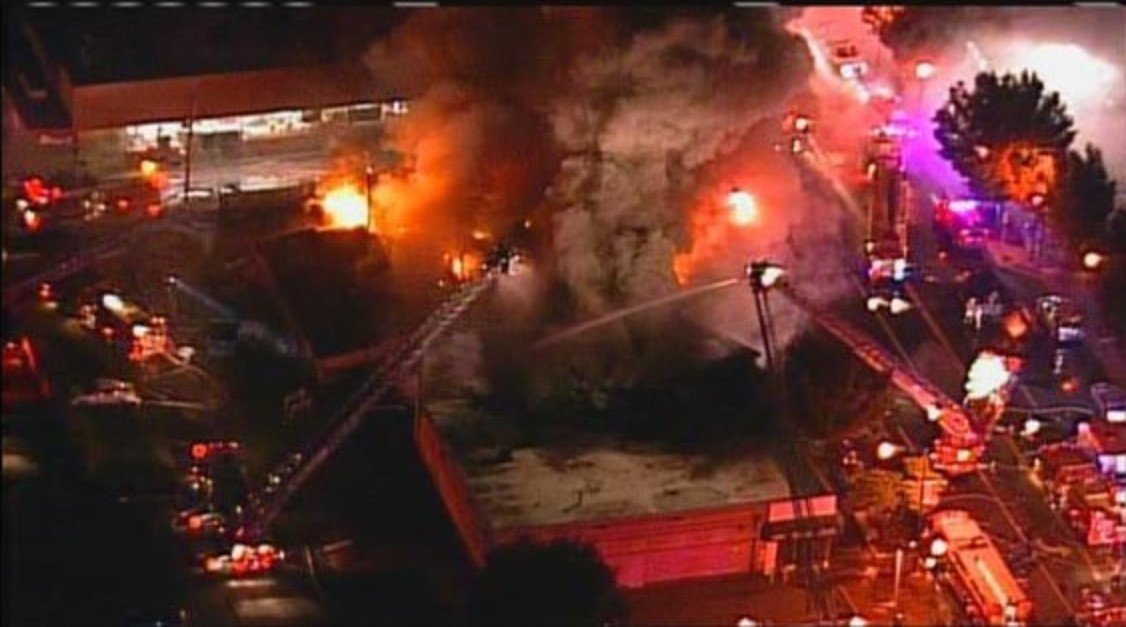
An aerial view of the structure fire after the collapse of the wall on Side Delta. The street on the right side of the photograph is Side Alpha.
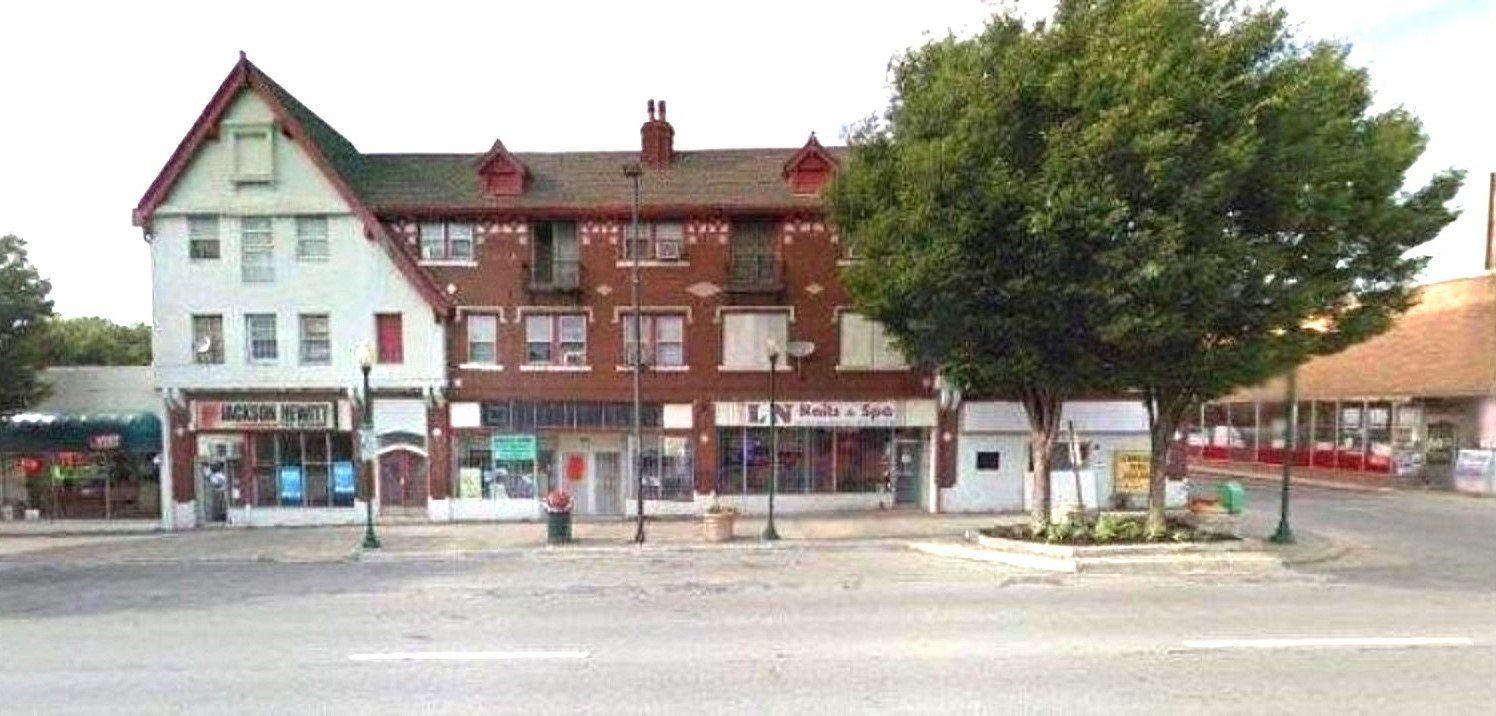
The exterior masonry walls featured hollow clay blocks with a brick veneer facade and the interior framing included full dimension wood floor joists and steel I-beams supported by cast iron columns. The floor joists were pocketed into the Bravo and Delta exterior masonry walls. Interior finish was plaster and lath on the walls and ceilings. A steeply pitch roof featuring timber rafters with wood decking and roof covering was located over the front facade of the building while the rest of the roof was flat with a slight pitch that formed a shallow cockloft over the top floor. The three-story front of the structure was an unreinforced masonry non-load bearing wall constructed with full-face brick veneer construction. The entire facade incorporated a combination steel beam and steel lintel assembly to allow for the transfer of structural loads from the building face across the expansive horizontal storefront openings. Also incorporated were a series of smaller tubular or round design cast iron or rolled steel columns evident in the storefront windows.
Side Alpha of the structure. The loan business on the Side Alpha/Bravo corner is only one-story. The alley on Side Delta is where the collapse occurred between the fire building and the grocery store.
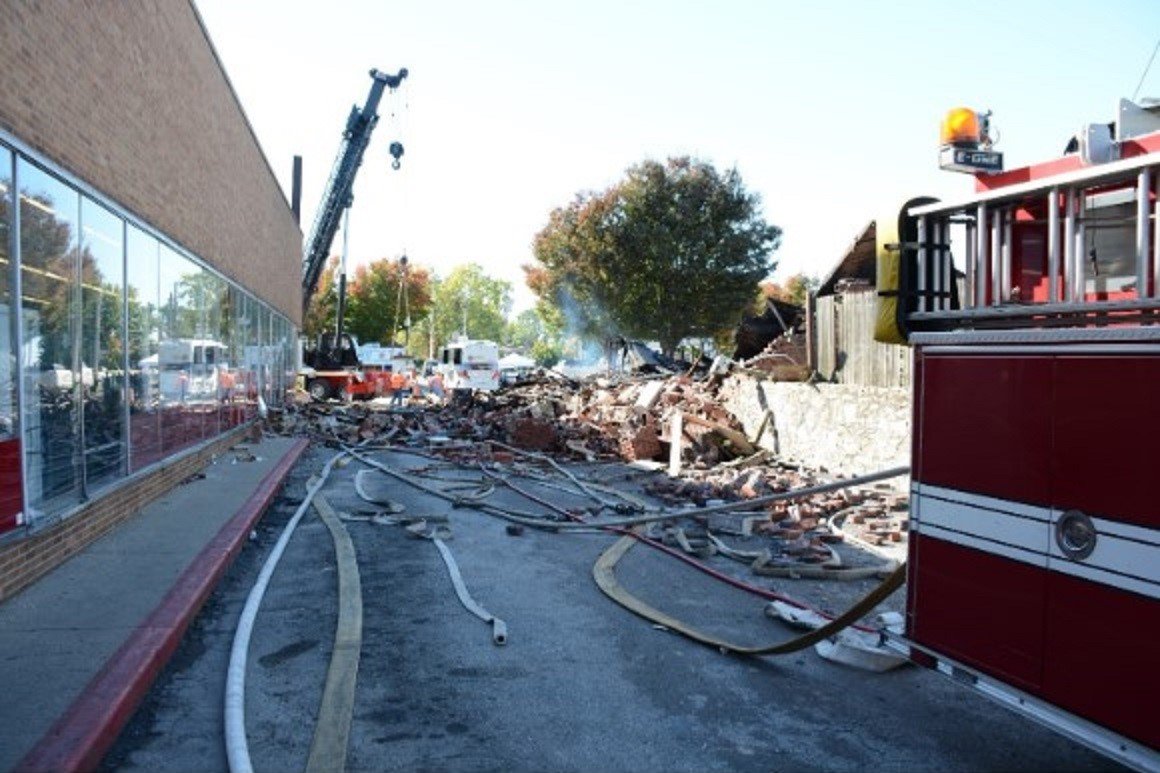
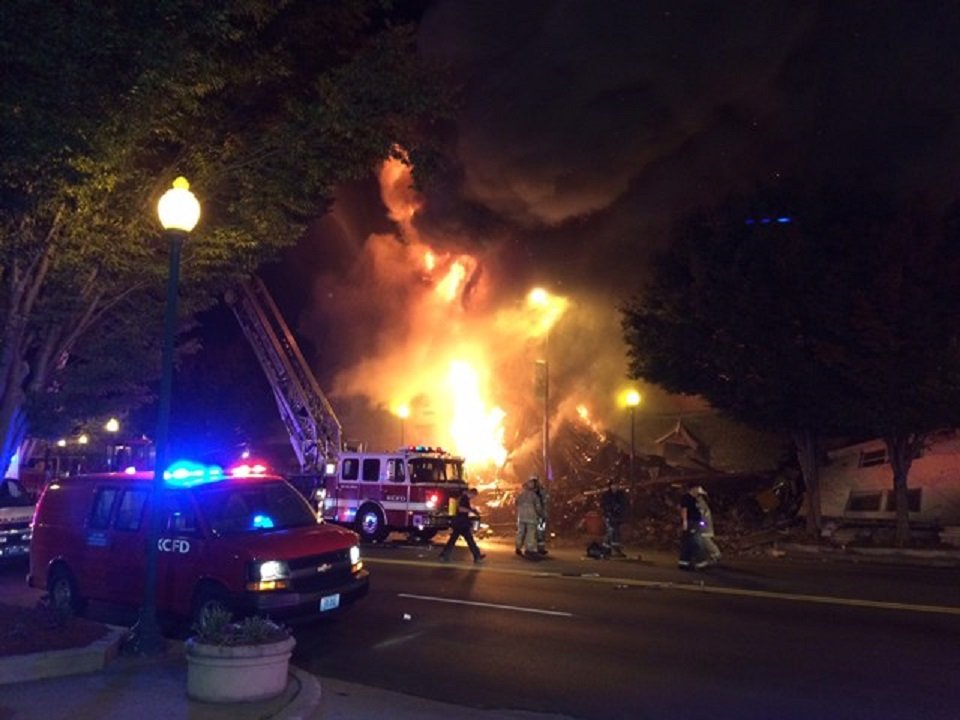
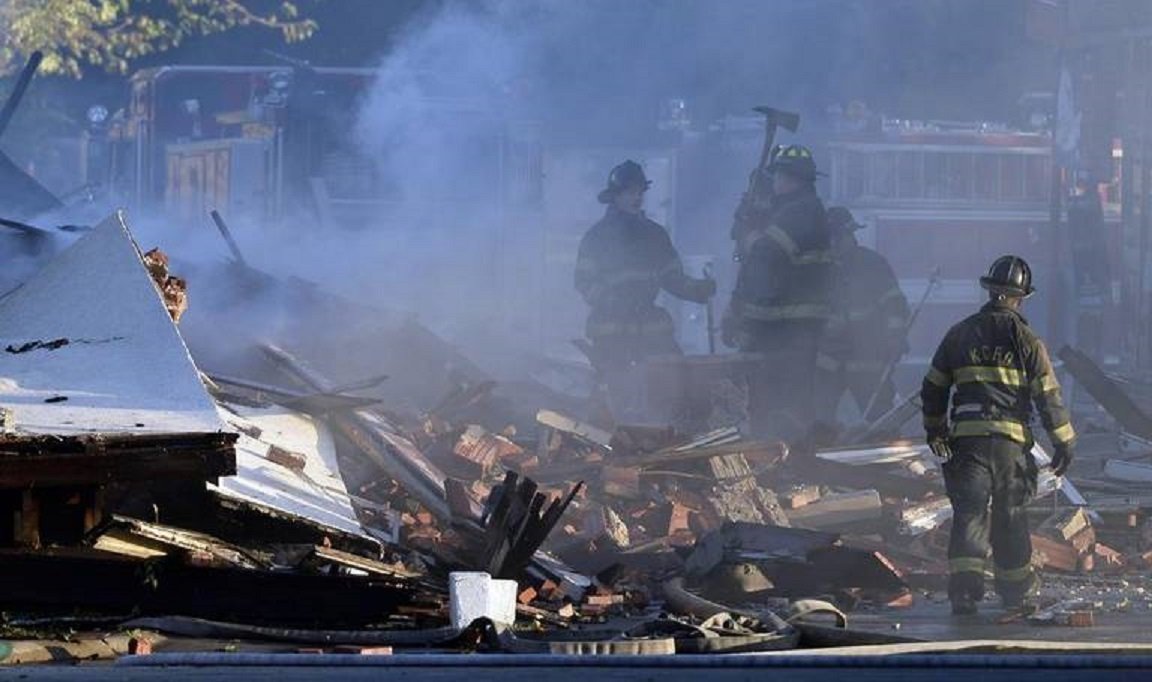
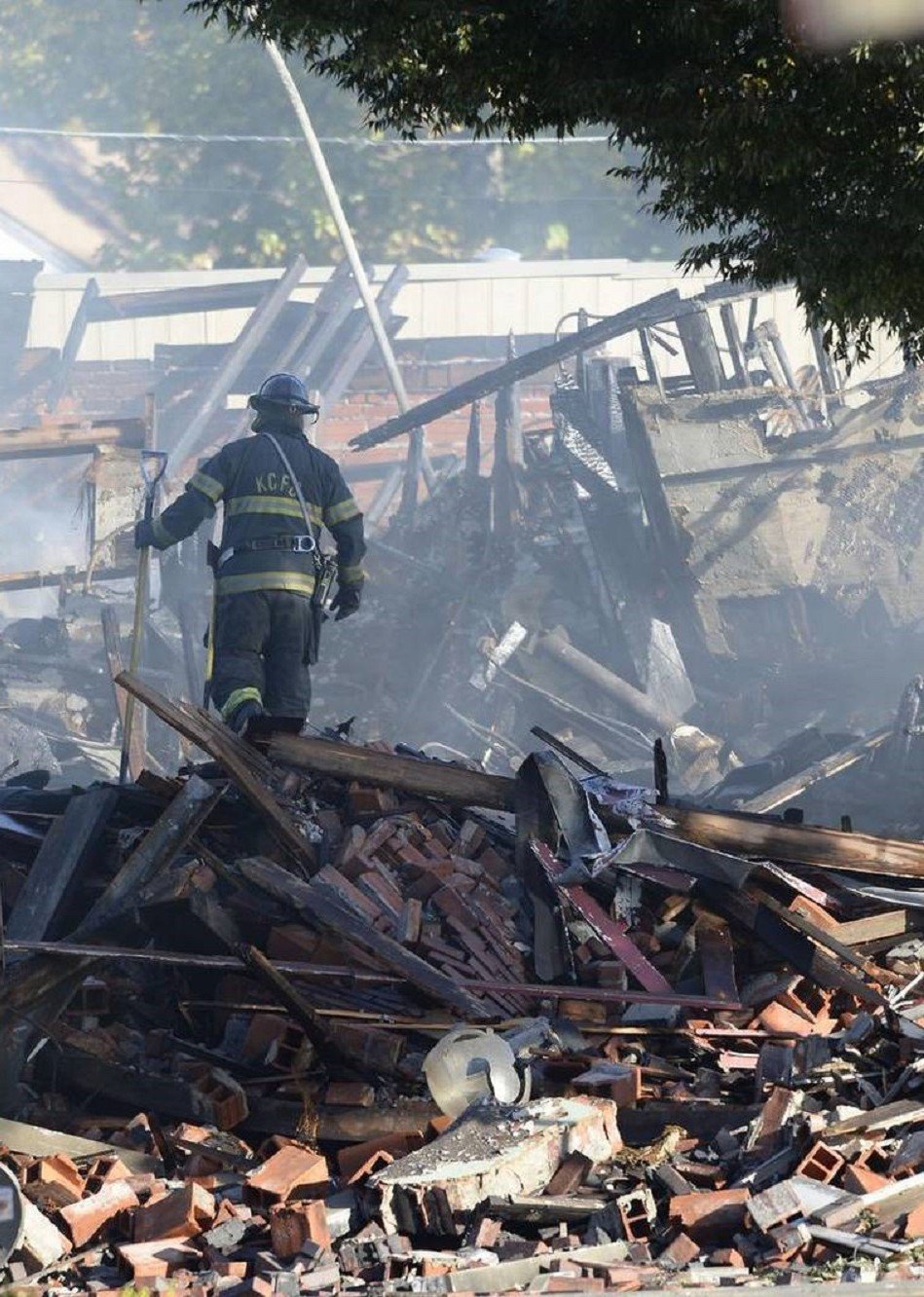
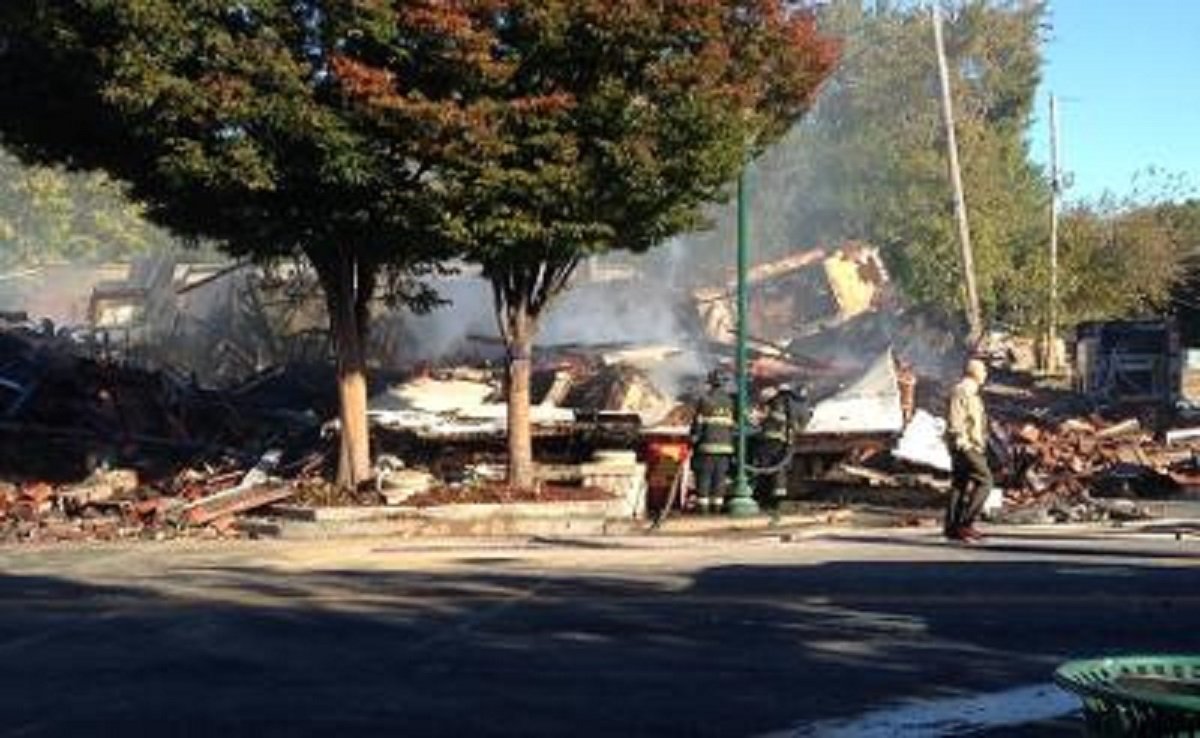 Aftermath of the collapsed building from Side Alpha.
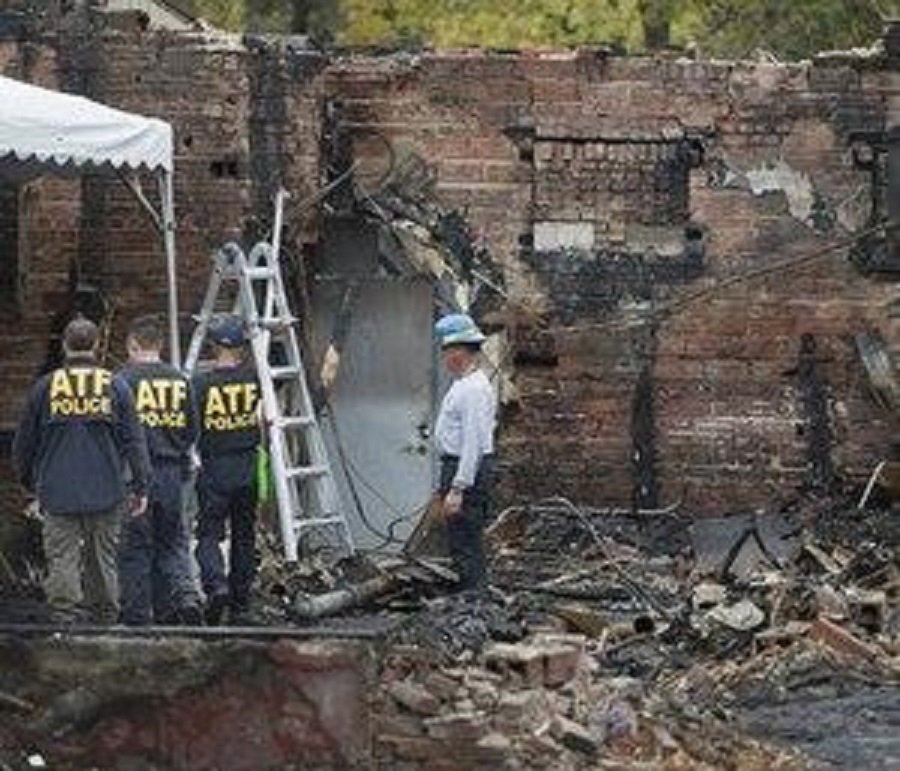
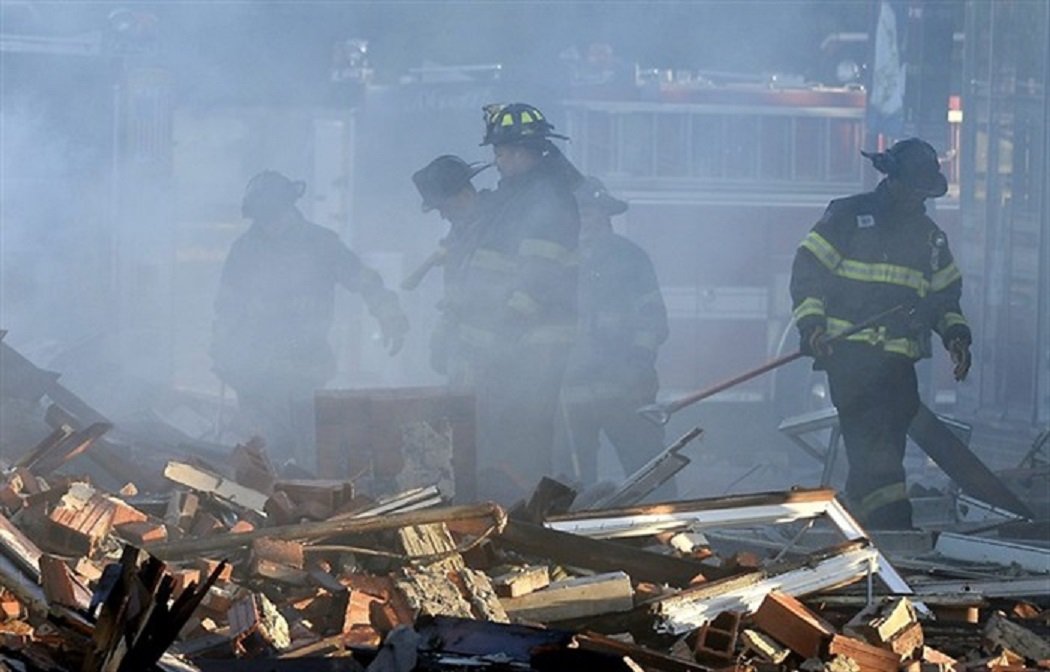
ATF investigators probing the building for the origin and cause of the fire.