Firefighter Killed in Backdraft in Cockloft During Arson Fire in Tenement Dwelling – 40-04 36th Avenue, Queens, New York – Queens Box 7396 – October 8, 1995
On October 8, 1995, FDNY Firefighter Peter McLaughlin of Rescue 4 was killed while performing a search on the top floor at a fire in a tenement building in Queens, New York. Firefighter McLaughlin was operating alone while opening up the ceiling in a fourth-floor corner apartment when a backdraft occurred in the cockloft above and the fire broke through engulfing the apartment in flames. The firefighter’s route of escape was blocked by a child safety window gate, and he died of burn injuries and smoke inhalation. Two other firefighters were able to escape the flames by jumping into the bucket of a tower ladder from an adjacent fourth-floor apartment window. Eight firefighters and one civilian were injured in the blaze. The building was in poor condition and had been previously cited by the city for over 170 fire code violations. The fire started on a mattress in a fourth-floor bedroom in an apartment after a tenant had vacated the apartment earlier in the day. The tenant was later charged with second-degree murder and two counts of arson after he admitted to setting the fire by tossing a lit match onto the mattress because he was depressed after his wife had left him.
The structure involved in the incident was a four-story Type III Ordinary construction brick and wood joist new law tenement located at 40-04 36th Avenue in the Long Island City section of the New York City borough of Queens. Note: New law tenements were required to have a number of improvements in New York. Most notably, new law tenements were required to have window access for most interior rooms. This was usually accomplished by providing an air shaft often in the center of the building that ran from the first floor to the roof and often could only be accessed from the windows at each level. They were also often shared with adjoining buildings and could also be found in the public hallways. The buildings were usually four to seven stories in height and had four apartments per floor. They also featured open stairwells from the first floor to the roof with a separate entrance to the basement and were required to have fire escape access from each apartment.
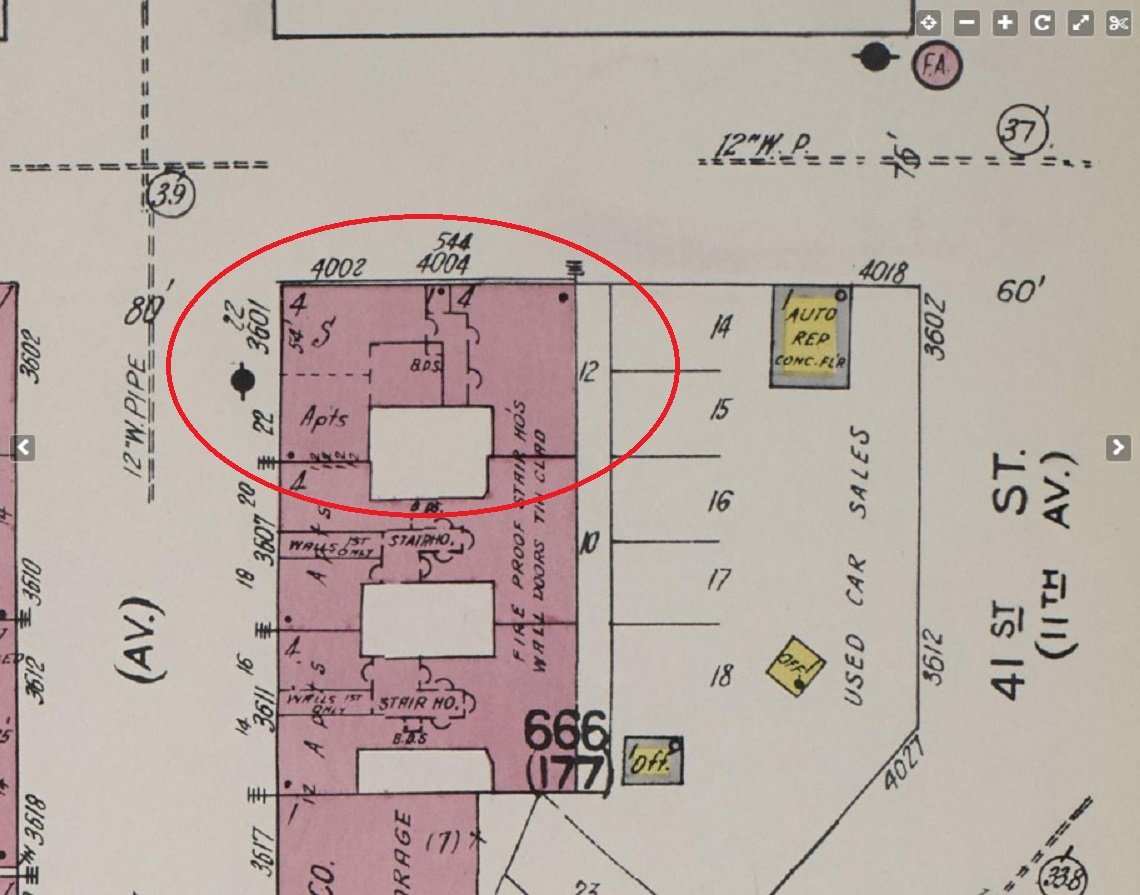
The building was part of a row of similarly constructed four-story tenements at the corner of Steinway Street and 36th Avenue in a primarily residential area. Built in 1913, the building had a flat roof with a wooden cornice on Sides Alpha and Delta and a large undivided combustible cockloft above the top floor. Note: A cockloft is a small space created when the roof is raised above the level of the ceiling beams of a flat roof to provide a pitch to drain precipitation and a vented air space to reduce top-floor temperatures. It is often a horizontal combustible void space between the top floor ceiling and the roof. This presents an open void space that may allow unimpeded fire travel throughout the length of a building. The building shared an open air shaft with the adjoining tenement on Exposure Charlie. A smaller air shaft that served the apartments on the second through fourth floors was located over the front entrance vestibule on Side Alpha. The walk-up building had no elevator and fireproof stairs led from the first floor foyer to all upper floors including a rooftop penthouse with a glass skylight. All apartment doors fronting on the public hallways were clad in metal. The 23-unit building had a small commercial space at street level on the Alpha/Delta corner. Four sets of exterior metal fire escapes, two on Side Alpha, one on Side Bravo and one on Side Delta served the apartments on the upper floors. The building was not equipped with a fire alarm system, a fire standpipe system or an automatic fire sprinkler system. Side Alpha fronted on 75-foot-wide 36th Avenue, a 12-foot-wide alley separated the building from a used car sales lot on Side Bravo, and Side Delta fronted on 80-foot-wide Steinway Street. Several fire hydrants, including one near the Alpha/Delta corner, fed by 12-inch water mains were available on the block. Street fire box 7396 was located across the street at the corner of 36th Avenue and 41st Street. The occupied building had a history of poor maintenance with multiple fire code violations, and the mortgage held by the owner was under foreclosure. Residents of the building said it was infested with rats, mice and roaches and that it sometimes lacked electricity, heat and hot water.
Queens is one of the five boroughs that make up the City of New York. Located on Long Island, it is the largest borough of New York City in area at 178 square miles. The borough is bordered by the borough of Brooklyn to its west and Nassau County to the east. With a population of 2,405,464 as of the 2020 U.S. census, the borough is the second most populous of the five New York City boroughs. Were it a city, Queens would rank as the fourth most-populous city in the country. The borough has diverse housing, ranging from high-rise apartment buildings in some areas of western and central Queens, to neighborhoods with many low-rise structures in the eastern part of the borough. At the time of the incident, the population of the borough was 1,951,598 residents, according to the 1990 U.S. census.
The Borough of Queens is protected by the New York City Fire Department (FDNY) which consists of 17,321 career firefighters, EMS personnel and support staff that serve a population of about 8,000,000 residents in the city of approximately 321 square miles. The department staffs 254 fire stations within 14 divisions in 53 battalions operating 197 engine companies, 143 ladder companies, 8 squad companies, 5 rescue companies, 450 ambulances, 1 HazMat company, 1 USAR company, 10 wildland units and 3 fireboats. The FDNY is the largest municipal fire department in the United States, and the second largest in the world after the Tokyo Fire Department. Call volume in fiscal year 2023 was more than 1.8 million calls for service including 23,901 structural fires, 12,594 non-structural fires, 233,320 non-fire emergencies, and 1.6 million emergency medical calls including 605,140 life-threatening medical emergencies.
Long Island City is a residential and commercial neighborhood on the extreme western tip of Queens. It is bordered by Astoria to the north; the East River to the west; New Calvary Cemetery in Sunnyside to the east; and Newtown Creek—which separates Queens from Greenpoint, Brooklyn—to the south.
The Long Island City neighborhood where the fire occurred is protected by the following FDNY fire units:
- Ladder 116 & Collapse Rescue 4 – 37-20 29th Street – 0.9 miles from the fire building.
- Engine 260 – 11-15 37th Avenue – 1.1 miles from the fire building.
- Engine 325 &Tower Ladder 163 – 41-25 51st Street – 1.2 miles from the fire building.
- Rescue 4 – 64-18 Queens Boulevard – 2.1 miles from the fire building.
- Engine 258 & Ladder 115 – 10-40 47th Avenue – 2.4 miles from the fire building.
- Engine 259, Ladder 12 & Battalion 45 – 33-51 Greenpoint Avenue – 3.3 miles from the fire building.
Note: Formerly, Engine Company 261 was located with Ladder 116 at 37-20 29th Street, until it was closed in 2003 as a cost-saving measure.
Firefighter Peter McLaughlin had seven years of firefighting experience with the FDNY serving in fire companies at busy fire stations in Queens and in the South Bronx before joining the elite Rescue 4 in June 1994. He also served as a volunteer firefighter with the Northport Fire Department on Long Island. Note: FDNY rescue companies are composed of specially trained and experienced members of the New York Fire Department. A rescue company is tasked with responding to and dealing with specialized fire and rescue incidents that are beyond the scope and duties of a standard engine company or ladder company. They also respond to all structure fires in their response districts. Currently there are five rescue companies: Rescue 1 – Lower Manhattan; Rescue 2 – Brooklyn; Rescue 3 – Bronx and Upper Manhattan, Rescue 4 – Queens and Northern Brooklyn; and Rescue 5 – Staten Island and Southern Brooklyn.
Area weather conditions of the afternoon of the fire included an air temperature of 69 degrees F with a relative humidity of 47% with winds out of the northwest at 15 mph under partly cloudy skies. Note: Research by the National Institute of Standards and Technology (NIST) has shown wind speeds on the order of 10 to 20 mph are sufficient to create wind-driven fire conditions in a structure with an uncontrolled flow path (Madrzykowski and Kerber 2009). The strong winds during the fire likely had a significant impact on fire development and the outcome of the incident.
On Sunday, October 8, 1995, at about 10 p.m., a fire started in an unoccupied fourth-floor apartment in a tenement building located at 40-04 36th Avenue in the Long Island City section of Queens, New York. Wayne Dennis, a hospital security guard, was in the parking lot of a nearby supermarket when he saw smoke rising from the apartment house. He pulled Box 7396 at 10:12 p.m. and then ran into the building to alert the occupants. Mr. Dennis said he climbed the fire escape in the back of the building, knocking on windows — breaking some — and yelling to people to get out. As he climbed, he said, an air-conditioner that had been in the windowsill of one of the burning apartments fell past him and into the alley, where it smashed into pieces. One man trying to get out a window with a baby handed him the child, he said, and he descended and passed the infant to someone else.
Queens fire units were alerted and responded to the scene. First arriving fire units found heavy smoke showing from the cockloft and the Signal 10-75 (working fire signal) was transmitted. Rescue 4 responded on the working fire assignment with six members including Firefighter Peter McLaughlin.
At 1:22 p.m., a second alarm was transmitted followed by a third alarm at 1:33 p.m. When the six-man crew of Rescue 4 arrived on the scene, Firefighter McLaughlin and four other firefighters when to the fourth floor to search for possible trapped occupants. The sixth member went to the roof of the building to assist ladder company firefighters with ventilation. The fire had extended to the combustible cockloft space above the fire apartment and firefighters hoped to cut off the fire spread by opening the roof. Two members, Firefighters Rosario Evola and Eugene Mahlstadt, searched one apartment while McLaughlin was searching an adjacent corner apartment by himself.
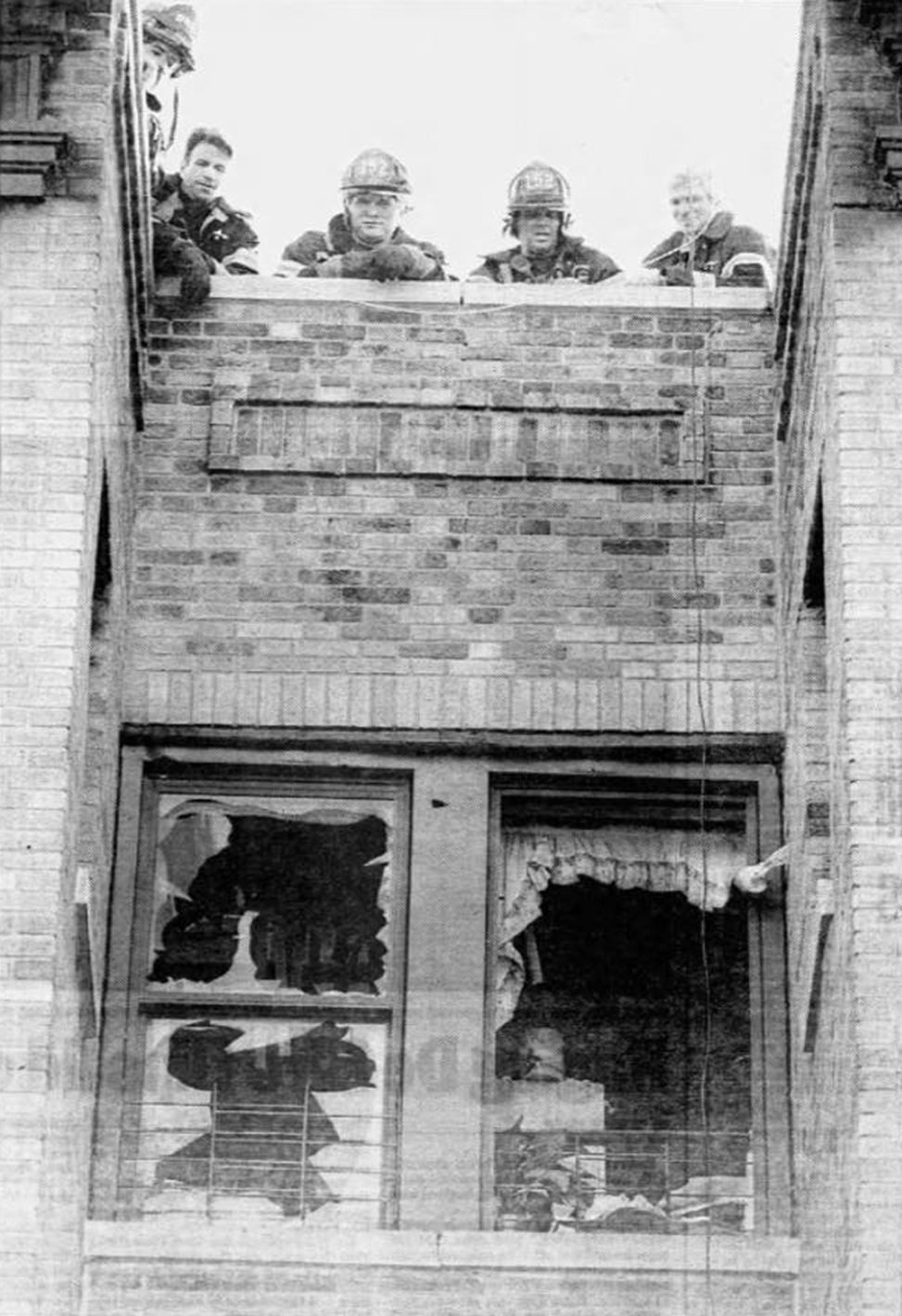
Firefighter McLaughlin used his roof hook to open up an inspection hole in the ceiling of a small bedroom to check for fire extension. Unknown to McLaughlin, the cockloft space above him was filled with heat, flame and smoke. When he opened up the ceiling, the introduction of fresh air into the enclosed space produced a backdraft. The entire ceiling blew down on him as flames came pouring out of the cockloft, ignited everything in the room and engulfing McLaughlin. Desperate to escape the flames, McLaughlin was prevented from fleeing from the room by a child safety window guard on the bedroom window.
The fire quickly overtook the top floor apartments where the firefighters were operating. “I saw one fireman stuck in the window,” said Astrid Vera, who lives near the burned building. “He was stuck in the child safety gates yelling ‘Help me! Help me! I’m gonna get burned.’” Firefighters Evola and Mahlstadt were able to jump from a window into the bucket of a tower ladder to escape the flames, but McLaughlin was trapped and fatally burned. There was no Mayday call from the trapped firefighter. Captain Jack Corcoran, the commander of Rescue 4, said later he was sure that the youngest man in his unit had been caught with no time to react, no time to escape. “Peter was so strong, he would have gone through a wall,” he said.
When rescuers finally got to McLaughlin, he was found in a crouched position slumped behind a door with his hands reaching for the window. He was removed from the building while CPR was being administered and rushed to the hospital where he was pronounced dead. His clothing was melted to his skin, and his face was blackened by burns. The fire had been so intense that the soles of his boots had been burned off. Doctors described the burns that covered 100% of his body as the worst they had ever seen.
“There was a fire between the ceiling and the roof,” said Firefighter Doug Sloan, the union delegate for Rescue 4. “A very intense fire. And when it is suddenly fed by oxygen there’s a backdraft and everything in the room ignites. And we believe that’s what may have happened to Pete. He was fully engulfed.”
Firefighters Evola and Mahlstadt were transported to New York Hospital-Cornell Medical Center for treatment for their burns. Evola was treated and released while Mahlstadt remained in the burn unit for several days. Captain Michael McTigue was also badly burned trying to rescue McLaughlin. Five other firefighters and one civilian were injured in the blaze.
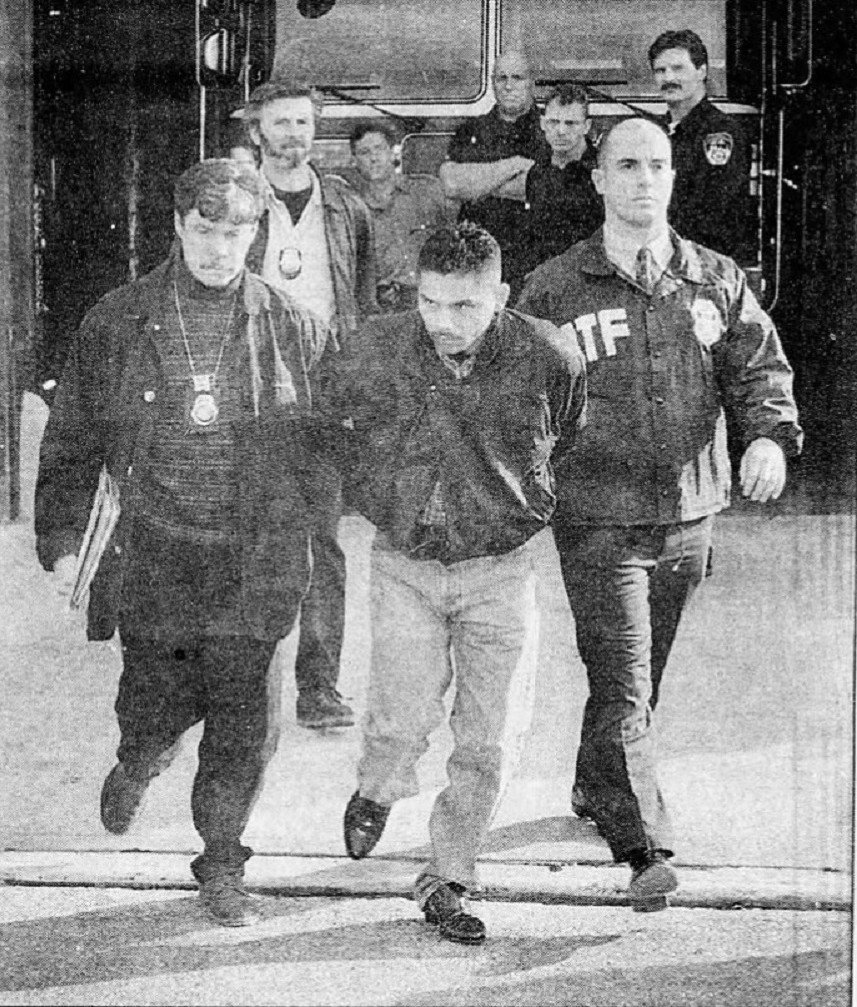
Fire officials suspected that the fire may have been deliberately set. The tenant of the apartment of origin had vacated the space earlier in the day. Investigators had narrowed the cause of the blaze to either a frayed extension cord or careless smoking that ignited a mattress in the apartment but had not ruled out arson. The former tenant, unemployed auto mechanic Moises Antonio Blandon, was questioned regarding the fire. On December 3, 1995, Blandon was arrested and charged with second-degree murder and two counts of arson after he admitted that he had dropped a lit match onto the bed in his fourth-floor apartment because he was depressed about his wife leaving him. Blandon tried to smother the fire, and when he could not, he simply left building without calling the fire department. The fire burned for about 45 minutes before being discovered.
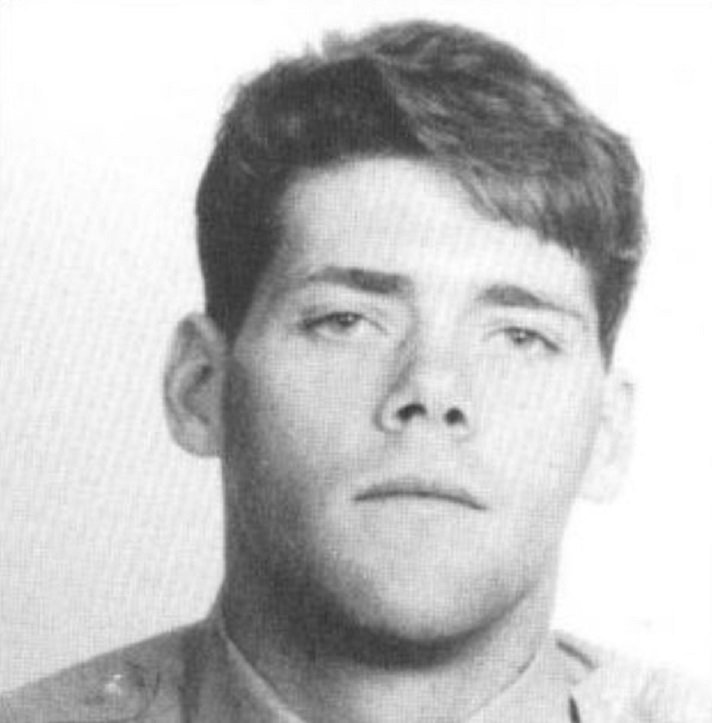
Firefighter Peter F. McLaughlin, age 31, was a seven-year member of the FDNY. Born in New York City on April 21, 1964, to Ellen and Vincent McLaughlin, he was baptized in St. Nicholas of Tolentine Church in The Bronx. In 1971, his family moved to Co-op City and from his earliest years, Peter McLaughlin voiced interest in becoming a firefighter. In January 1977, he moved to Northport, New York where he attended Northport Junior and Senior High School. As a teenager he joined the Northport Fire Department Junior Smoke Eaters, where he learned fire technology and received a certificate from the New York State Firefighters School of Instruction. In 1982, after graduating from high school, he passed the New York City Fire Department Exam. On August 20, 1982, before joining the Fire Department, he enlisted in the United States Marine Corps and served a four-year tour. In December 1988, he was appointed to the New York City Fire Department and worked with units in The Bronx and Queens, and in June 1993 he became a member of the prestigious Rescue Company 4 in Queens, one of only four such units in the entire city at that time. His comrades nicknamed him “Sniper” because of his stint in the Marine Corps. He was considered to be one of the best firefighters in the rescue company and was well respected by his peers. McLaughlin was survived by his parents, Ellen and Vincent McLaughlin, and his brother Keith McLaughlin, a member of the NYPD, and his girlfriend, Crista Thompson.
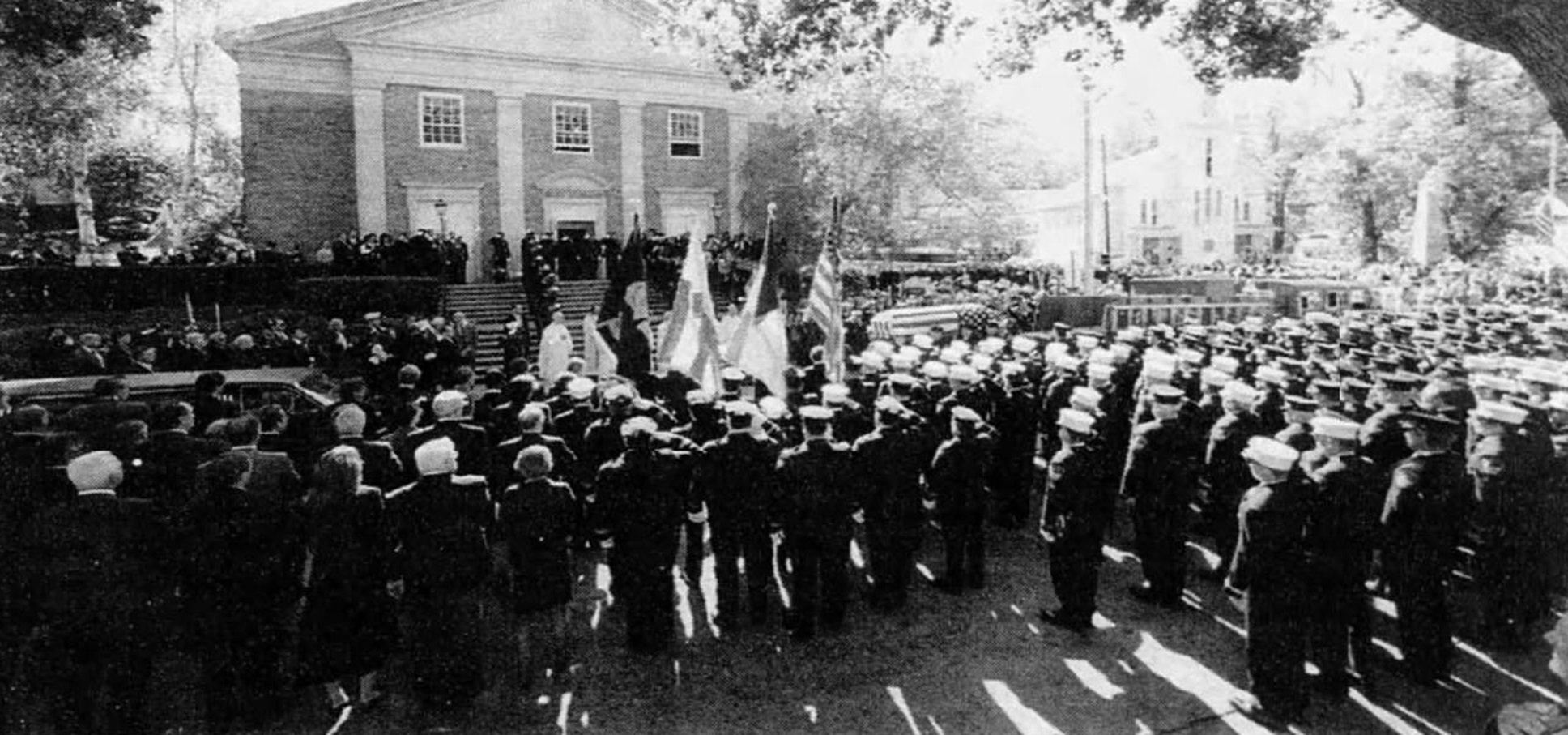
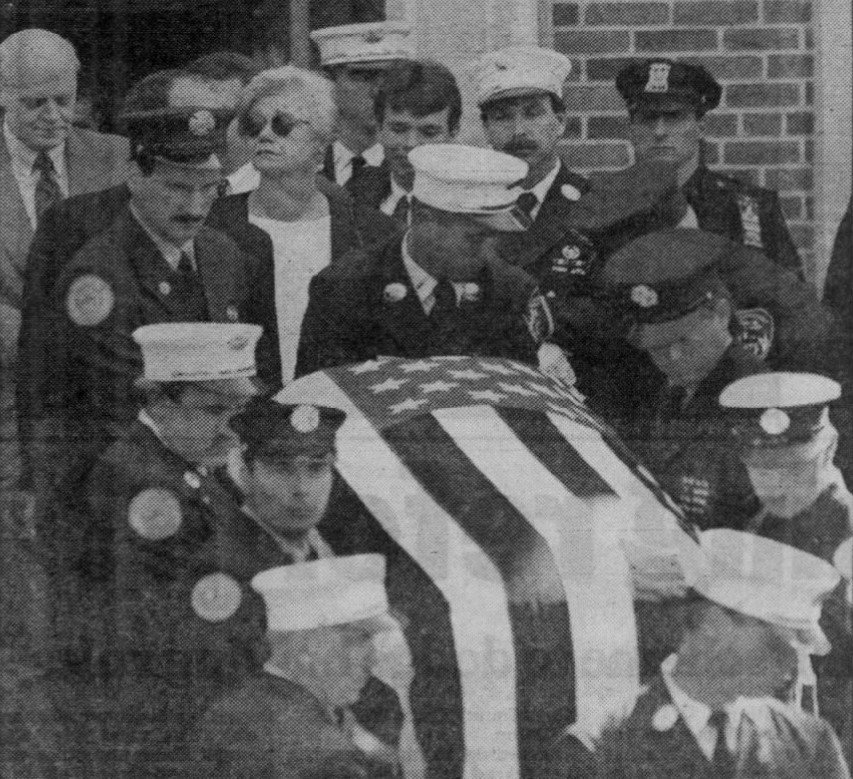
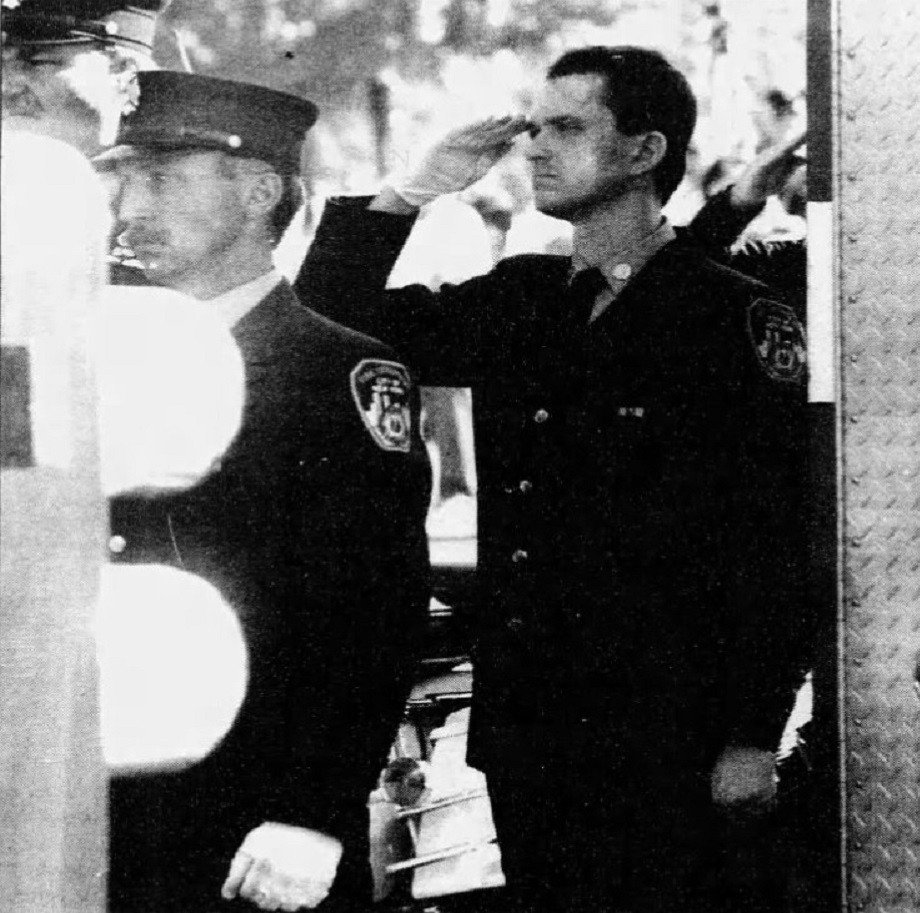
More than 10,000 area firefighters attended the funeral for Firefighter Peter McLaughlin on October 12, 1995 at St. Philip Roman Catholic Church in Northport, Long Island. Burial was at the Northport Rural Cemetery on Sandy Hollow Road.
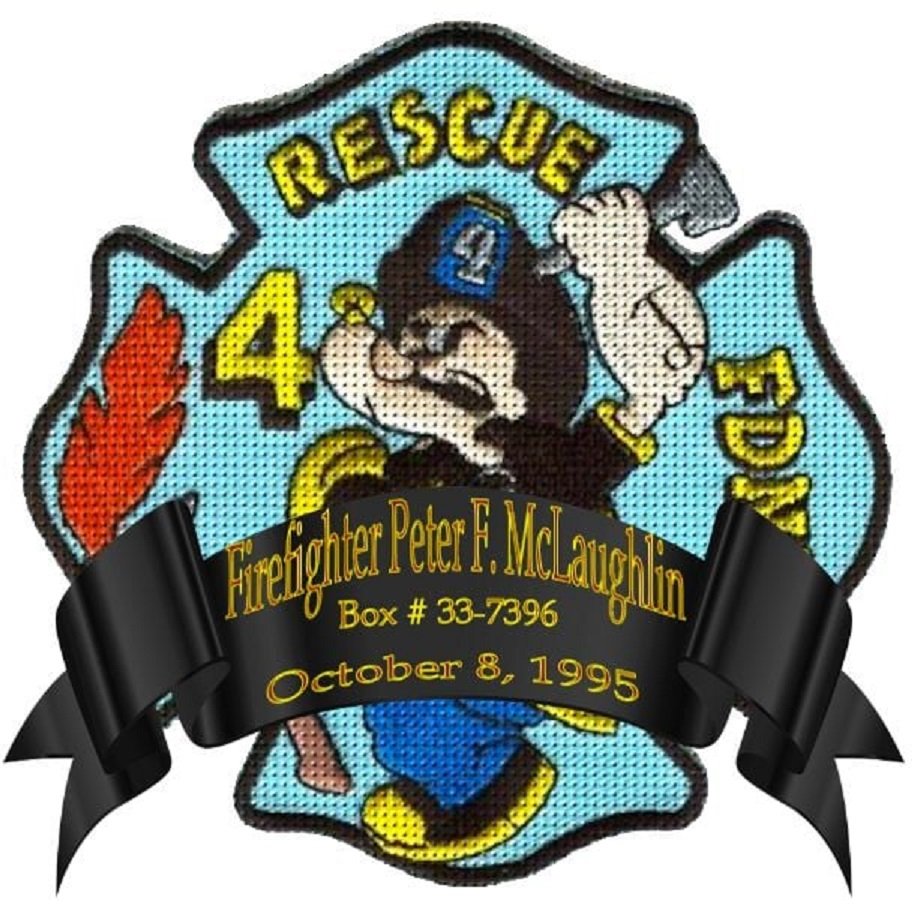
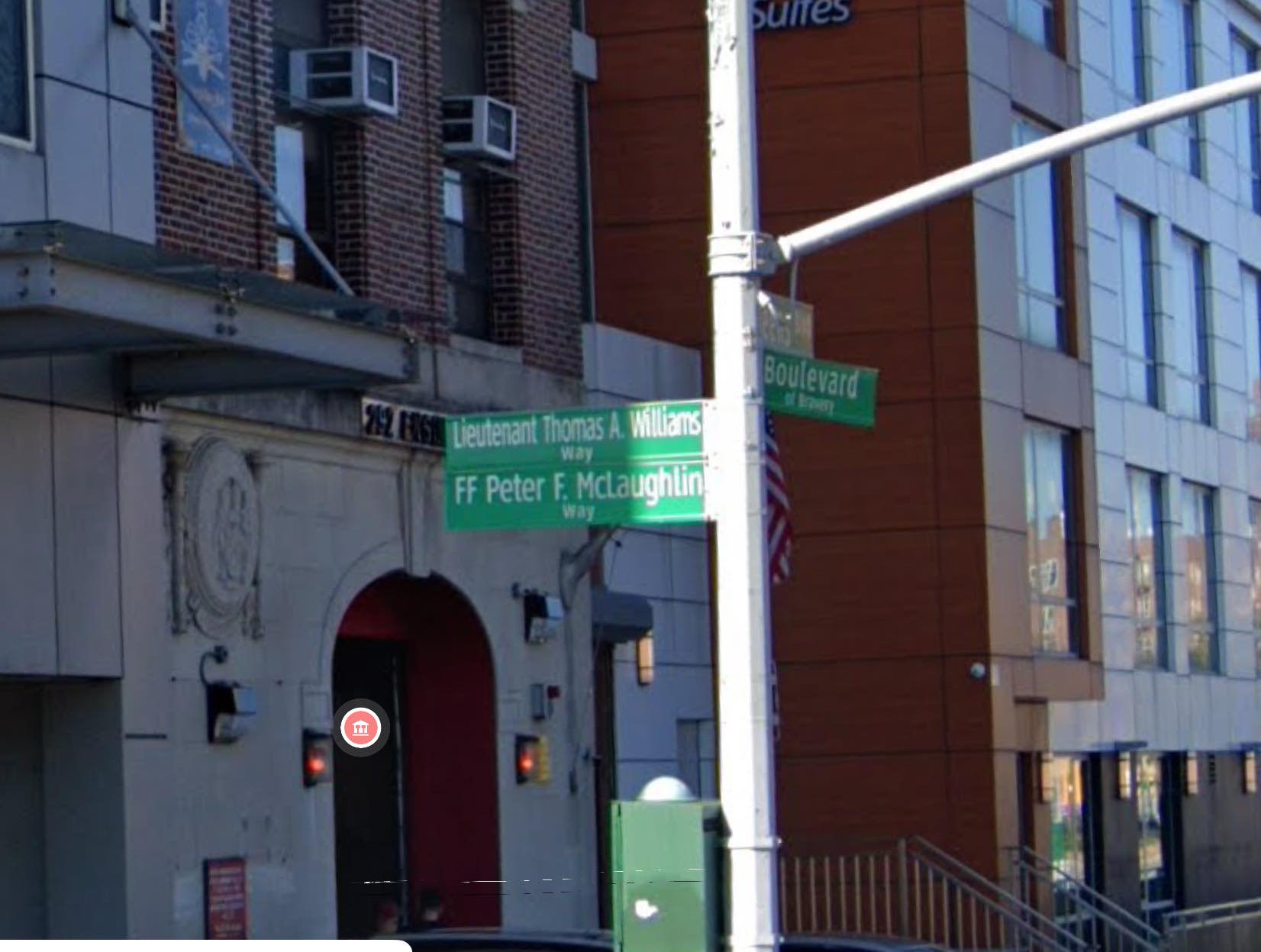
In 1996, the section of the street on the south side of Queens Boulevard between 64th Street and 65th Street in Queens was renamed “Firefighter Peter F. McLaughlin Way.”
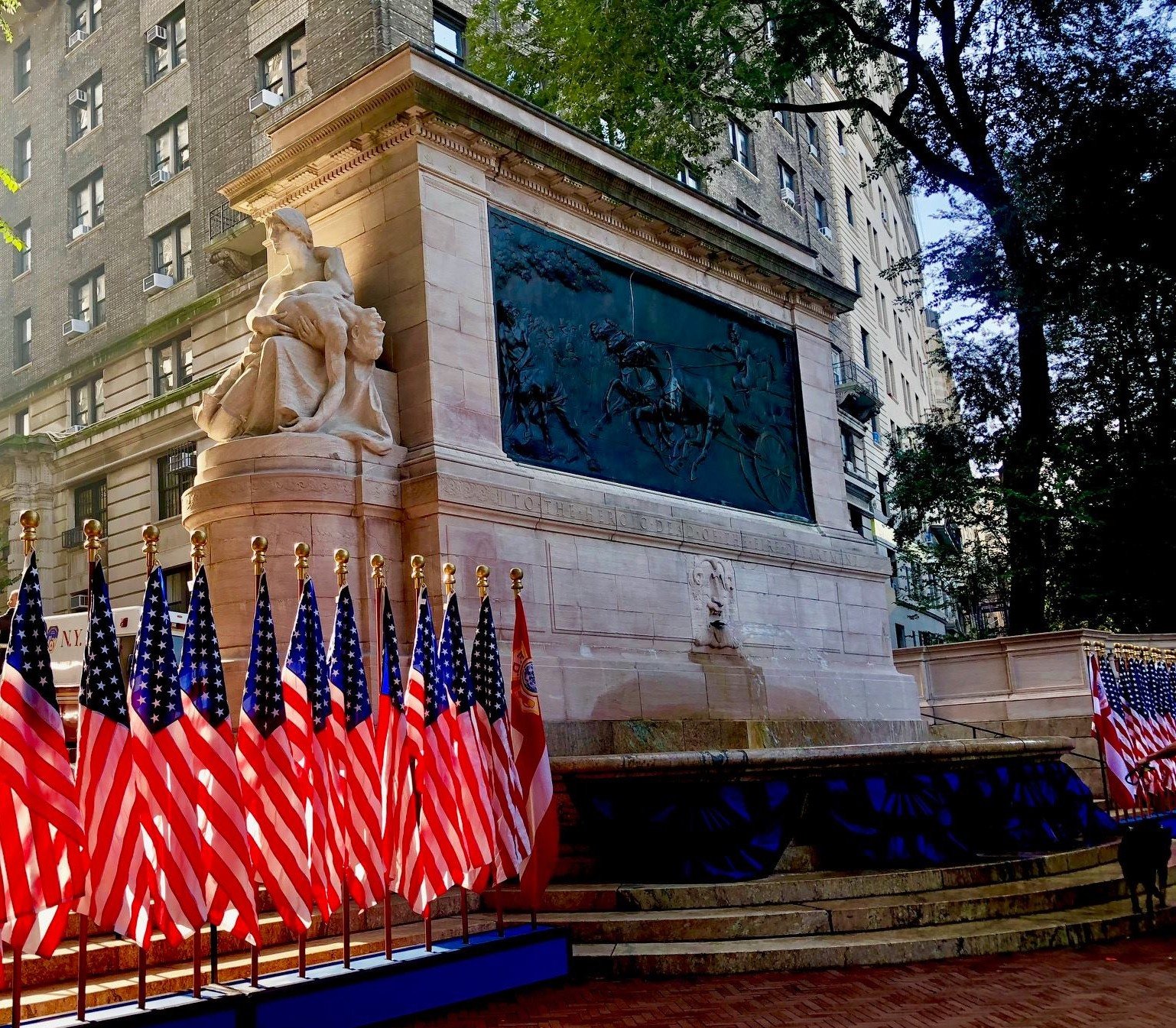
The name of Firefighter Peter F. McLaughlin has been honored at the New York Firemen’s Memorial on Riverside Drive at 100th Street in Manhattan, New York. The memorial honors the members of the FDNY and volunteer firefighters in the city who have made the ultimate sacrifice in the line of duty. Built in 1913 on a hillside facing the Hudson River, the memorial comprises a grand staircase, a balustraded plaza, a fountain basin, and the central monument. Made of Knoxville marble, the monument is a sarcophagus-like structure with a massive bronze bas-relief of horses drawing an engine to a fire. To the south and north are allegorical sculpture groups representing “Duty” and “Sacrifice.” The inscription on the reverse side of the monument reads:
To the men of the fire department
of the City of New York
who died at the call of duty
soldiers in a war that never ends
this memorial is dedicated
by the people of a grateful city.
Every September, the FDNY holds an annual remembrance ceremony at the monument.
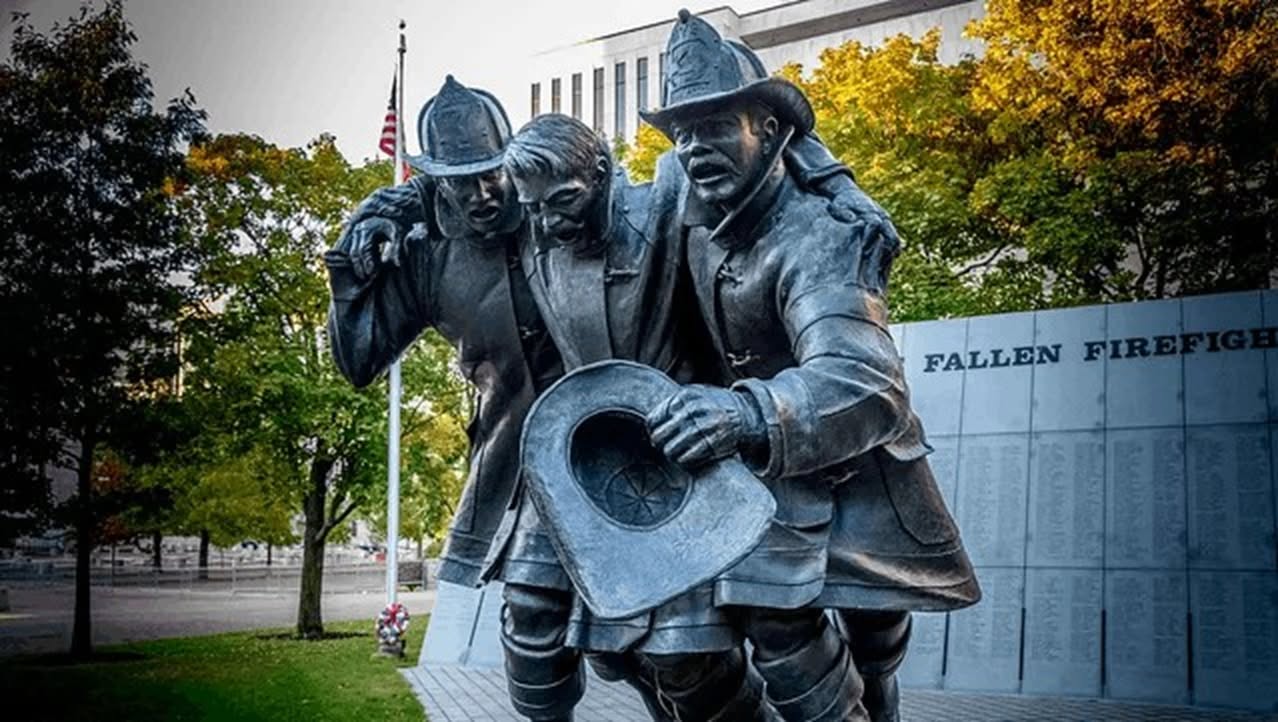
The name of Firefighter Peter F. McLaughlin has been inscribed at the New York State Fallen Firefighters Memorial on the grounds of the New York State Capitol in Albany. The memorial features a 54-foot by 15-foot gray granite wall with the names of New York State fallen firefighters permanently etched into the stone. In front of the wall stands a 10-foot-high dark bronze sculpture of two firefighters rescuing an injured colleague created by New York sculptor Robert Eccleston. The sculpture rests on a paved plaza with charcoal and red bricks forming a Maltese Cross. As of October 2024, there are 2,692 names on the wall. The earliest name on the wall is from the year 1811.
The name of Firefighter Peter F. McLaughlin has been inscribed on the 1995 plaque displayed at the National Fallen Firefighters Memorial on the campus of the National Fire Academy in Emmitsburg, Maryland.
The four-story tenement building where the fire occurred was restored and is now occupied as a rental apartment building called the Steinway Manor. There is no memorial marker at the site.
Commentary:
Cocklofts have been the root cause of the demise of multiple buildings and, more importantly, firefighter’s lives for decades. This enclosed combustible space between the roof and top floor can be found in many types of occupancies including multiple dwellings, mercantile buildings, and taxpayers. The volume of aged, dried wood in these enclosed spaces can provide the right mixture of built-up combustible gases during a fire that may be ripe for ignition should firefighters open up the ceiling from below before the space has been properly ventilated from the roof above. Anytime firefighters elect to open up a ceiling or wall, a charged hoseline should at the ready to quickly control any sudden fire development. The use of a thermal imaging device to assist in locating and determining the volume and extent of fire in a cockloft or other enclosed overhead space is also recommended.
This incident shares many similarities with another FDNY firefighter fatality that occurred in Brooklyn in 1991 when Probationary Firefighter Kevin Kane was caught under the collapse of a plaster-and-lath ceiling while searching ahead of a hoseline in a top floor apartment during a fire in a vacant four-story residential building. The building was known to be inhabited by squatters and firefighters were searching the top floor apartments while knocking down fire in two adjacent units. Firefighter Kane was initially pinned by the weight of the ceiling but was able to escape the apartment via a window with the aid of firefighters in a tower ladder bucket. He was severely burned after exposure to flame and heat following the ceiling collapse and died from his injuries several days later:
https://www.facebook.com/groups/192218352449074/permalink/1638248631179365/
We have attached photos from the incident and the building as it appears today.
We have also attached two articles by group member Salvatore Ancona published in Fire Engineering magazine on cocklofts: https://www.fireengineering.com/fire-prevention-protection/firefighters-and-construction-attic-vs-cockloft-whats-the-difference/
We have also attached the link to a BCFS article on cocklofts:
https://www.facebook.com/groups/192218352449074/permalink/1488874682783428/
Thanks to multiple media sources for the content of this article.
Honor the service of Firefighter Peter J. McLaughlin by studying the hazards of cocklofts and by touring an occupancy such as a multiple dwelling or taxpayer building equipped with a common cockloft in your local response district with your crew members today.
Remember Fallen Brothers.
Get Out There And Know Your Local!!!
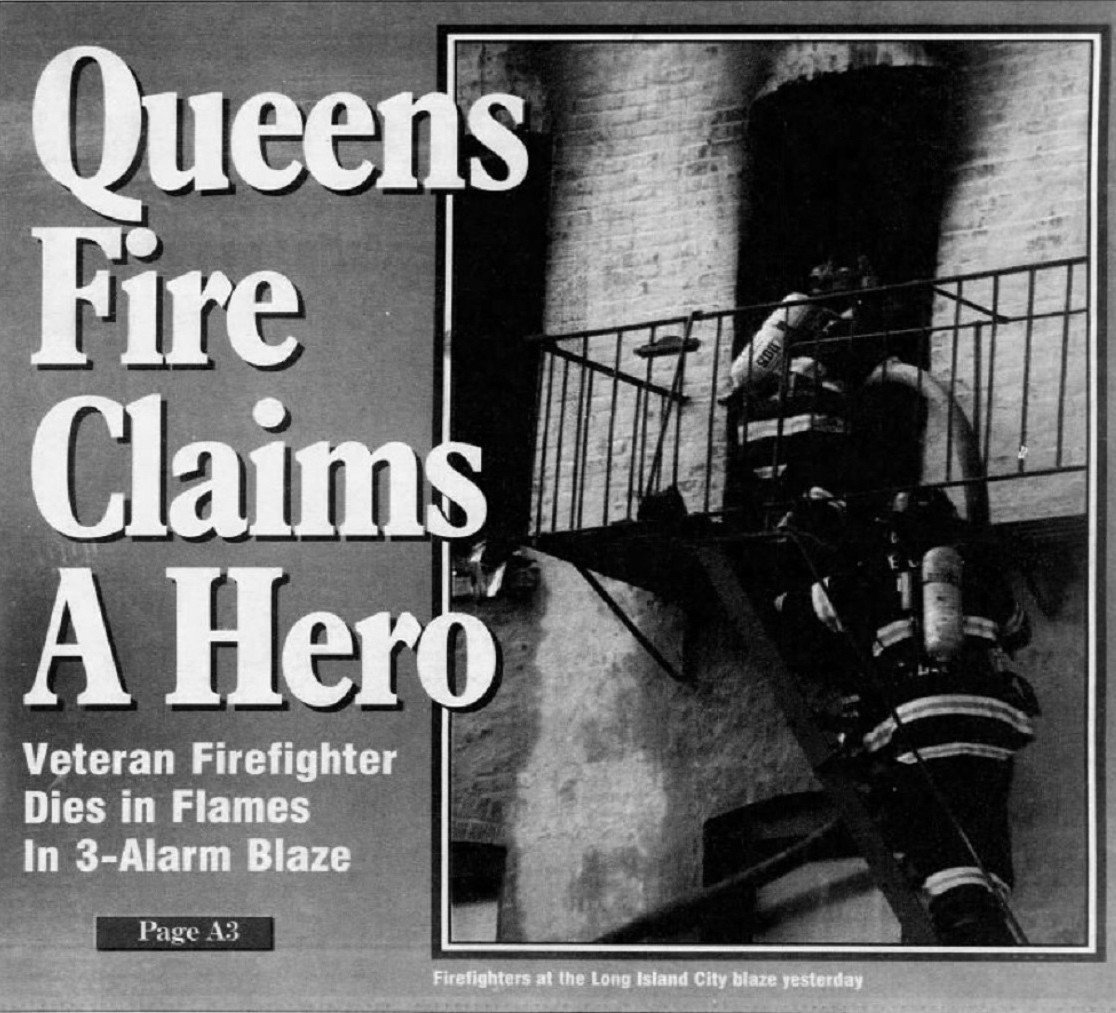
Cover page of New York Newsday, October 9, 1995.
The building was part of a row of similarly constructed four-story tenements at the corner of Steinway Street and 36th Avenue in a primarily residential area. Built in 1913, the building had a flat roof with a wooden cornice on Sides Alpha and Delta and a large undivided combustible cockloft above the top floor. Note: A cockloft is a small space created when the roof is raised above the level of the ceiling beams of a flat roof to provide a pitch to drain precipitation and a vented air space to reduce top-floor temperatures. It is often a horizontal combustible void space between the top floor ceiling and the roof. This presents an open void space that may allow unimpeded fire travel throughout the length of a building. The building shared an open air shaft with the adjoining tenement on Exposure Charlie. A smaller air shaft that served the apartments on the second through fourth floors was located over the front entrance vestibule on Side Alpha. The walk-up building had no elevator and fireproof stairs led from the first floor foyer to all upper floors including a rooftop penthouse with a glass skylight. All apartment doors fronting on the public hallways were clad in metal. The 23-unit building had a small commercial space at street level on the Alpha/Delta corner. Four sets of exterior metal fire escapes, two on Side Alpha, one on Side Bravo and one on Side Delta served the apartments on the upper floors. The building was not equipped with a fire alarm system, a fire standpipe system or an automatic fire sprinkler system. Side Alpha fronted on 75-foot-wide 36th Avenue, a 12-foot-wide alley separated the building from a used car sales lot on Side Bravo, and Side Delta fronted on 80-foot-wide Steinway Street. Several fire hydrants, including one near the Alpha/Delta corner, fed by 12-inch water mains were available on the block. Street fire box 7396 was located across the street at the corner of 36th Avenue and 41st Street. The occupied building had a history of poor maintenance with multiple fire code violations, and the mortgage held by the owner was under foreclosure. Residents of the building said it was infested with rats, mice and roaches and that it sometimes lacked electricity, heat and hot water.
Detail from the 1936 Sanborn fire insurance map showing the configuration of the fire building (circled in red) and the surrounding exposures.
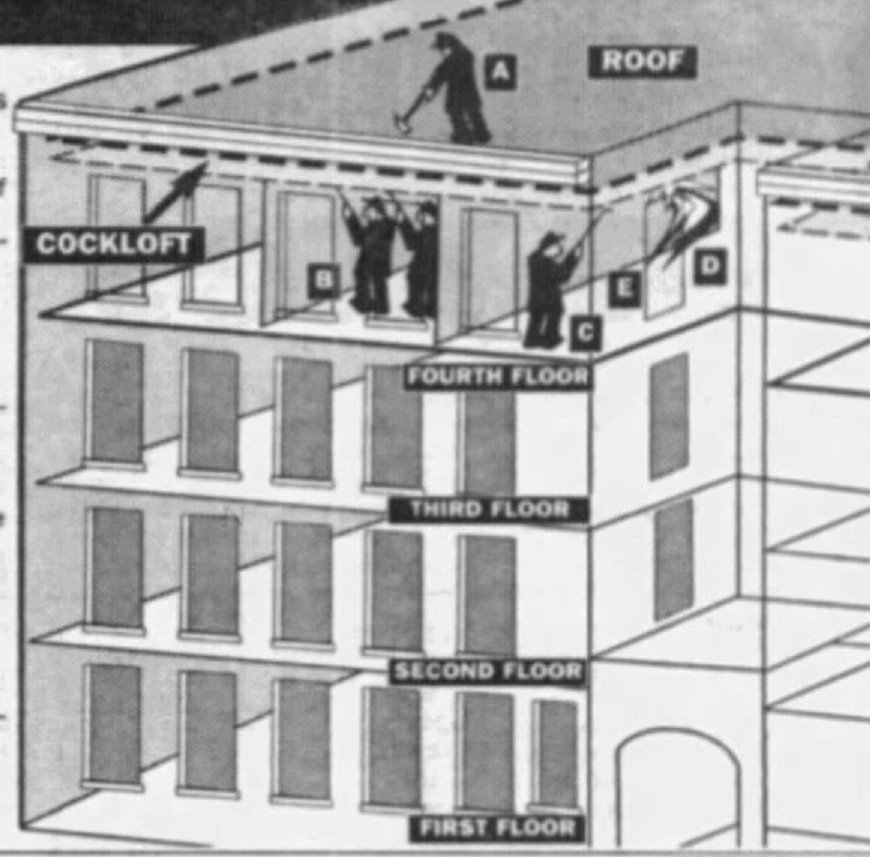
Firefighter McLaughlin used his roof hook to open up an inspection hole in the ceiling of a small bedroom to check for fire extension. Unknown to McLaughlin, the cockloft space above him was filled with heat, flame and smoke. When he opened up the ceiling, the introduction of fresh air into the enclose space produced a backdraft. The entire ceiling blew down on him as flames came pouring out of the cockloft, ignited everything in the room and engulfing McLaughlin. Desperate to escape the flames, McLaughlin was prevented from fleeing from the room by a child safety window guard on the bedroom window.
Newspaper graphic of the scene.
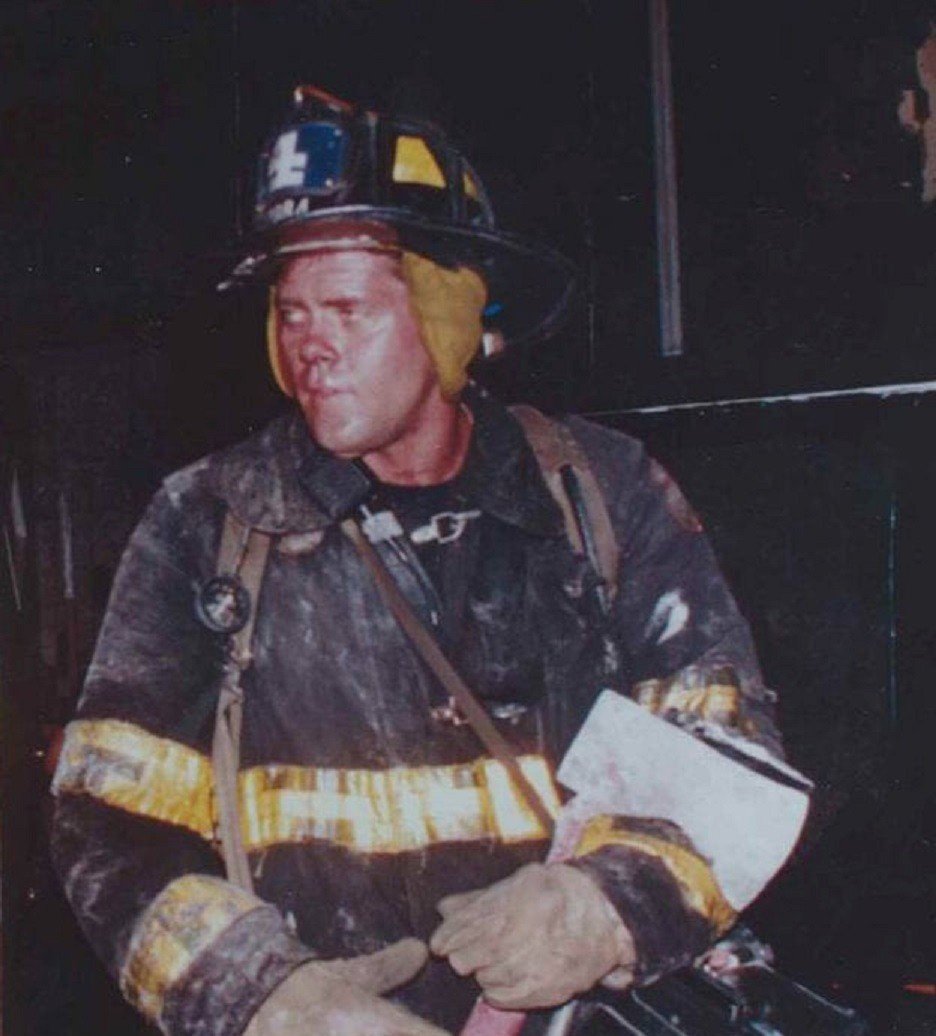
Photo of Firefighter Peter McLaughlin.
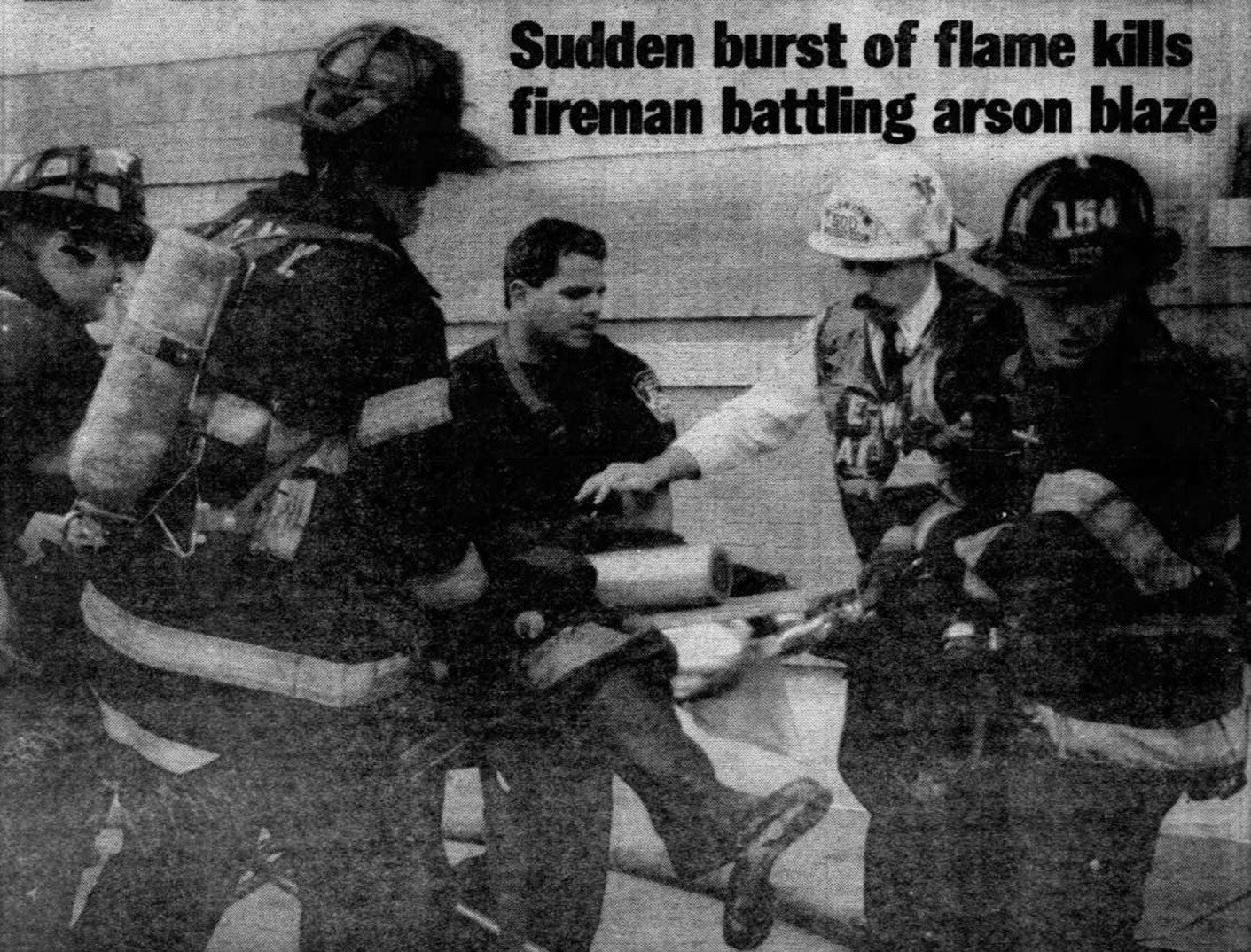
Doctors described the burns that covered 100% of his body as the worst they had ever seen.
News photo of gravely burned Firefighter McLaughlin being rushed from the hospital.
To the men of the fire department
of the City of New York
who died at the call of duty
soldiers in a war that never ends
this memorial is dedicated
by the people of a grateful city.
Every September, the FDNY holds an annual remembrance ceremony at the monument.
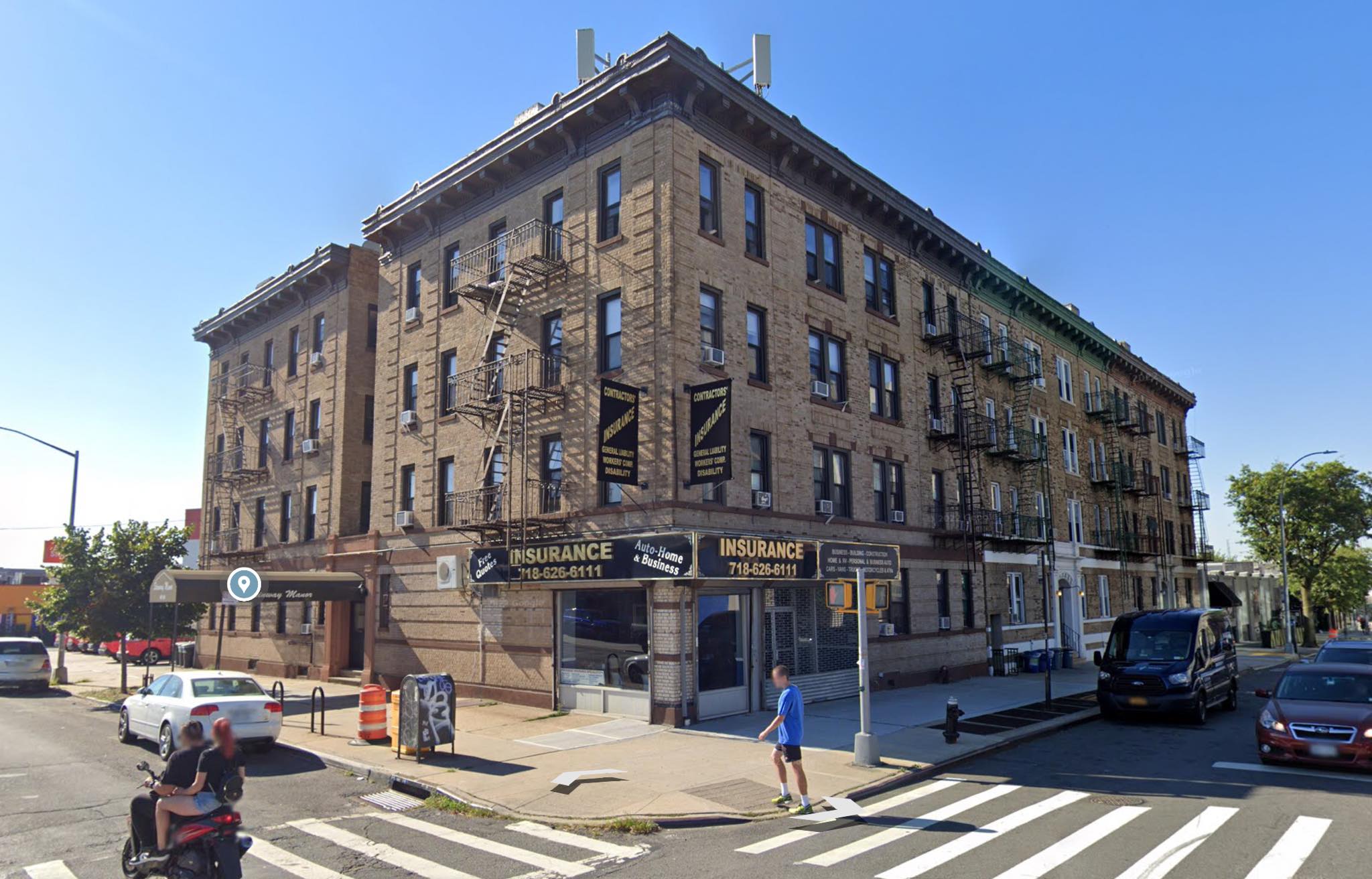
View of the building as it appears today.