Six Firefighters Killed in Fire Collapse During School Fire – Christian Brothers College Fire – St. Louis, Missouri – October 5, 1916
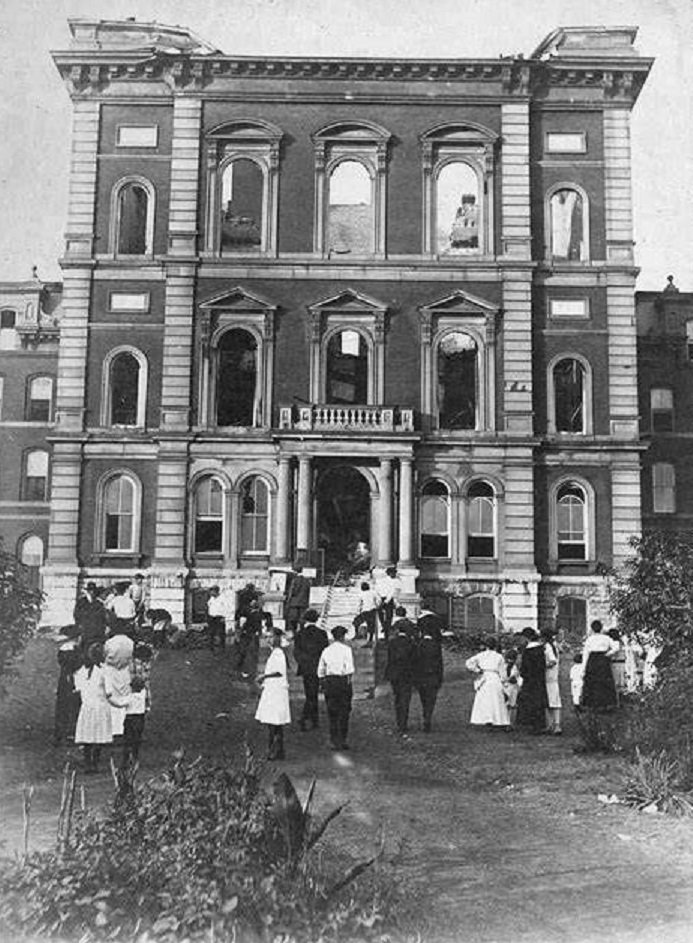
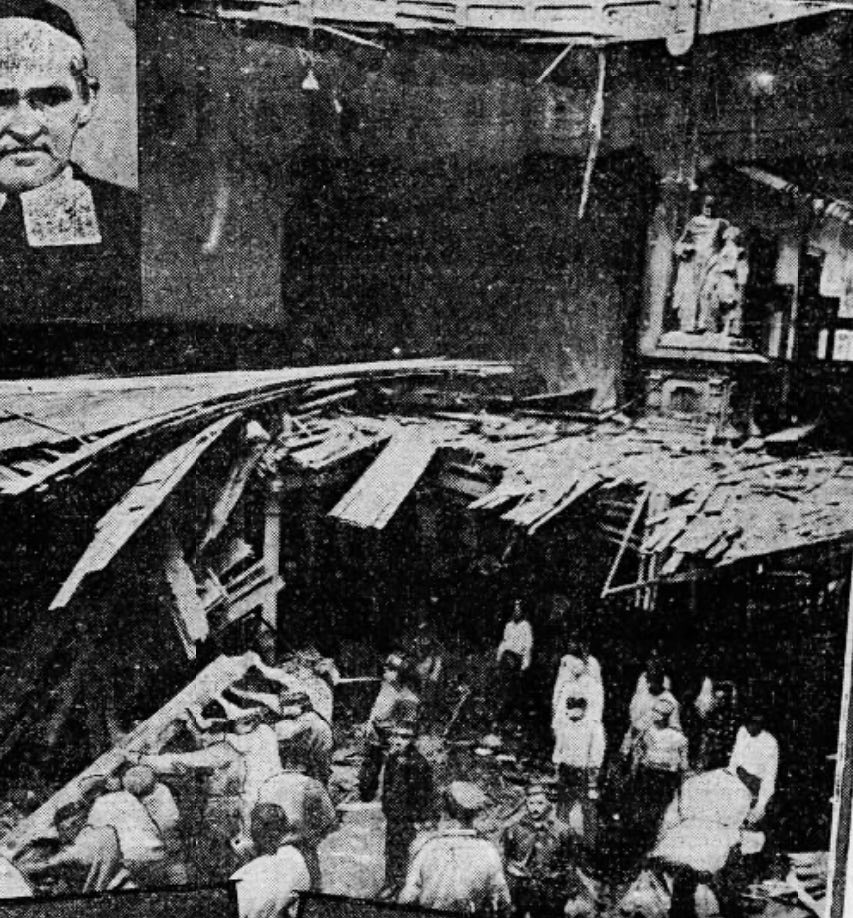
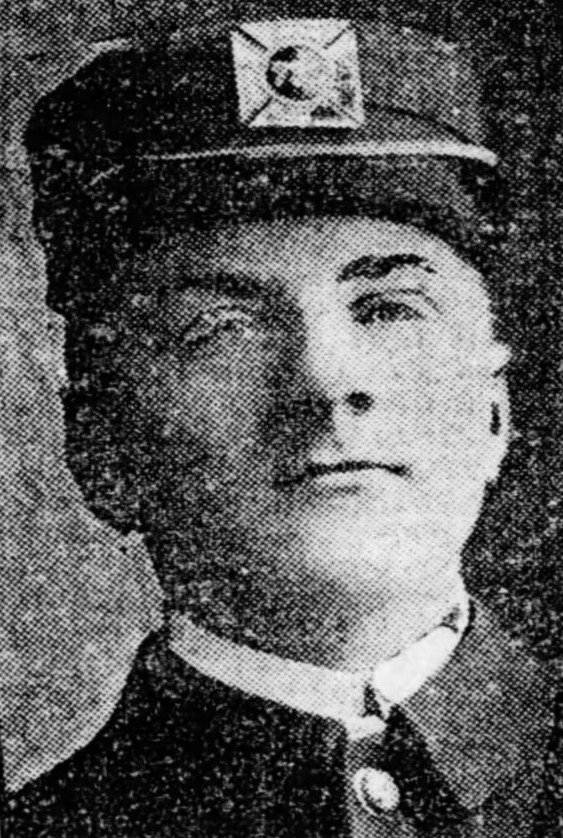
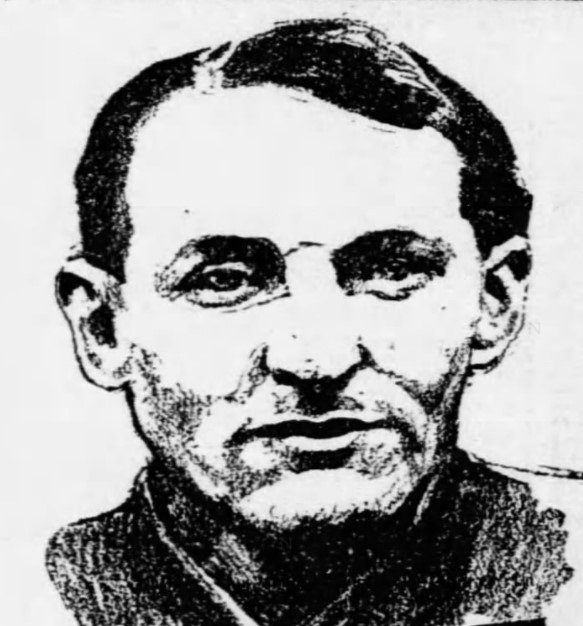
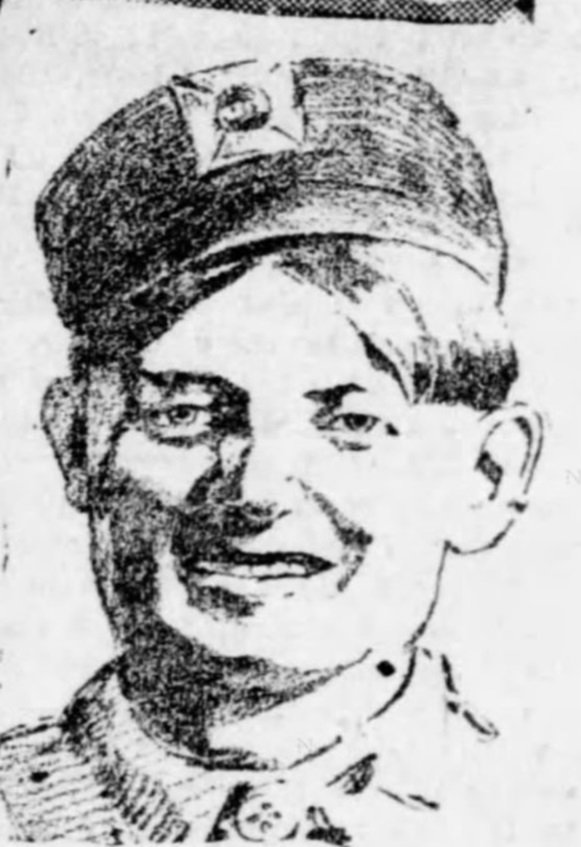
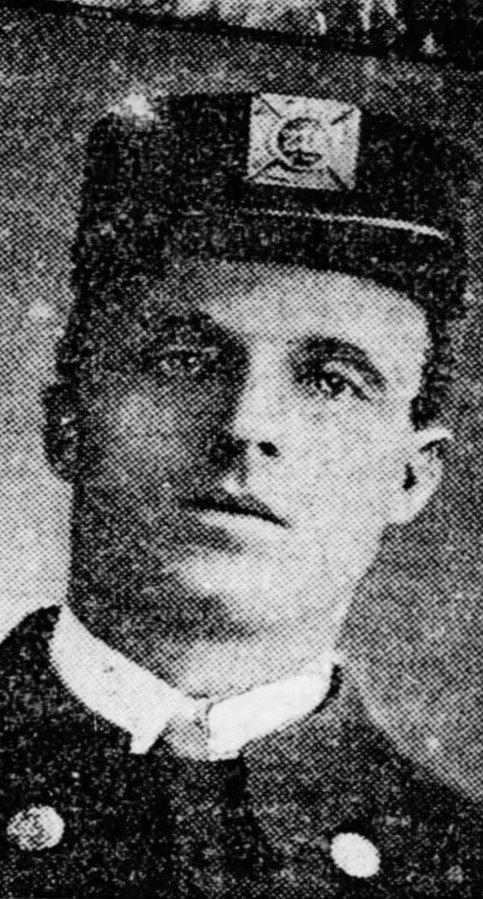
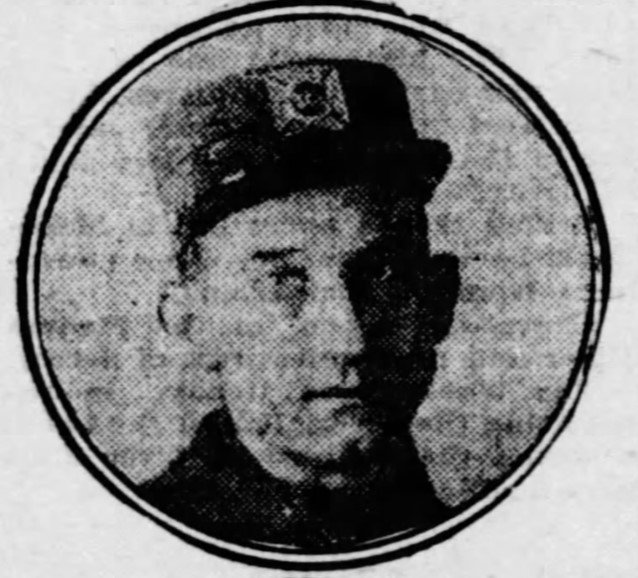
On October 5, 1916, St. Louis, Missouri Fire Lieutenants Harry Budde and Michael Waters, and Firemen William Kuhnert, John Parshall, August Sturmfels, and George Young, along with four residents were killed in a fire at the historic Christian Brothers College. The central section of the historic school was destroyed by a fire that started about 7:20 a.m. All of the 105 boarding students and 30 reverend brothers were in the basement dining room when the fire on the upper floors was discovered. While conducting overhaul after the fire had been brought under control, the firemen were buried when a fire wall in the fire-gutted shell of the main college building collapsed. They were standing on a beam which spanned the rotunda of the ruined building when the wall crumbled and fell on them, knocking them from the third floor level into the mass of wreckage below. Also among the dead were two elderly reverend brothers in the infirmary, a nurse, and the night watchman who were unable to escape the flames after becoming trapped on the fifth floor. The event marks one of the darkest days in the history of the St. Louis Fire Department.
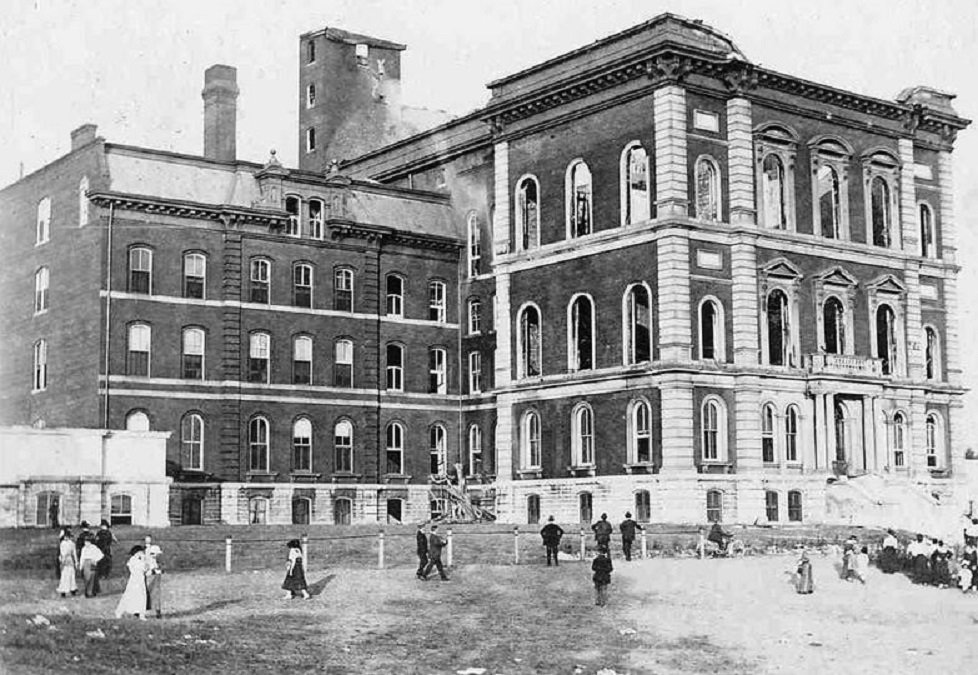
The Christian Brothers College was founded in 1850 by members of the Christian Brothers religious order who had come to St. Louis from Montreal, Quebec. In 1882, due to lack of space at the previous downtown location, the college moved to a grand new building that was located at Kings Highway and Easton Avenue (now called Martin Luther King Drive) in the Kingsway West area northwest of downtown St. Louis. The building was located on a 30-acre campus with playing fields that sat atop one of the highest points in the city. The cross-shaped school complex included a six-story Type III Ordinary construction brick and wood joist main building that measured 80-feet-wide by 200-feet-long and was surmounted by a dome-like cupola and a roof observatory. The interior of the cupola was an open rotunda so that the center of the building was an open space from the ground floor to the apex of the cupola. The main building had offices, classrooms, dormitories, a meeting hall, kitchen facilities, an infirmary and a chapel. The main entrance section of the school was topped with a slate-covered mansard roof. The main building had a freight elevator that ran the height of the structure. There were no passenger elevators in the structure. Two four-story sections containing classrooms on the first and second floors, and dormitories on the third and fourth floors extended from the main building. Each wing was connected to attached additions of fire proof construction. A gymnasium was on the east side and the west side addition contained an indoor swimming pool and locker rooms. A one-story boiler house and maintenance shop was attached to the main building on Side Charlie. The building was equipped with a manual fire alarm box that was connected to the fire department via the Gamewell telegraph system. The college did not have an automatic fire sprinkler system but had a standpipe system with hose stations on each floor and in each section. There was one exterior metal fire escape on Side Charlie of the structure. The building was set back almost a block from Easton Avenue where several fire hydrants fed from a 12-inch main were available. A street fire alarm box was located on Easton Avenue in front of the complex.
St. Louis is the second-largest city in the state of Missouri. It sits near the confluence of the Mississippi and the Missouri Rivers about 250 miles east of Kansas City and 300 miles southwest of Chicago, Illinois. The city is built on bluffs and terraces that rise 100–200 feet above the western banks of the Mississippi River. In 2020, the city proper had a population of 301,578 covering 66.17 square miles, which is the heart of a much larger metropolitan area with an estimated population of over 2.8 million residents. The city is protected by the St. Louis Fire Department, the third oldest professional and fully paid fire department in the United States. The 1141 uniformed and support department personnel provide fire, rescue and emergency medical services to a daytime population of two million people. The agency is divided into 6 battalions operating from 36 stations deploying 15 engines, 20 trucks, 2 squads, 12 ambulances, 3 HazMat units, 1 USAR unit, 2 fireboats and 4 rescue boats. In 2022, the department fire suppression units answered more than 110,000 calls for service, including 67,545 fire suppression calls and 31,064 emergency medical calls.
The St. Louis Fire Department traces its roots back to 1822 when the first volunteer fire companies were organized for the extinguishment of fires in the City of St. Louis. On September 14, 1857, the department began operating as a paid, career fire department. By 1910, 51 horse-drawn steam engine companies, 17 hook and ladder companies, 11 district chiefs, a deputy chief, master mechanic, and a fire chief protected the city of 687,029 residents. The department placed in service its first piece of motorized apparatus in July of 1910. On March 25, 1927, the fire horses made their final run, thus closing a colorful era in the fire department, as many of these brave animals had given their lives in the line of duty.
On Thursday, October 5, 1916, at about 7:20 a.m., the boarding students and brothers were at breakfast in the basement dining room of the main building. Brother Abban, the college registrar, discovered the fire on the upper floors and ran to turn in an alarm from a fire box inside the building. On the way to the box, he informed Brother Lawrence Joseph, who went to the basement dining room where the students were at breakfast and whispered to Brother James that the upper two floors of the college were burning.
There was no excitement. Clapping his hands to attract attention, Brother James said: “The first division will march out in order through the East Wing.” When the first division of students had obeyed the order, he gave command to the second division and in less than five minutes all the students had marched from the building. Several of the brothers remained behind and rescued the sacred vessels and vestments and altar accessories in the chapel on the second floor.
St. Louis firemen arrived promptly and went about their business to contain the fire. Within a short time, the flames were sweeping through the two upper floors of the main building, and timbers from the interior of the cupola dome began to fall into the lobby. Lewis Nolean, the assistant infirmary nurse, appeared at the fifth-floor window of the infirmary, crying for help. As he stood on the windowsill, flames could be seen in the room behind him.
Firemen quickly prepared to rescue Nolean. A sectional ladder was raised but it would only reach to the third floor. Fireman George Morris of Truck Company 15 stood on the top of this ladder and hooked a scaling ladder to the fourth-floor windowsill. He repeatedly called to Nolean, telling him not to jump. At the same time, firemen on the ground were preparing to stretch a life net.
The flames were crowding Nolean closely. Without waiting for the scaling ladder to be raised higher, he hung from the windowsill by his fingers for an instant and then dropped. As he fell he struck Morris who was on the scaling ladder directly below him and knocked Morris from the ladder. Nolean landed on the lawn, hopelessly injured. Morris fell to the roof of an outbuilding. A cut on the head was his only injury. Nolean died several hours later.
Two aged and infirm brothers, Reverend Brother Cormac, age 99, and Reverend Brother Clement, age 72, remained in the infirmary and were unable to escape the flames. Their bodies were later found in the ruins. The building watchman was also killed in the blaze.
Shortly after 9 a.m., the entire roof of the main section of the building caved in and the wreckage of the heavy slate-covered cupola dropped with a tremendous crash into the lobby. Owing to the altitude of the college site, the water pressure was low, and this hampering the firemen. The campus site was about even in altitude with the top of the old water tower on East Grand Avenue. The building was almost a block from the nearest fire hydrants.
When the roof collapsed and the flaming mass fell down through the rotunda, the second floor immediately was aflame. Firemen then admitted that the main structure was doomed, and their efforts were centered upon saving the classroom and dormitory wings on the east and west sides. A few minutes before the roof collapsed Chief O’Donnell of the Salvage Corps instructed eight or ten of his men who were in the building to leave. They got out just in time to escape injury from the wreckage which fell into the rotunda.
The building sat atop one of the highest points in the city, and the smoke could be seen for miles, drawing a crowd. The burning of the college was a spectacle which attracted thousands. Persons on street cars and in automobiles followed to the scene the fire apparatus which responded to the general alarm fire. Every street leading to the college was filled with automobiles and spectators. Traffic on the Wellston street car line was blocked.
The fire raged for more than two hours before firemen were able to bring the flames under control. The men then entered the burned out shell of the building to search for hot spots. While working on the third floor, the members of Truck 19 were conducting overhaul under the direction of Lieutenant Michael Waters. Suddenly at 11:45 a.m., a brick fire wall tottered and fell, crushing and killing five members of Truck 19 and Lieutenant Harry Budde of Engine 43. The men were standing on a beam which spanned the rotunda of the ruined building when the wall crumbed and fell on them, knocking them from the third-floor level into the mass of smoldering wreckage below. Several other firemen were also caught in the collapse.
Rescue work was immediately begun. One of the first of the firemen taken out of the collapse was Fireman James Woods of Engine 30. A passing dairy truck took him to the city hospital. While he was being taken from the ruins he said: “There are 15 more of the boys in there.”
Others taken out alive were Fireman Patrick Cassidy of Engine 43, Fireman F.G. Hoffman of Engine 47, Fireman Joseph Cateilt of Engine 57, Fireman N.J. Finnegan of Engine 32, and Fireman Gus Shaffer of Engine 32. All were transported to the city hospital and treated for their injuries.
Eight priests who had gone to the fire to render spiritual aid to anyone who might be injured, went into the ruins after the collapse to minister to the injured firemen who could be reached. They reported that they found several men pinioned under the wreckage. All the trapped firemen were removed from the ruins by the next morning.
The members of Truck 19 fared the worst in the collapse. The bodies of Lieutenant Michael Waters, and Firemen William Kuhnert, John Parshall, August Sturmfels, and George Young were found crushed in the wreckage. Lieutenant Harry Budde of Engine 43 was also found lifeless in the ruins.
Fireman Robert Griffin of Truck 19 told the St. Louis Star and Times that he had been in a doorway and jumped back just as a wall fell, sending his comrades into a fatal three-story fall and burying them under debris. “Bricks struck me, and dust covered me,” he said. “But I was safe.” Later, Robert Griffin had the solemn task of driving his company’s firetruck, alone, back to its station. The Star and Times wrote: “Firemen from other companies gathered about him as he left the scene of the fire at 5:30 o’clock, and then they turned to each other and said: “Six came from the engine house this morning, and look — there goes Bobby Griffin, taking the truck back alone.”
Brother James, vice president of the college, told reporters that when the main section of college was built in the late 1870s it cost nearly $700,000. This, he said, was partly due to the fact that all of the interior woodwork was of the most expensive rosewood and mahogany. The present value of the main building, he said, had been estimated at $850,000. The exact amount of the insurance carried on the building could definitely not be stated as the records were kept in the section of the college that was destroyed. Some of the brothers said they believed the insurance was about $200,000.
St. Louis Fire Chief Henderson, who had left to change out of drenched clothing and was not at the scene when the wall collapsed, was called back to the tragic scene. He stated to reporters: “From rumors I have heard since this terrible catastrophe, I would be more than pleased to have my acts as Chief of the Fire Department made subject of a searching investigation by any competent authority.” He would not discuss what the rumors were.
Post-Dispatch reporters interviewed Director of Public Safety Swingley, Fire Chief Henderson, and Assistant Chief Christie to get from them a possible explanation of why the firemen were in the building when the fire was under control. While Swingley, Henderson and Christie each said he was not the one who ordered the men into the building, it has been definitely ascertained that before the wall collapsed all three of these officials had personally observed that firemen were at work in the building and did not consider it necessary to order them out.
About an hour and a half before the wall fell, Swingley and Chief Henderson stood together on the balcony at the fourth-floor level of the rotunda, one of the balconies which later went down in the crash. From that point they could see firemen at work. None of the three officials thought it necessary to order the men from the building at that time.
As to the presence in the building when firemen were working there, Swingley said: “I was in the building with Chief Henderson at 11 o’clock. Neither of us paid any particular attention to the wall which afterward fell. Firemen were at work in the building, but we did not discuss the advisability of ordering them out. The fire was then almost out, and everything seemed safe. I now remember that I looked at the fire wall and observed that a steel I-beam used to anchor it to the main wall was red hot. My theory is that firemen turned the hose on this hot beam and that in suddenly contracting, the beam pulled the wall out of plumb and caused it to fall.”
Director of Public Safety Swingley interviewed several fire officers who were at the scene. Assistant Chief Robert Punshon told Swingley he was relieved by Assistant Chief Christie about 25 minutes before the wall fell. Before leaving, he said, he left orders that no men were to be sent into the building. He could not say if any men were inside at that time.
Captain Peter Ahearn of Engine 42 told Swingley he told his men to stay out from under the dome, but his men “went in anyway.” Assistant Chief Frank Dunsford said he ordered a line of hose in the building early in the fire. Swingley said he did not ask Dunsford if this was the line manned by Truck 19. Lieutenant Cornelius Combin of Engine 30 told Swingley he was in the building a short time before the collapse but had gone outside to attend to the engine when the wall fell. He could not say who ordered the men to go in.
Chief Henderson told the Post-Gazette that he did not know who ordered the men to go into the places where they were trapped by the falling wall. They may have done so without orders, he said, as it was often difficult for officers of the department to prevent men from taking risks. The Chief said he left the fire at about 11 a.m. because he was drenched and needed a change of clothing. Before departing, he said, he told Assistant Chief Punshon and Assistant Chief Dunsford not to let anybody get hurt. “Up to the time I left no firemen were in the pit,” he said. “That is, they were not on the pile of debris in the rotunda or on a level with it. There were 19 or 20 men on the third floor balcony level, above the pit. I believe the men of Truck Company No. 19 were there at that time. They certainly did not go into the basement while I was at the fire. The Chief continued: “I had been home less than an hour when I received a telephone message that 10 men had been hurt. I hurried back to the fire. Thus far I have been so busy at the scene of the fire that I have been unable to learn whether any official of the department was responsible for the men being exposed to danger.”
Whether firefighters should have been inside the burning ruins of a building at Christian Brothers College was a matter of controversy. The coroner called it “an act of folly.”
But Robert Griffin, the sole survivor of Truck 19, saw the sacrifice of six men as a risk of the job. The October 6, 1916, Post-Dispatch story recounted Griffin’s statement to a coroner’s inquiry: “This, he said, was not done on any orders that he heard, but as a matter of duty.” Ultimately, the jury at the coroner’s inquest exonerated the Chief of any wrongdoing.
Members of the St, Louis Fire Department killed in the line of duty at the Christian Brothers College Fire on October 5, 1916:
- Lieutenant Harry L. Budde, age 29, was assigned to Engine 43. He was survived by his wife, Elsie; his son, Harry Jr., age 4; his mother, Mrs. Ida Budde; and his sister, Mrs. Maud Dexhelmer. His funeral was held on October 8 at Sharkey’s Chapel followed by interment at Valhalla Cemetery in St. Louis.
- Lieutenant Michael Waters, age 36, was assigned to Truck 19. He was survived by his wife Nonie; and sons, Raymond and Michael. His funeral was held on October 9 at St. Teresa’s Church with interment following at Calvary Cemetery in St. Louis.
- Fireman William Kuhnert, age 32, was assigned to Truck 19. He was survived by his wife, Ella; and daughter, Florence, age 8. His funeral was held on October 7 at St. Bernhard’s Church with interment following at Saints Peter and Paul Cemetery in St. Louis.
- Fireman John Benjamin Parshall Jr., age 39, was assigned to Truck 19. He was survived by his wife, Mary; and his children, Francis, Jane, John and Luella. His funeral was held on October 7 at St. Matthew’s Church with interment following at Calvary Cemetery in Saint Louis.
- Fireman August Sturmfels, age 35, was assigned to Truck 19. He was survived by his wife, Kate and several children. His funeral was held on October 8 at his residence at 730 South Newstead Street with interment following at St. John’s Cemetery in Bellefontaine Neighbors, St. Louis County, Missouri.
- Fireman George H. Young, age 44, assigned to Truck 19. He was survived by his wife, Bertha; daughter, Leslie; brothers, Jacob and William Young; and sisters, Mrs. Thomas A. Smith and Mrs. Frank Hanlon. His funeral was held on October 8 at his residence at 1356 Arlington Avenue with interment following at Bethany Cemetery in Wellston, St. Louis County, Missouri.
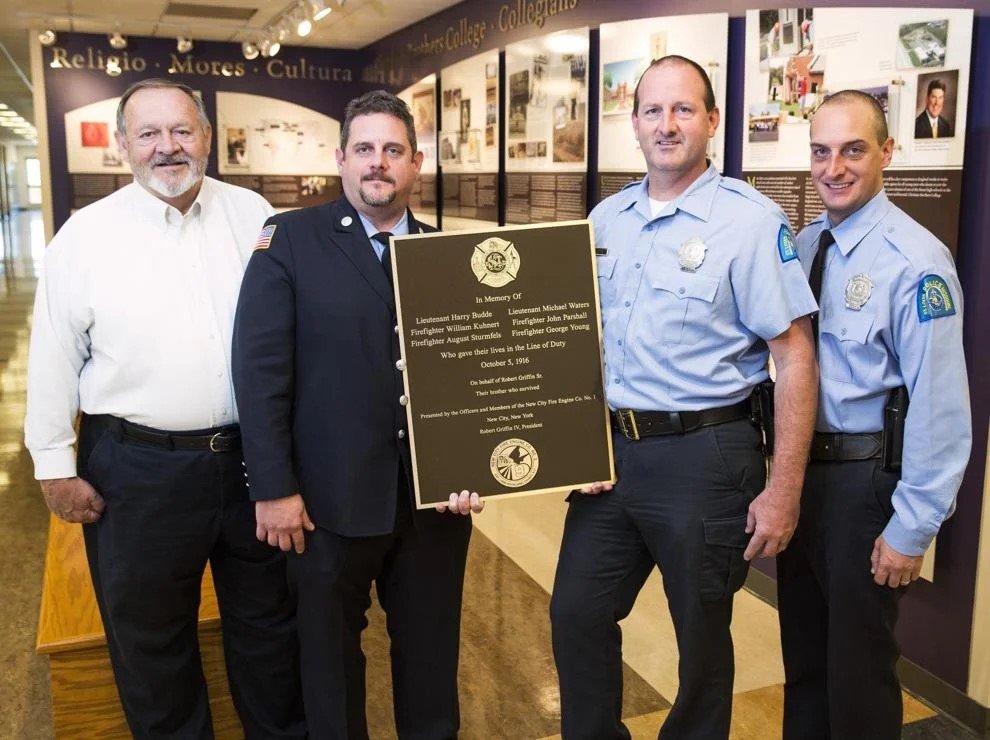
On the 100-year anniversary of the tragic fire, a number of descendants of the men who died in the Christian Brothers College fire gathered at Firehouse 29 at Forest Park and South Vandeventer Avenues to dedicate a commemorative plaque with the names of the fallen firefighters listed with an inscription: “This plaque is presented on behalf of Robert Griffin Sr., their brother who survived.”
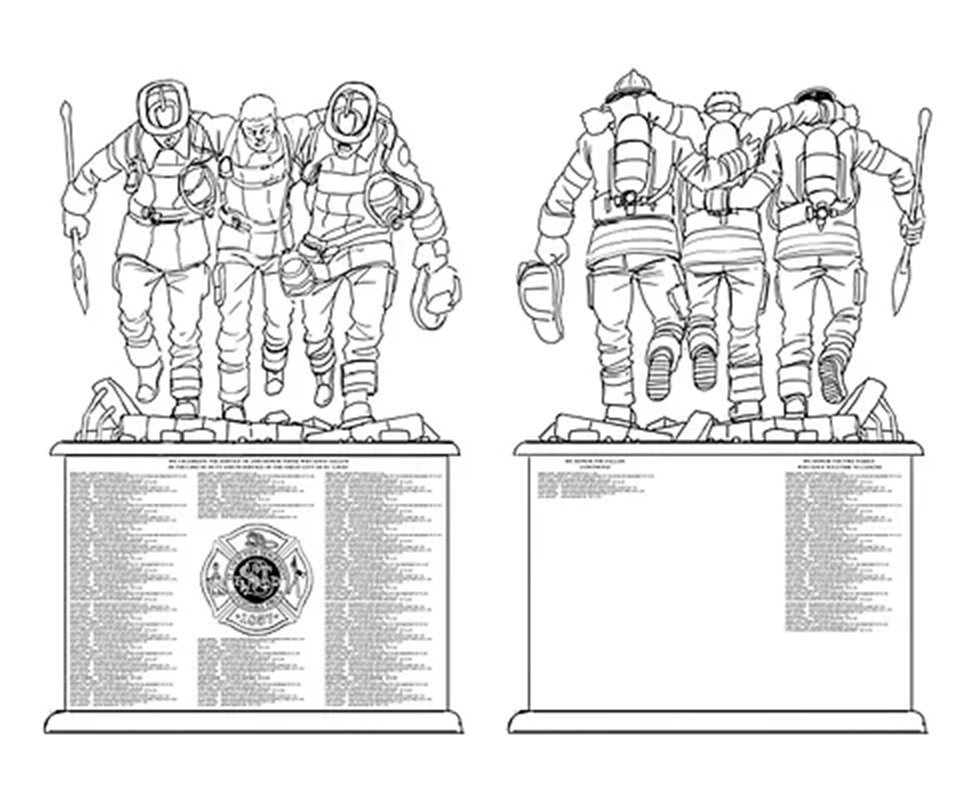
The names of Lieutenants Harry Budde and Michael Waters, and Firemen William Kuhnert, John Parshall, August Sturmfels, and George Young will be honored at the St. Louis Firefighter Memorial proposed to commemorate the more than 150 St. Louis City Fire Department members lost since the department’s inception in 1822. Located in front of the St. Louis Fire Department Headquarters and Museum at 1421 North Jefferson Street, the statue will be viewable from the street and accessible to the public on foot. The statue will consist of three firefighters supporting each other atop a marble pedestal. The names of firefighters, EMTs, and paramedics lost in the line of duty or to cancer will be engraved on one side of the pedestal while another side will house the names of volunteer members who died in the line of duty or to cancer. A third side will display the Firefighters Prayer. A Maltese cross made of commemorative bricks will provide the base for the statue. The statue will be constructed by Liberty Art Works, Inc., which was founded by retired St. Louis Fire Department Firefighter Robert Daus, Sr.
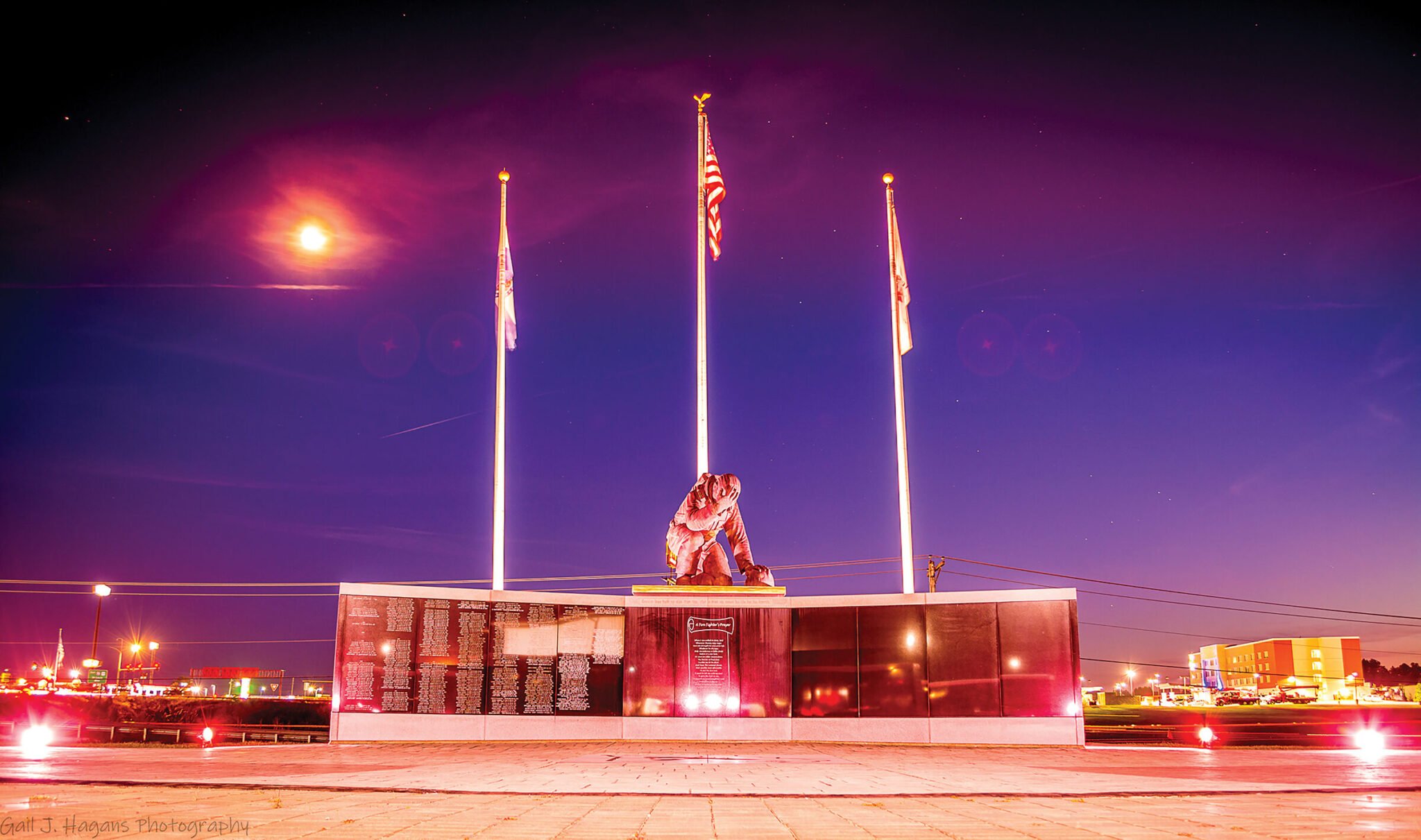
The names of Lieutenants Harry Budde and Michael Waters, and Firemen William Kuhnert, John Parshall, August Sturmfels, and George Young have been inscribed on the Wall of Honor at the Missouri Fire Fighters Memorial in Kingdom City, Missouri. The Memorial features a bronze statue of a firefighter kneeling atop large, black granite walls inscribed with the names of Missouri firefighters who had given their lives in service to the citizens of the state. Some of the names date back to 1838.
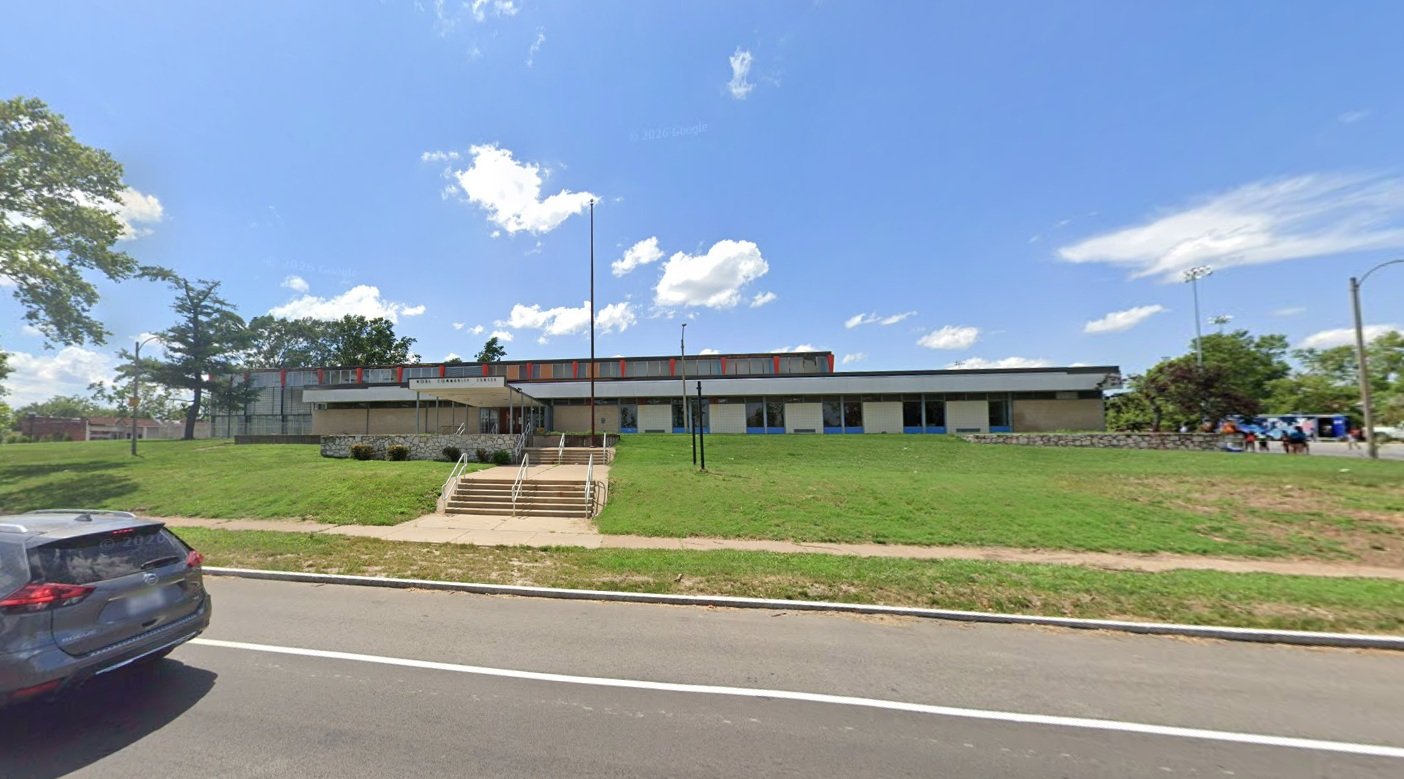
The college was never rebuilt, and the property was sold as the Christian Brothers decided to build a new campus on Clayton Road. The site of the fire is now occupied by the Wohl Recreation Center and Sherman Park. There is no memorial marker at the site.
Commentary:
We continue to be amazed by the number of firefighters who have been lost and seriously injured over the years by the collapse of masonry walls while operating at the scene of a fire that has been brought under control. Too often we see and read of firefighters who are severely injured or killed when designated collapse zones are not respected and maintained. There are multiple NIOSH Firefighter Fatality and Serious Injury Reports that outline the similar loss of situational awareness by both firefighters and supervisors. There are two time periods when the establishment and maintenance of collapse zone areas are critical; first during the sometimes-confusing period as firefighting operations are transitioning from the offensive to defensive phase and second, during long term operations, especially when crews are tempted to enter the danger zone in order to extinguish hots spots.
We would like to believe that the lessons learned from previous tragedies on the fireground from collapsing masonry walls have been heeded, however, the North American Fire Service continues to suffer needless losses during final extinguishment and overhaul operations:
On October 12, 2015, Kansas City Fire Apparatus Operator Larry Leggio and Firefighter John Mesh were killed when a 100-year-old Type III Ordinary construction masonry mixed-use building collapsed during an arson fire; two other firefighters suffered severe injuries. Deteriorating conditions inside the structure had forced a shift to defensive operations. An evacuation order was sounded that ordered all firefighters out of the building. Command conducted a personnel accountability report to ensure all crews were accounted for and were out of the structure and collapse zones had been established as operations shifted to an exterior attack with master streams and heavy hoselines. Several firefighters were operating from a defensive position on the exterior of the building in an alley on Side Delta when a structural collapse occurred showering debris upon the firefighters. Two firefighters were killed, and two others were severely injured.
https://www.facebook.com/groups/192218352449074/permalink/1350507806620117/
We have attached photos of the building and a Sanborn map of the college complex.
We have also attached an article published in Fire Engineering magazine by group member Chief Joe Pronesti on collapse zone awareness: https://www.fireengineering.com/firefighting/collapse-zone-awareness/
Thanks to multiple media sources for the content of this article.
Honor the service of Lieutenants Harry Budde and Michael Waters, and Firemen William Kuhnert, John Parshall, August Sturmfels, and George Young by reviewing your department’s standard operating procedures for establishing, maintaining, and respecting collapse zones at the scene of structural fires and other related types of structural emergencies with your crew members today.
Remember Fallen Brothers.
Get Out There And Know The History Of Your Local!!!

Photo of the fire comsuming the upper floors of the building taken from Side Delta.
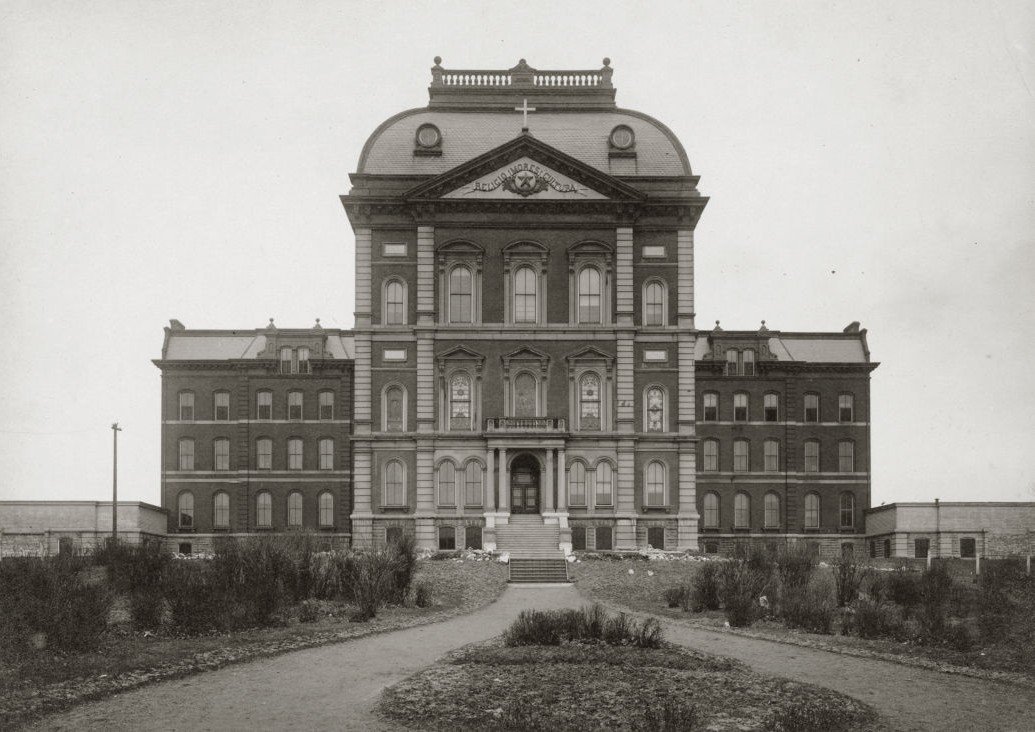
Photo of the college building before the fire.
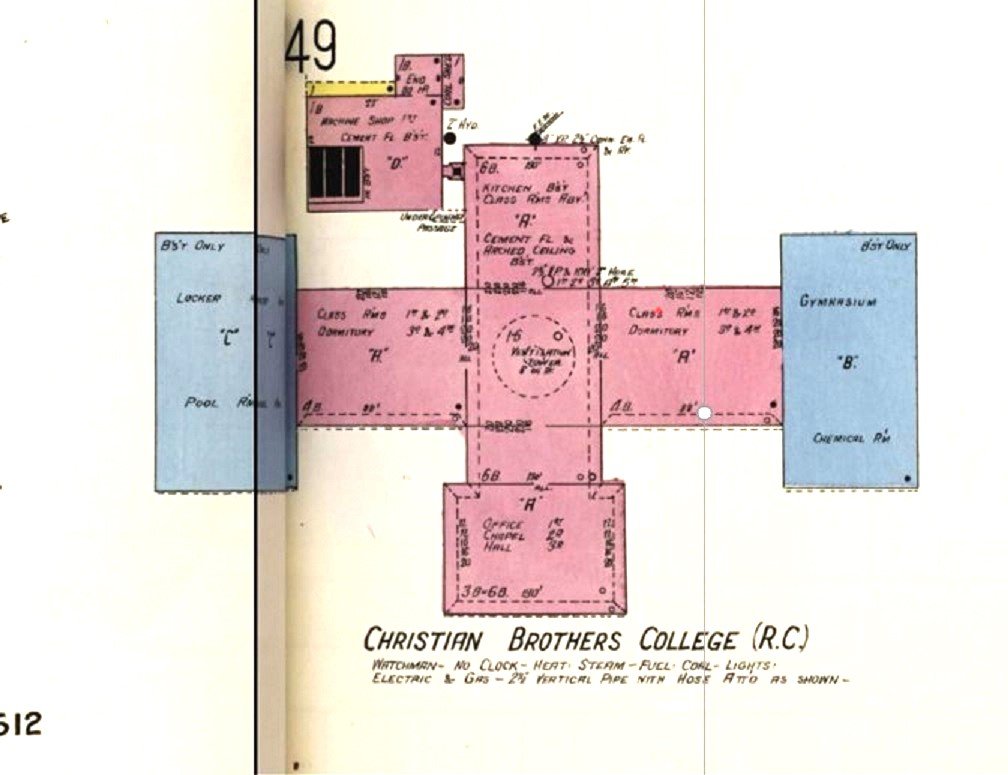
Detail from the Sanborn fire insurance map showing the configuration of the building.