Mutual Aid Firefighter Dies in Floor Collapse During Residential Basement Fire – Forrest, Illinois – July 22, 2008 – NIOSH Firefighter Fatality Report F2008-26
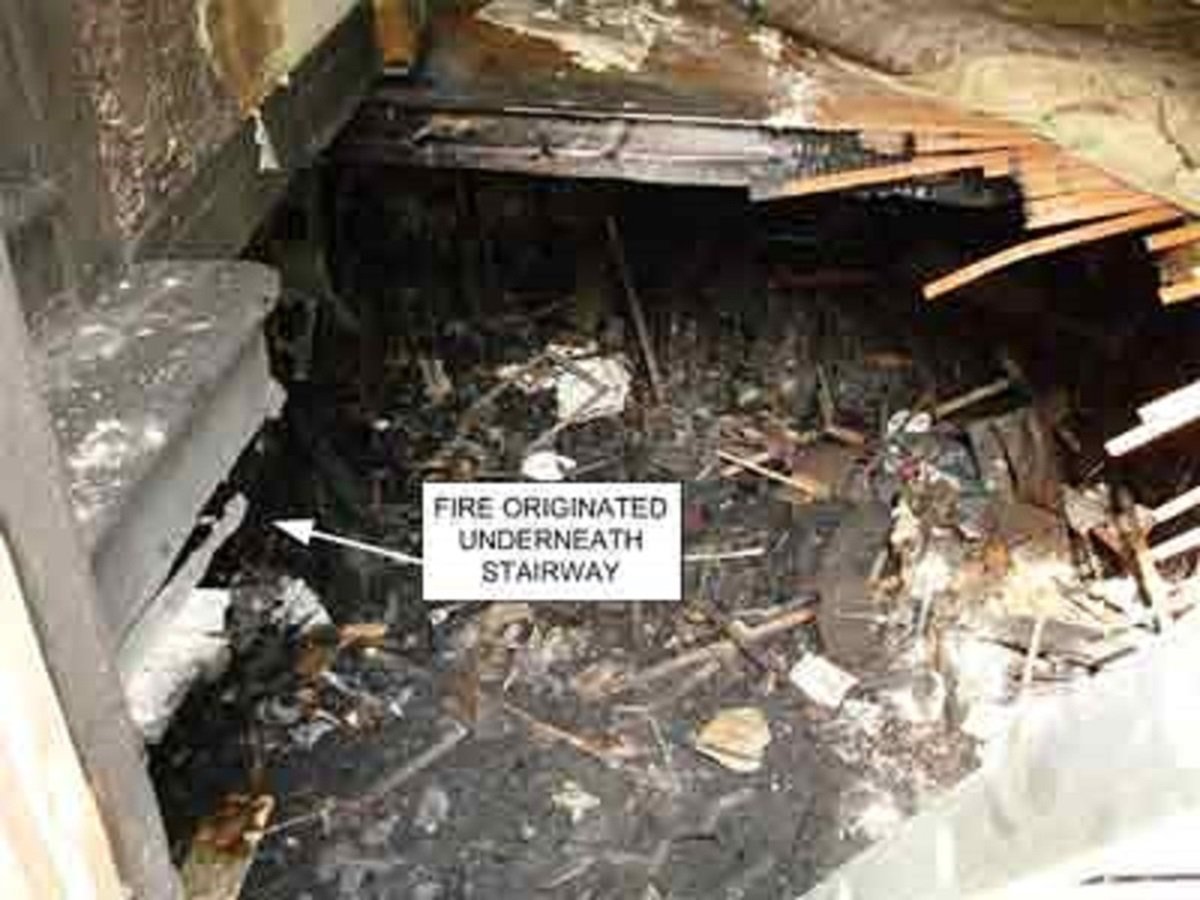
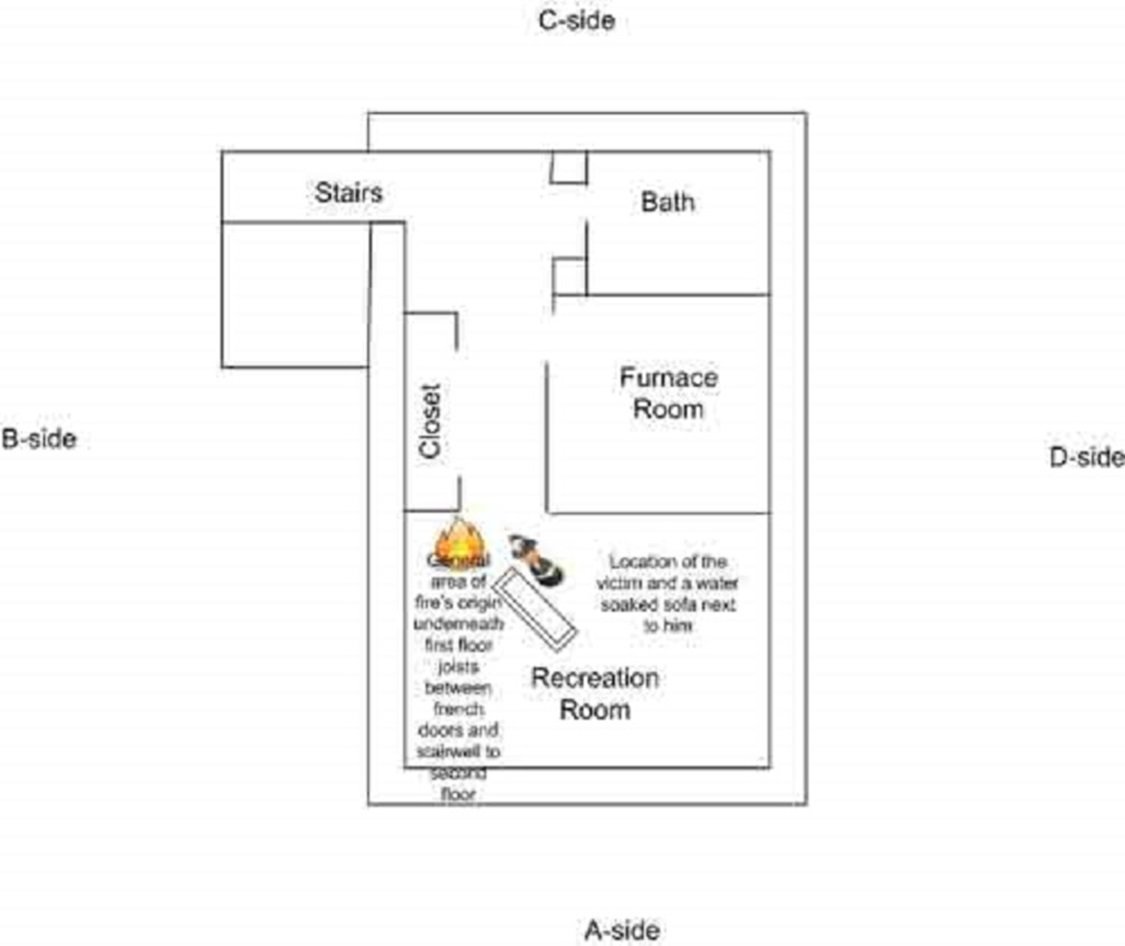
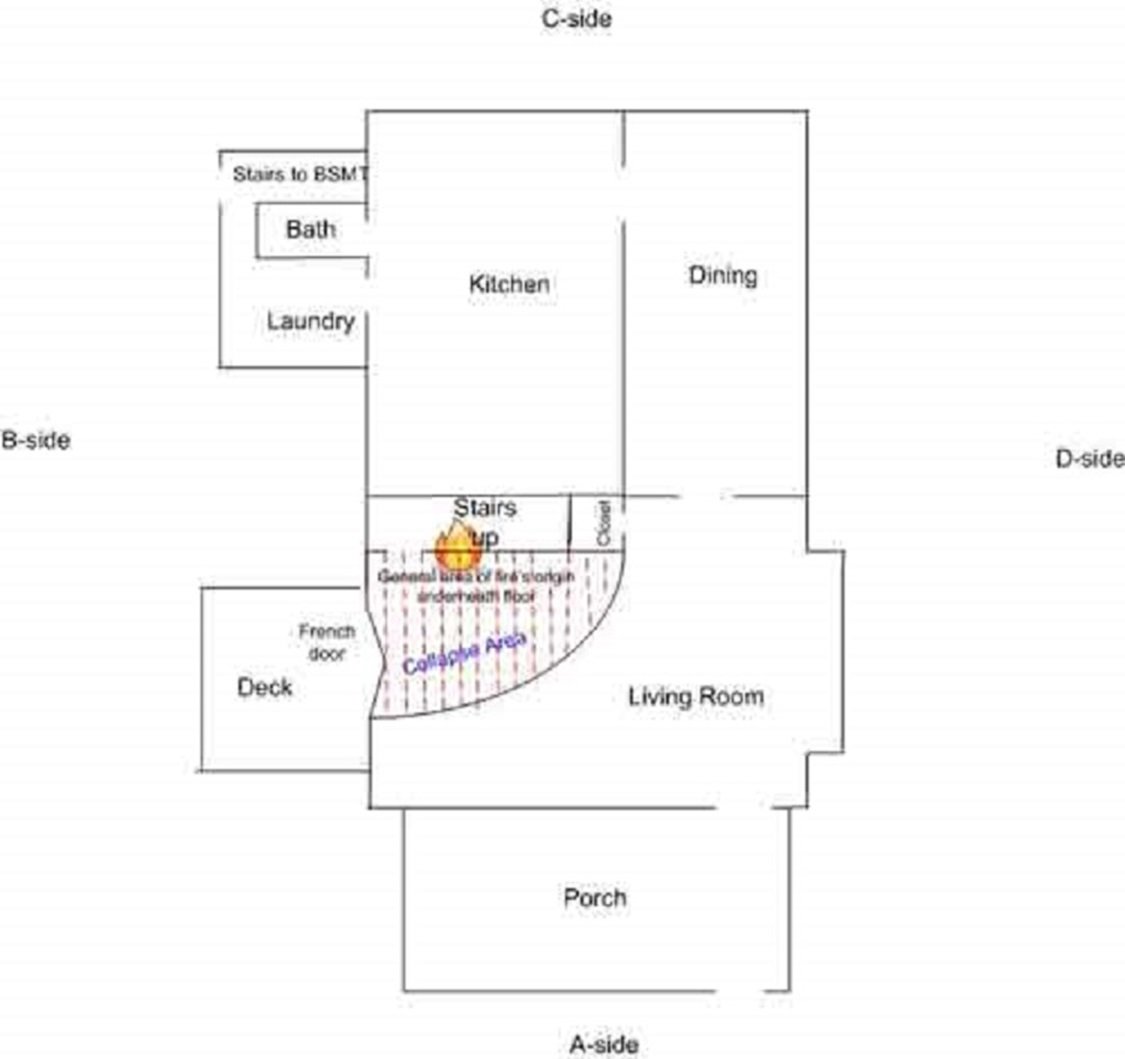
On July 22, 2008, Firefighter Brian Munz of the Fairbury Fire Department was fatally injured during a floor collapse in a residential basement fire in the village of Forrest, Illinois. Firefighters, including mutual aid units, were on scene for approximately thirty minutes and had made several attempts to locate the fire by entering the basement via stairs at the Bravo/Charlie corner of the structure. While a crew was in the basement, a four-member mutual aid interior crew including Firefighter Munz entered the first floor of the structure to horizontally ventilate the structure when several members verbally reported to each other that the floor was spongy and began to leave the building. The floor collapsed just as the last crew member, Firefighter Munz, approached the door, sending fire and heavy smoke throughout the house and dropping Munz into the basement. The attack crew in the basement and crews just outside the door were blown down by the force of the fire and smoke. Due to heavy smoke, Munz could not be located. Firefighters used several hoselines to put water on the area. A crew made entry into the basement by placing a ground ladder in the collapsed floor at French doors on Side Bravo and found the firefighter. After moving a large sofa to gain access to Munz, the crew was able to remove him from the structure. He was nonresponsive to CPR and was pronounced dead at the hospital. The origin of the fire was located in the basement ceiling underneath the landing of the second-floor staircase and near the circuit breaker panel box in the basement. The cause of the fire was undetermined.
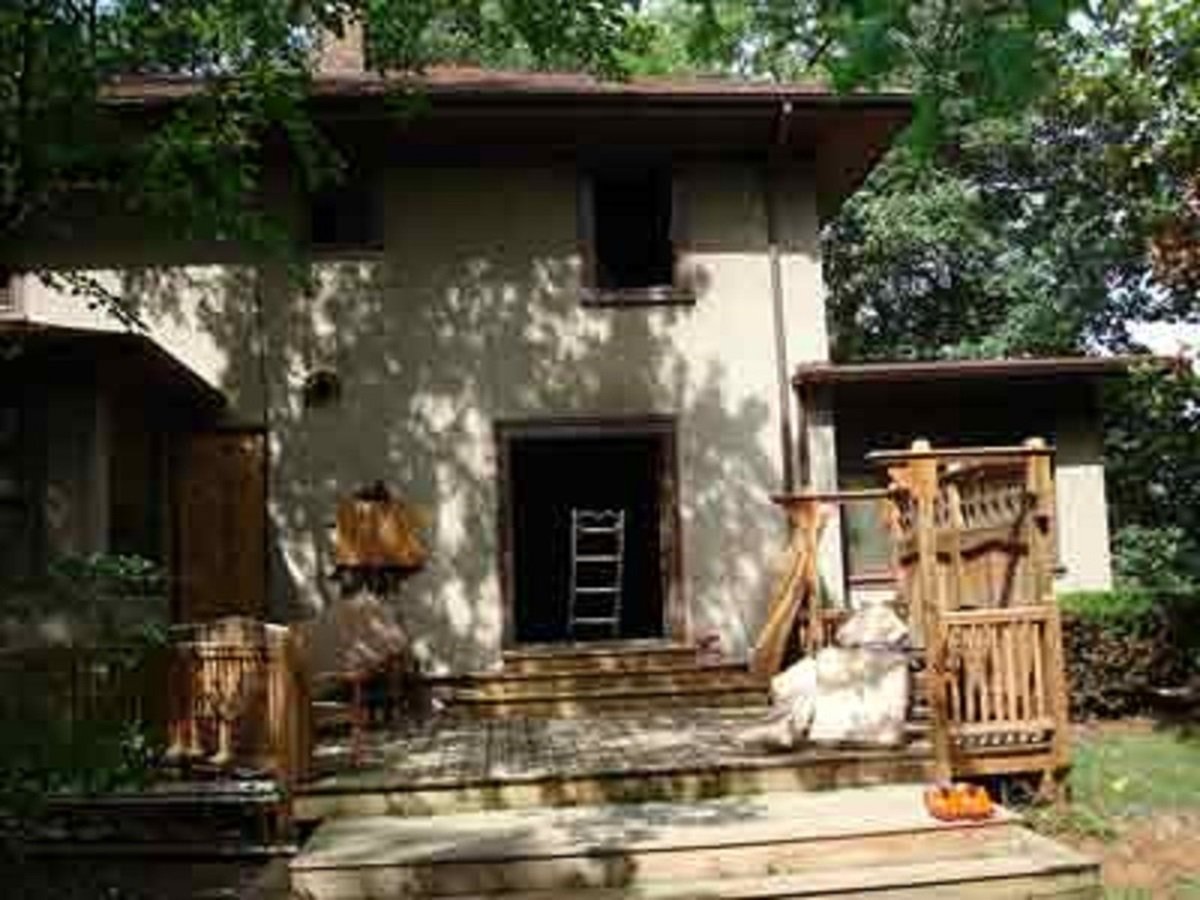
The structure involved in the incident was an 1,824 square foot two-story unsprinklered private dwelling of Type V legacy Wood Frame construction that was built in 1920. It was constructed of wood framing with a concrete block foundation, stucco exterior, plaster interior walls, carpet and hardwood floors, and asphalt shingled roof. The structure had a 220 square foot closed-in porch on Side Alpha and a 325 square foot wood deck on Side Bravo. The basement had only one ingress/egress door at the Bravo/Charlie corner of the structure. The basement was finished, and the concrete block walls were hidden by a wood framed wall with a two-foot void space between the exterior and interior walls. This interior wall covered an exterior basement window on Side Delta, but the Side Charlie window was framed out creating a two-foot window opening.
Forrest is a small village in Livingston County, Illinois, located about 100 miles south of Chicago. The population was 1,220 at the 2010 U.S. census. At the time of the incident, the village was protected by the Forest Fire Department that operated from 2 stations with a total of 40 volunteer members serving a population of approximately 2,500 residents in a geographic area of approximately 85 square miles. Firefighter Munz was a member of the Fairbury Fire Department that responded on mutual aid to the incident. This department operated from one station with a total of 27 volunteer members serving a population of approximately 4,800 residents in a geographic area of 1.3 square miles. Fairbury is located about 6 miles west of the village of Forest.
At the time of the incident, the State of Illinois did not require Fire Fighter I certification or Fire Officer certification to serve on a volunteer fire department. Firefighter Munz had 6 years of firefighting experience; 1 year as a junior firefighter. He completed Basic Fire Suppression training, Field Training, Developing Fireground Expertise, Fire Fighter Survival Training and various other administrative and technical courses offered by local departments.
On the evening of July 22, 2008, the weather was clear with a temperature of 73 degrees F, and the winds were light at 4.6 mph. Note: The weather did not appear to have a significant impact of the outcome of the incident.
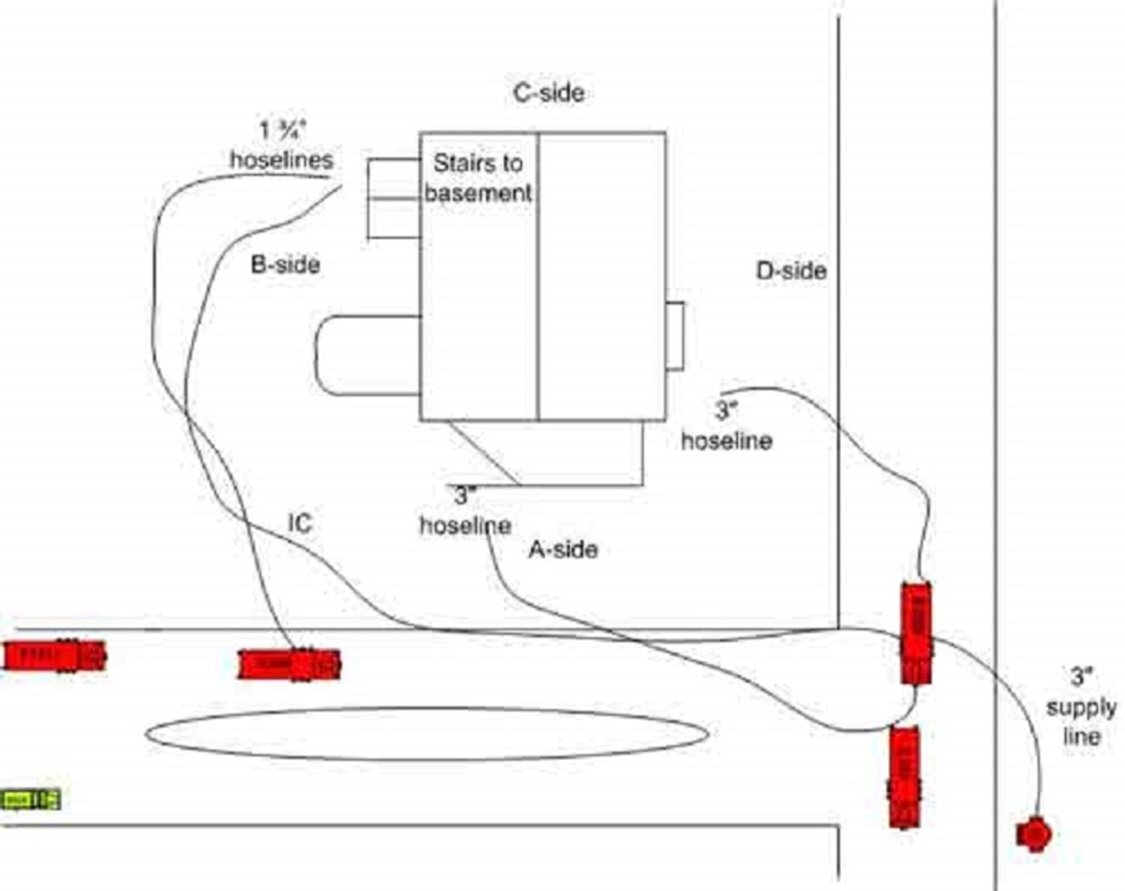
On Monday, July 22, 2008, at 1945 hours, Dispatch received a report of a residential basement fire with smoke showing at 316 West Watson Street in the village of Forrest, Illinois. Forest Fire Department units were dispatched. A minute later, additional mutual aid departments were dispatched to assist in first alarm staffing. At 1948 hours, a Forrest squad and engine arrived first on scene. Upon arrival the crews saw smoke seeping from the basement windows and eaves. The engine connected to the hydrant across the street on Side Delta of the fire structure, while the squad crew helped pull a 1.75-inch hoseline. The engine attack crew stretched the 1.75-inch hoseline down Side Bravo near the Bravo/Charlie corner to an entry door with stairs to the basement and stairs to the right to the first floor.
The homeowner informed the arriving firefighters that everyone was out of the residence, and he believed the fire was in the furnace room of the basement. A two-firefighter attack crew made entry into the basement without a thermal imaging camera (TIC) and went about 5 feet to the bottom of the stairs and turned right towards the furnace room. The crew encountered heavy brown/gray smoke banked down to the floor and felt some heat. The crew sprayed water but never saw any fire and felt debris falling so they backed out.
At 1952 hours, the department Assistant Chief arrived on scene and saw moderate brown smoke coming from the Side Bravo and Side Charlie basement windows. Assuming Command, he requested mutual aid from two neighboring departments. Command also ordered a crew to ventilate the Side Charlie basement window and place a negative pressure ventilation fan at the basement window.
At 1955 hours, the Fire Chief arrived on scene and assumed Command. The Assistant Chief was reassigned as Side Bravo Officer. At 1957 hours, an engine, with Firefighter Brian Munz aboard, and a squad, both from the Fairbury Fire Department arrived on scene followed by another engine from the Forest Fire Department. Minutes later, additional mutual aid resources arrived with 2 additional engines, 8 firefighters, and 2 officers.
At 2000 hours, a second attack team consisting of 3 firefighters; 2 from a mutual aid department and 1 from the local department with a thermal imaging camera (TIC), entered the basement and had no visibility and moderate heat and they backed out. Command assigned an accountability officer on Side Bravo just as a 4-person crew, including Firefighter Munz, made entry on the first floor through French doors on Side Bravo to open all available windows. They were instructed to lift the bottom window sashes to minimize property damage in the moderate light gray smoke conditions.
After the ventilation crew opened a few windows, they re-grouped to look for more windows by crawling on their hands and knees across the living room floor on Side Delta. One of the firefighters was low on air and exited the fire structure by himself on Side Alpha. Two of the remaining three firefighters reported that the carpeted hardwood floor became sticky and spongy about halfway across the floor. It was reported that when Firefighter Munz noticed this, he yelled something like “Let’s get out of here.”
While the ventilation crew was opening windows, a third attack crew had pulled a 1.75-inch hoseline off their engine and went to the entry door on Side Bravo near the Bravo/Charlie corner and made entry to the basement. The 4-person attack crew encountered heavy dark smoke down to the floor with heat up high. After checking the bathroom, they made their way to the furnace room. Meanwhile, the interior ventilation crew on the first floor headed for the French doors on Side Bravo of the fire structure with Firefighter Munz bringing up the rear.
The Forrest firefighter with the TIC had gone to the French doors and looked to the left and saw what looked to be flames licking at the base of the stairs. The firefighter yelled to the nearby Side Bravo Officer that the crew in the basement needed to be pulled out and that the fire attack should be on the Side Bravo deck. Meanwhile, a crew laddered the Side Alpha porch to do roof ventilation. Two attack crews were on the deck on Side Bravo at the French doors with two 1.75-inch hoselines standing at the ready and reported no visibility looking into the fire structure.
At approximately 2023 hours, as the interior ventilation crew approached the French doors, the floor collapsed sending fire and heavy smoke throughout the house. A fireball blew out the French doors pushing the firefighter ahead of Firefighter Munz out the door. He immediately yelled that Munz was still inside the structure. The roof ventilation crew was nearing the top of the ground ladder when they heard a loud noise, which they thought was an explosion and noticed the main floor of the fire structure light up with fire shooting out of the Side Bravo French doors and the Side Delta basement window. The attack crew in the basement had stepped into the basement hallway and everything lit up around them. They flowed water for a moment and backed out of the basement following the hoseline. The crews by the French doors were blown down by the force of the fire and smoke.
Command radioed for accountability and to sound the evacuation horns. The mutual aid crew at the French doors was instructed to spray water into the residence. Due to heavy smoke, Firefighter Munz could not be located but a PASS device was heard. Another engine crew grabbed a 3-inch hoseline off their engine and sprayed water in the basement window on Side Delta. A search crew entered the basement and almost made it to the collapsed area, but the smoke got heavier, and debris was in the way. Water was flowing into the basement from Sides Bravo and Delta. The search crew requested that the hoselines be shutdown to let the smoke clear and the crew backed out.
After chopping away a small one-foot section of floor by the French doors, a ladder was put into the collapsed area at the French doors. A team of 2 firefighters went down the ladder followed by another 2-person team. The first team located Firefighter Munz but could not move him due to debris. The second team realized that a large sofa needed to be moved to access the trapped firefighter. After moving the large water-soaked sofa and untangling the firefighter’s SCBA from electrical wires, Munz was placed on a backboard and extricated by a rope onto the deck on Side Bravo. Firefighter Brian Munz was nonresponsive to CPR and was pronounced dead at the hospital.
The coroner listed the cause of death as compressional asphyxia. Thermal injuries (first- and second-degree burns) were present over approximately 50% of the body surface area.
The Fire Marshal’s report stated that the cause of the fire was undetermined. The origin of the fire was located in the basement ceiling underneath the landing of the second-floor staircase and near the circuit breaker panel box in the basement. The residents were out of the structure for several hours and upon their return smelled and found visible smoke in the basement. When the fire department arrived, smoke was showing at the basement windows. Conditions at the time of the fire department’s first entry into the basement were smoke a foot off the basement floor and heat at 5 to 6 feet. Conditions deteriorated during the following two basement entries without the crews locating the seat of the fire. The location of the fire allowed it to go visibly undetected while smoke traveled the floor joists and the large perimeter void space between the exterior and interior walls. Firefighter Munz was on the floor above and near the fire’s origin at the time of the collapse.
NIOSH investigators identified the following items as key contributing factors in this incident that ultimately led to the firefighter death:
- A crew operating on the floor above a fire that had been burning for more than the 30 minutes that firefighters were on scene.
- Characteristics of the structure that inhibited early efforts to ventilate the structure.
- Subsequent ventilation efforts that were not coordinated with interior operations.
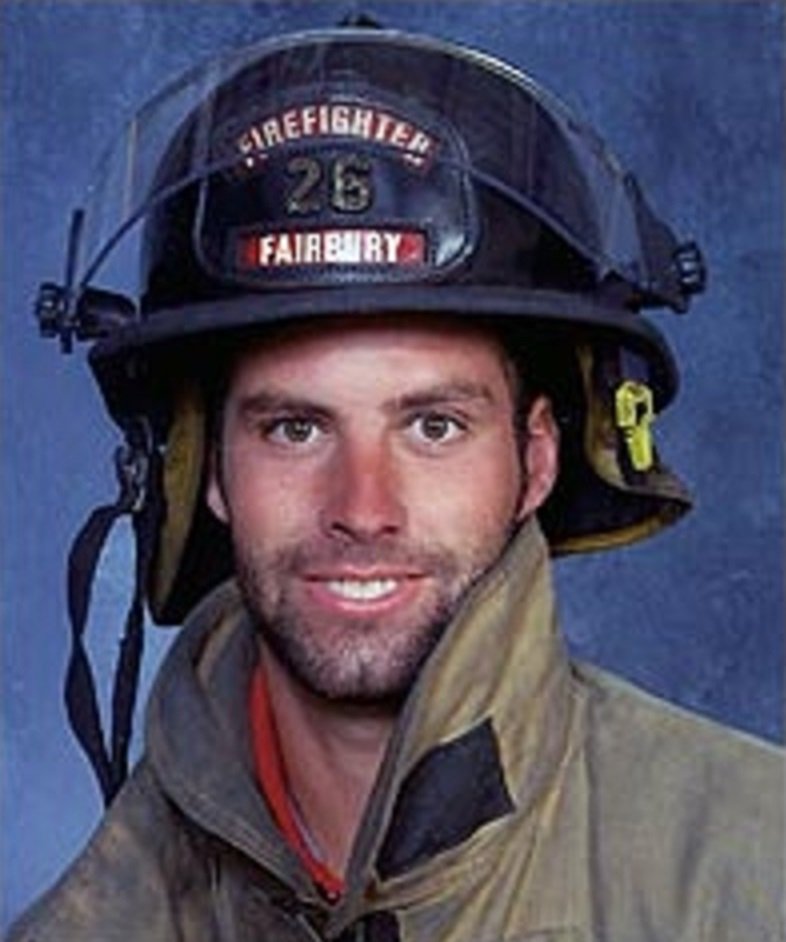
Firefighter Brian James Munz, age 24, was a 6-year member of the Fairbury Fire Department. He is survived by his parents, 1 brother, and 3 stepsisters, and his maternal grandparents.
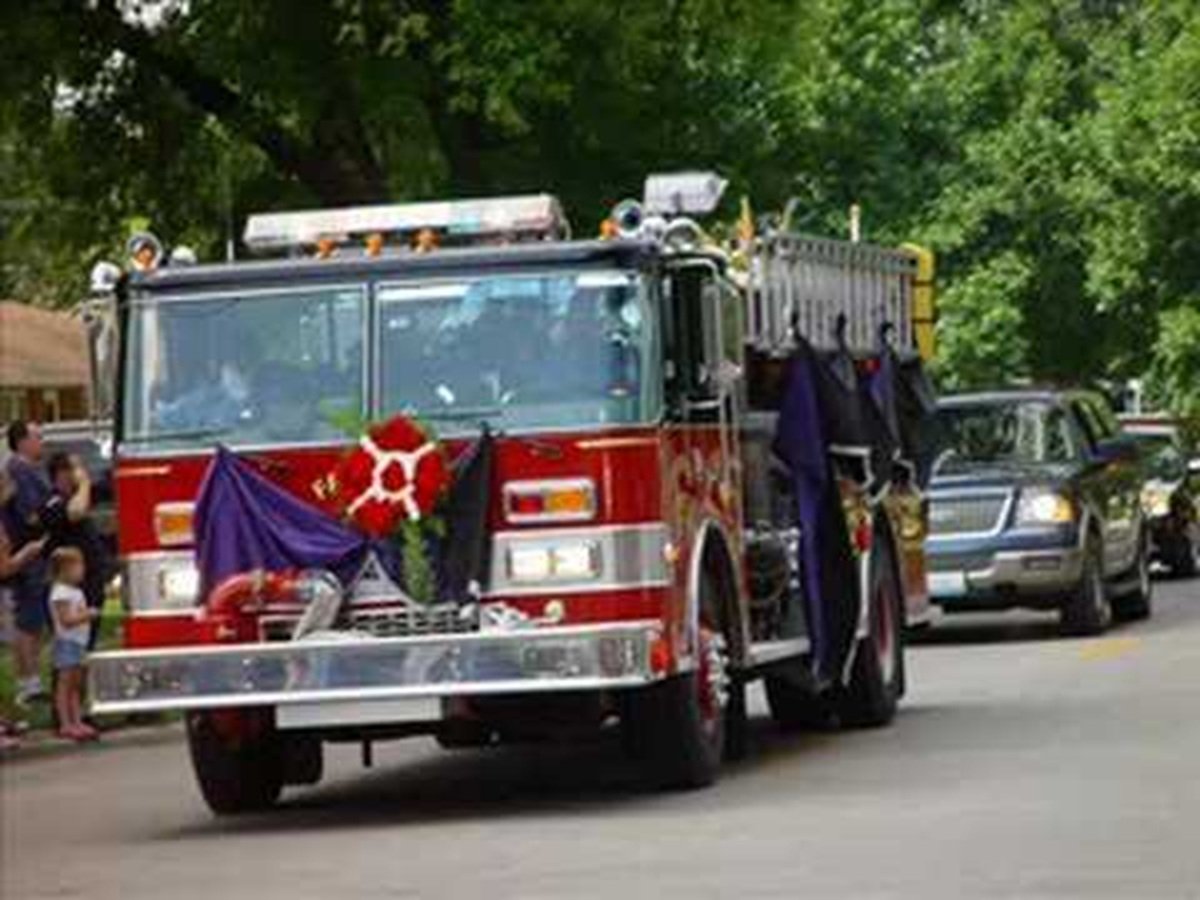
Funeral services for Firefighter Munz were held at the First United Methodist Church in Fairbury on July 26, 2008, and he was interred at Graceland Cemetery. More than 300 firefighters from Illinois and Iowa attended the funeral, and more than 70 fire apparatus participated in the funeral procession.
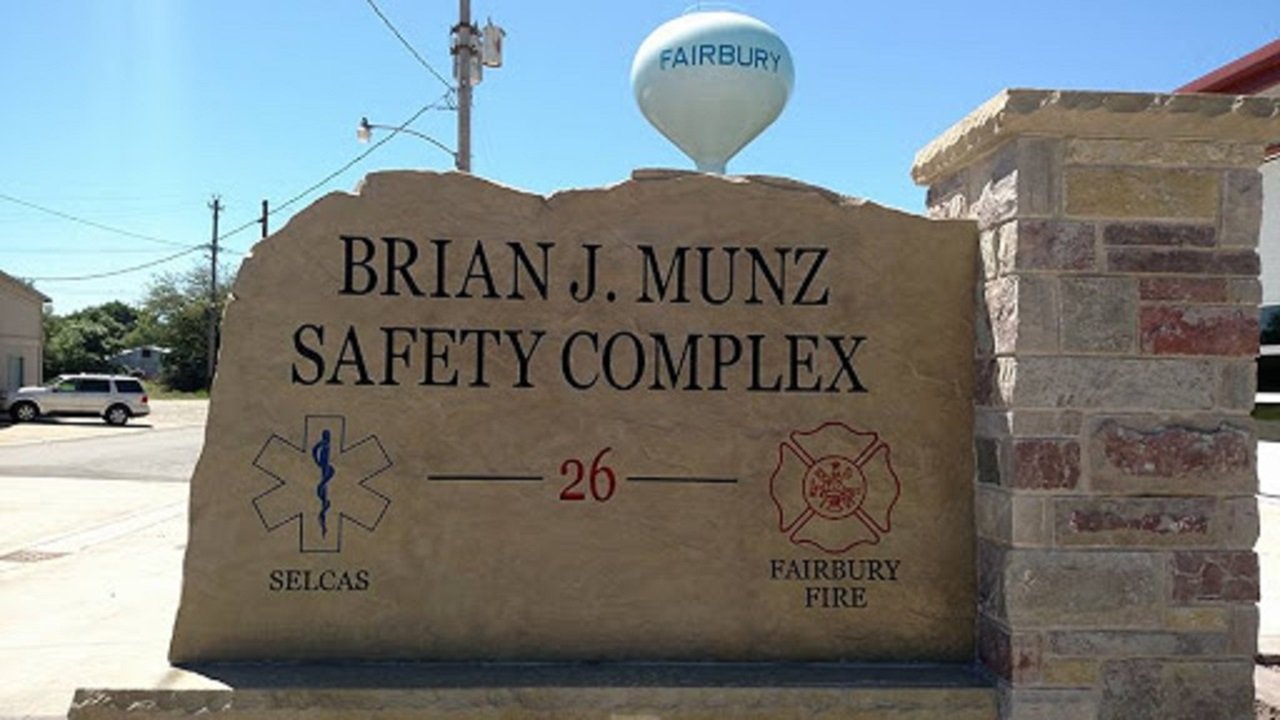
In July of 2013, a new public safety complex in Fairbury was named for the young fallen firefighter.
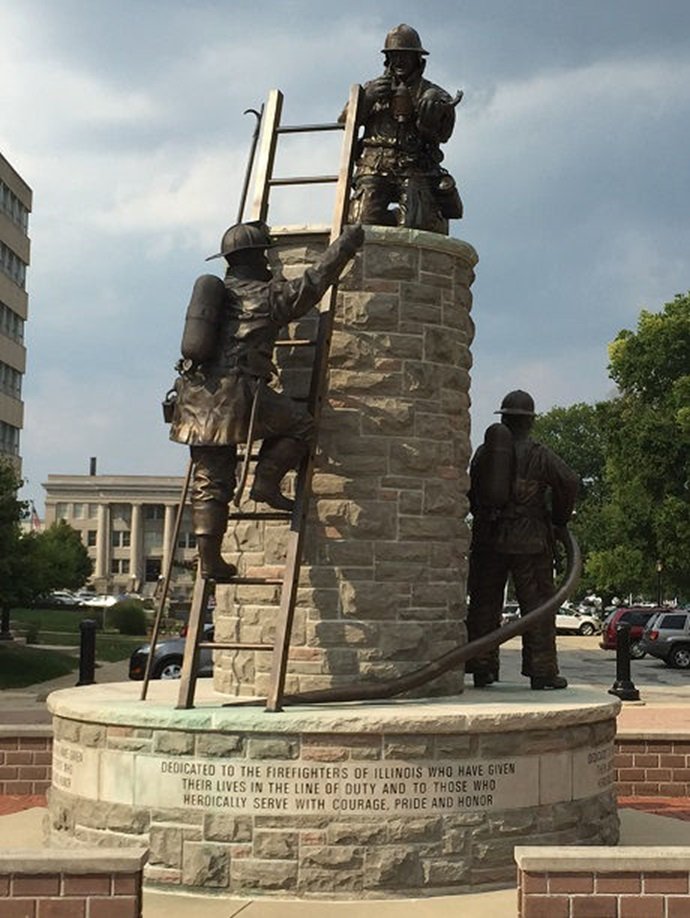
Firefighter Brian James Munz has been honored at the Illinois Firefighters Memorial at the State Capitol Complex in Springfield. The memorial features four life-sized figures of firefighters in full gear, a child, a ladder, and hoseline. Each adult figure is about 6 feet, 2 inches tall and represents the firefighters in action. The figures are situated on a stone cairn 14 feet high surrounded by 2,400 red brick pavers engraved with contributor’s names. An annual remembrance ceremony is held to honor those firefighters who made the supreme sacrifice.
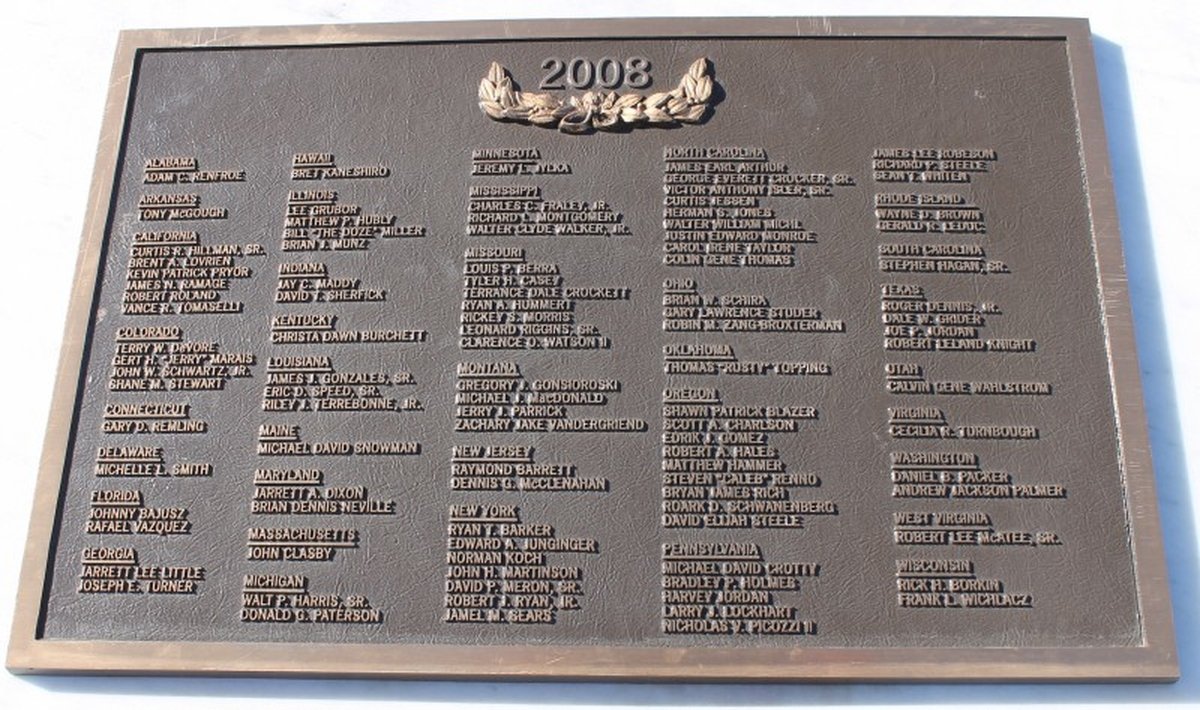
The name of Firefighter Brian James Munz has been inscribed on the 2008 plaque displayed at the National Fallen Firefighter Memorial on the campus of the National Fire Academy in Emmitsburg, Maryland.
Commentary:
Operating on the floor above a basement fire is one of the most hazardous positions in which we can place firefighters. The fire had been burning for more than thirty minutes prior to the entry by the ventilation crew above the fire. Basement fires are optimally fought from a flanking position on grade with the basement. Two previous attack crews had been unsuccessful in locating the seat of the fire. This lack of progress should be recognized by incident commanders and a shift in strategy made to an exterior attack from protected positions. Coordination of ventilation operations is critical so that fire development is not accelerated prior to having a hoseline in place to attack the seat of the fire.
In this instance, the basement had been finished leaving a significant void space between the concrete block foundation wall and the wood framed interior finish wall. This void space allowed fire to spread unseen and unchecked in the basement while attacking the floor joist assembly above which ultimately led to the catastrophic collapse of the first floor into the basement space causing the death of the young firefighter.
We have attached photos and diagrams of the incident. Also, the link to the NIOSH report: https://stacks.cdc.gov/view/cdc/163581
We have also included a link to an article by Dan Madrzykowski published in Fire Engineering magazine on understanding and fighting basement fires: https://www.fireengineering.com/firefighting/understanding-and-fighting-basement-fires-the-isfsi-ul-fsri-2017-joint-research-project/#:~:text=Firefighters%20have%20always%20been%20taught%20that%20basement%20fires,to%20attack%20the%20fire%20on%20its%20own%20level.
Thanks to multiple media sources for additional content for this article.
Honor the service of Firefighter Brian Munz by reviewing and discussing your department’s standard operating procedures for basement fires with your crew members today.
Remember Fallen Brothers.
Get Out There And Know Your Local!!!
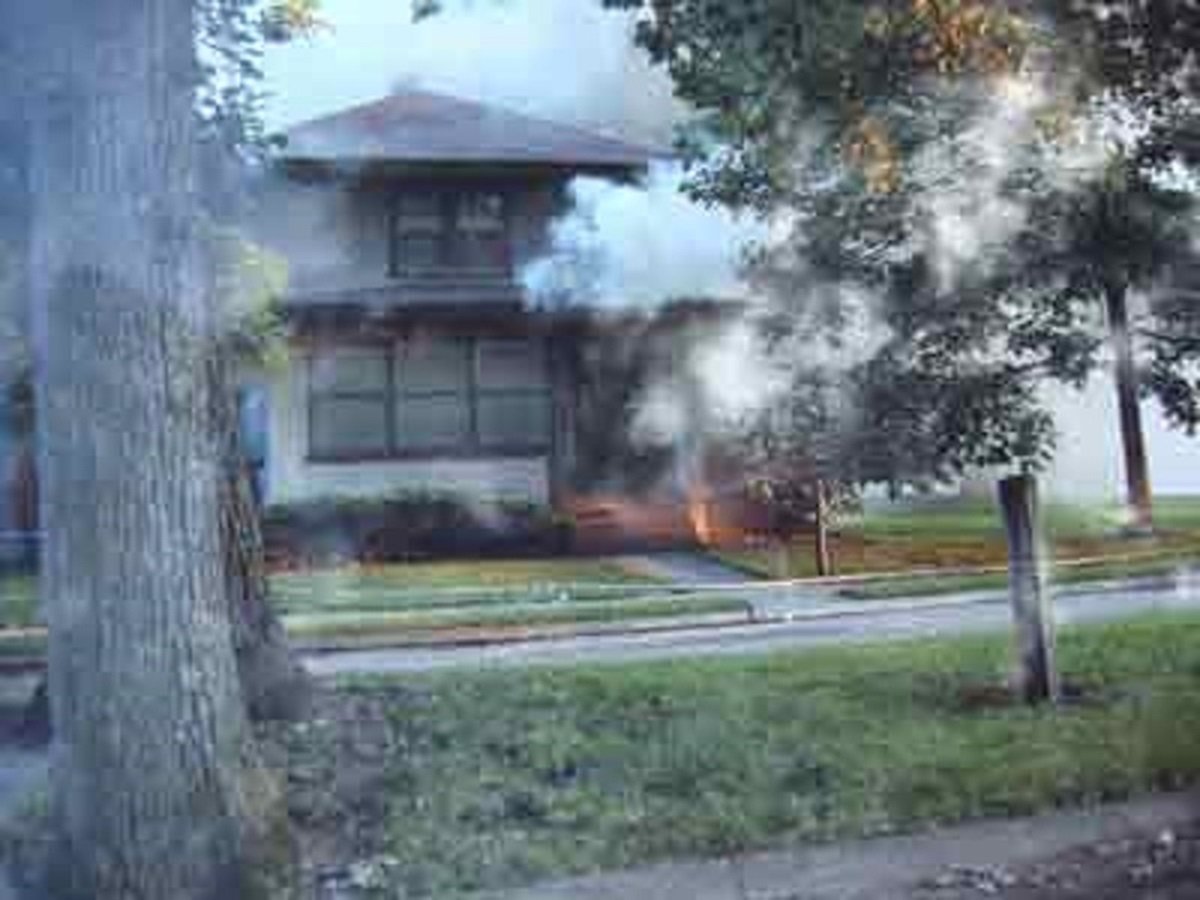
Photo of Side Alpha of the fire building during the fire.
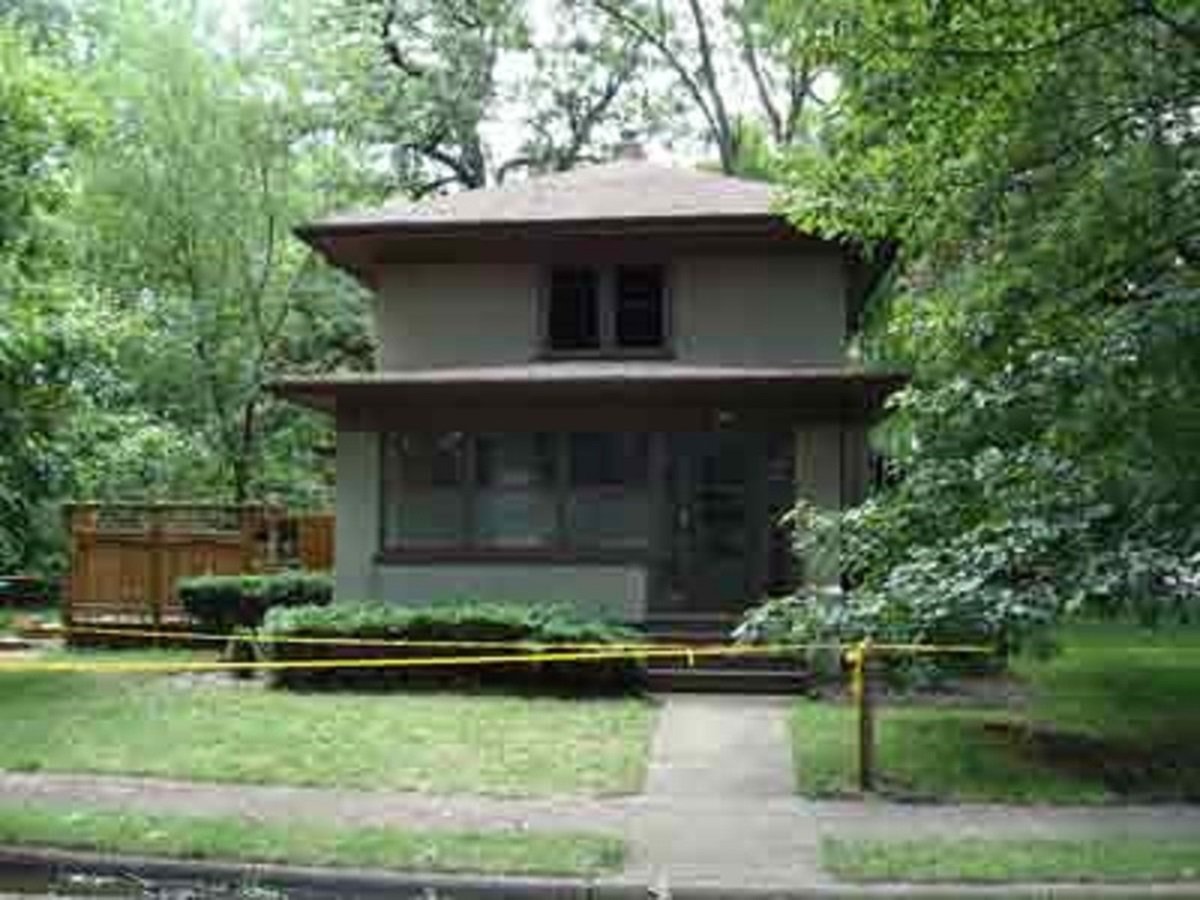
Photo of Side Alpha of the fire building prior to the incident.