Fire Captain Killed by Collapsing Parapet Wall at Two-Alarm Discotheque Fire – Brooklyn, New York – June 23, 1977
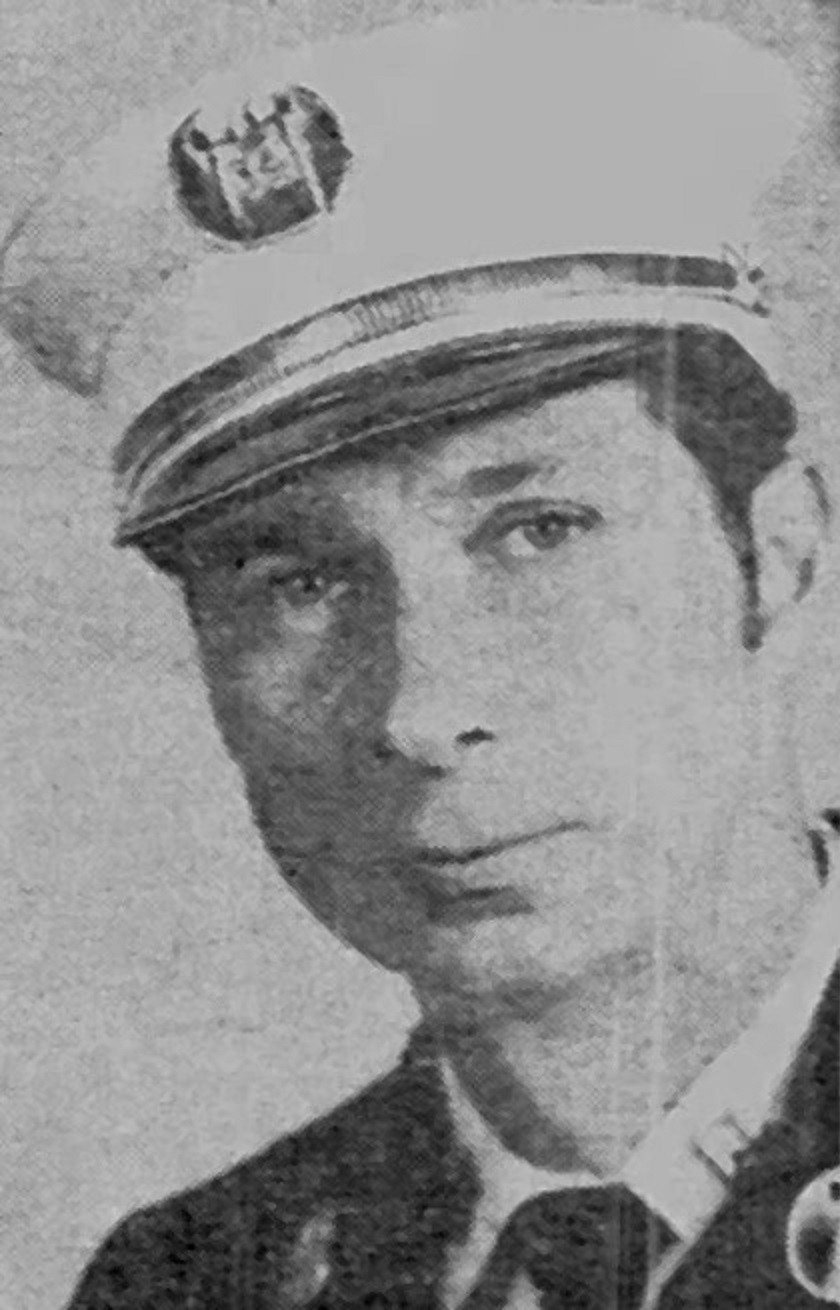
On June 23, 1977, FDNY Fire Captain John Stelmack of Engine 284 was killed by a falling parapet wall at a late-night two-alarm fire in a discotheque in the New York City borough of Brooklyn. While leading his company into the burning two-story building, he was killed when a portion of the front parapet wall collapsed causing a cement coping stone to fall killing Captain Stelmack and injuring three other firefighters. The fire was of undetermined, although not suspicious, origin and was believed to have started in the ceiling of the first floor in the rear of the dance club, which was closed at the time of the fire. Investigators determined that the roof of the structure had been replaced after a previous fire and the parapet wall had not been properly re-secured to the roof. During fire operations, the bucket of a tower ladder came in contact with the parapet wall dislodging a cement coping stone that fell fatally injuring the fire officer. Captain Stelmack was the fourth FDNY firefighter to die in the line of duty in 1977.
The structure involved in the incident was a two‐story Type III Ordinary construction brick and wood joist building at 8717 Fourth Avenue mid-block between 87th and 88th Streets in the Bay Ridge section of the borough. The upper floor of the building was vacant, but the first floor was occupied by the Revelation 2 discotheque. The building was typical for the flat roofed structures in the area with a decorative four-foot-high masonry parapet wall along Side Alpha. The parapet wall had been added to the 1920s vintage building in 1966. The building had suffered a previous fire on the second floor that damaged the roof, which was repaired before the subsequent fire.
Brooklyn is one of five boroughs that make up the City of New York. With a population of 2,736,074 residents according to the 2020 U.S. census, if Brooklyn were an independent city, Brooklyn would rank as the third-most populous in the country behind the rest of New York City and Los Angeles, and ahead of Chicago. The incident occurred in the Bay Ridge section of the borough. Bay Ridge is a neighborhood in the southwest corner of Brooklyn bounded by Sunset Park to the north, Dyker Heights to the east, the Narrows and the Belt Parkway to the west, and Fort Hamilton Army Base and the Verrazzano-Narrows Bridge to the south. Until the late 19th century, Bay Ridge was a relatively isolated rural area. In 1892, the first electric trolley line was built in Brooklyn, starting at a ferry terminal at 39th Street and running via Second Avenue to 65th Street. This had the effect of raising land prices and started a building boom in South Brooklyn as thousands of people started coming to the area from Manhattan and from other places. By the 1920s, the number of apartment buildings had increased fivefold, replacing old farms, homesteads and houses. Schools, churches, stores, movie theaters, and other structures were also created to serve the growing population. By the 1970s, Bay Ridge had reached a population of more than 80,000 residents.
The Bay Ridge neighborhood is protected by units from the FDNY including:
- Engine 242 quartered at 9219 Fifth Avenue – 0.3 miles from the fire building.
- Engine 284, Ladder 149, and Satellite 3 quartered at 1157 79th Street – 1.3 miles from the fire building.
- Engine 241 and Ladder 109 quartered at 6630 Third Avenue – 1.3 miles from the fire building.
Weather conditions on the night of the incident included an air temperature of 60 degrees F with the humidity level at 69% with east-northeast winds at 6 mph under fair skies (Weather Underground). The weather did not appear to be a significant factor in the outcome of the incident.
On Thursday, June 23, 1977, at 2:28 a.m., FDNY Brooklyn fire units were alerted to a structure fire in a commercial/residential building at 8717 Fourth Avenue in Bay Ridge. Engine 284 commanded by Captain John Stelmack arrived at the scene of the fire within minutes after the alarm was sounded. The upper floor of the brick building was vacant, but the first floor was occupied by a discotheque, Revelation 2. Fire was observed in the structure as members began fire control, search, and ventilation operations.
The members of Engine 284 were preparing to stretch a hoseline into the building to attack the fire on Side Alpha. Captain Stelmack had paused to don his SCBA facepiece before entering the fire building when he was struck on the head and killed instantly by a falling four-foot section of cement parapet coping stone. Other members of his engine company were also injured by the partial collapse of the parapet wall. The captain and several firefighters were quicky dug out of the rubble and were transported to nearby Victory Memorial Hospital where Captain Stelmack was pronounced dead upon arrival suffering from head and internal injuries. Three other firefighters received non-life-threatening injuries in the collapse. A second alarm was ordered immediately after the parapet wall collapsed.
The police said there were no patrons in the discotheque at the time of the fire, which a Fire Department spokesman said was of undetermined, although not suspicious, origin.
The blaze was believed to have started in the ceiling of the first floor at the rear of the dance club, which was closed at the time of the fire. Investigators determined that the roof of the structure had been replaced after a previous fire in May 1974 and the roofers had failed to properly re-secure the front parapet wall. Three steel bars meant to secure the parapet had not been bolted to the roof joists. Investigators further determined that during fire operations, the bucket of a tower ladder had come in contact with the parapet wall dislodging a cement coping stone that fell, fatally injuring the fire officer. The parapet wall had been added to the 1930s-vintage building in 1966. There were no outstanding fire code violations listed after an inspection in August 1975.
Captain John J. Stelmack, age 40, was a 15-year veteran of the FDNY who had been decorated several times for bravery. He began his service with the department on June 2, 1962, with Engine 22 on the Upper West Side of Manhattan. He later was promoted to Lieutenant and then Captain and was assigned to Engine 284 in the Dyker Heights section of Brooklyn. Stelmack had worked as a film technician prior to joining the Fire Department. He was survived by his wife Louis Alice and two children, Evelyn Ann, age 19 and John Paul, age 10.
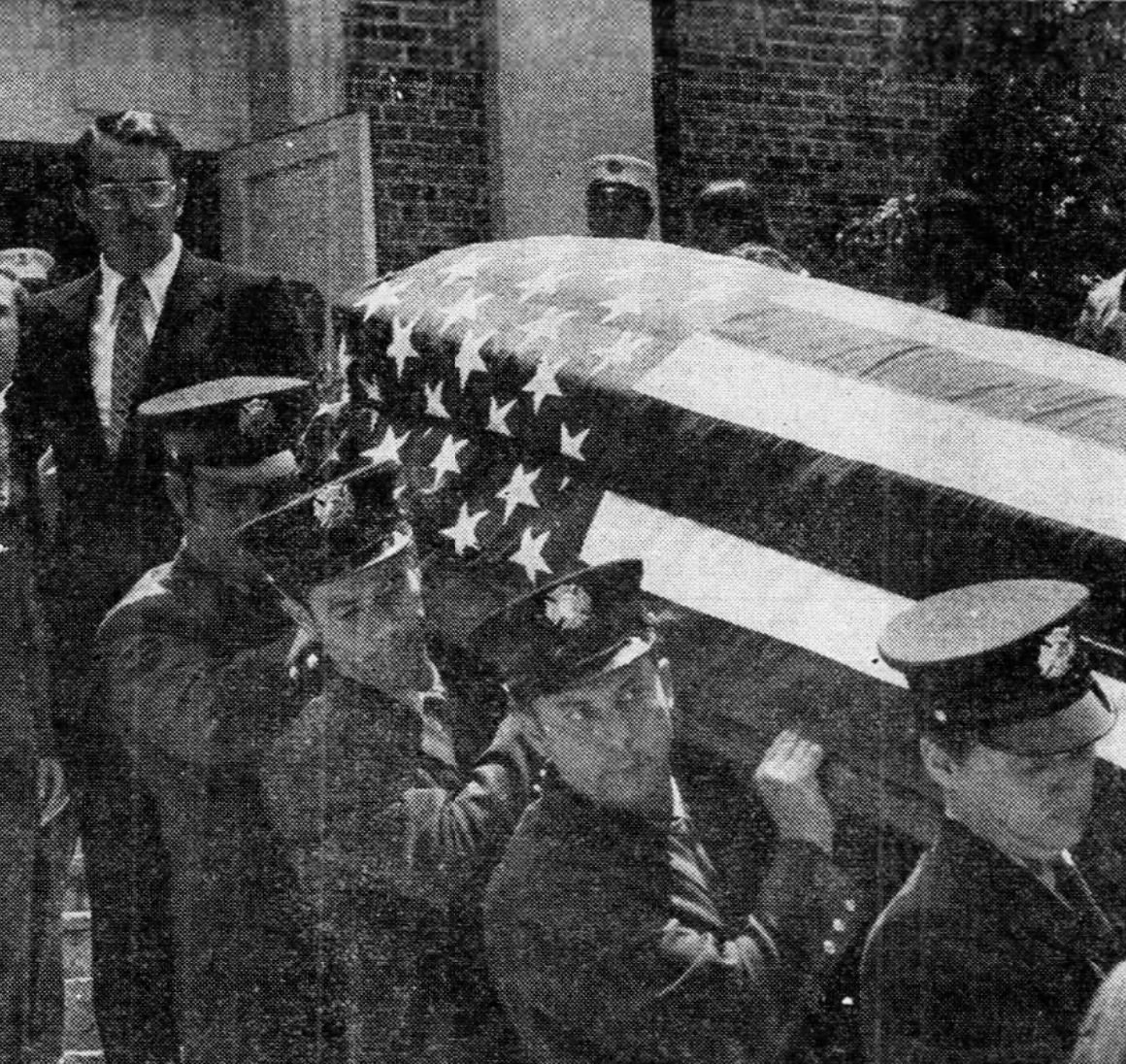
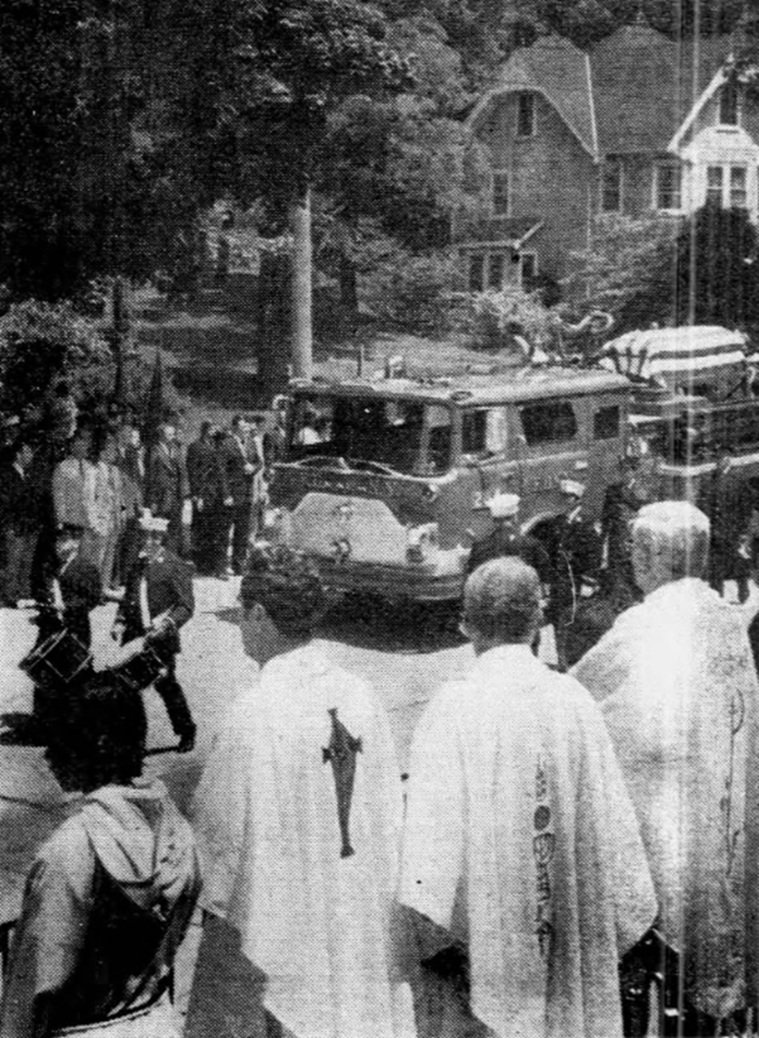
On June 27, more than 2,000 fellow firefighters, friends and family attended the funeral mass for Captain Stelmack at St. Philip Neri Roman Catholic Church at 344 Main Street in Northport, Long Island where Captain Stelmack lived with his family. Among those present were Mayor Abraham Beame, Fire Commissioner John O’Hagan and Michael Maye, president of the Uniformed Firefighters Association. The casket was carried from the church by members of his fire company and placed on Engine 284. Mayor Beame led the cortege in a three-block procession along the narrow, tree-shaded Main Street to the headquarters of the Northport Village Volunteer Fire Department, where Stelmack was given the final salute during the playing of taps. Interment followed at Northport Rural Cemetery on Long Island.
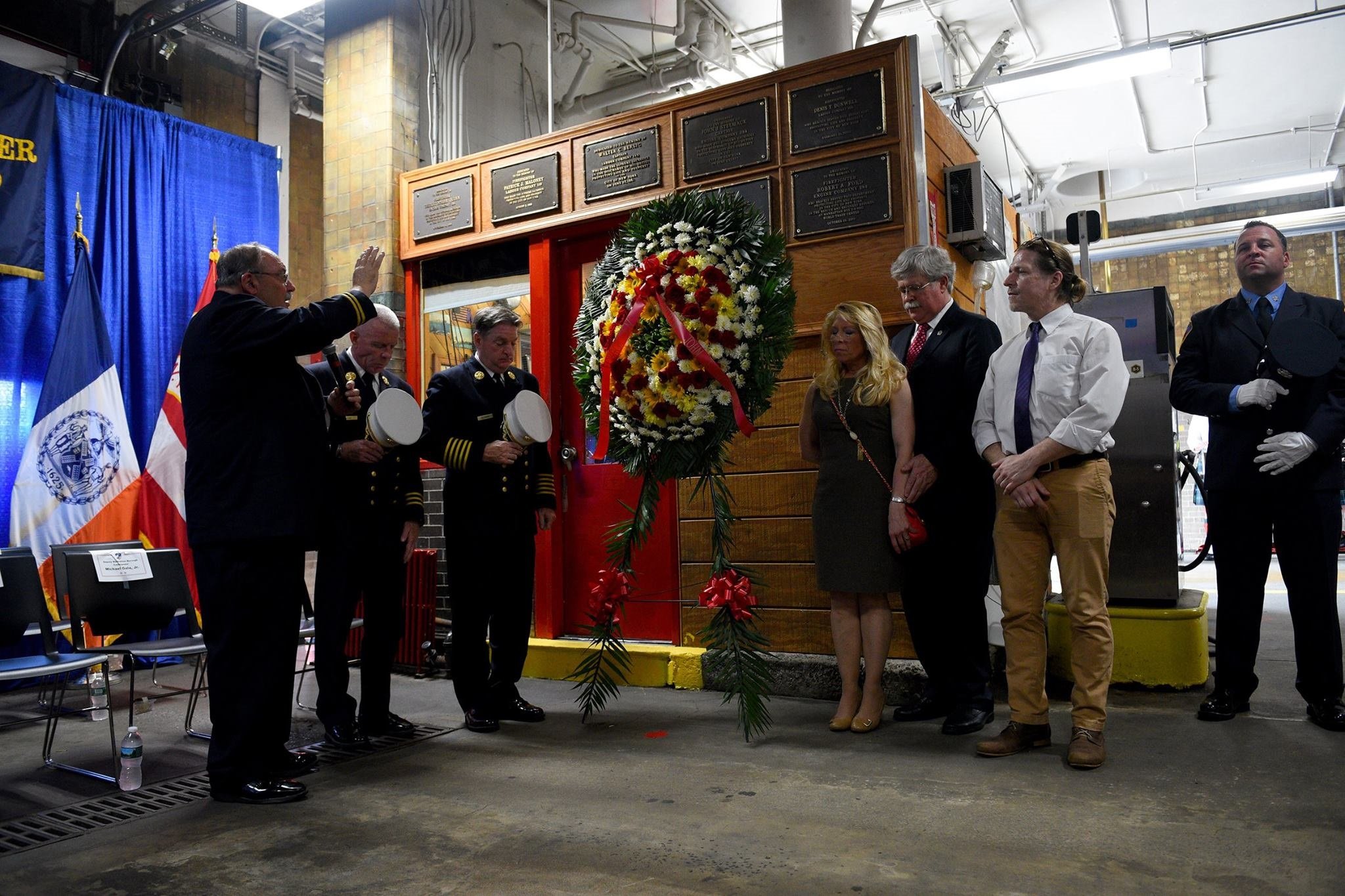
On Friday, June 23, 2017, 40 years to the day after the tragic incident, FDNY Chief of Department James E. Leonard, members of the Fire Department, and the family of Captain John J. Stelmack gathered at the Brooklyn quarters of Engine 284 and Ladder 149 for a remembrance ceremony for Captain Stelmack, who made the Supreme Sacrifice on June 23, 1977.
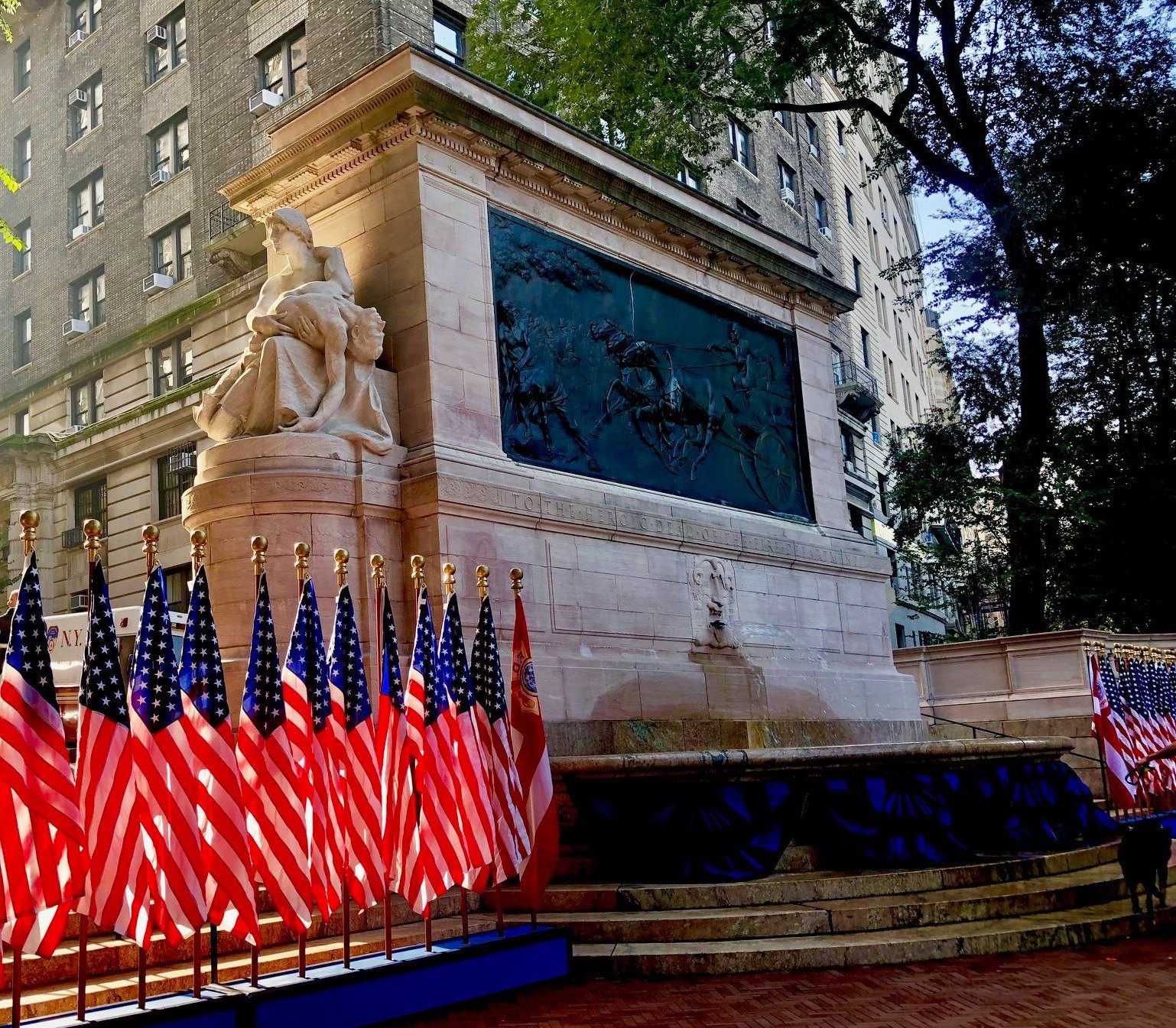
Captain John J. Stelmack has been honored at the New York Firemen’s Memorial on Riverside Drive at 100th Street in Manhattan, New York. The memorial honors the members of the FDNY who have made the ultimate sacrifice in the line of duty.
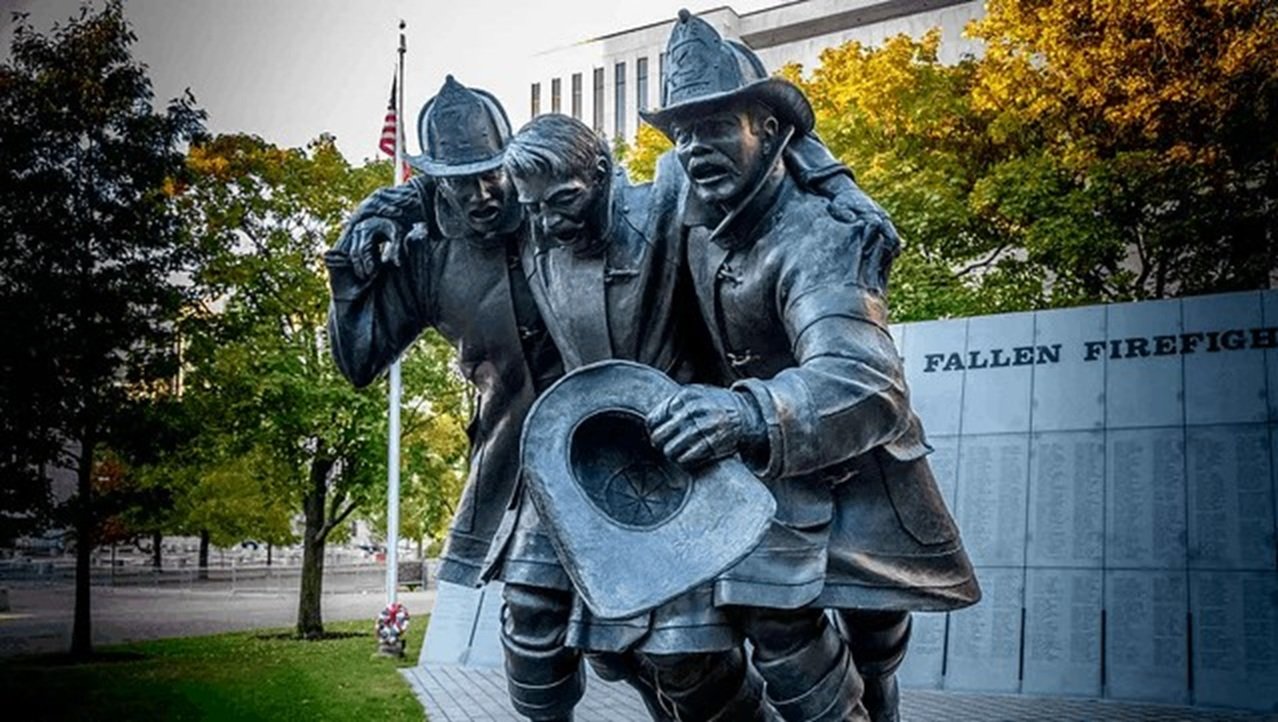
The name of Captain John J. Stelmack has been inscribed at the New York State Fallen Firefighters Memorial on the grounds of the New York State Capitol in Albany. The memorial features a 54-foot by 15-foot gray granite wall with the names of New York State fallen firefighters permanently etched into the stone. In front of the wall stands a 10-foot-high dark bronze sculpture of two firefighters rescuing an injured colleague created by New York sculptor Robert Eccleston. The sculpture rests on a paved plaza with charcoal and red bricks forming a Maltese Cross. As of October 2024, there are 2,692 names on the wall. The earliest name on the wall is from the year 1811.
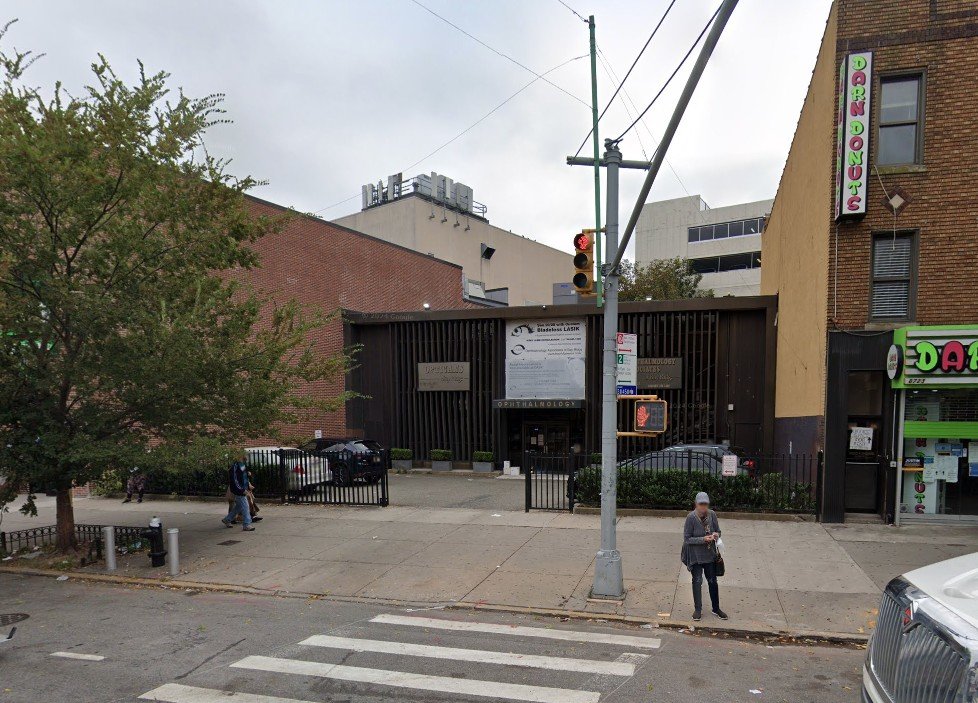
Today the site of the fatal fire is occupied by an ophthalmology office. There is no memorial marker at the site.
Commentary:
FDNY Deputy Chief (ret.) Vincent Dunn calls a masonry parapet wall one of the most dangerous walls that firefighters can encounter at a fire. The building codes define a parapet wall as the continuation of an exterior wall, a fire wall, or a party wall above the roof level of a building. Typically found on Type III Ordinary construction structures, the average height of a parapet wall will be in the range of three to four feet, with heights of six feet or greater not that uncommon. Because they are a freestanding wall with little lateral stability, they may fail suddenly and catastrophically during a fire. There have been numerous instances where firefighters have been killed or injured by falling parapet walls. When conducting fire operations in a structure that is equipped with parapets walls, firefighters, fire officers, safety officers, and incident commanders must continuously monitor the condition of the walls looking for signs of instability such as visible cracks, sagging, bulging or bowing, and smoke pushing from the masonry. Personnel should also be aware that the tip of an aerial device or the force of a master stream can cause instability in a parapet wall. Aerial device operators should exercise caution when positioning a tower ladder bucket or aerial ladder tip near parapet walls. Firefighters should also use caution when operating in areas below extended aerial or tower ladders.
The FDNY Bureau of Training offers these advisory points regarding operations around parapet walls with aerial devices:
- The cause of this collapse was a tower ladder bucket striking the parapet wall. When a tower ladder bucket is positioned above a parapet wall or a cornice, be sure to raise the bucket prior to retracting.
- This collapse occurred after the fire was placed probably will hold. It is important that members remain aware of fireground hazards, even after the fire is extinguished.
- Use extreme caution when operating under aerial or tower ladders.
- Use extreme caution when positioning aerial or tower ladder buckets near parapet walls.
- Parapet walls may be reinforced with steel rods; when this feature is present the entire length of a parapet wall may collapse if any portion of it is disturbed.
- Establish collapse zones early in the operation. All members must be made aware of the collapse zones; the area should be marked with Danger – Do Not Enter caution tape (red tape with black lettering).
- Fire prevention inspections shall include inspection of the roof and condition of the parapet walls. It is theorized that during a renovation to the roof of the fire building, workers failed to properly secure the parapet wall to the roof.
We have attached the link to an article posted by group member Chief Vincent Dunn on his experience with a parapet wall collapse during a fire in The Bronx:
We have attached a link to a dramatic video showing the collapse of a parapet wall above a row of stores in Indianapolis, Indiana: https://fb.watch/dqwVeFcEFf/
We have also included the link to a BCFS Question of the Week post on parapet walls:
https://www.facebook.com/groups/192218352449074/permalink/1481729573497939/
Thanks to multiple media sources for the content of this article.
Honor the service of Captain John Stelmack by studying the collapse dangers of parapet walls during structure fires and by touring several buildings in your local response district that feature parapet walls today with your crew members.
Remember Fallen Brothers.
Get Out There And Know Your Local!!!

Example photo of a parapet wall topped with cement coping stones similar to those that fatally injured Captain Stelmack.