
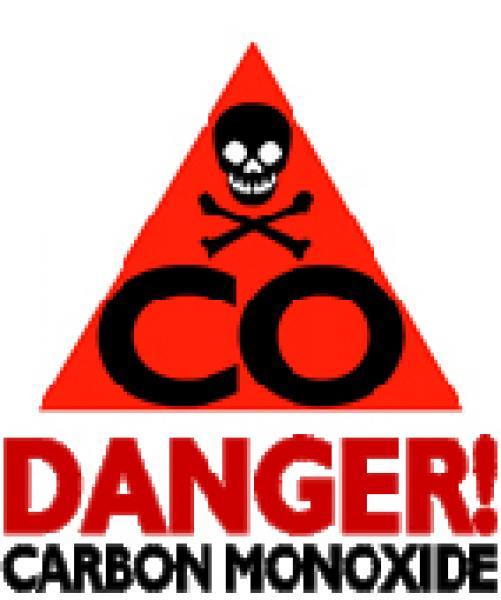
The Fazios died from carbon monoxide poisoning in their home on Saturday. Fumes from a generator running in their attached garage infiltrated the house.
"He was a dear friend and an excellent firefighter," said Schenectady Fire Chief Bob Farstad.
The garage doors were closed and the generator was set up near a doorway to the backyard. The interior door was open but the storm door was closed, Glenville Police Chief Michael Ranalli said. There was no indication that the storm door had been propped open, he said.
Another door connected the garage to the interior of the home. Ranalli said that door was closed, but not sealed because of cables running from the generator into the house.
Fazio, 65, was a driver with the Niskayuna Central School District and Elaine Fazio was a medical biller at Strategic Solutions in Clifton Park.
Many members of the fire department’s senior staff had worked at the former Brandywine firehouse where Fazio drove a fire truck and was pump operator. Fazio was a slender man with a medium build, who from the moment he arrived at work, checked over his truck and equipment. His colleagues described him as meticulous.
"He was hard-working," said Deputy Chief Scott Doherty. "I don’t think he ever stopped."
The firefighters said Elaine Fazio was a kind and friendly woman. The couple’s oldest daughter had once worked as a dispatcher for the department.
"We are shocked and saddened," Farstad said. "It was a tragic accident."
Farstad said there has been more awareness of the danger of carbon monoxide in the past 10 years, after Fazio’s retirement.
Hospitals throughout the Capital Region treated dozens of people for carbon monoxide exposure since Thursday’s ice storm knocked out power throughout the area. REST IN PEACE RALPHIE.
A 57-year-old man in Jackson, Washington County, died in what appears to be a carbon monoxide poisoning. Robert W. Hendrickson was found dead Saturday inside his garage with a power generator and a space heater, though neither was running when he was discovered. Authorities are awaiting an autopsy before ruling on the cause of death.
Albany Medical Center treated 20 people for exposure, Glens Falls Hospital saw three people from two different incidents involving kerosene heaters and Ellis Hospital’s emergency department had four cases of exposure. One family was treated at Samaritan Hospital and a handful of people went to St. Peter’s Hospital, according to officials at the hospitals.
"Anything that burns inside a house, whether it be a fireplace, wood stove, or kerosene heater always creates a risk when it’s not well ventilated," said Dr. Roger Earrowman, chairman of the Department of Emergency Services at Ellis Hospital.
Carbon monoxide is a byproduct of the burning process. "It’s completely odorless," Earrowman said. "That’s really the big issue."
In high concentrations, the gas can overcome someone in 10 minutes and kill a person shortly after, Earrowman said.
Carbon monoxide displaces oxygen in the body’s cells, essentially starving the body of oxygen, he said. The early signs of exposure are nausea, sleepiness, confusion and headaches. Often, poisoning happens over a period of hours, he said.
"When they become unconscious, they continue to breathe the toxic fumes and the levels climb continuously," Earrowman said.
If caught early enough, carbon monoxide poisoning can be reversed. But cases of severe exposure can cause brain damage and death.
Under New York law, single-family homes built or sold after 2002 must have carbon monoxide detectors, and multi-family apartments built or sold after 2007 must have carbon monoxide detectors. "The Department of State recommends that everybody puts them in their house because it is good safety, especially during the heating season,” said Dan Nichols, a fire protection engineer with the state.
Here are tips for keeping safe as you wait for the power to return.
Ventilate a fireplace, wood stove, or portable kerosene heater to the outside.
Have one person watch for fire whenever alternative heat sources are used. If that person feels drowsy or has a headache, it may be a sign of carbon monoxide poisoning.
Keep firefighting materials on hand, including dry powder fire extinguishers, a tarp or heavy blanket, sand, salt, baking soda and water.
Do not run a generator, or any type of engine, inside your home.
Do not use a gas or electric oven or surface units for heating.
Do not burn outdoor barbecue materials such as charcoal briquettes inside, even in a fireplace.
If necessary to use candles monitor extremely closely.
